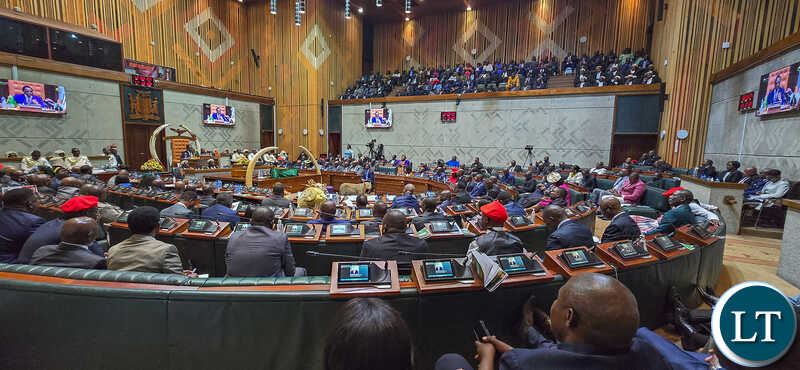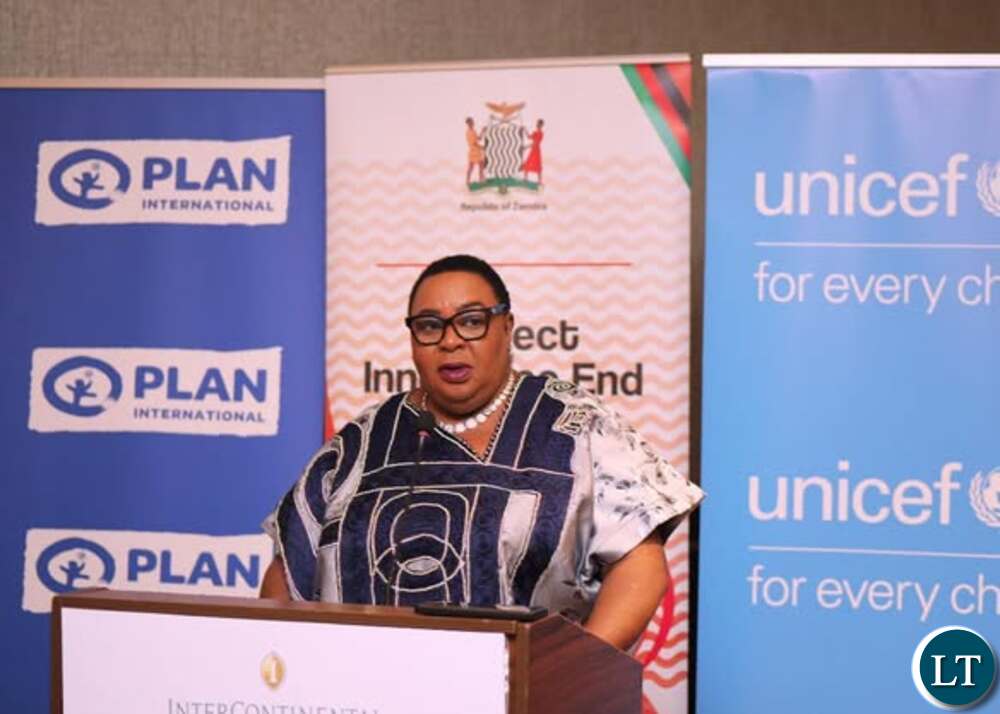
The United Nations Population Fund (UNFPA) in Zambia has officially launched the 2025 State of the World Population report in Lusaka with the Zambian government pledging continued efforts to improve the welfare of vulnerable groups and address challenges linked to fertility and population trends.
Speaking during the launch, Community Development and Social Services Minister, Doreen Mwamba, reaffirmed the government’s dedication to advancing social protection initiatives that enhance the wellbeing of women, children, and youth.
Ms Mwamba said the government’s social protection policy promotes productive agency through maternity and early childhood support.
“We are working to extend maternity protection beyond the formal sector and exploring non-contributory cash benefits for poor, vulnerable pregnant women and mothers,” she said.
She said programmes such as the Keeping Girls in School (KGS) initiative play a vital role in preventing early marriages through supporting families that are facing economic hardship.
“Through social protection programmes, we ensure that no girl is forced out of school and into early marriage due to financial constraints,” she said.
Ms Mwamba added that the policy also focuses on youth empowerment through skills development, access to capital, and linkages to livelihood opportunities.
“By creating economic opportunities for our young people, we give them financial stability to plan their futures and families with confidence,” she noted.
Meanwhile, UNFPA Country Representative, Seth Broekman, warned that the world is experiencing an unprecedented decline in fertility rates, a situation which is raising global concerns about a potential population collapse.
“With more than 8 billion people sharing our planet, the human population has never been larger yet we face a major crisis,” he said.
Mr Broekman revealed that findings from UNFPA’s flagship report show that many individuals are unable to achieve their desired family size due to financial, health, and environmental challenges.
“In Zambia, a young woman told us she does not plan to have another child because of financial instability, unaffordable housing, and the high cost of living. Health issues, lack of access to healthcare, infertility, and climate-related threats are also major barriers,” he explained.
Held under the theme “The Real Fertility Crisis: The Pursuit of Reproduction in a Changing World,” the event underscored UNFPA’s partnership with the Zambian government in tackling reproductive health challenges and ensuring that every individual can exercise their reproductive rights safely and freely.