Tuesday, June 9, 2026
15.1 C
Lusaka
Home Blog Page 105

Mwewa’s Despicable and Degrading Stereotype Remarks Against Women in Politics

By Amb. Emmanuel Mwamba

Besides his seemingly good civic work and duty, Chitambala Mwewa is many times known for his contraversial remarks and behaviour.

He has been sued several times and has actually been convicted and gone to prison for this.

I’ve just watched a video broadcast where Mwewa claims that decent women in politics in Zambia are so rare that they could barely number two on his fingers.

I looked at the female MPs, Ministers and party leaders both in the ruling and Opposition, and many do not fit this generalised description confidently offered by Mwewa.

He says almost all the women in Zambian politics are either being abused by male gatekeepers such as Chairmen or Secretary Generals or are in unstable relationships, single or are not or cannot hold a marriage.

He also took a swipe at female youths in politics claiming that they are all slay queens.

We all know that politics in Zambia is dirty and there is determined efforts by many individuals that have joined the politics to help clean the mess and root out corruption, immorality and help steer the nation to its declared Christian status with a nation whose people fear God and actually walk and practice christian values in public life.

The trouble with Mwewa’s remarks is that he is generalising cases, brushing troubling behaviour with one single brush stroke and literally enforcing unfounded prejudice against women, the very thing that keeps women away from politics, and a matter we are fighting to encourage them to participate in politics and be part of the decision-making porcess of our country.

He also assumes that single women are immoral, stereotyping, stigmatizing, and discriminating against them for not being married.

I also recognise that there are reports that as political parties begin to adopt candidates for positions MPs, Mayors, Council Chairperson and Councillors, there are male members of political party structures or party leadership that seek sexual or corrupt favours in return for adoption.

Where there is this predatory sexual behaviour by male gatekeepers, it should immediately be reported and perpetrators named, shamed, arrested and prosecuted.

Further where there is lewd, indecent and obscene behaviour, a matter that Mwewa has also expressed concern, it is imperative that the political leadership bring this to a halt.

In my view, Mwewa must have focused his remarks on what must be done than make absurd, express unfounded stereotypes and prejudicial allegations that almost paint all women and youth in politics as highly immoral, slay queens and cannot maintain a marriage or partner relationship.

Our women require encouragement, not insults, and the nation desires that we have a moral, credible, incorruptible leadership.

It’s a tall order, but Mwewa’s insults do not help.
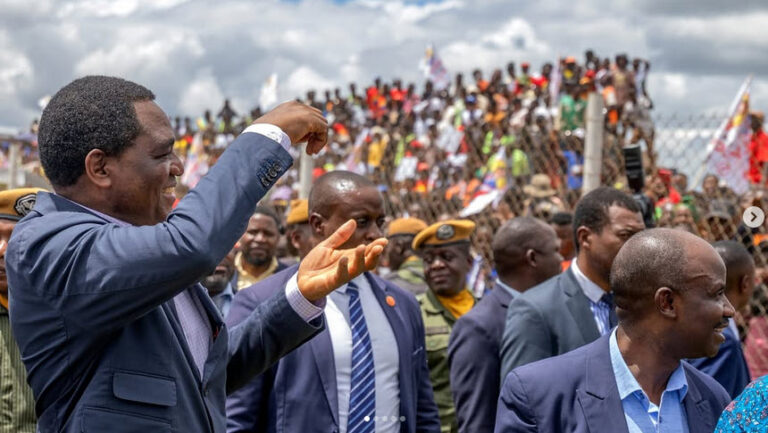
Cabinet clears 24-hour economy with Hichilema backing

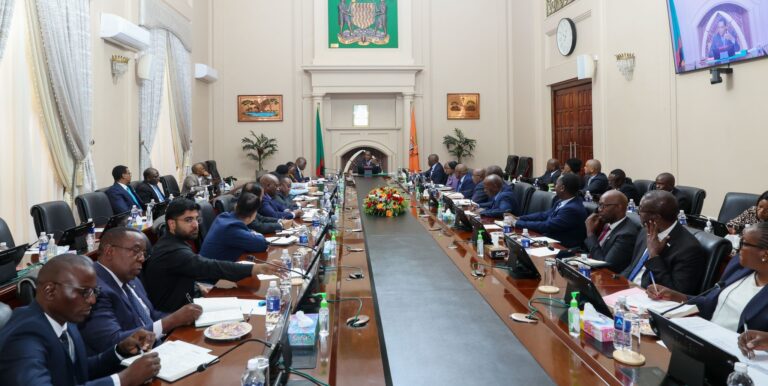
President Hakainde Hichilema has backed the introduction of a 24-hour economy following Cabinet approval of a policy designed to expand productivity, extend business activity, and increase economic output across Zambia. This initiative reflects the government’s commitment to fostering an environment conducive to business growth.

The decision marks a significant shift in how economic activity will be structured, with government setting a direction that encourages round-the-clock operations in sectors capable of sustaining continuous production and service delivery. Cabinet’s approval provides the policy foundation, while Hichilema’s backing places the initiative at the centre of Zambia’s economic agenda, demonstrating the importance of Cabinet in shaping economic strategies.

Hichilema has positioned the 24-hour economy as part of a broader strategy to drive growth, create employment, and improve utilisation of existing infrastructure. Extending operational hours allows businesses to maximise capacity, increase output, and generate additional revenue without necessarily expanding physical infrastructure, highlighting the role of Cabinet in facilitating these changes.

The policy is expected to affect multiple sectors, including manufacturing, retail, transport, and services. Businesses operating under the model will have the opportunity to run shifts that extend beyond traditional working hours, creating space for increased productivity and new job opportunities.

Cabinet’s approval signals government’s commitment to implementing the framework, with institutions now expected to align their operations to support extended economic activity. This includes adjustments in labour structures, service provision, and regulatory oversight.

Energy supply has emerged as a central issue in discussions around implementation. Fuel availability and pricing remain critical factors that will determine how effectively businesses can operate under a 24-hour model. Reliable energy is essential for sustaining continuous production, transport, and service delivery.

Recent concerns around fuel supply have added complexity to the rollout. Reports of uneven availability and the possibility of price adjustments linked to global market conditions have raised questions about how businesses will manage operating costs under extended hours.

Hichilema’s administration has acknowledged the importance of aligning supporting systems with the policy direction. Ensuring stable fuel supply, consistent electricity provision, and adequate infrastructure remains central to the success of the initiative.

The relationship between energy and economic activity is direct. Transport systems depend on fuel to move goods and people, while industries require both fuel and electricity to sustain production. Any disruption in these inputs can affect output and increase operational costs.

Government is expected to address these challenges through coordinated measures aimed at stabilising supply chains and supporting key sectors. The objective is to create an environment in which businesses can operate predictably and efficiently under extended hours.

The policy also introduces changes in how labour is organised. Businesses adopting a 24-hour model will need to implement shift systems, adjust working conditions, and ensure compliance with labour regulations. These changes will require careful management to balance productivity with worker welfare.

Hichilema’s backing reflects a broader push to reposition Zambia’s economy toward higher levels of efficiency and output. The approach aligns with efforts to create jobs and expand economic participation, particularly among young people entering the workforce.

Public response to the policy has reflected both optimism and caution. The potential for job creation and increased economic activity has been widely acknowledged. At the same time, concerns remain about whether supporting systems are sufficiently developed to sustain continuous operations.

Cabinet’s decision places responsibility on multiple institutions to ensure that the policy is implemented effectively. Coordination between government agencies, private sector players, and service providers will be essential in translating the framework into practical outcomes.

The introduction of a 24-hour economy represents a structural shift rather than a short-term measure. Its success will depend on how well different components of the economy adapt to the new model and how effectively challenges are managed.

Hichilema’s endorsement signals strong political support for the initiative, reinforcing its position as a key element of Zambia’s economic direction. The administration has framed the policy as a pathway toward increased productivity and long-term growth.

The coming period will be critical in determining how the model is rolled out and how businesses respond to the opportunities and challenges it presents. Implementation will require adjustments across sectors, with outcomes shaped by both policy execution and market conditions.

The interaction between fuel supply, pricing, and extended operations will remain a central factor. Ensuring that energy inputs remain stable will be essential in maintaining confidence among businesses and sustaining momentum.

The policy places Zambia on a path toward a more flexible and extended economic structure, with the potential to reshape how work and production are organised. The extent to which this potential is realised will depend on alignment between policy, infrastructure, and operational capacity.

Zambia seizes vehicles amid ownership dispute involving Dalitso

A dispute over the ownership of seized vehicles has escalated following government action targeting assets believed to be linked to ongoing investigations, drawing a response from an individual identified as Dalitso, who has challenged the basis of the seizure.

Authorities moved to take control of several vehicles under circumstances that have not been fully detailed publicly, but which appear connected to enforcement activity aimed at verifying asset ownership and compliance with existing regulations. The action has brought into focus questions about how such seizures are conducted and the processes used to determine ownership.

Dalitso, who has emerged as a central figure in the dispute, has contested the move, arguing that the vehicles in question are not abandoned and that their seizure lacks justification. The response has shifted the matter from an enforcement issue into a broader legal and administrative contest.

The situation reflects the complexities involved in asset seizure processes, particularly where ownership is disputed. Government agencies typically rely on established procedures to identify, verify, and, where necessary, take control of assets believed to fall within the scope of investigations. These processes are intended to ensure that actions are grounded in law and supported by evidence.

At the same time, individuals affected by such actions have the right to challenge decisions through legal channels. Disputes of this nature often hinge on documentation, registration records, and the ability to demonstrate legitimate ownership.

The case involving Dalitso highlights the importance of clarity in how asset seizures are communicated and executed. Where information is limited or contested, disputes can quickly escalate, drawing public attention and raising questions about due process.

Authorities have not publicly detailed the full basis for the seizure, but the action suggests that the vehicles were identified within the context of broader enforcement activities. These may include efforts to address compliance issues or investigate potential irregularities linked to asset ownership.

Dalitso’s challenge introduces a competing narrative, asserting that the vehicles were neither abandoned nor subject to conditions that would justify their seizure. The claim places emphasis on the need for clear evidence and adherence to procedural standards.

The dispute has drawn attention to the legal frameworks governing asset seizure in Zambia. These frameworks are designed to balance enforcement objectives with the protection of individual rights, ensuring that actions taken by authorities are both lawful and proportionate.

Public reaction has reflected interest in how the matter will be resolved. Cases involving asset seizure often generate scrutiny, particularly where there are competing claims over ownership and questions about the basis for enforcement action.

The broader implication is that such disputes can influence perceptions of institutional processes. Ensuring transparency and accountability in how decisions are made remains central to maintaining public confidence.

The situation also highlights the role of documentation in establishing ownership. Vehicle registration records, purchase agreements, and other forms of evidence are likely to play a critical role in determining the outcome of the dispute.

With this developing matter, legal processes are expected to take precedence, providing a structured pathway for resolving competing claims. Courts and relevant authorities will ultimately determine the validity of the positions presented.

Government’s action signals an ongoing focus on enforcement and compliance, while the response from Dalitso underscores the importance of due process and the right to challenge administrative decisions.

The coming period will determine how the dispute is resolved and what implications it may have for similar cases in the future. The outcome will be closely watched as a measure of how effectively the system handles contested enforcement actions.

Chief Mpezeni raises alarm over sex-for-adoption claims

Chief Mpezeni has issued a strong warning over allegations that women are being asked to provide sexual favours in exchange for political adoption, placing the issue at the centre of a growing national concern over the integrity of candidate selection processes.

The traditional leader’s remarks have brought immediate attention to claims that have been circulating within political circles, where individuals seeking adoption to stand in elections are said to have faced pressure to engage in inappropriate conduct. The allegations, which remain untested in formal proceedings, have nonetheless triggered widespread reaction due to their seriousness and potential implications.

Chief Mpezeni framed the matter as both a political and cultural concern. He emphasised that practices of this nature, if proven, would conflict with values of dignity, respect, and accountability that underpin both traditional leadership and public life. His intervention reflects the role of traditional authorities in speaking out on issues that extend beyond formal governance structures into societal norms.

Candidate adoption processes represent a critical stage in Zambia’s political system. Political parties rely on these processes to select individuals who will represent them in elections, making their integrity central to the credibility of the entire electoral framework. Allegations of exploitation within this stage therefore carry weight far beyond internal party dynamics.

The claims suggest that some individuals seeking adoption may have encountered demands for sexual favours in exchange for endorsement. These reports have raised concerns about whether safeguards within political systems are sufficient to prevent abuse and ensure fairness.

Chief Mpezeni’s response has amplified calls for accountability. His remarks have shifted the issue into the national spotlight, prompting discussion across different sectors of society. The involvement of a traditional leader adds moral authority to the conversation, reinforcing the expectation that political processes should reflect broader societal standards.

The allegations have also highlighted the position of women within political structures. Participation in politics is widely seen as a key element of democratic representation, yet claims of coercion raise questions about whether that participation is taking place on equal and fair terms. Ensuring that individuals can engage without facing exploitation remains a central concern.

Public reaction has reflected a mix of concern and expectation. Many citizens view the adoption process as a gateway to leadership, making it essential that it operates transparently and without undue influence. Allegations of misconduct risk undermining confidence in the system, particularly at a time when political activity is increasing.

Political parties have not uniformly responded to the claims, but the issue has drawn attention to the need for internal accountability mechanisms. Adoption processes are typically governed by party rules rather than external regulation, placing responsibility on parties to enforce standards and address misconduct.

The broader context includes preparations for future elections, where competition for adoption positions is expected to intensify. This environment can increase pressure on individuals seeking endorsement, making the presence of clear safeguards even more important.

Chief Mpezeni’s remarks suggest that traditional leadership is prepared to engage more directly in discussions around political conduct. His intervention indicates that issues of integrity within political systems are not viewed as isolated matters, but as part of a wider societal framework that requires adherence to shared values.

The situation also raises questions about how allegations of this nature should be handled. Establishing clear channels for reporting, investigating, and resolving complaints remains critical to ensuring that concerns are addressed effectively. Without such mechanisms, claims risk remaining unresolved while continuing to erode trust.

The impact of the issue extends beyond individual cases. It touches on the broader perception of political institutions and the standards they uphold. Maintaining confidence in these institutions depends on the ability to demonstrate fairness, transparency, and accountability.

Chief Mpezeni’s statement has created momentum for further discussion. The issue is now likely to remain in focus as stakeholders consider how to respond and what measures may be required to strengthen integrity within political processes.

The attention generated by the allegations reflects their seriousness and the expectations placed on those involved in public life. Political leadership carries responsibilities that extend beyond formal roles, requiring adherence to standards that reflect both legal and societal expectations.

The coming period will determine how the issue is addressed. Responses from political parties, institutions, and other stakeholders will shape perceptions of whether the system is capable of dealing with such challenges.

Chief Mpezeni’s intervention has ensured that the matter will not be easily overlooked. His remarks have brought the issue into clear view, reinforcing the expectation that political processes must operate in a manner that upholds dignity and accountability.

Zambia resists US push tying HIV support to mineral access

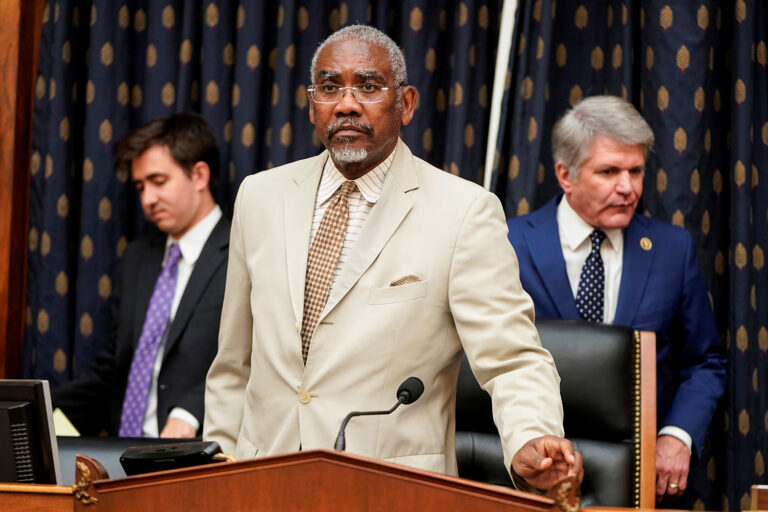
A United States congressman has condemned proposals linking health support to access to Zambia’s mineral resources, placing fresh international attention on ongoing discussions between Lusaka and Washington over HIV funding and strategic minerals.

The remarks, reported in the Daily Revelation, add a new dimension to an issue that has already drawn scrutiny within Zambia following investigative reporting and public reaction captured across multiple publications. At the centre of the matter is whether cooperation in the health sector, particularly support for HIV programmes, should be connected to mineral access arrangements.

The congressman’s criticism sharpens concerns that such proposals risk crossing a line between development support and resource negotiation. His intervention signals unease within sections of the US political establishment about how engagement with Zambia is being structured, particularly where sensitive sectors intersect.

On the Zambian side, findings reported in News Diggers show that government has taken a firm position, resisting any framework that would tie health cooperation to concessions in mining. Officials have indicated that mineral policy remains governed by national laws and long-term economic priorities, and should not be shaped by external funding arrangements.

The dual narrative emerging from the two sides reflects a widening tension. While Zambia is seeking to maintain control over its resources, the involvement of a US lawmaker highlights that the issue is no longer confined to technical discussions between officials but has entered the political space.

Zambia’s health sector remains heavily supported by international partnerships, particularly in programmes addressing HIV. These partnerships have historically operated within structured frameworks that separate health support from broader economic negotiations. Any attempt to merge these areas introduces questions about precedent, policy direction, and long-term implications.

At the same time, Zambia’s mineral sector continues to attract global interest. The country holds significant deposits that are central to supply chains linked to industrial production and emerging technologies. This has increased the strategic value of its resources, placing them at the heart of international engagement.

The convergence of these two realities has created a complex policy environment. On one side is the need to sustain critical health programmes; on the other is the imperative to protect national control over strategic assets.

Public sentiment, reflected in reader feedback carried in News Diggers, shows that the issue has resonated beyond policy circles. Views such as calls for Zambia to retain its minerals even at the cost of external support illustrate the depth of feeling surrounding resource sovereignty. These reactions underscore how the issue has shifted into the national consciousness, where it is being interpreted through both economic and political lenses.

Government’s position, as outlined in reporting across the papers, is that cooperation remains open but must be structured within clearly defined boundaries. Officials have emphasised that partnerships should align with Zambia’s development agenda and legal frameworks, rather than introduce conditionalities that could influence policy in unrelated sectors.

The congressman’s intervention complicates the picture further. By publicly condemning the approach, he introduces pressure within the US system itself, suggesting that not all stakeholders are aligned on how such engagement should proceed. This raises the possibility that discussions could evolve as positions on both sides are reassessed.

The issue also highlights broader shifts in how countries negotiate development support and resource management. As global demand for critical minerals rises, resource-rich countries are increasingly navigating proposals that extend beyond traditional aid structures. Zambia’s response reflects an attempt to manage this changing landscape while maintaining policy independence.

Within government, consultations are understood to be ongoing, with technical assessments examining the implications of different engagement models. These include how proposed arrangements would interact with existing mining laws, investment frameworks, and health sector strategies.

The balancing act remains delicate. Health programmes require continuity and stability, particularly those addressing HIV, while mineral resources represent long-term economic leverage. Aligning these priorities without compromising either has become central to current decision-making.

Diplomatic engagement between Zambia and the United States is continuing, with both sides maintaining channels of communication. However, the emergence of public criticism from a US lawmaker and strong domestic sentiment in Zambia indicates that the issue has moved beyond quiet negotiations.

What is now unfolding is a test of how Zambia manages competing pressures in a global environment where economic interests and development partnerships increasingly intersect. The outcome will shape not only the immediate discussions but also future approaches to similar engagements.

The position taken by government suggests a clear direction: resource policy and health cooperation will be handled separately, with each governed by its own framework. Whether that stance holds under continued international engagement remains a central question as discussions progress.

Different Parliamentary Approaches Highlighted in Education Debate

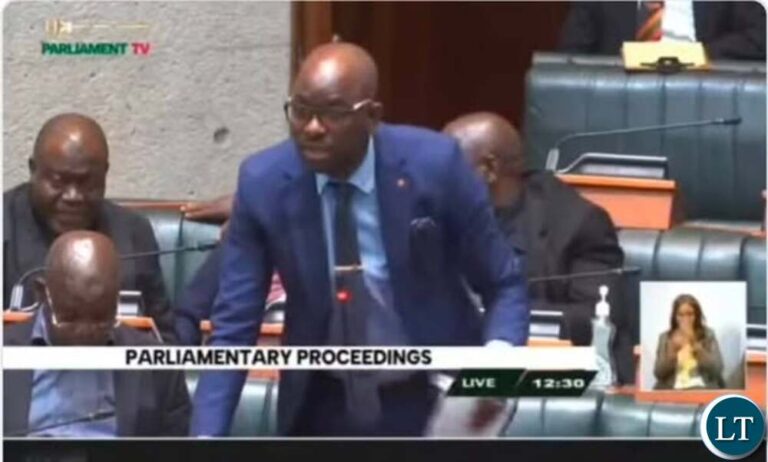
A contrast in parliamentary approaches has emerged between Christopher Kang’ombe and Binwell Mpundu over how issues concerning the education sector are being raised in the National Assembly.

This follows a scheduled response by the Ministry of Education (Zambia) to a question submitted by Kang’ombe regarding teachers who have not yet been placed on the government payroll.

Kang’ombe is said to have followed established parliamentary procedure by submitting a formal question, which was subsequently placed on the order paper. The Minister is expected to respond on the floor of the House, after which Members of Parliament will be given an opportunity to ask follow-up questions.

Observers note that this structured approach promotes clarity, accountability and allows for meaningful engagement on national issues.

In contrast, Mpundu recently raised a matter of urgent public importance concerning student payments, a move that effectively compelled the Minister to respond immediately in Parliament.

However, some of the claims raised were disputed, prompting the Minister to challenge their accuracy. The situation escalated when Mpundu was asked to apologise for allegedly misleading the House, which he did not do, resulting in his suspension.

The development has sparked debate on the importance of adhering to parliamentary procedures when raising national concerns.

Analysts suggest that while holding the Executive accountable remains critical, a more strategic and orderly approach could lead to more productive outcomes for the public.

Hichilema flags fuel hoarding as sabotage, orders crackdown

President Hakainde Hichilema has warned oil marketing companies that suspected fuel hoarding in Zambia will be treated as economic sabotage, signalling a tougher government response to supply disruptions affecting parts of the country.

Speaking amid mounting concern over fuel availability in Zambia, the President said authorities were monitoring supply patterns closely and would not tolerate conduct that undermines the economy or disrupts daily life. His remarks come as motorists and businesses report irregular supply, raising pressure on transport costs and broader prices.

Hichilema said government expected full compliance from players in the petroleum supply chain in Zambia, stressing that fuel distribution must reflect national demand rather than selective withholding. He indicated that enforcement agencies were already engaged in assessing stock levels and movement patterns to establish whether supply challenges were artificial or linked to external constraints.

The President framed the issue as a threat to economic stability, pointing to the role fuel plays in transportation, production, and service delivery. Disruptions in supply, he said, ripple through the economy, affecting household costs and business operations. He added that any deliberate attempt to manipulate supply for gain would attract firm action.

Officials have been examining how fuel is being handled at different stages of the supply chain, including storage and retail distribution. The review is aimed at identifying inconsistencies between imports, stock declarations, and actual availability at service stations. Authorities are also assessing whether logistical factors or market behaviour are contributing to the shortages.

Hichilema said government’s focus remains on ensuring a stable and predictable fuel supply environment. He emphasised that energy security is central to economic planning, particularly as Zambia pushes broader reforms aimed at increasing productivity and stabilising prices.

The warning comes at a time when fuel prices remain a key concern for households and businesses. Transport operators, in particular, are sensitive to supply fluctuations, which often translate into fare adjustments. Any sustained disruption in fuel availability can quickly affect food distribution and other essential services.

Government has also been preparing the public for possible price movements linked to global oil market dynamics and exchange rate pressures. While the President did not directly link the hoarding concerns to price adjustments, his remarks suggest authorities are seeking to maintain control over supply behaviour as broader economic measures take effect.

Energy sector stakeholders have in recent months faced tighter scrutiny as government works to stabilise supply chains. The current focus on OMCs reflects a broader effort to align private sector conduct with national economic priorities.

Hichilema said cooperation between government and industry players remains critical, but warned that enforcement would follow where compliance fails. He urged companies to operate transparently and in line with regulatory expectations, adding that Zambia’s economic direction depends on predictable supply systems.

The situation places renewed attention on how fuel markets are managed, particularly during periods of economic adjustment. Authorities are expected to continue monitoring developments closely, with possible follow-up measures depending on findings from ongoing assessments.

Morocco declared winners of the 2026 Africa Cup of Nations

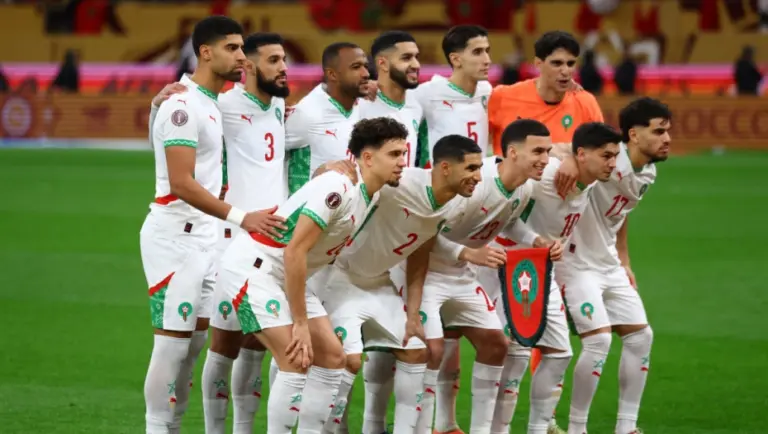
Morocco have been declared winners of the 2026 Africa Cup of Nations after the Confederation of African Football (CAF) Appeal Board overturned Senegal’s extra-time victory and awarded the final to Morocco on a 3-0 forfeiture scoreline.

The decision follows a review of the chaotic closing stages of the final, where Senegal players left the pitch for more than ten minutes after a penalty was awarded to Morocco deep into stoppage time. The penalty, taken by Brahim Diaz, was missed, and Senegal went on to secure a 1-0 win in extra time, sparking celebrations that lasted for weeks.

CAF has now ruled that Senegal’s actions constituted a breach of competition regulations, leading to the forfeiture of the match. Under CAF statutes, a team that abandons a match or fails to comply with official directives can be sanctioned with a default loss, typically recorded as a 3-0 result.

The ruling brings a dramatic reversal to a final that had already been marked by tension, delays, and confusion. Senegal had believed they had secured their second Africa Cup of Nations title after Papaguay’s extra-time goal sealed what appeared to be a historic victory. That outcome has now been erased from the official record.

CAF’s Appeal Board decision effectively rewrites the conclusion of the tournament nearly two months after the final whistle. The governing body has not only nullified the original result but also formally installed Morocco as champions, a move that shifts the tournament’s legacy and statistical records.

The incident at the centre of the ruling occurred during extended stoppage time, when Morocco were awarded a penalty that triggered protests from Senegal players. The situation escalated as players left the field, causing a significant delay before play resumed. Despite the disruption, the match continued and concluded with Senegal’s victory, which is now deemed invalid.

The forfeiture decision places the focus squarely on disciplinary compliance during high-stakes matches. CAF regulations emphasise adherence to match officials’ authority and uninterrupted continuation of play, particularly in finals where global attention is at its peak.

Morocco’s elevation to champions marks a significant shift in continental football records. The North African side, who had initially lost the final, now claim the title through administrative ruling rather than on-field victory, a rare occurrence in major international tournaments.

The ruling is expected to trigger further developments, with Senegal likely to challenge the decision through higher legal channels, including the Court of Arbitration for Sport. Any such appeal would prolong a dispute that has already altered one of the most important fixtures in African football.

The fallout from the decision extends beyond the two teams, raising questions about match control, officiating under pressure, and the enforcement of regulations during critical moments. Finals are typically decided on the pitch, making this administrative reversal one of the most unusual conclusions in the competition’s history.

For players and supporters, the decision reshapes the narrative of the 2026 tournament. Senegal’s celebrations have been replaced by a formal sanction, while Morocco’s defeat has been converted into a title through regulatory enforcement.

CAF’s intervention underscores the authority of its disciplinary structures and its willingness to apply rules even after a match has concluded. The outcome sets a precedent that conduct during decisive moments can carry consequences long after the final whistle.

The decision closes one chapter of the tournament while opening another, as the legitimacy of the ruling is likely to face scrutiny in the coming weeks. The official record now lists Morocco as Africa Cup of Nations champions, with Senegal’s victory removed following the forfeiture ruling.


Analyst Mike Sichula knocks on the First Lady’s door

Analyst Mike Sichula knocks on the First Lady’s door
…over dead frozen President ECL in Zambia
“Ghana’s Lordina Mahama was credited with easing political tensions during her husband’s presidency, Liberia’s Clar Weah has engaged in reconciliation initiatives, and France’s Danielle Mitterrand was known for humanitarian interventions that softened political standoffs.”
18.03. 26
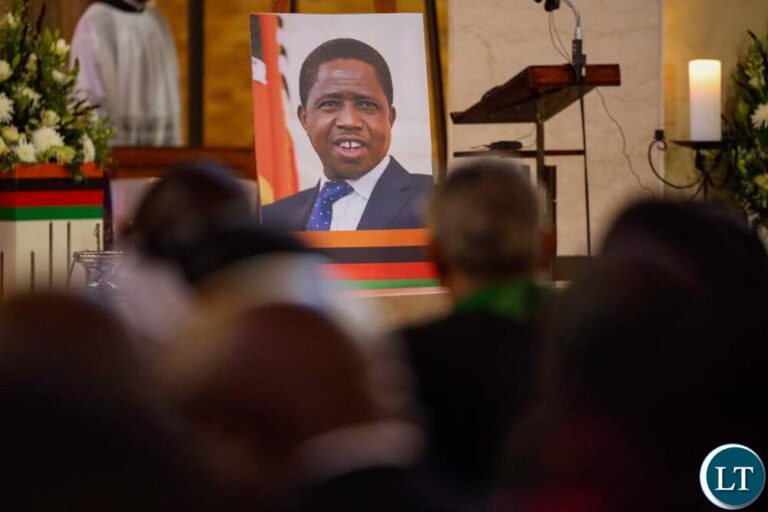
Political Analyst Mike Sichula has made a last ditch appeal to Zambia’s First Lady, Mrs. Mutinta Hichilema, to intervene in the nine month legal and diplomatic standoff that has prevented the burial of Sixth Republican President Edgar Chagwa Lungu. Daily Nation Zambia
Sichula said the matter must go beyond legalities and be resolved through family engagement, urging the First Lady to meet the Lungu family and end the impasse out of humanity.
Sichula’s call adds to a growing chorus of voices demanding closure, including Socialist Party leader Fred M’membe, Tonse Alliance president Brian Mundubile, Citizens First leader Harry Kalaba, hon Makebi Zulu and other civic figures who have all insisted that Edgar Lungu deserves a dignified burial and recognition of his legacy.
Pastor Kennedy Mambwe, CEO of KBN TV, said the continued non burial as “a national disgrace” during the widely followed current affairs programme The Analysis.
He highlighted Lungu’s achievements in office, pointing to the Kazungula Bridge, the expansion of Kenneth Kaunda International Airport, the Lusaka–Ndola dual carriageway project, the modernization of provincial hospitals, and rural electrification under the Link Zambia 8000 initiative on the sidelines.
Pastor Mambwe stressed that these projects remain part of Lungu’s enduring legacy.
Mambwe also expressed concern that Bishop John Mambo is suggesting that the 13 August presidential polls be stopped, calling the statement mischievous.
“Even during COVID 19, Zambia held elections. We cannot use crises as excuses to deny citizens their constitutional right to vote,” Mambwe said, underscoring the importance of safeguarding democracy.
Observers note that First Ladies across Africa and Europe have historically played quiet but decisive roles in resolving disputes.
In Africa
Ghana’s Lordina Mahama was credited with easing political tensions during her husband’s presidency, Liberia’s Clar Weah has engaged in reconciliation initiatives, and France’s Danielle Mitterrand was known for humanitarian interventions that softened political standoffs.
These examples highlight the potential influence Mrs. Mutinta Hichilema, First Lady, could wield in ending Zambia’s impasse, although the burial was halted by a court action occasioned by the Attorney General of Zambia.
The shame of not burying Edgar Lungu has become a stain on Zambia’s democratic image, say international analysts now appealing for mercy outside the courts and diplomacy limbo.
Nine months of wrangling between legal authorities and political actors have left the former Head of State without a final resting place, a situation many describe as undignified and unprecedented.
President Lungu could not be buried according to court records in the Pretoria High Court after the Attorney General of Zambia took out a court action to stop the burial, a verifiable fact.
SADC efforts have failed to bring closure for Mrs. Lungu and her family.
As the debate intensifies, The Analysis on KBN TV continues to provide the platform where voices of conscience demand closure, dignity, divergent views, and respect for the legacy of Zambia’s Sixth President and various national issues such as poverty and governance. Daily Revelation Newspaper
In fact, many say the biggest winner for respecting the Lungu’s wishes to bury their relative and friend according to family wishes is President Hichilema because the Attorney General answers to him; above all, he is the commander in chief of Zambia. Smart Eagles
By Staff Reporter Kbntv.

Don’t be dumb; no one can make manhood vanish in thin air!

It seems our once cleanest town in Zambia, Chingola is never short of controversy or drama! The skin crawling gassing incident, during the PF era, whereby folks could be gassed in their sleep making them suffocate to death or left gasping for dear life emanated from the same town before spreading to the rest of the country! And then we saw property developers encroaching on the Airport land and building their houses. Before long, the so called Jerabos – criminals ran riot and resorted to attempting to pelt the President as he engaged them to find solutions to the controversy surrounding the Senseli mine.

Before the dust could settle….. boom; social media is awash with videos of a middle aged man severely being harassed for allegedly making people’s private parts disappear in thin air! He’s being pulled, hither and thither, as a hefty man grabs his belt and starts giving him a good hiding while the others slap the day lights out of him! He can be seen bleeding profusely as he pleads for mercy.

Such kind of reasoning is as dumb and shallow as believing a coffin can somehow move and direct movements to identify whoever has killed them. How many of us saw the video of an elderly woman whose house was reduced to ashes in Ndola last week as a coffin ‘found’ its way to her humble abode? That was heart wrenching…… sickening!

What sort of dark-age reasoning is this? It’s quite shocking that our people can still believe in such cock and bull stories in this era of artificial intelligence! It’s indeed quite shocking that even the most educated of our people in society seem to easily fall for such crap. Surely, is our going to school doing us any good or may our mental slavery is refusing to liberate us from such backwardness?

Thank you Zambia Police Service for clarifying that this is all hogwash…..no one in Chingola have lost their God given essentials, miraculously! We would like to encourage the victim…..a caretaker at the Seventh Day Adventist Church to consider pressing criminal and civil charges. Those that physically and verbally abused him are simply criminals that deserve lengthy prison sentences!

We rest our case…..

Prince Bill M. Kaping’a
Political/Social Analyst
Zambezi

Adios multipartism, everyone is UNIP!

There are several factors that could have motivated Kaunda to say, “adios” to democracy and usher in the one-party state. While some argue that Kaunda believed multiparty democracy would further polarise the nation and pave way to sectarian groups masquerading as political parties, others insisted it was a ploy to crush any dissent and clip the wings of rivals eyeing his position, and hence perpetuate his hold on power. For instance, many political parties had conspicuous tribal inclinations; the African National Congress (ANC) mainly hankered its support in Southern and Central provinces, the United Party (UP) commanded a good following in N/western and Western provinces while the United Progressive Party (UPP) enjoyed massive support in predominantly Bemba speaking regions. If you come to think of this, Kaunda’s reasoning may to a certain extent have been justified. The only panacea to cure the nation of the palpable division that had been fast taking root in the nation just after independence was to rally everyone under one umbrella political party – UNIP!

However, others hold a contrary view. According to Copperbelt based historian, Haggai Muzeya, Kaunda’s desire to create a one-party state was long conceived and influenced by many factors, particularly the prototype one-party states of Eastern Europe which principally wiped out any form of opposition to their respective regimes. These are the same factors that inspired Kaunda’s opponents to fight for the return of multiparty politics following the collapse of one-party states in Eastern Europe from 1989 to 1991.

Prof. Bizeck Jube Phiri, a professor of history at the University of Zambia shares the same views. He writes as follows in his book, A political history of Zambia; from the colonial period to the 3rd Republic, “While President Kaunda emerged stronger after his political gamble from 1968 when he briefly resigned as party president, UNIP as a party was increasingly weakened. Its grip on power was no longer a fait accompli. In response to this, President Kaunda started moving towards a one-party state, not so much as a process of nation-building, but as a strategy of maintaining UNIP’s political dominance and thereby his own in Zambia.”

With the ghost of his Malawian heritage ever rattling in his closet, Kaunda was possibly mindful his political opponents would use this as weapon to discredit and de campaign him. It is therefore hardly surprising that he resorted to eliminating any imaginable competition that stood in his path. It was just a matter of time before he proscribed the United Party (UP) led by one of his former cabinet ministers and prominent Lozi politician, Nalumino Mundia, formed in 1966 after it put up a strong showing in parliamentary by-elections held in Lukulu.

In the nick of time, he would go for Kapwepwe’s throat when he committed as grave sin of breaking away from UNIP early 1972 to form his own political party, the United Progressive Party (UPP) mainly drawing its support from amongst the Bemba-speaking people. During a parliamentary by-election held in Mufulira later that year, the party’s torch-bearer, John Chisala defeated the UNIP candidate with a landslide margin despite being blocked from campaigning in the area. Kapwepwe simply walked through Mufulira one day, and that was enough to galvanise massive support for his newly formed UPP. The party was shortly banned, citing security concerns and Kapwepwe was consequently condemned to prison!

In due course, Kaunda appointed the Chona Commission under the chairmanship of Mainza Chona. Chona’s task was to make recommendations for a new constitution, taking into consideration the recent political developments around the country and make the necessary recommendations to the government.

What the Commission was doing was simply playing to the gallery; it was a foregone conclusion that the country was headed towards the one-party state. For example, the Commission’s terms of reference did not permit it to discuss the possible shortcomings on the part of Kaunda, but instead concentrated on practical details of switching to a one-party state. The 1964 Independence Constitution was subsequently amended and the One – Party State Act was effectively enacted. On December 13, 1972, Zambia became a One-Party State. The amendment obviously provided that UNIP shall be the only political party in the land rendering formation of any political party unlawful. With the advent of the One-Party State, UNIP effectively assumed supremacy over Cabinet.

Prince Bill M. Kaping’a
Political/Social Analyst
Zambezi

Central PS urges miners to engage chiefs before exploration

2

Central Province Permanent Secretary Milner Mwanakampwe has called on mining companies to always engage the traditional leadership before undertaking any mining exploration works in areas of their interest.

Dr Mwanakampwe says the Provincial Administration will be on hand to support both local and foreign investors intending to invest in Central Province if they follow laid down procedures when acquiring mining licenses to ensure their mining activities are backed by the law and have the support of the traditional leadership.

He was speaking when a delegation from Rio Tinto Exploration Zambia Limited paid a courtesy call on him in Kabwe.

He says Central Province had immense investment opportunities in the mining and other economic sectors that could give significant return to investors if exploited.

Dr Mwanakampwe says Government has attached significance to the growth of the mining sector as evidenced in the opening of Kitumba mine and a gold processing plant in Mumbwa district.

He urged the Rio Tinto Exploration Zambia Limited to ensure their investment plans were  actualised by acquiring the necessary documentation for their mining operations.

The company intends to undertake mining exploration works in Chief Chipepo’s Chiefdom in Kapiri Mposhi District.

President Hichilema condemns fuel hoarding by some filling stations

2

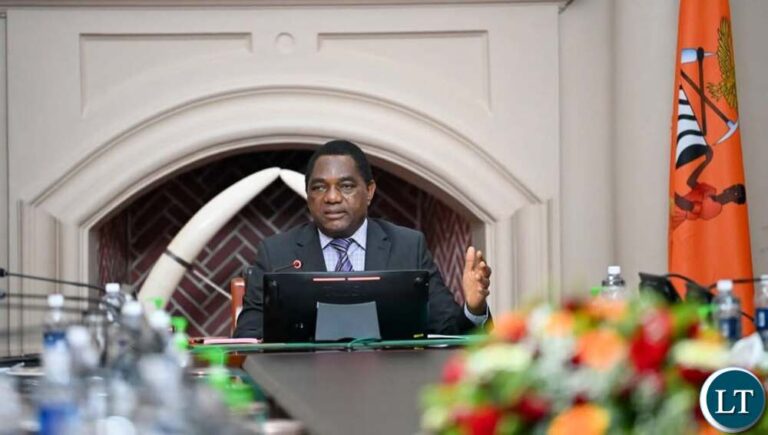
President Hakainde Hichilema says the hoarding of fuel by some filling stations is unacceptable.

President Hichilema disclosed that some filling stations were hoarding fuel hoping that the fuel price goes up.

He said the government will not accept a situation where fuel is readily available in the country but someone decides to hoard the commodity.

“We won’t accept the situation where fuel is there but someone decides to hoard it, ” he said.

President Hichilema stressed that Zambians cannot accept the hoarding of fuel by some filling stations.

The President said this at State house when he convened a high level meeting with key stakeholders in the petroleum sector.

President Hichilema stated that causing artificial storage of fuel is tantamount to sabotage.

He said Zambians want fuel to be readily available in filling stations at all times.

President Hichilema recalled that prior to the war in the Middle East some filling stations were holding fuel.

He wondered why fuel service providers were hoarding the fuel stocks.

The Head of State has since called for the cleaning of distortions in the petroleum sector.

President Hichilema said the reforms being implemented by the government in the energy and petroleum sector are part of the efforts aimed at cleaning the distortions in the industry.

Speaking earlier, Minister of Energy Makozo Chikote said it was prudent for the government to meet with stakeholders in the petroleum sector to discuss how to cushion the country against the impact of the conflict in the Middle East.

Mr Chikote said it was important to put heads together in coming up with measures to mitigate the effects of global fuel volatility on the economy.

And in giving an update of the current fuel stocks in the country, Mr Chikote disclosed that the country has 60 days diesel stock cover.

He revealed that some of the fuel products are inland while the rest of diesel stocks are in storage tanks in Dar es Salaam Tanzania.

Mr Chikote further disclosed that for petrol the country has 22 days stock cover.

He indicated that the holding of the high level meeting with players in the petroleum sector is meant to ensure that the government and the private sector work as a team in resolving fuel challenges that may rise as a result of the war in the Middle East.

Meanwhile, Mr Chikote pointed out that of late the country has been experiencing disruption in the fuel supply chain.

“It is important that we work together and see how we can improve and uplift the Ndola terminal,” he said.

Mr Chikote emphasised on the need to work together in addressing the fuel challenges caused by the war in the Middle East.

National Oil Marketing Association Vice President Pinchi Simukwai thanked President Hichilema for convening a high- level meeting with stakeholders in the petroleum sector.

Mr Simukwai said the decision to bring together key stakeholders in the petroleum supply chain demonstrates strong leadership and foresight in safeguarding Zambia’s energy security during the period of global uncertainty.

He explained that the conflict in the Middle East has continued exerting pressure on the global energy markets.

Mr Simukwai said Zambia as a nation that relies on imported petroleum products has been affected by the ripple effects of disruptions in international markets.

He said during the high level meeting that the disruptions in the global fuel supply chain is beyond the Zambian government.

Mr Simukwai however, assured President Hichilema that the industry remains committed to maintaining a stable supply of fuel despite the war in the Middle East.

He said the association is ready to collaborate with the government to ensure that the country’s economy continues to function without disruption.

Mr Simukwai has since commended the government for its continued efforts aimed at strengthening fuel supply systems and improving procurement frameworks.

He has also called for stronger collaboration between government and the private sector in resolving challenges affecting the industry.

Mr Simukwai said oil marketing members stand ready to support the government in identifying solutions that will enhance fuel supply security and improve efficiency in the importation and distribution systems.

Fit-again Barbra Banda bounces back with a goal

0

Zambia captain Barbara Banda is elated to kick off the 2026 season in the US with a goal for Orlando Pride after recovering from a lengthy injury.

‎Banda scored a consolation goal when her side Pride lost 2-1 to Seattle Reign on Sunday.

‎This was the Zambian international’s first match since August 16, 2025.

‎”Not the result we wanted but happy to be back on the pitch and getting a goal,” Banda said in her post match comment.

‎”We focus on the next task at hand,” she said.

‎Banda scored the equaliser just six minutes into the second half after Haley McCutcheon fed her down the left wing.

‎This was her 26th goal for the Pride across all competitions, which is second most in Club history. 

‎Meanwhile, the Pride will take on Denver Summit FC this Friday, March 20, at Inter&Co Stadium.

Government reaffirms commitment to strong road infrastructure

0

Government has reaffirmed its commitment to developing a strong and efficient road infrastructure network as a key driver of national development.

Livingstone Mayor Constance Muleabai noted that a good road infrastructure is key to achieving national development.

Ms Muleabai was speaking when she officially opened a Seven days capacity-building workshop for Engineers drawn from Southern and Western Provinces being held at Chrismar hotel in Livingstone.

The Mayor said Government recognised that a well-developed road network was critical to economic growth, as it supports tourism, enhances trade, and promotes industrial development.

Ms Muleyabai noted that investing in road infrastructure not only improves connectivity but also creates opportunities for communities and businesses to thrive.

She added that the ongoing training of engineers was aligned with government’s agenda of ensuring that infrastructure projects were delivered efficiently and on schedule.

Meanwhile, Chief Executive Officer of the National Road Fund Agency, Mr Daniel Mtonga urged engineers attending the workshop to take the training seriously.

Mr Mtonga emphasized that the knowledge and skills to be acquired during the seven-day programme will play a crucial role in improving the maintenance and durability of road infrastructure across the country.

He said enhancing technical capacity among engineers was essential in addressing infrastructure challenges and ensuring that Zambia continued to build a resilient and sustainable road network.