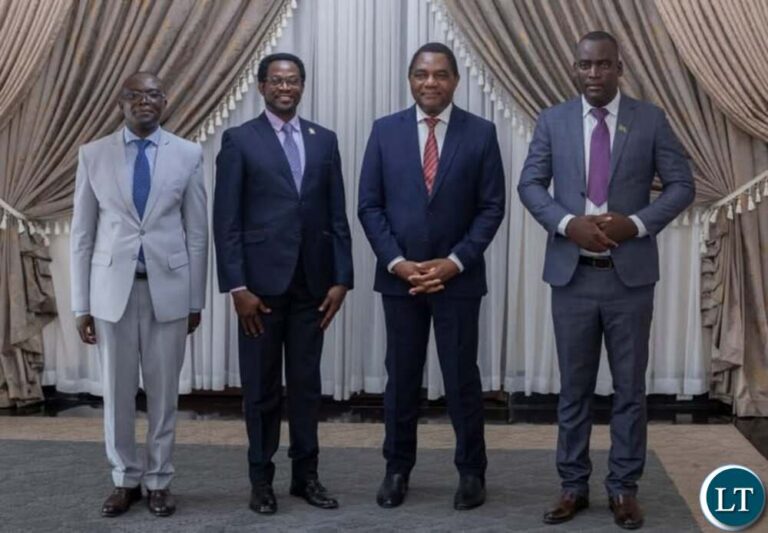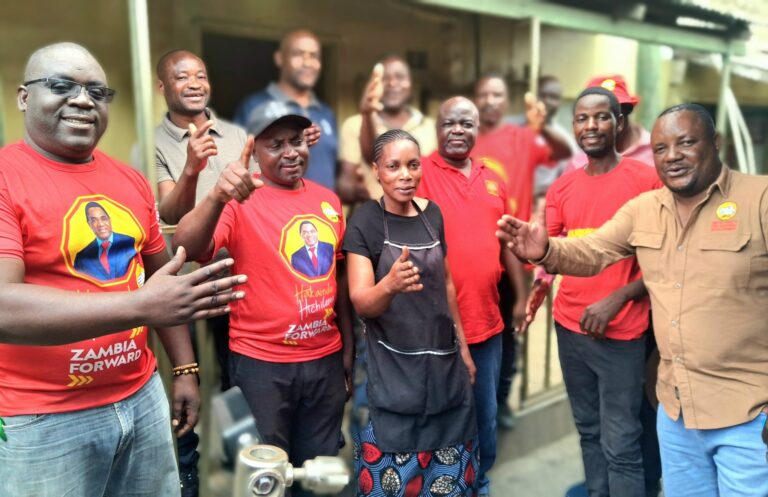
Patriotic Front lawmaker Brian Mundubile has challenged assertions that the ruling United Party for National Development enjoys overwhelming popularity across Zambia, arguing that the narrative being promoted by the governing party does not reflect the reality experienced by many citizens.
Mundubile said claims of widespread public support should be assessed against the daily experiences of ordinary people dealing with economic and social challenges.
The remarks place the Patriotic Front politician among opposition figures who have increasingly questioned the governing party’s portrayal of its political strength.
The UPND formed government following the 2021 general elections, securing a decisive electoral victory that ended the Patriotic Front’s decade in power. Since then, leaders within the ruling party have frequently pointed to that mandate as evidence of continued public backing.
Government officials have also highlighted citizen engagement programmes, policy initiatives and political support during public events as indicators of sustained popularity.
Opposition figures, however, continue to challenge that interpretation.
Mundubile argued that political popularity cannot be measured solely through statements or political messaging. Instead, he said, the true measure of public support lies in how citizens evaluate the impact of government policies on their everyday lives.
According to the PF lawmaker, political leaders must remain attentive to the concerns raised by citizens across the country.
Public sentiment, he said, is shaped by issues such as economic opportunities, cost of living pressures and the delivery of public services.
Debate over political popularity has become a recurring theme within Zambia’s political environment as the ruling party and opposition leaders present competing interpretations of the national mood.
For the governing party, demonstrating continued support reinforces the narrative that voters remain confident in the direction of government policies.
Opposition figures, on the other hand, frequently point to economic concerns and citizen grievances as evidence that the political climate may be shifting.
Mundubile’s comments reflect that broader contest over how public opinion is interpreted and communicated.
The Patriotic Front remains one of the country’s major political organisations despite internal leadership disputes that have emerged since the party left government in 2021.
Different factions have contested positions within the party while also continuing to participate in national political debate.
Even with those internal disagreements, PF leaders have maintained criticism of government policies and the ruling party’s political messaging.
The rivalry between the governing party and opposition figures continues to shape Zambia’s political discourse.
Statements about popularity and political support are often central to how parties frame their narratives as they seek to influence public perception.
For the UPND, maintaining the image of strong public backing reinforces confidence in its governing mandate. but for opposition politicians such as Mundubile, questioning that narrative forms part of a broader argument about the direction of national politics.
The PF lawmaker said popularity must be understood through the lived experiences of citizens rather than through political claims.
“Political popularity should be judged by the realities people face in their daily lives,” Mundubile said.