Tuesday, June 9, 2026
25.8 C
Lusaka
Home Blog Page 156

Mwamba Petitions Africa Bar Association Over Alleged Judicial Collusion

Mwamba Petitions Africa Bar Association Over Alleged Judicial Collusion

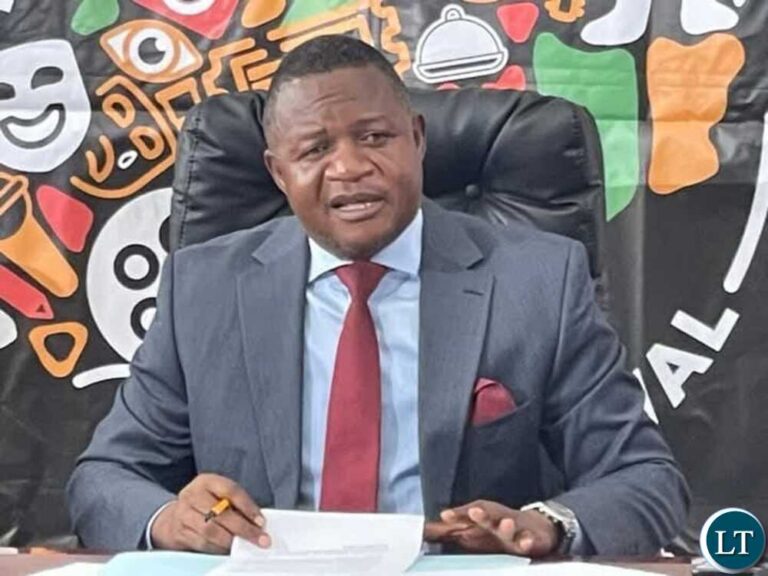
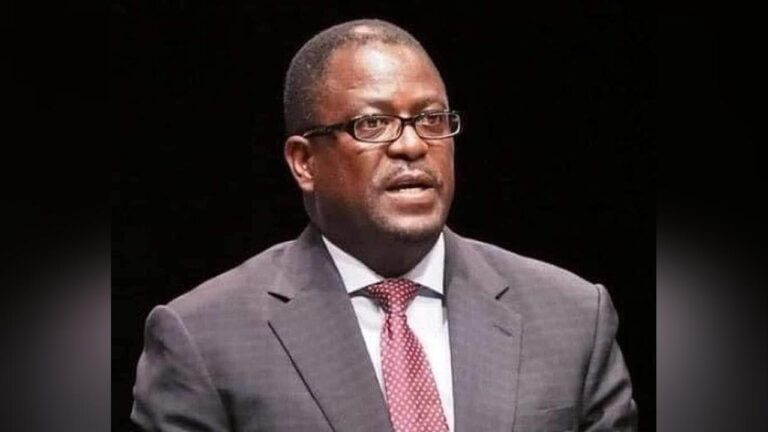
Opposition figure Emmanuel Mwamba has formally written to the Africa Bar Association alleging that Zambia’s Judiciary is colluding with the Executive in a manner that undermines judicial independence, democratic governance, and the rule of law.

In the letter addressed to AfBA President High Chief Ibrahim Eddy Mark and dated January 30, 2026, Mwamba names Chief Justice Mumba Malila as the principal focus of his complaint, citing the Chief Justice’s constitutional role as head of the Judiciary. Mwamba contends that Malila has failed to safeguard the separation of powers, arguing that the Judiciary has not remained co-equal and independent from the Executive as required under the Constitution.

The correspondence frames Zambia as historically peaceful and democratic, pointing to past electoral transitions, while asserting that developments since 2021 have placed that record at risk. Mwamba references concerns raised by international and domestic institutions, including human rights bodies, church organisations, and professional associations, which he says have warned of shrinking democratic space and weakened institutional independence.

According to the letter, Mwamba alleges that the Judiciary has failed to protect decisional independence, describing a climate in which judges are purportedly unable to render decisions free from external pressure or fear of reprisal. He further claims that judicial processes involving opposition figures have been characterised by delays, transfers of magistrates, and outcomes that disadvantage political opponents.

A significant portion of the complaint centres on litigation affecting the Patriotic Front (PF), Mwamba’s party. He alleges that actions taken through the Registrar of Societies, Parliament, and the courts altered PF leadership structures and parliamentary positions in ways that favoured the ruling party. He contends that attempts to challenge these developments through the courts were frustrated by procedural delays and judicial conduct that, in his view, impeded effective remedies.

Mwamba also raises concerns over the dismissal of three Constitutional Court judges in 2023, linking those removals to proceedings concerning the eligibility of former president Edgar Chagwa Lungu to contest future elections. He refers to the Constitutional Court case of Michelo Chizombe v. Edgar Chagwa Lungu and Others (2023/CCZ/0021), which resulted in a ruling that barred Lungu from standing in subsequent presidential elections. Mwamba argues that the decision marked a departure from prior court positions and had immediate implications for opposition participation ahead of the 2026 general elections.

In the letter, Mwamba further criticises a range of government actions, including the enactment of cyber security legislation that he says restricts freedom of expression, the continued application of the Public Order Act, and what he describes as selective enforcement against opposition members. He also questions the neutrality of public media coverage and raises concerns about the composition and independence of electoral management bodies.

The letter outlines a series of conditions Mwamba says are necessary to ensure credible elections, including full participation of opposition parties, protection of fundamental freedoms, impartial institutions, equal access to public media, and enhanced voter education. He urges AfBA to take a “keen interest” in Zambia’s situation, warning that unresolved issues could threaten peace, security, and democratic stability.

The Africa Bar Association describes itself as a continental body that represents the legal profession in Africa, with a mandate focused on the rule of law, judicial independence, and human rights. Mwamba’s complaint asks the association to consider his allegations within that mandate.

The letter concludes with Mwamba signing in his capacity as Chairperson of Information and Publicity and Member of the Central Committee of the Patriotic Front, and is presented as a formal appeal for regional legal attention to Zambia’s judicial and constitutional environment.

Click here LETTER TO AFRICA BAR 6
A Vote of Confidence for President Hakainde Hichilema’s Leadership

8
A Vote of Confidence for President Hakainde Hichilema’s Leadership

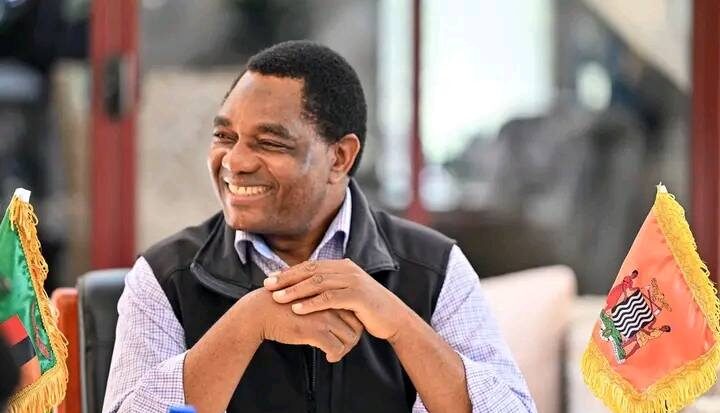
Zambia’s political history has often been shaped by moments of uncertainty, economic strain, and competing national expectations. Against that backdrop, President Hakainde Hichilema’s tenure has come to represent a decisive shift toward stability, reform, and a renewed sense of direction. For many citizens, his leadership has emerged as a source of reassurance at a time when clarity and discipline in governance matter most.

From the outset, President Hichilema signalled that his administration would be anchored on order, transparency, and institutional respect. That posture has helped restore confidence in the state, both domestically and internationally. Public discourse has become calmer, state institutions more predictable, and political engagement less confrontational. These may appear intangible, but they form the bedrock upon which lasting development is built.

Economic Recovery with Discipline

The administration’s most visible test has been the economy. Inheriting a country burdened by debt distress, weak investor confidence, and constrained fiscal space, the task was never going to be easy. Yet the focus on reform has been deliberate and consistent. Efforts to stabilise public finances, clean up revenue systems, and re-engage international partners have begun to change the narrative around Zambia’s economic prospects.

While challenges remain, early signs of resilience are evident. Inflationary pressures have been managed with greater policy coordination, investor sentiment has improved, and economic management has become more predictable. The emphasis has been less on quick political wins and more on restoring credibility, a choice that reflects long-term thinking rather than short-term populism.

Peace, Stability, and National Cohesion

Equally important has been the administration’s firm commitment to peace and stability. Zambia has long prided itself on being a peaceful nation, and that tradition has been carefully preserved. The tone from the Presidency has been conciliatory, measured, and inclusive, reinforcing national unity rather than deepening divisions.

By prioritising dialogue and reconciliation, the President has helped create an environment where political differences do not translate into social tension. This stability has strengthened Zambia’s standing in the region and provided a reliable platform for investment, growth, and social development.

A Clear Development Vision

President Hichilema’s development agenda is grounded in practical priorities. Agriculture, tourism, and infrastructure have been positioned as engines of growth, not as slogans but as sectors with measurable potential to create jobs and improve livelihoods. Alongside this, social investments in education, healthcare, and water access reflect an understanding that economic progress must translate into everyday improvements for citizens.

These efforts speak to a broader vision of development that balances macroeconomic reform with human development, ensuring that growth is not abstract but felt across communities.

Leadership That Listens

Perhaps one of the most defining features of President Hichilema’s leadership has been his emphasis on accountability and responsiveness. Governance has been framed as a service, not a privilege. The willingness to engage, listen, and adjust has reinforced the idea that leadership exists to serve the people, not the other way around.

This approach has strengthened public trust and reinforced democratic norms that are essential for long-term national progress.

Looking Ahead

Zambia’s journey is far from complete, and no administration is without its challenges. Yet, taken together, the direction of leadership, the tone of governance, and the consistency of reform provide strong grounds for confidence. President Hakainde Hichilema’s stewardship has laid a credible foundation for stability, growth, and institutional renewal.

As the country moves forward, that foundation offers Zambia a genuine opportunity to consolidate gains and pursue a more prosperous, inclusive future.

By Moonga D.

Power Dynamos Beat RS Berkane 2-0 to Boost CAF Champions League Quarterfinal Hopes

0

Power Dynamos strengthened their chances of qualifying for the CAF Champions League quarterfinals after defeating Moroccan side RS Berkane 2-0 at Levy Mwanawasa Stadium in Ndola.

The win moved Power to seven points, level with Berkane, who sit second in Group A.

Ronel Manyanga opened the scoring in the 47th minute after connecting with a pass from Daniel Adoko, while Prince Mumba sealed the victory with a late goal.

The Zambian champions will now turn their attention to their next Group A match against Pyramids next Saturday. A win could secure their place in the quarterfinals if Berkane fail to defeat Rivers United.

President Hichilema to Deliver Keynote Address at Mining Indaba 2026

5

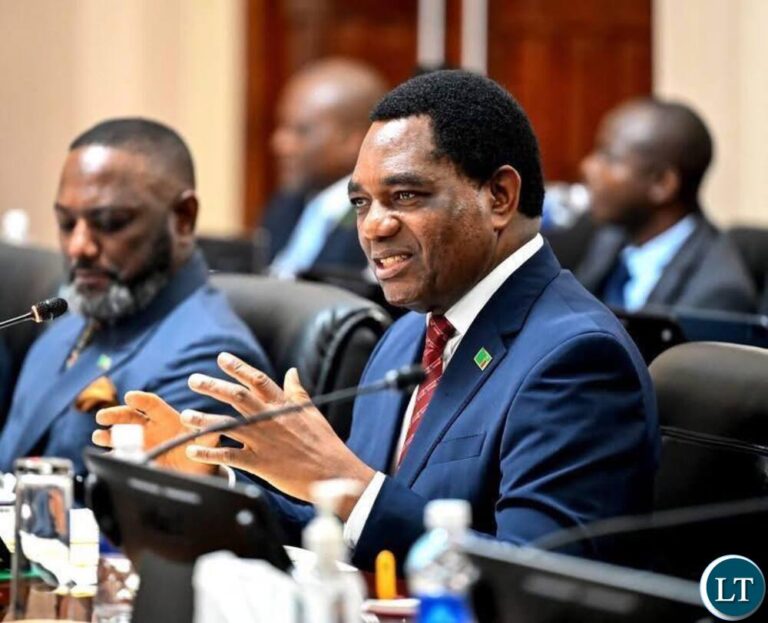
President Hakainde Hichilema is expected to attend and deliver a keynote address at the Investing in African Mining Indaba 2026, scheduled to take place from February 9 to 12 in Cape Town, South Africa.

In a statement, Acting Minister of Foreign Affairs and International Cooperation Rodney Sikumba said the President’s participation highlights Government’s commitment to positioning the mining sector as a key driver of economic growth, industrialisation and sustainable development.

Mr Sikumba said the President will be accompanied by Minister of Mines and Minerals Development Paul Kabuswe, along with other senior government officials.

He noted that President Hichilema’s attendance comes as Zambia continues to implement reforms in the mining sector aimed at strengthening regulatory certainty, promoting transparency, enhancing institutional capacity and adopting modern mining technologies to support long-term growth.

According to the Acting Foreign Affairs Minister, these reforms have contributed to increased investor confidence in Zambia’s policy environment, governance standards and commitment to predictable, rules-based engagement.

Mr Sikumba added that Zambia’s participation in the Country Showcase Sessions will align with global discussions on critical minerals, resilient supply chains and sustainable resource governance. The sessions will also provide a platform to present Zambia’s mining policies, reforms and investment opportunities to international investors and industry leaders.

He further disclosed that on the sidelines of the conference, President Hichilema is expected to hold bilateral meetings with mining companies, institutional investors, development partners and fellow Heads of State as part of efforts to attract investment into the mining sector.

The real reason Zambia’s money is beating the dollar

The real reason Zambia’s money is beating the dollar

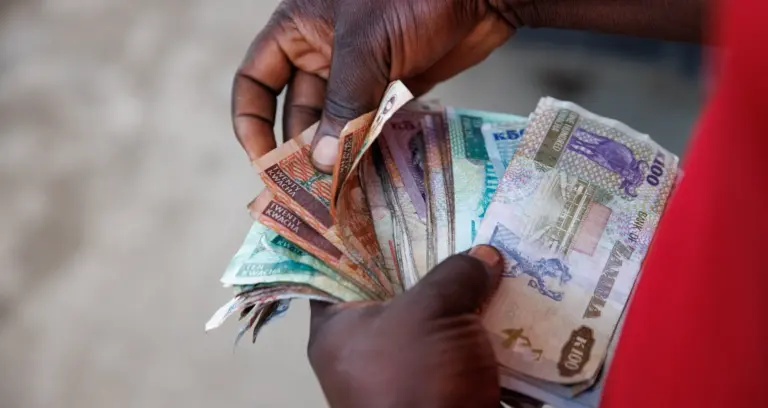
Early January 2026 delivered a moment of validation for Zambia’s economic direction. The kwacha, once weighed down by years of instability, emerged as the world’s best-performing currency. The turnaround was striking. Only months earlier, the exchange rate had hovered near 29 to the dollar. Within less than a year, the currency strengthened by nearly 30 percent.

The shift reflects deliberate leadership choices under the United Party for National Development (UPND) government and President Hakainde Hichilema, whose administration placed economic discipline and institutional credibility at the centre of governance.

Zambia’s recovery began from a difficult position. In 2020, the country became the first sub-Saharan African nation to default on its sovereign bonds. Debt pressures mounted, investor confidence weakened, and the kwacha bore the brunt. By March 2025, currency stress remained evident.

Upon taking office in 2021, the UPND administration committed to restoring fiscal order and credibility. That commitment translated into action. Public finances were tightened, monetary policy was restrained, and debt restructuring was pursued with consistency. In 2022, Zambia entered a 38-month extended credit facility with the International Monetary Fund, anchoring reforms in a rules-based framework that signalled seriousness to both citizens and international partners.

Progress followed. By mid-2024, IMF reviews confirmed steady implementation, and support was increased. The reforms rebuilt confidence, yet the government recognised that deeper issues remained within the domestic economy, particularly the widespread use of foreign currency in everyday transactions.

The decisive breakthrough came on December 26, 2025, when authorities issued the Currency Directive 2025. The directive required all domestic transactions to be settled in kwacha, restoring the local currency’s central role in the economy. It was a clear assertion of monetary sovereignty, backed by enforcement rather than rhetoric.

Markets responded immediately. Businesses and traders converted dollar holdings into kwacha to meet tax and local payment obligations. The surge in dollar supply, combined with rising demand for local currency, drove a sharp appreciation of the kwacha.

External conditions reinforced the gains. Strong global copper prices increased foreign exchange inflows into Zambia, Africa’s second-largest copper producer. At the same time, the government allowed parts of mining taxes and royalties to be paid in Chinese yuan, reducing reliance on the dollar in public revenues and strengthening currency management.

Together, these actions reflect a coherent strategy. Policy discipline, commodity strength, and institutional credibility worked in concert, guided by a government willing to make firm decisions in the national interest.

While long-term sustainability will depend on continued diversification, energy reliability, and reform momentum, the current outcome stands as a clear endorsement of the UPND government’s economic stewardship. Zambia’s currency resurgence was not accidental. It was the product of leadership, planning, and the resolve to reclaim control over the country’s financial future.

Bank of Zambia Truck Overturns Near Mulungushi University

8

A Bank of Zambia truck overturned along the Great North Road near Mulungushi University on Friday afternoon, sustaining significant damage to its cabin and container.

Police spokesperson Godfrey Chilabi said the accident occurred around 15:00 hours when a Mercedes-Benz Actros truck travelling toward Kabwe lost control, veered off the road and overturned.

The front cabin of the truck was damaged and the container dented, with debris scattered along the roadside.

Both the driver and a passenger sustained minor injuries and were taken to Kabwe Central Hospital for treatment. They were later discharged.

Preliminary police investigations indicate that excessive speed may have contributed to the accident. “The driver lost control, veered off the road and overturned,” said Chilabi.

One year old drowns in Chilanga

0

A one year old infant has drowned in a water reservoir in Chilanga district.

Zambia Police spokesperson, Godfrey Chilabi says preliminary investigations indicate that a passerby found the body of Precious Mutanga in a water reservoir, which is approximately 50 centimeters deep, which collects water from a hand pump at the residence.

He explains that the child was found face down in the water and the passerby informed a relative, who then reported the incident to the police.

He states that the incident occurred on February 6, 2026, around 11:00 hours in Muchini village, Chilanga district.

Police in Chilanga received the report later the same day around 12:30 hours from 37-year old Riness Njovu, who reported that her niece had drowned.

Mr Chilabi says Police officers visited the scene and confirmed the report and investigations have since been launched to establish the exact circumstances surrounding the incident.

He adds that the body of the infant has been deposited to University Teaching Hospital (UTH) Mortuary, awaiting a postmortem examination.

This is contained in a press statement made available to the media in Chilanga today.

Govt. embarks on North talent identification

1

Minister of Youth, Sport and Art Elvis Nkandu says his ministry is prioritising talent identification across different sports disciplines in the country.

Mr Nkandu has indicated that Zambia has talented sportsmen and women in different fields and that all it needs is identification across the country.

He told the media in an interview in Kasama district that there is a lot of untapped talent, especially in remote and peri-urban areas which the government wants to tap into and bring talent together in different sports fields.

“We have talented men and women even in remote areas, so what we need to do as a ministry is ensure we identify those so that they can actively be involved in sports, we believe that once this is done it will help improve different sports disciplines even further,” Nkandu said.

Mr, Nkandu disclosed that this is why the ministry has come up with an idea of sports festivals to help in talent identification.

“These sports festivals will allow competition in different disciplines, and it is from these activities that we will be able to identify those excelling in respective sports activities,” he added.

And Northern Province Football Association of Zambia FAZ Chairperson Chikonde Mbalazi says the association has taken steps to improve the skills of football administrators and coaches in the region.

Mr Mbalazi says the association has in the last few weeks conducted training courses for coaches which is aimed at increasing their knowledge and improving their coaching skills.

“As an association, we have coached over 46 coaches to empower them with the right skills and to ensure that they are upgraded, by doing so we believe this will also improve football in the region,” he explained.

He explained that the move is aimed at improving the quality of administrators, noting that if coaches and administrators lack skills, it affects sports development.

Govt. aids Mozambique flood victims

1

Government has deployed two aircrafts and foot items to Mozambique, as humanitarian relief amidst floods that have affected several provinces of that country.

In a statement issued to the media by the Disaster Management Authority (DMMU) Senior Communications Officer, Mathews Musukwa, Minister of Fisheries and Livestock, Peter Kapala has handed over 500 metric tonnes of maize and 50 metric tonnes of beans to support flood victims.

“The President instructed the Disaster Management and Mitigation Unit which sits in the Office of the Vice President to urgently mobilise food assistance to support the Government of Mozambique in providing relief to affected communities,” he said.

Mr Kapala said that the government of Zambia has recognised the scale and magnitude of what has happened in Mozambique, making it necessary not only to express solidarity, but to take practical action.

He said that the humanitarian support reflects the strong bilateral relations and spirit of regional solidarity that exists between Zambia and Mozambique.

This intervention follows a formal request from Mozambique for support to facilitate humanitarian operations as parts of Mozambique remain inaccessible by road due to widespread flooding.

DMMU National Coordinator, Norman Chipakupaku alongside other senior government officials from both Zambia and Mozambique, witnessed the symbolic handover of the donation and the trans-shipment of the relief food from Zambian trucks onto Mozambican trucks.

Government inspects private pharmacies

0

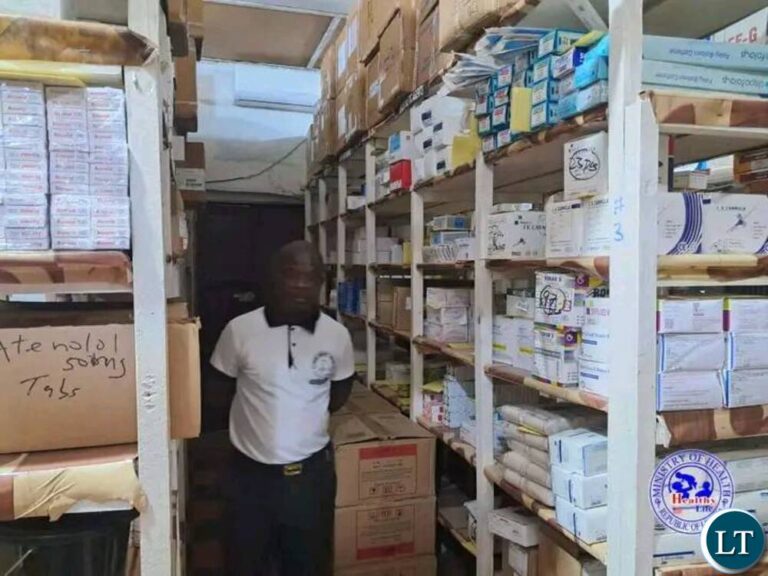
The Provincial Administration in Muchinga Province is undertaking the inspection of private pharmacies and drug stores in a bid to crackdown medicine pilferage in the province.

The exercise which aims to prevent shortages of medicines in government health facilities, thereby keeping essential medicines accessible to citizens has cheered the private health sector in the district.

To this effect the Private Health sector in Chinsali district has praised the government for embarking on the inspection of pharmacies and drug stores to guard against medicine pilferage and ensure compliance to the Zambia Medicines Regulatory Authority (ZAMRA) guidelines.

A Pharmacy Personnel Chrispin Mwape talked to by the media during the inspection said the move by the government to inspect pharmacies and drug stores will help in ensuring compliance with standards that are in line with ZAMRA guidelines.

Mr Mwape added that frequent inspections apart from those conducted by ZAMRA will also ensure that qualified personnel operate in the pharmacies and health shops.

And a Pharmacologist Faustina Chishimba has pointed out that there is need for expanded inspections to promote accountability and patriotism in the health sector.

Ms Chishimba has therefore called on the inspecting team to extend the inspection exercise to other shops who might be selling medicines without proper documentation as it can foster a culture of compliance and responsibility.

Another Pharmacy Personnel Benson Chingwe has appreciated the programme, saying the inspection exercise is very important in preventing drug diversion and ensuring public safety.

Mr Chingwe added that the inspection exercise will help to identify and address potential issues and ensure action is taken against any wrongdoing.

“Your proactive approach to inspect the private health sector in Chinsali district and other areas is commendable,” he said.

And Muchinga Province Assistant Secretary Evans Hichilema who spoke through one of the team member Sydney Ngulube during the inspection exercise has commended the private health sector in Chinsali for complying with guidelines of the Zambia Medicines Regulatory Authority (ZAMRA) and the Public Health facilities in the district for putting up internal control measures as no pilferage of medicine has been recorded in Chinsali district.

Mr Hichilema highlighted that Chinsali district has accomplished about 99 percent in terms of compliance levels.

“So far no medicine pilferage has been found and I would like to commend the public health facilities for putting up internal control measures to mitigate pilferage of medicines,” he said.

Meanwhile Chinsali District Hospital pharmacist Kaucha Phiri says the inspection exercise carried out in Chinsali district has reviewed that no pilferage of medicines has been recorded.

Ms Phiri attributed the achievement to tight control measures put in place at various health facilities in the district.

She added that all the pharmacies and drug stores inspected are legally procuring their medicines, saying no drugs meant to be found at government health facilities have been found in any of the private health facilities in the district.

Ms Phiri also said medicines being sold at the inspected pharmacies and drug stores are up to date with the shelf life, as no expired drug is being sold.

14-Year-Old Boy Killed in Lumezi Lion Attack

0

A 14-year-old boy has died in Lumezi District of Eastern Province after being attacked by a stray lioness while sleeping inside a house.

Eastern Province Police Commanding Officer Robertson Mweemba confirmed the incident and identified the deceased as Isaac Ngulube. The attack occurred on February 6, 2026, around 22:00 hours in Chisambe Village under Chief Chitungulu’s Chiefdom.

Police said the lioness forced its way into the house and attacked the boy, inflicting severe head injuries that later led to his death.

Mr Mweemba said the matter was reported to Chipuka Wildlife Camp, where wildlife officers responded and found the lioness inside the house. The animal was later put down. The lioness had also killed several puppies outside the house.

He added that the lioness had a neck collar, suggesting it may have been under wildlife monitoring.

Authorities say the situation in the area has since stabilised, with wildlife officers conducting patrols to prevent similar incidents.

Young Lusaka Motorcyclist Dies in Church Road Crash

1
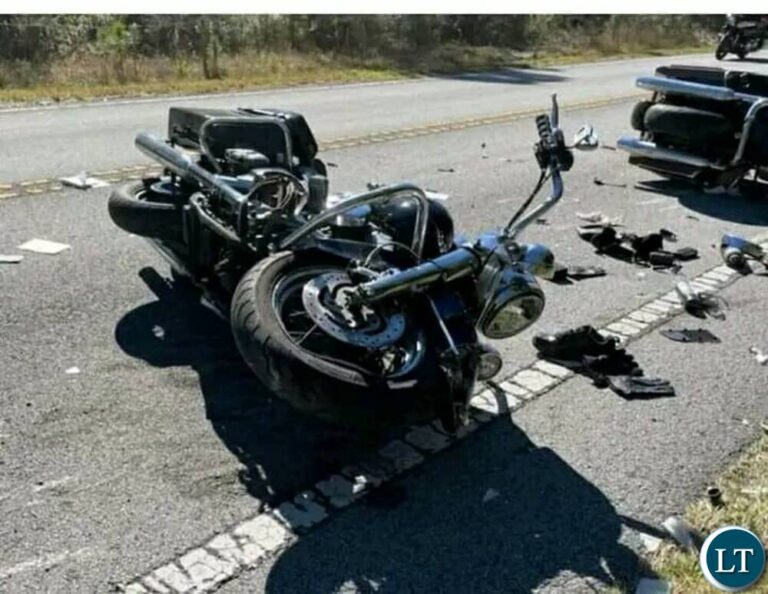
An unidentified motorcyclist believed to be between 30 and 35 years old died yesterday after a road traffic accident at the Church Road Flyover Bridge in Lusaka.

Police spokesperson Godfrey Chilabi said the accident occurred around 23:00 hours as the rider was travelling toward the Central Business District. The victim sustained fatal head injuries and was pronounced dead upon arrival at the hospital.

“The body of the deceased is currently in the University Teaching Hospital (UTH) mortuary awaiting postmortem examination and identification,” Chilabi said. “Police have launched investigations to establish the circumstances surrounding the accident. The motorcycle was extensively damaged and the exact cause is still under investigation.”

Police have appealed to members of the public to assist in identifying the deceased by providing any relevant information.

In a separate incident, police in Kabwe attended to a road traffic accident along the Great North Road near Mulungushi University on February 6, 2026, around 15:00 hours.

Chilabi said the accident involved a Mercedes-Benz vehicle belonging to the Bank of Zambia that was travelling toward Kabwe and sustained damage to its front cabin and container.

“The driver and passenger sustained minor injuries and were taken to Kabwe Central Hospital for treatment. Both were later discharged,” he said.

Preliminary investigations indicate that excessive speed may have contributed to the accident after the driver reportedly lost control of the vehicle, veered off the road and overturned

Chambeshi Ward in Chinsali Flooded

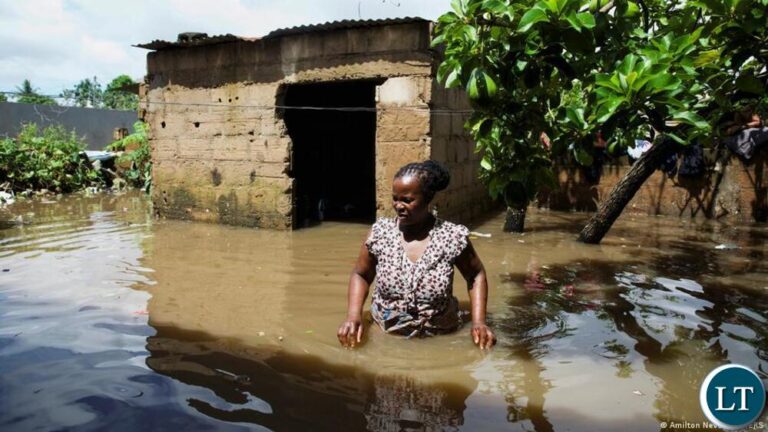
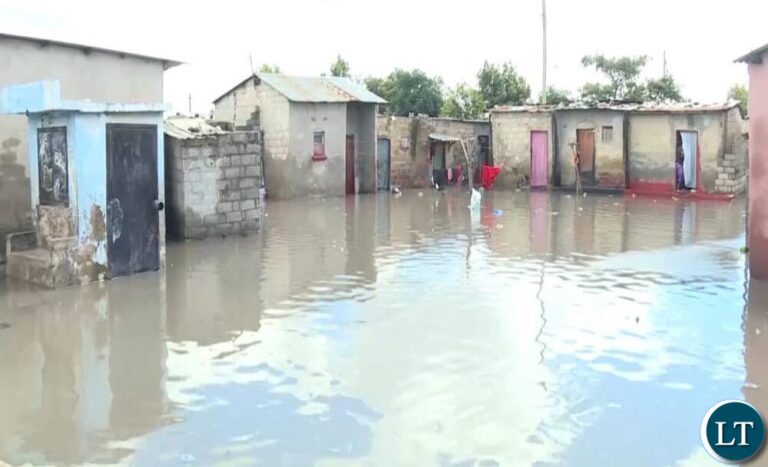
Chambeshi ward in Chinsali district in Muchinga Province has been hit with floods, following heavy rains being experienced in the area.

Chinsali Acting District Commissioner Brenda Silwembe, says the floods in the area have resulted in the submerging of two crossing points in the ward.

Speaking to the media in an interview when she assessed the extent of the floods in the area, Ms Silwembe stated that the ward has been cut-off from the rest of the district as vehicles are unable to cross to the other side.

She said the district administration will immediately engage the Zambia National Service (ZNS) to assist in putting gravel on the affected crossing points to ensure that there is easy accessibility to other areas.

“This situation is devastating because we have also observed that some crops have been damaged and our people are unable to access various services in the Central Business District such as health care services because of this bridge that has been submerged in water,” she added.

Ms Silwembe further appealed to residents in the area to ensure that their children do not play in the floods, stressing that it poses great danger especially with regard to the potential spread of waterborne diseases.

The Acting District Commissioner also mentioned that there is need for the community to come up with a lasting solution through their Ward Development Committees (WDCs) by applying for a new bridge using the Constituency Development Funds (CDF).

And one of the affected residents, Alice Kafula, lamented that many children in the area have not been attending classes due to the floods that have affected the crossing points.

Ms Kafula explained that since the heavy precipitations experienced, school going children have been absconding classes because crossing the flooded bridge poses great danger to their lives.

“It is not just the bridge that has been affected, but also the road is very much flooded,” she stated.

She further appealed to the government to consider constructing a good road that properly links various villages in the area especially during the rainy season.

And another affected resident, Dickson Nkweto, thanked the District Administration for urgently responding to the situation of flooding in Mulolo village of Chambeshi ward.

Mr Nkweto charged that the quick response gives hope to the people of Chambeshi of addressing the flooding situation on time.

Chongwe council erects modern market

1

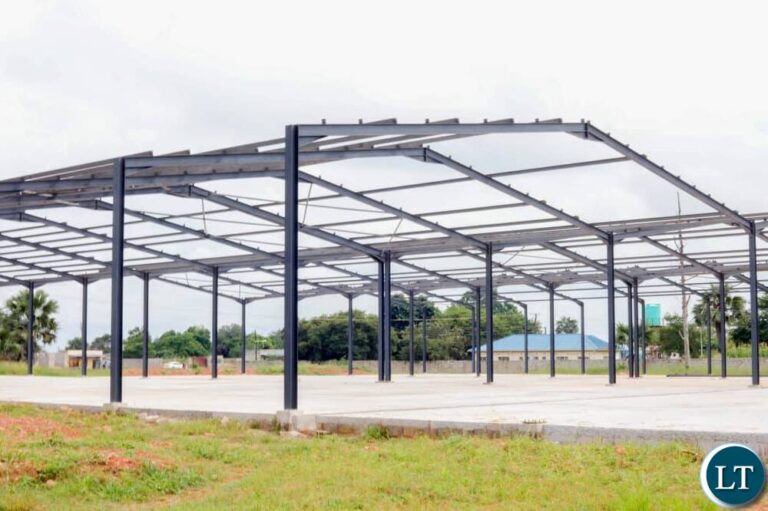
The Chongwe Municipal Council has built a modern market in Meanwood Kwamwena township at a cost of over K2 million, aimed at curbing years of street vending and illegal garbage disposal.

Chongwe Mayor, Christopher Habeenzu who inspected works on the market praised the local authority for the strides made in providing residents with social amenities.

Mr Habeenzu said the lack of trading spaces has led to illegal dumping of waste in drainages and other areas.

He noted that the market will address the challenges and enable traders to sell their food items under a decent and conducive environment.

Chongwe Municipal Council Town Clerk Damson Mukwato also stated that the project has been implemented using local funds.

Mr Mukwato reiterated the council’s commitment towards providing more of such social amenities to local communities in the area.

“As a council, it is our mandate to provide social services and other social amenities such as decent trading spaces to the public which is why we responded to the need for a market in Meanwood Kwamwena area. We will build more of such markets in other areas where there is need,” Mr Mukwato said.

He added that the market will be commissioned as soon as works on the ablution block are complete.

Meanwhile, residents in the area have praised the local authority for constructing the market to curb street vending and address the challenge of illicit waste disposal.

Henry Mutambo, a resident in the area said the development will go a long way in reducing the number of vendors who are selling food items at undesignated places and through garbage in drainages.

Chiengi man charged for Pangolin possession

0

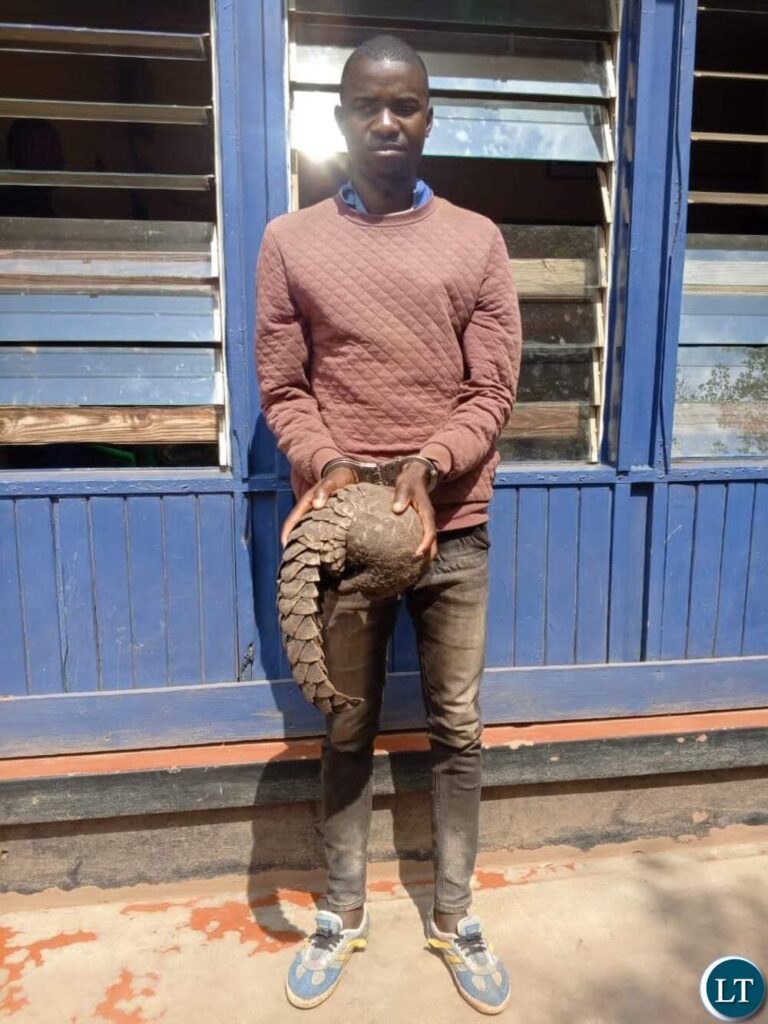
A 27 year old man of Chienge District in Luapula Province has appeared in the Kaputa Magistrate Court for illegal possession of a tree pangolin.

Before Magistrate Emmanuel Mukoma was Patrick Chilaba, who was facing one count of possession of a protected animal contrary to section 130 (1) of the Zambia Wildlife act number 14 of 2015.

This is in a matter that came up for trial in which Chilaba was found with a live tree pangolin.

Facts before the court were that on December 26, 2025, Chilaba approached a Kaputa based community whistleblower that he was selling a live pangolin.

Upon noting that the animal in question was protected and prohibited by law, the whistleblower called an investigator from the Department of National Parks Wildlife based in Mpulungu identified as Isaac Kofi.

Kofi, who is a state witness in the matter, told the court that immediately he was informed of the matter and went to Kaputa to meet Chilaba.

He told the court that after meeting Chilaba he informed him that he had put the price of the pangolin at K700, 000 the price that reduced to K450, 000 following negotiations.

The court heard that the two parties agreed to make the transaction but Chilaba demanded a down payment which Kofi declined.

The court heard that all this time that the arrangements were being made, Chilaba did not know that he was dealing with an investigator from the Department of National Parks and Wildlife department.

To actualise the deal on December 30, 2025, Chilaba made arrangements to meet Kofi at a named lodge in Kaputa.

It was at this place that the investigator saw the live pangolin packed in a laptop bag.

“At the meeting your honour Chilaba went behind the lodge and came back with a black laptop bag and there was a stripped sack where the pangolin was, it the first time that I actually saw the live pangolin,” Kofi told the court.

He further revealed that during that time, he was secretly texting Constantino Mwansa, a Kaputa based Wildlife Police Officer to mobilise in anticipation for an arrest.

Knowing that the place was too open to do the transaction with such large sums of money, Chilaba suggested a different location to complete the deal.

This led to the whistle-blower’s house where the money would be transferred and the pangolin would be handed to the supposed ‘buyer’, Kofi.

Kofi further explained that when they entered the house, he alerted the Wildlife Police Officers and the arrest was made.

“We took him to the Kaputa Wildlife sector office, charged him with the offence of illegal possession of a tree pangolin and later handed him over to the police” he said.

He further explained that on December, 31, 2025, the pangolin was disposed of by the Kaputa Magistrate’s court and was transferred to Lusenga National park in Kawambwa.

The Court has set February, 16, 2026 as the date for ruling on the matter.