By Frank Mwansa
1. Introduction
This write up evaluates the economic performance of the UPND government from 2021 to 2025 using empirical evidence across key indicators: GDP growth, inflation, debt management, fiscal policy, external financing, structural reforms, and socioeconomic outcomes.
2. Context and Objectives
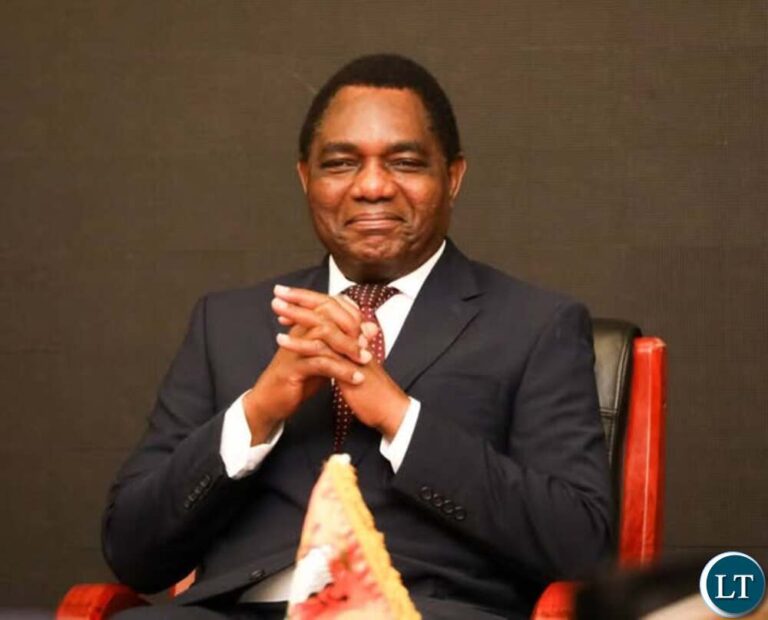
Prior to 2021, Zambia’s economy faced a high external debt burden, elevated inflation, low growth rates, and weak investor confidence. The UPND government under President Hakainde Hichilema set out to:
- Stabilize and revive the economy,
- Restructure debt,
- Stimulate growth and investment,
- Improve service delivery and social welfare,
- Create jobs, and
- Strengthen public financial management (National Assembly of Zambia, 2025).
3. Macroeconomic Performance
3.1 GDP Growth
Restoring economic growth was a central objective of the UPND government. Zambia’s economy rebounded significantly after the contraction associated with the COVID-19 pandemic and debt crisis.
-
Real GDP growth averaged approximately 5.2% between 2021 and 2024, compared with an average of 1.5% between 2017 and 2020 (National Assembly of Zambia, Sept. 12, 2025.).
These figures demonstrate a recovery to growth rates above historical averages, supported by macroeconomic stabilisation and structural reforms.
3.2 Inflation and Price Stability
Inflation, a major socioeconomic concern, declined substantially during the UPND administration:
-
In early January 2026, inflation declined to single digits (around 9.4%), a level not recorded since 2018 (Open Zambia, Jan. 29, 2026.).
This improvement reflects tighter monetary policy, fiscal consolidation, and greater exchange rate stability, contributing to improved consumer purchasing power and business confidence.
3.3 Debt Management and Restructuring
Upon assuming office, the UPND government inherited a severe debt crisis following Zambia’s 2020 default.
Key achievements include:
-
Over 92% of Zambia’s external debt was restructured through negotiations under the G20 Common Framework reducing debt servicing pressure and restoring fiscal space (National Assembly of Zambia, Sept. 12, 2025).
-
Public debt declined from approximately 112% of GDP in 2021 to about 87.6% in 2025, with further reductions projected (IMF, Jan. 27 2026,).
-
Completion of the IMF Extended Credit Facility (ECF) programme restored international credibility and unlocked additional financing (Reuters, 2025).
-
The fiscal deficit shrank significantly from over 9 % of GDP in 2021 to about 3.5 % in 2024, while reserves increased, improving import cover (Lusaka Times,2025).
These developments reduced debt distress, strengthened fiscal sustainability, and improved Zambia’s international risk profile.
4. Fiscal Policy and Governance
4.1 Fiscal Consolidation
The UPND government prioritised fiscal discipline through expenditure control and revenue-enhancing measures.
-
Economist Dr. Lubinda Haabazoka rated UPND fiscal discipline at 9.2 out of 10, citing improved budget credibility and reduced deficits (Lusaka Times, Oct. 21, 2025.).
Although fiscal deficits persist, the overall trend reflects improved alignment between expenditure and sustainable financing.
4.2 Decentralisation and Social Development
-
The Constituency Development Fund (CDF) increased from approximately K1.4 million in 2021 to over K30.6 million by 2025, significantly enhancing local development capacity.
-
The introduction of free education and expanded social support programmes has contributed to improved access to public services (Open Zambia, 2024).
These measures aimed to promote inclusive development and reduce regional disparities.
4.3 International Partnerships
Re-engagement with international institutions, particularly the IMF, was central to economic stabilisation.
This has facilitated access to concessional financing and technical assistance.
5. Challenges and Critiques
Despite macroeconomic progress, several weaknesses remain:
5.1 Institutional Capacity
5.2 Structural Vulnerabilities
-
Public debt, although reduced, remains elevated and constrains fiscal space.
-
Economic growth remains heavily dependent on copper exports and global commodity prices.
These challenges highlight the limits of macroeconomic stabilisation without deeper structural transformation.
6. Conclusion
Empirical evidence indicates that between 2021 and 2025, the UPND government made significant progress in stabilising and reviving Zambia’s economy. Key achievements include:
-
Sustained economic growth above historical averages.
-
Substantial reduction in inflation and improved price stability.
-
Successful debt restructuring and improved public debt sustainability.
-
Enhanced fiscal discipline and restored international credibility.
However, institutional capacity issues, reliance on extractive industries and persistent socioeconomic vulnerabilities suggest that economic success remains partial rather than complete. Sustaining gains beyond 2025 will require continued policy consistency, economic diversification, and stronger institutional governance.