Tuesday, June 9, 2026
16.2 C
Lusaka
Home Blog Page 171

Kidney Patients at Risk as Hospitals Suspend Dialysis

3

Dialysis services across Zambia are under serious strain following a nationwide shortage of renal consumables that has forced several public hospitals to suspend or sharply reduce treatment for kidney patients.

The Kidney Foundation of Zambia has raised alarm over the situation, warning that patients dependent on regular dialysis are facing growing health risks as essential supplies run dry. The organisation says the shortage has already disrupted services in major towns, including Lusaka, Ndola, Kitwe, Kasama, Mongu, and Livingstone, where dialysis units are either operating at minimal capacity or have stopped treatment altogether.

Foundation Secretary General Augustine Mukuka said the disruption stems from unpaid debts owed by government to the country’s sole supplier of renal consumables. These arrears, he explained, have halted the delivery of critical items such as dialysis tubing, bloodlines, filters, and disinfectants, leaving hospitals unable to provide full treatment.

Mukuka noted that the looming crisis had been flagged months earlier, with warnings issued in late 2025. Despite those alerts, he said no corrective action was taken in time to prevent the current breakdown in services.

He explained that the shortage has placed kidney patients in an increasingly difficult position, forcing many to purchase their own consumables in order to continue receiving life sustaining treatment. The cost of a single dialysis session now ranges from about K2,200 to K8,800, a price far beyond the reach of most families.

As a result, some patients are reducing the frequency of their dialysis sessions, a decision that carries serious medical consequences. Irregular or delayed treatment can lead to rapid health deterioration, hospitalisation, and, in severe cases, death.

Mukuka said the interruption of dialysis services has already had fatal outcomes for some patients who were unable to access consistent care. He described the situation as a direct threat to the survival of people living with kidney failure, emphasising that dialysis is not optional treatment but a medical necessity.

The impact of the shortage has not been limited to public hospitals. Mukuka revealed that some private health facilities accredited by the National Health Insurance Management Authority, NHIMA, have stopped treating renal patients due to delayed reimbursements. Without timely payments from the insurance body, these facilities say they cannot continue providing dialysis services at their own cost.

This has further reduced the number of centres available to kidney patients, particularly those relying on insurance cover to access private care.

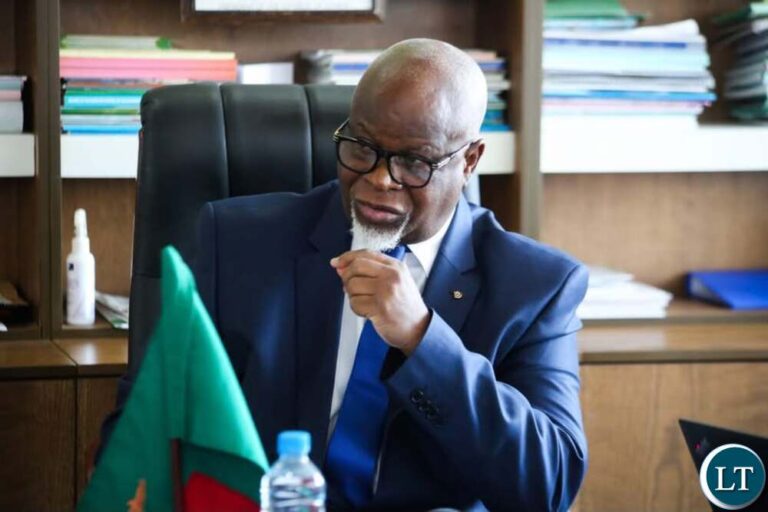
Mukuka called for urgent intervention from President Hakainde Hichilema and Minister of Health Dr Elijah Muchima, urging the government to move quickly to secure emergency procurement of renal supplies and settle outstanding debts with suppliers.

He stressed that reliance on a single supplier without contingency planning has exposed weaknesses in the current supply system. However, he maintained that the primary cause of the disruption remains unpaid invoices, which have effectively brought deliveries to a standstill.

The Kidney Foundation has also appealed for greater transparency and improved coordination within the health sector, including faster NHIMA payments to private providers and the development of diversified supply channels to prevent similar disruptions in future.

The Ministry of Health has not yet issued a public statement addressing the renal consumables shortage or outlining measures to restore normal service. Requests for comment sent to the Minister of Health’s office had not received a response as of January 25, 2026.

Health advocates warn that without swift action, the crisis could worsen in the first quarter of 2026, potentially placing further strain on hospitals and eroding public confidence in the health system.

For thousands of Zambians living with chronic kidney disease, the uncertainty surrounding access to dialysis has become a daily source of anxiety. With treatment increasingly tied to personal financial capacity rather than medical need, many patients now face a stark and unsettling reality as they wait for a lasting solution to the supply crisis.
Zambia US Talks Tie Medical Aid to Mining

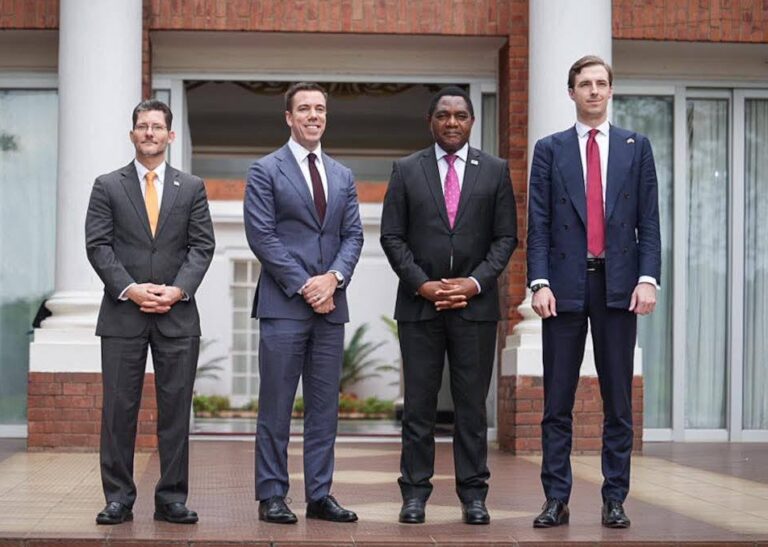
Zambia is nearing the signing of a confidential memorandum of understanding with the United States that would link health sector support to expanded access for American interests in the country’s mineral resources, including copper, gold, and cobalt.

The draft agreement, referred to in official circles as the Zambia US Health Deal, is expected to formalise a long term health financing framework while opening pathways for greater American participation in Zambia’s extractive industries. The arrangement has not yet been confirmed publicly by the government, and key elements remain undisclosed.

Information drawn from the draft indicates that the agreement connects pledged United States health assistance to preferential access for American public and private entities in Zambia’s mining sector. Negotiations over mineral access appear to have shaped the structure of the health package, with economic cooperation positioned as a central pillar of the partnership.

President Hakainde Hichilema announced in November 2025 that Zambia had secured a five year health support package valued at 1.5 billion dollars. However, figures contained in Appendix 1, Table 1 on page 35 of the draft MoU show a total commitment of approximately 1.012 billion dollars. When compared with United States baseline health funding of 439.9 million dollars in fiscal year 2025, the revised total represents a reduction of roughly 237 million dollars per year from previously indicated levels.

Beyond financial terms, the proposed agreement includes detailed provisions on pathogen and specimen sharing. Zambia and the United States would be required to negotiate a specimen sharing arrangement within five days of identifying pathogens with epidemic potential. This would include the exchange of genetic sequence data and epidemiological information. Both parties intend for this arrangement to remain in effect for 25 years.

A separate data sharing framework spanning ten years is also outlined in the draft. This mechanism is designed to monitor the performance of the MoU, track implementation outcomes, and provide reporting structures tied to oversight by the United States Congress.

Concerns have emerged around the length and depth of these data sharing provisions, particularly in relation to genetic and public health information. Similar frameworks in Uganda and Kenya have previously attracted debate, with questions raised about national biosecurity, data ownership, and the long term value returned to host countries.

The agreement further includes a conditional clause that would result in the immediate suspension of all funding if Zambia and the United States fail to finalise a Bilateral Compact by April 1, 2026. That compact, proposed during discussions between President Hichilema and United States Secretary of State Caleb Orr on November 17, 2025, remains confidential but is understood to touch on foreign aid alignment and mining sector cooperation.

The pace of negotiations has drawn attention within government and policy circles. Officials involved in the process were reportedly given limited time to review the draft, raising questions about internal consultation and parliamentary oversight. The MoU had initially been scheduled for signing on December 11, 2025, but that date was later postponed without public explanation.

Subsequent meetings between Secretary of State Orr and Zambian authorities placed emphasis on economic cooperation, particularly in mining, as a prerequisite for the release of health funds. This sequencing has added to the perception that health financing is being used to secure wider economic concessions.

Minister of Justice Princess Kasune declined to comment on the draft agreement, referring queries to Attorney General Mulilo Kabesha. Attempts to obtain a response from the Attorney General’s office were unsuccessful. Requests for clarification sent to the Ministry of Foreign Affairs and the Office of the President had also not been answered as of January 25, 2026.

Opposition figures and civil society organisations have called for the full text of the MoU to be made public before any ratification process begins. They argue that agreements affecting national resources, health policy, and sovereignty should be subjected to open parliamentary debate rather than concluded through confidential executive processes.

Separately, the Kidney Foundation of Zambia recently warned of a nationwide shortage of renal consumables linked to unpaid debts owed to the sole supplier. While the organisation did not comment directly on the draft MoU, some health sector stakeholders caution that reduced or delayed funding could worsen existing pressure on medical supply chains.

As of the latest reporting date, the government has not issued an official statement confirming or disputing the reported terms of the agreement. With key provisions still under wraps, the proposed Zambia US Health Deal continues to generate questions around transparency, national interest, and the balance between health financing and control over strategic natural resources.

PACRA launches business and beneficial ownership register

3

Minister of Commerce, Trade and Industry, Chipoka Mulenga, has commended Patents and Companies Registration Agency (PACRA) for launching the next generation business and beneficial ownership register.

Mr Mulenga says the move taken by PACRA is a significant step in promoting transparency and accountability within the business community.

He notes that the use of a beneficial ownership register is going to enhance the rate of doing business in Zambia.

The media reports that Mr Mulenga said this in a speech read for him at the event last night by Minister of Tourism, Rodney Sikumba.

He stressed that conducting business in Zambia is improving everyday through the policies and initiatives that the government is implementing.

Mr Mulenga further saluted the agency for demonstrating strong leadership in implementing reforms aimed at bettering the business environment in the country.

Speaking earlier, Smart Zambia National Coordinator, Percy Chinyama, thanked GIZ Zambia for investing in the establishment of the next generation business and beneficial ownership register project.

Mr Chinyama said the financial support provided by GIZ Zambia towards the project is highly appreciated.

Meanwhile, PACRA Board Chairperson, Allan Mwaba, said the launch of the next generation business and beneficial ownership register project marks an important government milestone, one that reflects Zambia’s continued commitment to creating a modern business environment.

Mr Mwaba added that the launch of the business and beneficial ownership register is not an isolated initiative but a national reform.

Kasama by – election ballot papers arrive, verification conducted

1

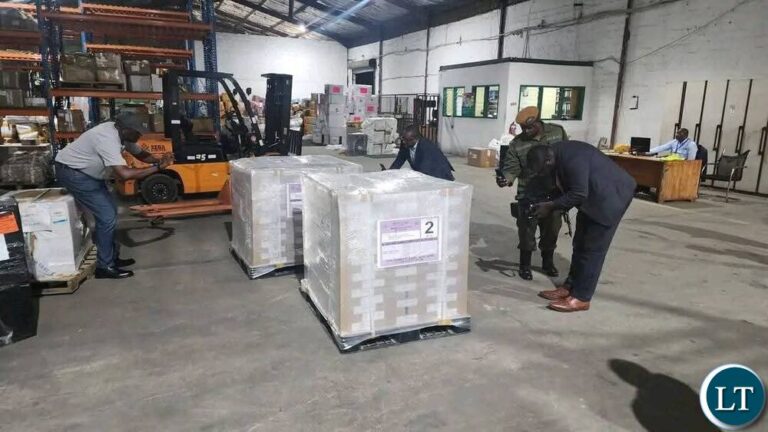
Ballot papers for the Kasama Mayoral by-election slated for January 29, 2026 have arrived in the country.

The ballot papers arrived yesterday evening in Lusaka at Kenneth Kaunda International Airport, witnessed by representatives from participating political parties, including Forum for Democracy and Development (FDD) and the United Party for National Development (UPND).

The media reports that Electoral Commission of Zambia, Electoral Officer, Alick Chakawa was on hand to receive the ballot papers.

Meanwhile, verification of the ballot papers took place in Lusaka today at the Electoral Commission of Zambia (ECZ) Head Office.

Forum for Democracy Development, Deputy National Secretary, George Phiri, commended ECZ for exhibiting traits of transparency.

“Elections are about perception and if the perception from the onset is that transparency is attributed to it, then all of us are going into this race only waiting for the people to judge who the winner is going to be,” he said.

Mr Phiri urged other participating parties to intensify campaigns ahead of the election.

“For ECZ, we say keep it up, keep engaging stakeholders and let us encourage this transparency to go on, it’s the only way we can build our Zambia and have a better Zambia for our children,” Mr Phiri added.

Meanwhile, United Party for National development (UPND) Representative, Sitali Lutangu, said the verification process was transparent and successfully accomplished.

And, Socialist Party (SP) Representative, Reverend Moddy Chisha, also stated that the verification was successively conducted.

Citizens First (CF) Secretary General, Vincent Chintu, expressed happiness with the transparency of the process, as he confirmed that the candidate for the party is on the ballot paper.

Police IG lauds IK Charitable Trust for solar-powered water pump

2

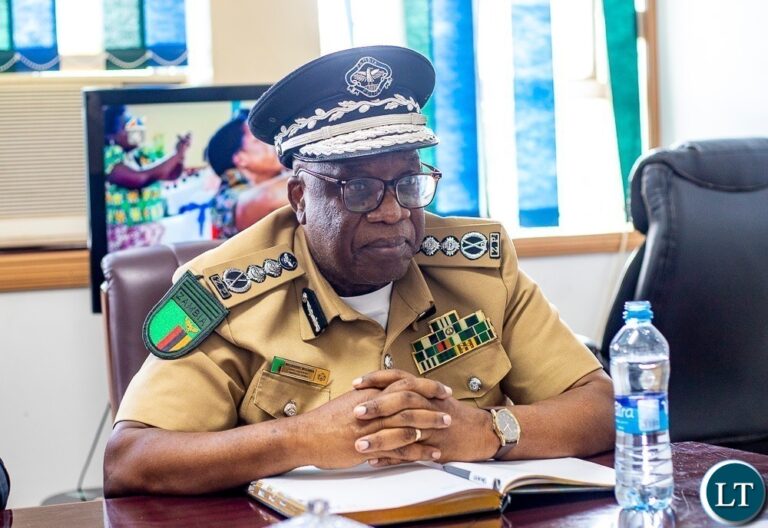
Zambia Police Inspector General, Graphel Musamba, has commended IK Charitable Trust for donating a solar-powered water pump to Roadways Police Post in John Laing of Kanyama Constituency.

Mr Musamba, who was represented by Kanyama Police Station Officer in Charge, Superintendent Clarence Mpande, described the gesture as a major boost to service delivery and community welfare.

 Speaking during the handover ceremony, Mr Musamba said the donation will significantly improve access to clean and reliable water for officers at the post and the surrounding community in the constituency.

Mr Musamba added that the solar-powered water pump is more than just equipment, describing it as a lifeline that will enhance both living and working conditions at the police post.

He said the donation is an important milestone in strengthening partnerships between the Police and cooperating organisations committed to community development.

Speaking at the same event, IK Charitable Trust, Administration Manager, Mohammed Lambat, said the donation is part of the organisation’s Water and Sanitation Aid Facility, which focuses on improving basic services in vulnerable communities.

Mr Lambat said access to clean and reliable water is not a luxury but a necessity, as it supports health, prevents disease and enables institutions such as police posts to operate effectively and serve the public with dignity.

He explained that the donation includes a newly drilled borehole up to a depth of 20 metres, a solar-powered pumping system with panels, a storage tank, borehole-to-tank piping, double garden taps, renovated toilet plumbing facilities and office furniture.

Mr Lambat noted that the intervention is intended not only to improve water and sanitation but also to enhance the working conditions of officers stationed at the post, as well as members of the public who access services there.

He commended the leadership and officers at the Roadways Police Post for their cooperation, which he said made the project possible.

ECZ clarifies misinformation on alleged planned voter registration

1

The Electoral Commission of Zambia (ECZ) has reiterated that the registration of voters will not be reopened, and there is no exercise underway or planned to register new voters before the 2026 General Election.

The commission has noted with concern the circulation of false and misleading information on social media platforms, alleging that the registration of voters will be reopened to register new voters.

In a press statement Issued to the media in Lusaka today by ECZ Corporate Affairs Manager, Patricia Luhanga, the misleading claims are believed to stem from notices issued by various local authorities regarding the hiring of motor vehicles.

Ms Luhanga has since clarified that the notices relate solely to logistical arrangements for the inspection of the provisional register of voters, as outlined in the 2026 General Election Roadmap.

She has stressed that the process will allow registered voters to inspect and verify their details on the provisional register and will not involve the registration of new voters.

Ms Luhanga has further dismissed claims suggesting that the inspection of the provisional register of voters is targeted at specific districts earmarked for delimitation as entirely false and unfounded.

She has assured that the inspection will be conducted in all polling stations across the 116 districts.

Ms Luhanga has since urged members of the public to disregard the falsehoods and instead rely on official communication channels for accurate and verified information.

“The spread of misinformation undermines public confidence in electoral processes and is strongly discouraged,” she stressed.

She has also reaffirmed the commission’s commitment to conducting transparent, lawful, and impartial electoral processes as well as keeping the public informed through official notices and platforms.

Government, partners praised for collective efforts in education sector

0

Northern Province Education Officer, Mulambwa Nawa has praised government and its partners for the collective efforts in promoting a culture of hard work and producing better results in the province.

This follows the latest ranking where the province came out third in the national examinations with 74.04 pass rate in the 2025 grade 12 examinations, an upgrade from the seventh position recorded last year with a 64.74 pass rate.

Mr Nawa, has congratulated teachers for their dedication, which led to a notable improvement in the 2025 grade 12 performance.

speaking in an interview, Mr Nawa said the consistency of good performance across the three examination levels is an indication of the good approach put in place.

“Results have been impressive, and they cannot be attributed to one person. We want to thank our teachers, DEBs offices, provincial administration and the learners themselves for the effort put in to perform well in the exams.

“The good performance at grades 7, 9 and 12 is as a result of the good approach by our staff,” he said.

The Provincial Education Officer also attributed the high level of performance to the policies that the government has put in place to improve the education sector.

He further revealed that the province has bought and rehabilitated over seventy thousand desks in schools, creating a conducive learning environment for learners.

Mr Nawa added that the government is also constructing eight secondary schools under the Zambia Enhanced Education Project (ZEEP) and thirty-two Zambia Enhancing Early Learning (ZEAL) Schools and has also rehabilitated over 200 classroom blocks, providing more accommodation space for learners.

“Free education has  lifted the burden from parents and learners, lessening the pressure for school fees, so good policies are the ones bringing good performance and also a good learning environment,” he noted.

Mr Nawa has also called for continued collaboration among stakeholders for a successful 2026 academic year.

An ambulance in Zimba overturns while responding to an emergency

0

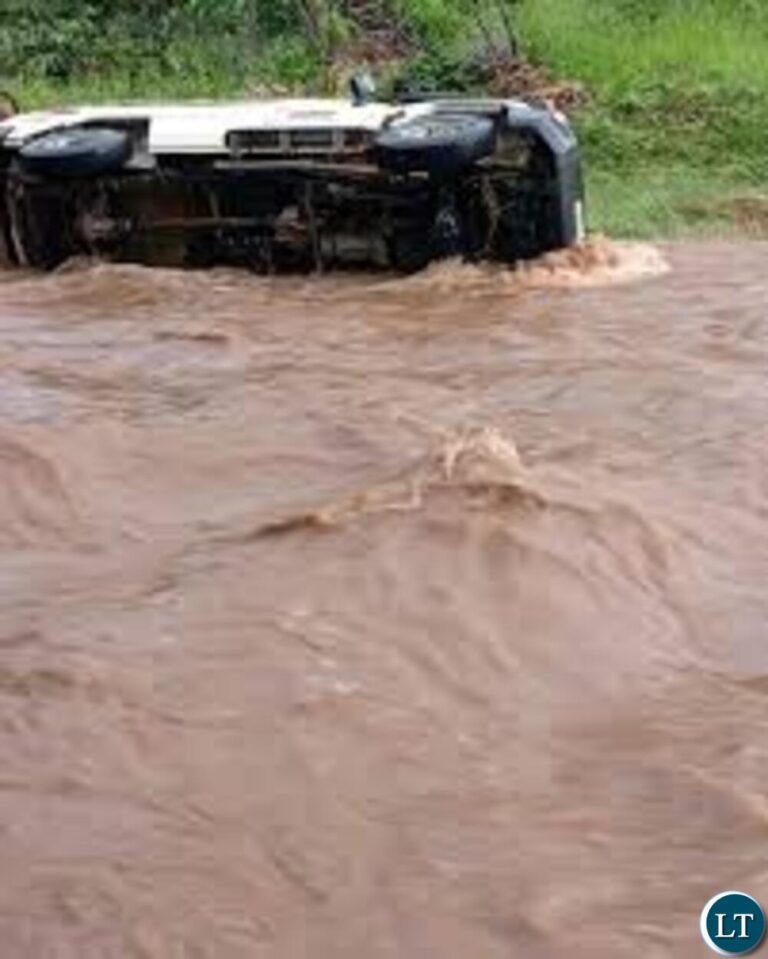
An Ambulance for Zimba District which was recently procured under the Constituency Development Fund (CDF) for Mapatizya Constituency on Thursday, January 22, overturned while responding to a maternity referral emergency from Kamukkeza Rural Health Center.

Zimba Town Council Assistant Public Relations Officer, Mastone Moonze, confirmed the development to the media in Zimba in a press statement, indicating that the driver was attempting to cross a flooded stream.

 Mr Moonze attributed the incident to slippery and muddy conditions after a heavy downpour.

 “The accident occurred in the early hours of Thursday morning when the hospital was responding to a referral emergency from Kamukkeza Rural Health Center, and the strong current caused the ambulance to be swept off the crossing and overturned into the stream,” stated Mr Moonze.

 He pointed out that no casualties were recorded and that the vehicle has since been retrieved.

Mr Moonze has since assured the public that the ambulance will undergo a full mechanical inspection and servicing to ensure its roadworthiness before being redeployed.

He says the vehicle remains covered under an active insurance policy, valid until December 2026.

Mr Moonze expressed regret over the incident, but reaffirmed the council’s commitment to ensuring the safety of health workers, patients, and government’s assets, especially in hard-to-reach areas during the rainy season.

5- year – old girl in Nyimba defiled by 49- year – old man

1

A 5- year -old girl of Nyimba District of Eastern Province has allegedly been defiled by a 49 -year -old man.

The girl was whisked away from her friends as they were playing at a nearby bush near Chikuyu River within Mtendere Compound where she was molested.

It is believed that the perpetrator lured the children as he first joined them when they were playing nearby, making them sing and dance then took the victim away.

Brief information is that on 22nd January, 2026 around 19:00 hours, the girl was playing near her home with her friends when the perpetrator went to join them.

It was not long when he made the children dance and sing, giving him a chance to take away the 5 -year- old girl from her friends.

He took the young girl to a bush and undressed her while he covered his hand on her mouth so that she would not shout and eventually molested her.

After he finished the act, the victim narrated that the perpetrator told her to go home by crossing the Chikuyu River but that she refused saying she was afraid that the water would carry her away.

She added that the perpetrator then started following her behind as she was coming out of the bushes until her brother found her.

The brother of the girl was apparently looking for her and when he found her with the perpetrator, he took them both to their parents.

It was at this point that the girl narrated to her family what the man had done to her.

The parents of the victim then decided to report the matter to the police.

Eastern Province Police Commanding Officer, Robertson Mweemba, has confirmed the case to ZANIS, stating that the perpetrator has since been apprehended.

Mr Mweemba also mentioned that a Police Medical Report Form was given to the victim for her to seek medical attention.

African Medicines Agency gets new functions

1

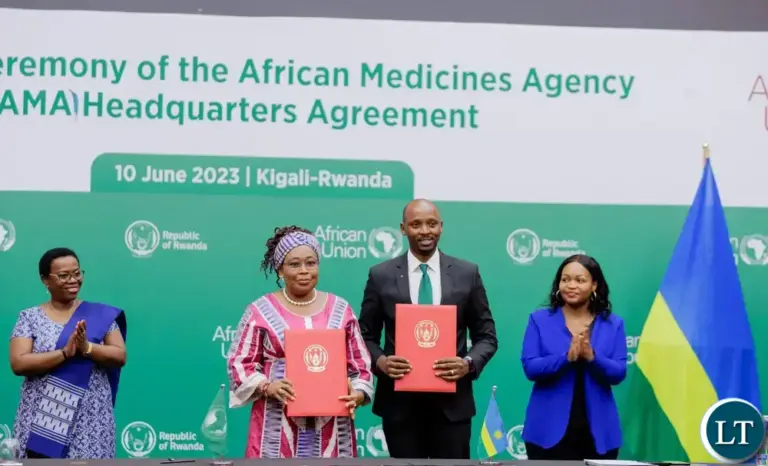
 The African Medicines Regulatory Harmonisation and African Union Smart Safety Surveillance functions including associated funds, systems, contracts and obligations have been transferred from AUDA-NEPAD to the African Medicines Agency (AMA).

The media reports that speaking during the handover ceremony in Lusaka AUDA-NEPAD Chief Executive Officer, Nardos Thomas, said the milestone underscores the AU’s mandate to ensure that AMA is fully capacitated to effectively discharge its continental regulatory responsibilities.

Dr Thomas explained that the transition builds on the AUDA-NEPADS decades of experience in establishing strategic, specialised continual institutions including the African peer mechanism, smart Africa and the African committee of experts on the rights and welfare of the children among others.

“AMA is anchored in the strong legacy of our flagship health programmes, AMRH, launched in 2009, and AU-3S launched in 2020. These programmes have been the bedrock safeguarding public health and ensuring access to quality medical products across the continent,” he said.

Dr Thomas added that the accelerated and structured process is designed to ensure a smooth seamless and non-disruptive transfer, enabling AMA to fully execute its mandate and statutory functions across the continent.

Speaking at the same event, AMA Director General, Delese Darko, expressed optimism by the constructive tone shared and openness to ensure continuity for programmes.

Dr Darko added that desired public health outcomes will now be on the continent.

She further indicated that as AMA assumes its mandate, the organisation stands firm on the foundation that AUDA- NEPAD has built.

And Africa Center for Disease (CDC) Director, Jean Kaseya, stressed the need to acknowledge that the success of the two programmes is due to the foundation laid by the two organisations.

Meanwhile, the Rwandan government, as AMA host, is ready to support the office.

Rwanda’s High Commissioner to Zambia, Emmanuel Bugingo, commended AMA for its readiness to assume its new responsibilities.

Isoka council approves 33 additional beneficiaries of CDF empowerment

0

 Isoka Town Council has approved 33 additional individuals and groups as beneficiaries of the 2025 Constituency Development Fund (CDF) empowerment programme.

Speaking in an interview with the Zambia News and Information Services (ZANIS), Isoka Town Council Public Relations Officer, Peter Sichali, said the approvals follow a thorough assessment and selection process conducted by the council.

Mr Sichali disclosed that the approved loans amount to K1, 965,000 and are aimed at supporting various economic activities in the district.

“The council has approved 33 beneficiaries under the second phase of the 2025 CDF empowerment loans after successfully completing the required appraisal and verification process,” Mr Sichali noted.

He explained that the funds will be invested in productive sectors such as agriculture, livestock, fisheries and other income generating ventures, in line with the government’s objective of promoting local economic development.

Mr Sichali further reminded beneficiaries that the loans are revolving funds, stressing the importance of timely repayment to allow other community members to benefit.

“These are not grants but revolving loans, and beneficiaries are expected to repay the funds so that more people in the district can access empowerment support,” he stressed.

Mr Sichali also encouraged residents who were not successful in this phase to remain hopeful, stating that government remains committed to empowering citizens through continued CDF support and skills development programmes.

DEC reaffirms commitment to its operations

0

The Drug Enforcement Commission (DEC) has reaffirmed its commitment to preventing and controlling illicit cultivation, production, trafficking, abuse of narcotic drugs and psychotropic substances in the country.

DEC Public Relations Manager, Allan Tamba, says the commission also has a mandate to combat money laundering activities under national law, adding that its operations are guided by the Narcotic Drugs and Psychotropic Substances Act Number 35 of 2021 and the Prohibition and Prevention of Money Laundering Act Number 14 of 2001, as amended by Act Number 44 of 2010.

Speaking in an interview with the media in Lusaka, Mr Tamba explained that DEC’s mandate is centered on three main focus areas which are drug supply reduction, drug demand reduction, and money laundering prevention.

Mr Tamba explained that drug supply reduction activities include investigations and prosecutions aimed at disrupting drug trafficking networks and apprehending offenders.

He said the agency’s drug demand reduction initiatives focus on prevention, education, and counselling for individuals at risk of drug abuse.

Money laundering prevention, he added, is another key aspect of DEC’s work, ensuring that financial crimes associated with narcotics and other illicit activities are detected and prosecuted.

And, Mr Tamba noted that DEC collaborates closely with both local and international agencies to tackle transnational crimes, particularly along common borders.

He said recent operations have recorded significant seizures of illegal drugs and arrests linked to transnational trafficking, stating that the results are attributed to strengthened intelligence networks and inter-agency partnerships.

Mr Tamba further said the commission has intensified drug awareness and prevention activities along border areas to protect communities from the dangers associated with narcotics.

Mr Tamba urged the public to remain vigilant and to report any suspicious activities related to drug trafficking or money laundering.

“Crime does not pay, the law enforcement agencies are working around the globe to ensure that perpetrators are arrested and prosecuted accordingly.

“We won’t relent in our mandate and will ensure that we promote public safety, national security and development in order to ensure that future generations are insulated against the negative effects committed,” Mr Tamba stressed.

He encouraged members of the public to report suspicious activities directly to DEC or any other law enforcement agency operating in the country.

Mr Tamba noted that through collaboration between law enforcement agencies and the public, Zambia can effectively prevent, detect, and combat criminal activities related to drugs and financial crimes.

Russia Pushes for Non-Dollar Trade in Zambia Relations

Russia has proposed the use of the Kwacha and the Ruble in bilateral trade with Zambia, a move that could signal a potential shift in currency strategy as both countries explore ways to strengthen economic cooperation and reduce reliance on third-party currencies.

The proposal comes at a time when global trade patterns are adjusting in response to shifting geopolitical dynamics, currency volatility, and renewed interest among some nations in settling transactions using local currencies. For Zambia, the suggestion presents both opportunities and policy considerations tied to exchange-rate stability, trade balance, and financial risk management.

Diplomatic and economic engagements between Zambia and Russia have expanded in recent years across sectors such as mining, energy, agriculture, and infrastructure. The latest proposal seeks to deepen commercial ties by facilitating trade transactions in domestic currencies rather than predominantly using the United States dollar or other major reserve currencies.

Supporters of the initiative within business and government circles view local currency trade as a potential pathway to reducing foreign exchange pressure and transaction costs. They say settling trade in Kwacha and Ruble could ease demand for hard currency, particularly in periods of external financial strain or limited dollar liquidity.

However, financial institutions and economic policy stakeholders have urged caution, noting that currency-based trade arrangements require robust financial infrastructure, stable exchange-rate mechanisms, and clear settlement frameworks. They warn that without adequate safeguards, exposure to currency volatility could introduce new financial risks for importers, exporters, and financial intermediaries.

Meanwhile, Zambia continues to navigate broader economic reforms aimed at stabilising public finances, managing debt obligations, and restoring investor confidence. The country’s engagement with international financial partners and multilateral lenders remains a central feature of its economic recovery efforts, influencing policy choices around trade, currency, and foreign investment.

Russia’s proposal also reflects a broader global trend in which some nations are seeking alternatives to dollar-dominated trade systems. Advocates of local currency settlements argue that such arrangements can enhance financial sovereignty and reduce vulnerability to external economic shocks.

On the other hand, trade experts emphasise that Zambia’s export profile, dominated by copper and other commodities priced on global markets, remains closely tied to dollar-based pricing mechanisms. They caution that shifting settlement currencies may require careful alignment with existing commodity-trading structures to avoid inefficiencies or pricing complications.

Within the private sector, exporters and importers are assessing how a Kwacha–Ruble framework could affect pricing, contract terms, and foreign exchange exposure. Some businesses have expressed interest in diversified settlement options, while others remain concerned about liquidity, hedging tools, and the practicality of large-scale local currency transactions.

Government officials have indicated that any decision to pursue local currency trade arrangements would be guided by economic prudence, regulatory preparedness, and consultation with financial institutions. Authorities have stressed that maintaining macroeconomic stability, protecting foreign reserves, and supporting trade competitiveness remain core policy priorities.

The proposal has also raised questions about Zambia’s broader foreign-policy positioning, as the country balances relationships with traditional Western partners, emerging global powers, and regional allies. Observers note that trade-currency choices can carry both economic and symbolic implications within international diplomacy.

At the same time, Zambia continues efforts to diversify its economy beyond copper, with initiatives targeting agriculture, manufacturing, and value addition. Expanding trade partnerships and exploring alternative settlement models form part of a wider strategy to broaden economic resilience and market access.

As discussions progress, policymakers face the challenge of weighing potential benefits of local currency trade — such as reduced dependence on external currencies — against operational, financial, and market-related complexities. The outcome may shape Zambia’s trade architecture and currency policy in the years ahead.

Mundubile moves, others panic: When action exposes political paralysis

8

Mundubile moves, others panic: When action exposes political paralysis
By Dr Mwelwa
Rebuttal to Michael Zephaniah Phiri, Political Activist

Dreaming, Mr. Phiri, is not a crime. Fortunately, Zambia no longer imprisons citizens for imagination. Your recent commentary reads less like political reasoning and more like an anxious reaction to Brian Mundubile’s decision to act in a political environment long immobilised by indecision.

Attempting to cloak fear in constitutional language does not transform it into principle. Alliances are political instruments, not metaphysical puzzles. Suggesting that Zambians cannot comprehend coalition politics insults public intelligence while disguising discomfort behind elaborate legal phrasing.

Mundubile’s so-called “floating leadership” is simply leadership in motion. It represents movement in a system that has normalised postponement. Leadership does not disappear because it refuses to wait endlessly in a holding pattern labelled “convention coming soon.”

Since 2022, PF members have been promised a convention with ritual certainty. Each cycle follows a familiar script: mobilisation, preparation, expectation, then last-minute postponement. Repeated deferrals weaken confidence. At some point, loyalty yields to practicality, and patience demands an alternative direction.

Claiming Mundubile has betrayed trust assumes that trust in the existing process remains intact. In reality, he is responding to a vacuum created by prolonged indecision. Vacuums do not stay empty for long. Politics fills them quickly, often without sympathy.

The suggestion that his actions are designed to undermine Given Lubinda exaggerates Lubinda’s political authority. Leaders who lead cannot be sidelined. Leaders who delay, hesitate, and avoid decisive action often sideline themselves through inaction.

What you describe as calculated choreography, others recognise as momentum. Competition unsettles only those accustomed to uncontested dominance. When new options emerge, those who postponed decisions often react by alleging ambush rather than confronting their own inertia.

Your sudden concern about alliances is curious. Zambia’s political history is built on mergers, coalitions, realignments, and pragmatic partnerships. Discovering political purity only when one figure gains traction appears less like principle and more like panic.

Across the country, PF members are not confused. They are energised. They are responding to visible movement in a landscape previously dominated by circular statements, postponed resolutions, and prolonged stagnation. Action inspires confidence where hesitation breeds fatigue.

Mundubile has not insulted Lubinda, expelled members, or dismantled structures. His perceived transgression appears to be refusing to wait indefinitely. That restraint, not recklessness, explains why his move resonates beyond Lusaka’s commentary circles.

History rarely punishes those who act. It forgets those who procrastinate. Political extinction seldom results from boldness; it more often follows delay, denial, and the illusion that tomorrow will always be more convenient than today.

This response follows recent commentary published under the headline “Mundubile Faces Political Extinction” and the opinion piece “Tonse Alliance or Political Ambush? The Calculated Plot to Sideline Given Lubinda and Deceive Zambians” by Michael Zephaniah Phiri. Readers may find value in revisiting those claims alongside this counterview when forming their own conclusions.


MUNDUBILE FACES POLITICAL EXTINCTION

“…those who betray trust and play games with the people’s trust eventually face political extinction…”

TONSE ALLIANCE OR POLITICAL AMBUSH? THE CALCULATED PLOT TO SIDELINE GIVEN LUBINDA AND DECEIVE ZAMBIANS

By Michael Zephaniah Phiri, Political Activist

Zambians are not blind, and neither are they forgetful. What is unfolding under the banner of the so-called Tonse Alliance is not unity of purpose, but a carefully engineered political ambush whose objective appears to be the marginalisation of legitimate leadership and the manipulation of public hope.

At the centre of this controversy lies a question its architects have carefully avoided: which political party does Hon. Brian Mundubile represent within the Tonse Alliance? In a constitutional democracy, leadership cannot exist in political limbo. It must be anchored in a political organisation with a clear mandate. Yet citizens are being asked to embrace a presidential project with no transparent political ownership.

This raises an even more troubling concern: can a person be elected President of the Republic under the vague identity of “Tonse Alliance” without a defined party structure or constitutional grounding? Persisting with such an arrangement signals either political recklessness or calculated deception.

Equally concerning is the determination by certain alliance members to impose leadership whose credibility to unite the nation remains contested. Unity cannot flourish where legitimacy is uncertain, and democracy weakens where ambition overrides procedure.

The public has also taken note of the sudden alignment of individuals who were previously outspoken critics of PF President Given Lubinda. These figures now appear to have regrouped not to heal divisions, but to execute a plan aimed at erasing him from Zambia’s political equation. The question remains: are principles being traded for personal advancement?

The involvement of State Counsel Chifumu Banda and President Danny Pule has deepened suspicion. Their association with a process widely viewed as flawed has raised concerns about whether experienced political figures are being used as instruments in a predetermined strategy.

Signs of orchestration appear evident in the alliance’s internal structuring. Dr. Chifumu Banda’s acceptance of the position of Second Vice President has effectively neutralised Danny Pule as a viable contender, reinforcing perceptions that the pathway has already been cleared for Hon. Brian Mundubile. This resembles choreography rather than genuine competition.

Instead of building a transparent and inclusive opposition movement, the alliance appears preoccupied with sidelining President Given Lubinda, a leader who, alongside Hon. Chishimba Kambwili and Hon. Miles Sampa, resisted UPND pressure when others hesitated. Today, some of those same figures stand accused of political double-dealing and historical revisionism.

Attempts to portray President Lubinda as irrelevant are not only misleading; they underestimate the memory and intelligence of Zambians. Politics stripped of integrity inevitably collapses under its own contradictions.

Zambia deserves principled leadership, not political traps.
Unity built on deception is not unity.
And history shows that those who gamble with the people’s trust eventually face political extinction.

Illegal Mining Crisis Forces Hard Choices on Law Enforcement

5

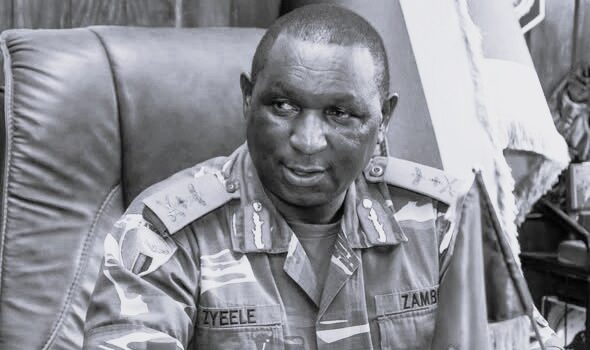
The government’s response to illegal gold mining has come under renewed public attention following remarks linked to Zambia Army Commander Lieutenant General Geoffrey Zyeele, intensifying scrutiny over the role of the military in domestic security operations.

Concerns emerged after language attributed to the Army Commander suggested a hard-line posture toward illegal miners, prompting reactions from political leaders, legal institutions, and civic voices who questioned whether such messaging aligns with constitutional principles governing the use of military force in civilian contexts.

New Heritage Party president Chishala Kateka publicly cautioned that the military’s constitutional mandate is primarily external defense rather than internal law enforcement, warning that expanding its role in civilian matters risks weakening legal safeguards and exposing communities to potential rights violations.

The Law Association of Zambia also weighed in, urging that all security operations remain firmly anchored in constitutional provisions and statutory law. Its leadership emphasised that state authority must be exercised within clearly defined legal limits, especially when enforcement actions affect vulnerable populations.

Illegal mining has long been identified by government authorities as a major economic, environmental, and public-safety concern. Officials maintain that unregulated mining activities result in revenue losses, environmental degradation, unsafe working conditions, and criminal exploitation of mineral resources.

Government representatives have defended firm action against illegal mining, stating that the practice threatens national economic stability and undermines lawful investment in the mining sector. They argue that strong enforcement is necessary to dismantle organised networks that profit from unlicensed mineral extraction.

However, social and community advocates have urged policymakers to recognise the economic pressures that push many individuals into illegal mining. They contend that unemployment, poverty, and limited access to formal economic opportunities drive participation in unregulated mining, calling for a response that pairs enforcement with inclusive economic measures.

Public reaction has reflected this tension. Some citizens have supported decisive action to curb environmental damage and restore order in mining regions, while others have expressed concern that aggressive enforcement could escalate conflict and deepen mistrust between communities and security agencies.

The controversy has also intersected with broader political messaging. Opposition figures have criticised the tone of official statements on illegal mining, while government-aligned leaders have accused critics of undermining state authority and downplaying the economic harm caused by unregulated mineral extraction.

Officials within the administration have reiterated that enforcement operations are intended to protect national resources and public safety rather than target vulnerable individuals. They have pointed to ongoing initiatives aimed at job creation, skills development, and formalisation of artisanal mining as part of a longer-term strategy to address the root causes of illegal mining.

Within governance circles, policymakers acknowledge that illegal mining presents a multi-layered challenge that requires coordination across security, economic planning, environmental regulation, and social welfare. They stress that sustainable solutions must balance lawful enforcement with economic inclusion and regulatory reform.

The episode has also reignited discussion about leadership communication in sensitive security matters, with observers noting that public language by officials can shape perceptions of state intent and influence national stability.

As enforcement efforts continue, stakeholders across the political and civic spectrum have called for clearer policy direction outlining the respective roles of the police, military, and regulatory agencies. Many argue that consistent legal framing and transparent communication will be critical in maintaining public confidence while addressing illegal mining effectively.