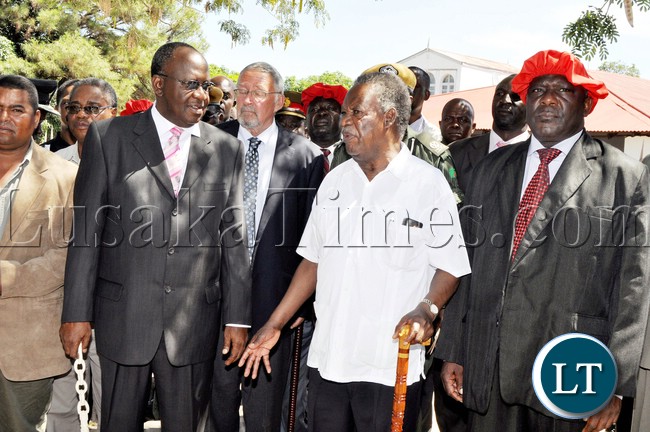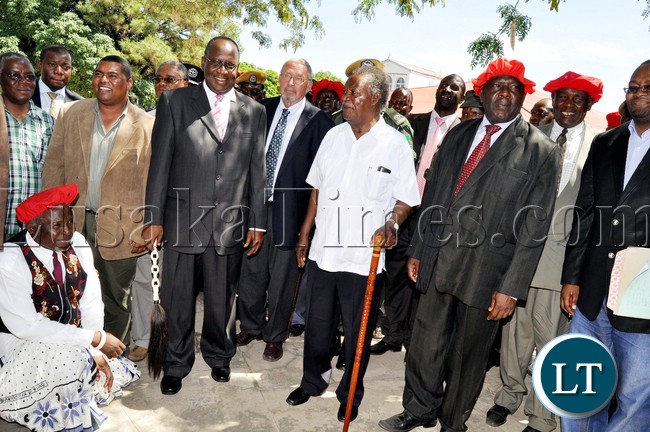
The anticipated voting over the Barotseland Agreement of 1964 at the national Constitution Convention in Lusaka yesterday failed to take place after architects of the motion decided to have the voting called off.
Former Speaker of the National Assembly Amusaa Mwanamwambwa, just before the voting started, sought permission from chairperson of the convention Muyunda Mwanalushi to say something over the voting on the Barotseland Agreement.
Mr Mwanamwambwa moved a motion that voting on the Barotseland Agreement should not take place and that the matter should instead be referred to the parties concerned, the government and the Barotse Royal Establishment (BRE).
“The BRE and the government should dialogue over this matter and find a lasting solution. That is the reason I am asking that this gathering should not vote on it. This meeting can facilitate for a speedy resolution of this matter,” Mr Mwanambwambwa said at the Lusaka Mulungushi conference Centre where the convention has been held since April 10, 2013.
Mr Mwanamwamba’s motion was seconded prompting chairperson Professor Mwanalushi to put it to a vote.
Those against taking a vote overwhelmingly won against those for voting and Prof Mwanalushi called on the Electoral Commission of Zambia (ECZ) officials to instead conduct elections on three issues namely, the death penalty, the academic qualifications of the Speaker and deputy Speaker of the National Assembly and the age qualification of a presidential candidate.
The voting led by returning officer Lawrence Mulenga started just before 18.00 hours and by press time, the counting had not yet finished.
Earlier, the convention rejected a proposal that the Director of Public Prosecutions (DPP) should seek permission of the courts before entering a nolle prosequi as prescribed under Article 244 (4) of the first draft Constitution.
This was after Solicitor General Musa Mwenya had argued that there were instances that members of the public in a criminal matter approached the DPP with a complaint that the court was colluding with suspects and wondered how in such instances, the DPP could seek the court’s clearance before entering a nolle prosequi.
Heritage Party leader Godfrey Miyanda said he was a victim of the nolle prosequi himself but supported the proposal from the thematic group that the DPP should be making independent decisions on the nolle prosequi without consulting any authority.
He said while in political matters the nolle prosequi could be abused, he still maintained that the DPP’s office should be left to operate independently.
The convention was expected to be officially closed soon after the results of the voting were announced.