Constitution Amendment Timeline Questioned as Stakeholders Raise Concerns
The appointment of a United Party for National Development (UPND)-dominated technical committee three months before the end of the year has drawn strong reactions from legal experts and political leaders, who argue that the timeframe is inadequate to produce a credible constitutional amendment process.
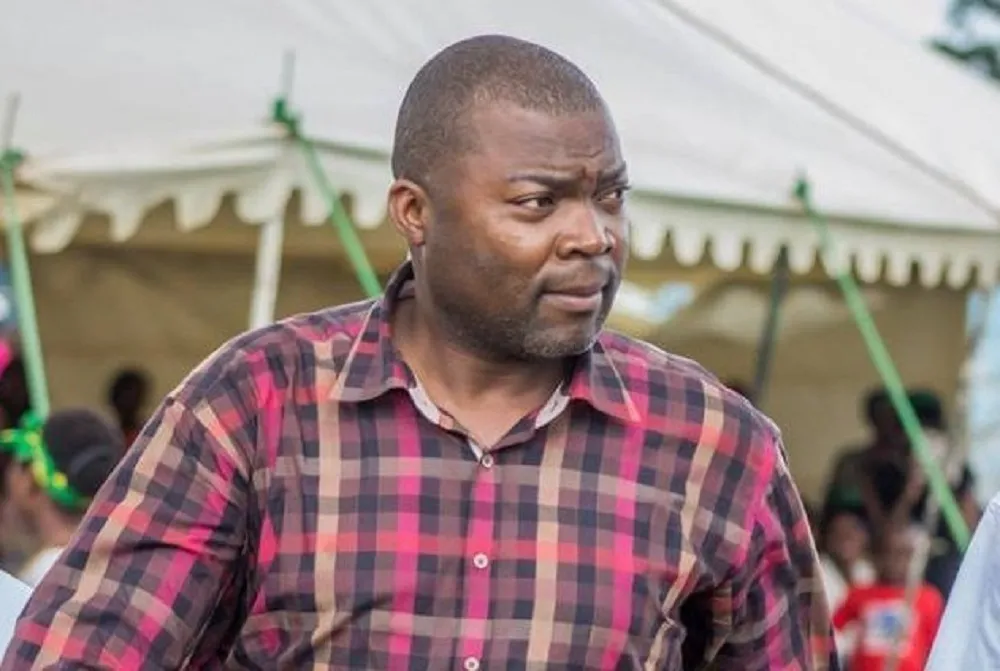
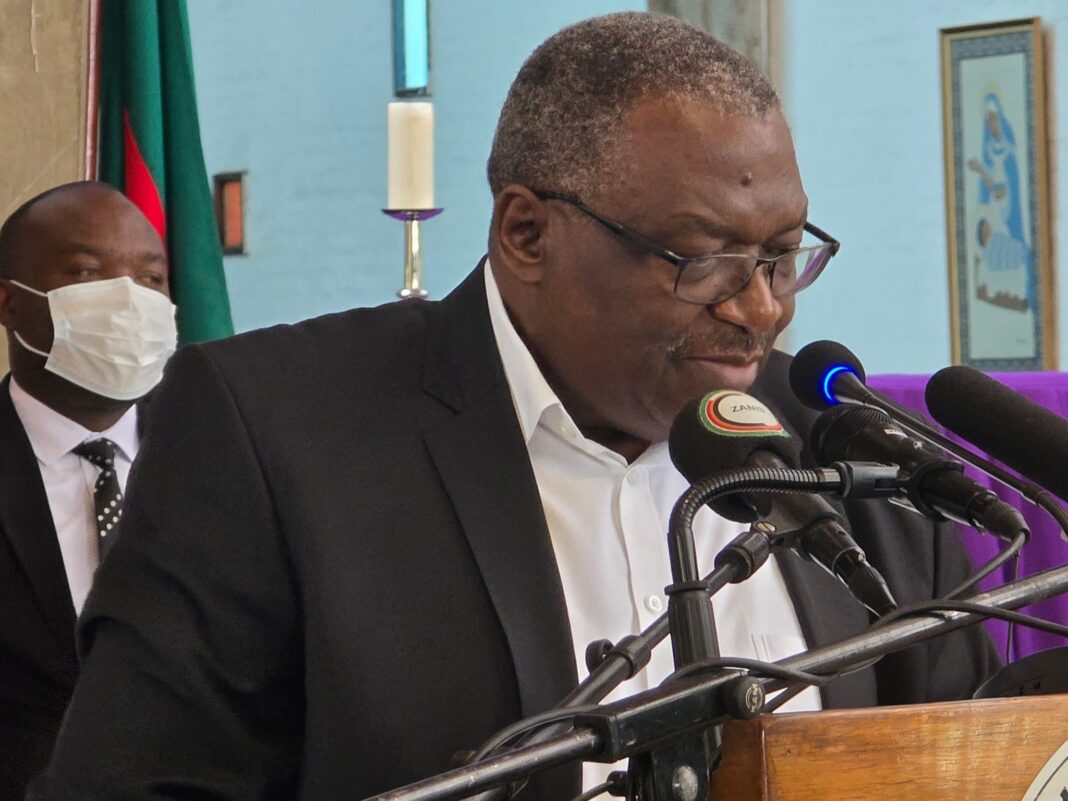
State Counsel Chifumu Banda and Citizens First (CF) president Harry Kalaba are among those who have questioned the decision to appoint the 25-member committee to revisit the rejected Bill 7 with only months remaining before the 2026 general elections. The committee, announced on October 2, 2025, is tasked with carrying out consultations and drafting proposed constitutional amendments.
Banda, who also leads the Forum for Democracy and Development (FDD), told The Mast that the timeline makes the task effectively impossible. “Parliament will be dissolved in May 2026 to pave the way for elections in August 2026. The technical committee has been appointed on October 2, 2025, less than three months before the end of the year,” he said. He added that previous constitutional amendment processes in Zambia required extensive consultation periods, including visits to all ten provinces, which cannot realistically be undertaken in the remaining time.
Banda also questioned the government’s intentions, pointing to the 13 proposed constitutional amendments contained in Bill 7, which he said had previously been rejected by Zambians due to both timing and the controversial nature of some provisions. He argued that the committee lacks both sufficient time and resources to gather input from key stakeholders across the country.
“The question that begs an answer is will the committee have sufficient time to go round all the 10 provinces to consult the people? Why the rush to amend the Constitution when elections are just around the corner?” Banda asked. He further noted that there has been no budgetary allocation for the process, raising questions about its seriousness and transparency.
Citizens First president Harry Kalaba also voiced his reservations, describing the committee as dominated by sympathisers of the ruling party. While he acknowledged that forming the committee aligns with the Constitutional Court judgment requiring government to restart the amendment process in an inclusive manner, he warned that the composition raises doubts. “From the onset, concerns have been raised about the composition of the technical committee. Many voices have described it as a ‘committee of praise singers’ dominated by those sympathetic to the ruling party,” Kalaba said.
Kalaba cited academic Dr Sishuwa Sishuwa’s warning that the three independent members on the committee risk being used to legitimise a process that may not reflect broad national consensus. He expressed concern that the numerical dominance of ruling party allies could be used to repackage previously rejected provisions, undermining the Constitutional Court’s ruling.
The government appointed retired Supreme Court judge Christopher Mushabati to lead the committee, whose work will take place in a politically charged environment ahead of the 2026 polls. Observers note that constitutional reform processes in Zambia, including the one led by Justice Annel Silungwe in 2011, typically involved extensive consultations and were not tied to election calendars. The Silungwe committee, for instance, was given several months to draft and conduct district, provincial, and national consultations.
The current process, by contrast, is expected to unfold within a compressed timeframe with limited budgetary backing. Both Banda and Kalaba argue that this raises serious questions about the government’s motives and the feasibility of producing a people-driven constitution through this exercise.