
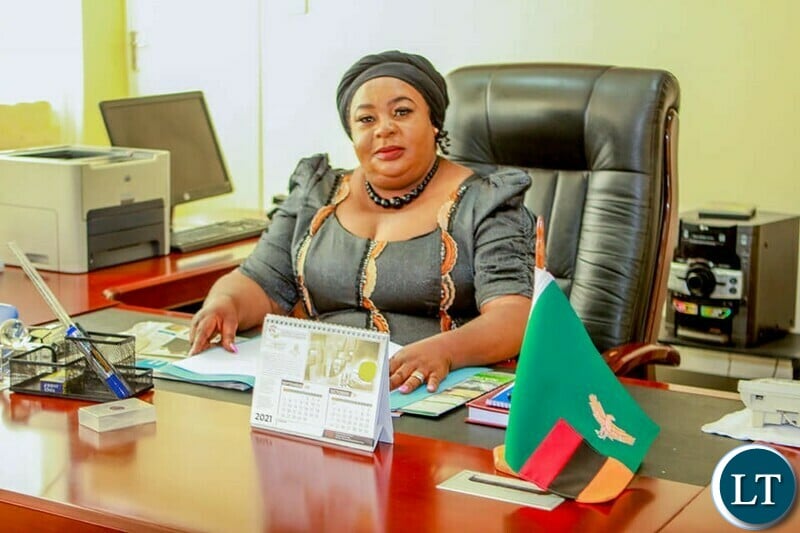
Zambia has reaffirmed its commitment to protecting the rights of children in conflict with the law through the official launch of five key Child Justice Institutional frameworks aimed at strengthening child justice in the country.
Minister of Community Development and Social Services, Doreen Mwamba, has revealed that the five documents launched include the National Diversion Framework, the Revised National Child Justice Strategy and Action Plan (2022–2026), the Prosecutors’ Handbook on Sexual Violence.
“The documents also include Zambia Police Guidelines on Handling Children in the Criminal Justice System, and the Prosecutors’ Guidelines on the Management of Children in the Criminal Justice System,” she disclosed.
Ms Mwamba explained that the frameworks are more than just policies they represent a commitment to protect vulnerable children and to reform systems that have long required transformation.
In a speech read on her behalf by Minister of Youth Sport and Arts Elvis Nkandu during the joint launch of the Child Justice Institutional Framework and the Child Justice week in Lusaka, Ms Mwamba highlighted the National Diversion Framework as a major milestone, noting that it reflects a bold shift towards restorative justice.
She emphasized that children in conflict with the law should not be punished but guided, rehabilitated and reintegrated into society.
The framework promotes alternatives to prosecution such as mediation, counselling, skills training and community-based solutions to help restore dignity and reduce stigma.
ZANIS reports that the Minister has since called on justice professionals, prosecutors, police officers, social welfare officers, and adjudicators to use these documents as their guide to strengthen their work and service to the people of Zambia.
Inspector General of Police Michael Musonda noted that the new framework seeks to promote rehabilitation over punishment, diversion over detention and compassion over condemnation when handling children who come into contact with the law.
In a speech read on his behalf by Senior Assistant Commissioner of Police Christopher Chanda, Mr Musonda outlined three key focus areas under the new framework promoting diversionary measures that keep children out of cells and courtrooms.
“Fostering collaboration with prosecutors, social workers, and community leaders, and upholding the principles of the Children’s Code Act and international standards such as the UN Convention on the Rights of the Child,” he said.
Meanwhile National Prosecution Authority (NPA) Director of Public Prosecutions (DPP) Gilbert Phiri noted that while the documents differ in focus, they share a common objective to strengthen prosecutorial practice by equipping prosecutors with clear principles, tools, and guidance for handling cases involving children, whether as victims, witnesses, or offenders.
The DPP emphasized that the frameworks represent a collective commitment to justice reform that places the best interests of the child at the centre of prosecution and judicial processes.
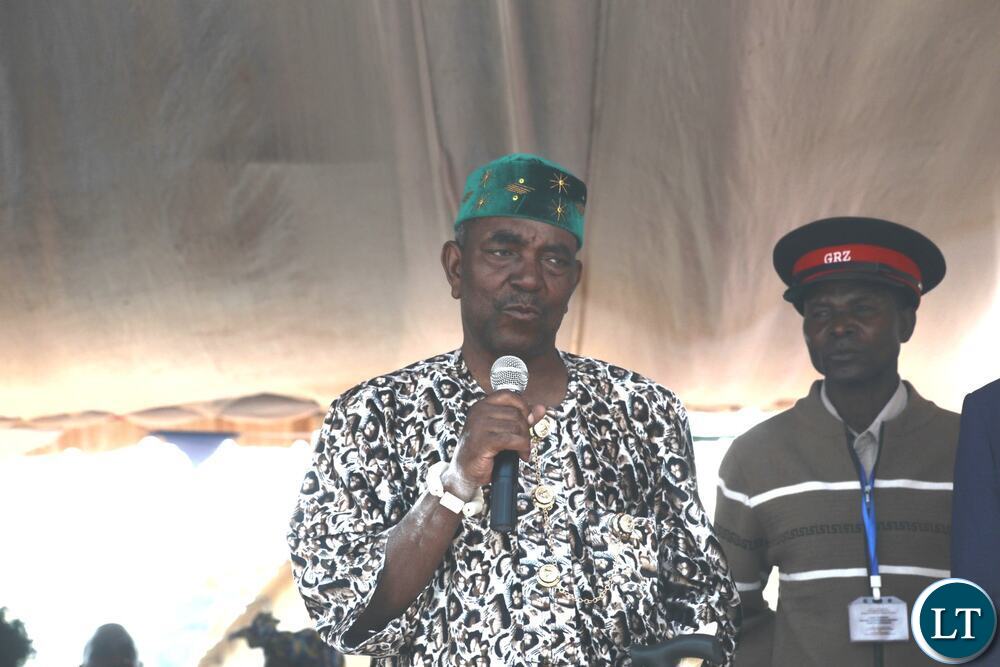
And Chief Mazdimawe of the Ngoni speaking people of Eastern province has emphasized the crucial role of traditional leaders and communities in safeguarding children’s rights and advancing child justice reforms in Zambia.
Chief Mazdimawe said traditional leaders play a central role in protecting children from harm and ensuring that justice processes reflect compassion, inclusion, and dignity.
He highlighted three key pillars necessary for an effective child justice system participation, prevention, and restorative reintegration.



Ba minister bamu Zambia. Tali aba nibakapyanga fye aba? What does this woman know apart from talking to Chabinga after midnight.