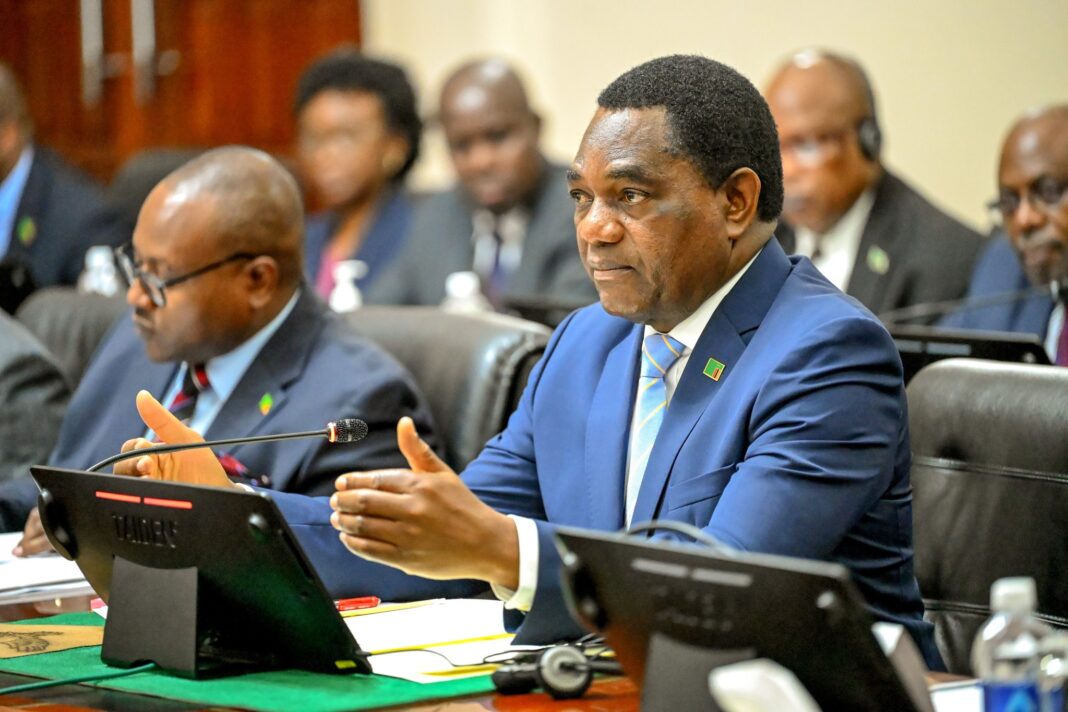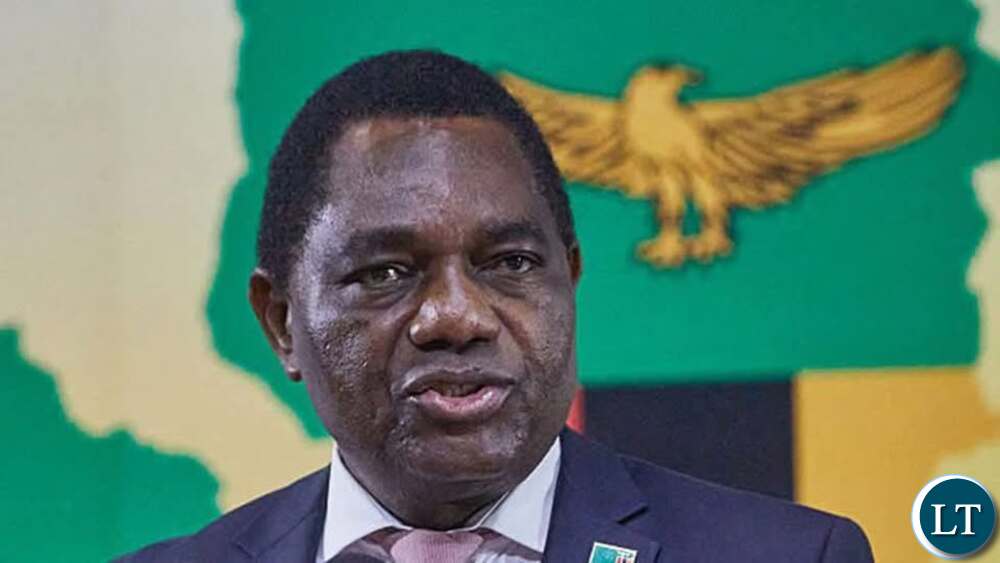
President Hakainde Hichilema has underscored the importance of dialogue and inclusivity in Zambia’s constitution amendment process.
He has stated that dialogue is a civilised tool that brings people together, fosters understanding, and leads to common ground.
The President has also emphasised that the amendment process should continue, calling for more engagements until the report is logically concluded.
The media reports that the Head of State was speaking during consultations of the amendment of constitution with various stakeholders at State House in Lusaka today.
Mr Hichilema urged Zambians to learn from past experiences and use existing data to inform the amendment process, rather than creating more data.
The President highlighted Zambia’s history of constitution making, citing the 1964 Independence Constitution, the 1973 Constitution, and the 1991 Constitution, which restored multi-party democracy.
He emphasised that dialogue has been instrumental in resolving conflicts and promoting peace in the country.
Mr Hichilema also defined the maturity of a society as its ability to resolve conflicts and challenges peacefully.
“The maturity of a society is measured by their ability, the number of times they consistently resolve their challenges whenever they arise,” he said.
The President’s remarks come amid ongoing debates on the constitution amendment process, with some stakeholders calling for broader consultations and others urging caution against rushing the process.
Civil Society Alliance, Chairperson on Legal Reforms, Caroline Katotobwe, has expressed support for the constitutional amendment process and Bill 7, saying it is a people driven process that has involved citizens from all walks of life.
Ms Katotobwe stated that the alliance strongly disagrees with the Oasis Forum’s proposal to withdraw Bill 7, saying it undermines democracy and citizen participation.
She emphasised that the process has been inclusive, with thousands of Zambians making submissions to the technical committee.
Ms Katotobwe argued that dropping the bill would disenfranchise marginalised groups, including women and people with disabilities, who have waited for a long time to have their voices heard.
She added that doing so would also undermine the progress made so far and erode trust in government.
And Independent Church of Zambia (ICOZ) Secretary General, Esther Jani, says the church supports the amendments of the bill.
Meanwhile, Student Movement Representative, who is also University of Zambia Student Union President, Kabaso Mwanto, supported the bill on delimitation of constituencies and also called for more youth representation in parliament.