MZ’s Journey to the East Overshadowed by Undue Police Interference
By Brian Matambo | 21 January 2026
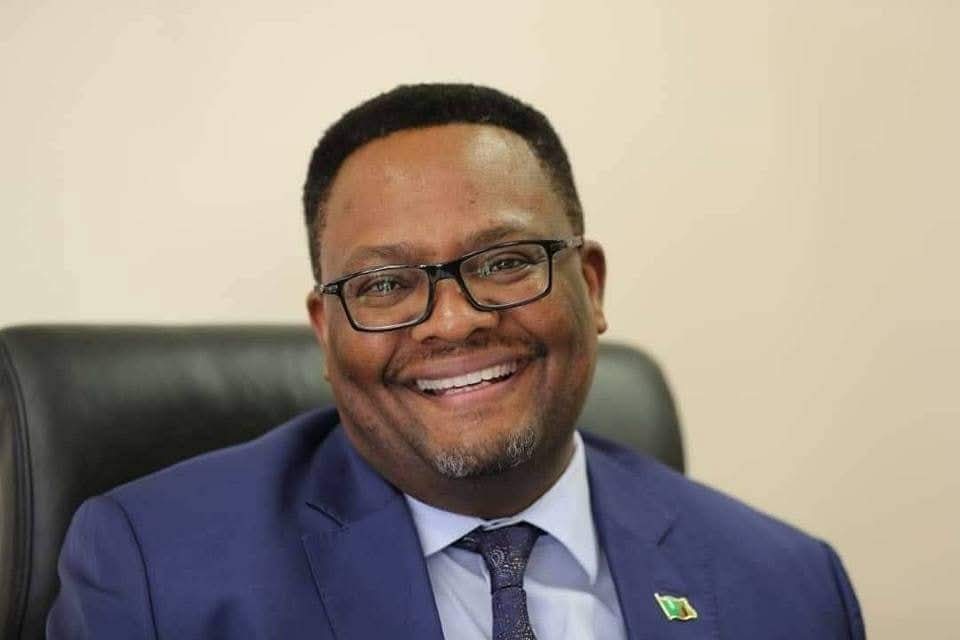
Presidential candidate Makebi Zulu returned to Eastern Province this week for the first time since surviving a serious road traffic accident in December and following his return from South Africa, where he had been mourning his mentor, the late former president Edgar Chagwa Lungu, who died on 5 June 2025.
The visit, intended as a homecoming marked by traditional courtesies and party mobilisation, unfolded under heavy police scrutiny that has since stirred national debate.
On Tuesday, 20 January, Makebi Zulu paid a courtesy call on Chief Mpamba of the Tumbuka people in Lundazi. As the meeting proceeded, police officers and ruling UPND cadres were seen surrounding the palace, a development that drew immediate attention from residents in the area.
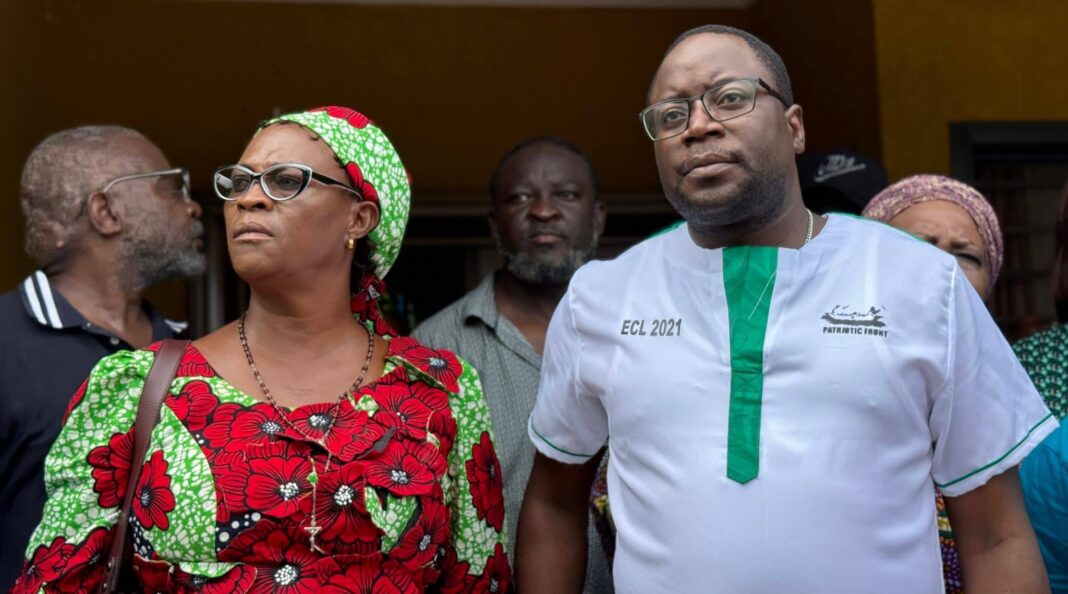
The same day, Patriotic Front officials from Lundazi, Chasefu, and Lumezi publicly endorsed Makebi Zulu’s presidential bid. These endorsements followed earlier engagements in Chipata, where he met party officials from Chipata, Chipangali, Kasenengwa, and Vubwi districts. In a message shared after the meetings, Makebi Zulu said discussions focused on mobilisation ahead of the 2026 general elections, describing the engagements as part of a broader effort to prepare the party for a national contest.
Tensions escalated on Wednesday morning, 21 January, when police blocked the Makebi Zulu delegation from proceeding to Ependukeni Palace to pay a courtesy call on Paramount Chief Mpezeni, the senior traditional leader of the Ngoni people. According to eyewitnesses, police officers stopped the convoy and informed the delegation that the chief was not expecting them and was unavailable.
Makebi Zulu confirmed that police officers, led by a deputy commissioner, had positioned themselves at the palace gates to prevent the visit. He described the situation as deeply troubling, arguing that respect for tradition, dialogue, and democratic freedoms was being replaced by intimidation. He said his decision to pursue national leadership was driven by a commitment to safeguard the country and its people, adding that he would not be intimidated.
An unidentified female police officer told members of the convoy that police had received information about the intended visit and had intervened on that basis. The action halted the delegation’s movement and quickly attracted public attention, with questions raised about the legal and customary basis for police involvement in a traditional courtesy call. By media time, Roberson Mweemba, the Eastern Province Commissioner of Police, had not issued a public comment.
Social media reaction was swift and sharply divided. Some commentators said the visible police presence only amplified Makebi Zulu’s profile, portraying him as a serious political force. Others questioned how a presidential aspirant could be blocked from visiting traditional leaders in his home province, warning that such actions signalled a narrowing civic space. Videos circulating online appeared to show cadres in ruling party regalia moving alongside police as access to the palace was restricted, further fuelling controversy.
Makebi Zulu’s Eastern Province tour was meant to be a moment of recovery and reconnection, a symbolic return home after personal loss and physical trauma. Instead, it has become a flashpoint in Zambia’s pre-election climate, raising fresh concerns about the intersection of politics, policing, and traditional authority as the country edges toward the 2026 polls.
Makebi Zulu is widely admired for his loyalty to former president Edgar Lungu, who also hailed from Eastern Province. His firm positions on constitutional matters and national asset protection have drawn attention from Zambians across social, political, and generational lines. Backed strongly by mothers within the Patriotic Front, Makebi Zulu is increasingly viewed as a symbol of the party’s rebranding, representing fresh ideas, youthful leadership, and support that cuts across gender, age, tribe, and religion.