
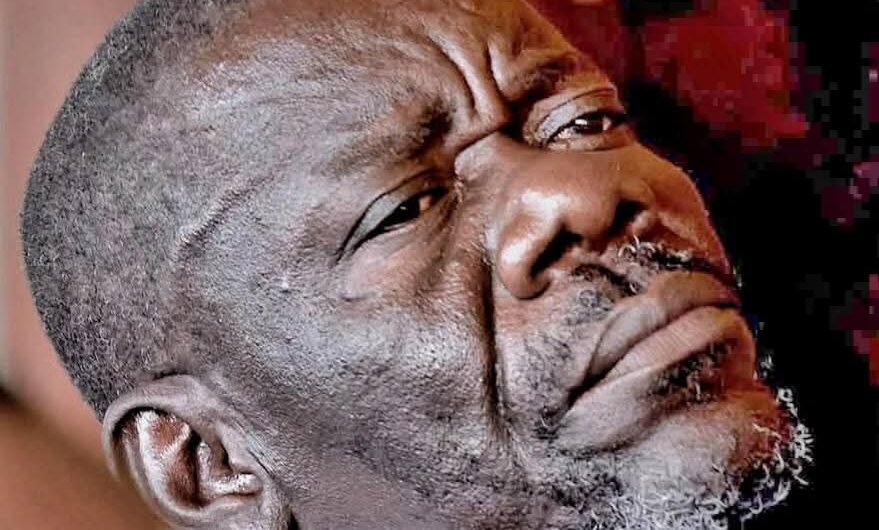
Opposition political figure Davies Mwila has claimed that Patriotic Front (PF) acting president Given Lubinda has been left in charge of what he described as an empty and weakened political structure, arguing that the party has lost much of its organisational strength, grassroots influence, and political relevance.
Mwila said Lubinda remains the leader of PF in title, but the party no longer commands the authority, cohesion, or national support it once enjoyed when it was in government. He argued that internal divisions, defections, leadership disputes, and prolonged legal battles have hollowed out the party’s operational capacity.
According to Mwila, PF’s current condition reflects years of unresolved internal conflict that have fractured the party’s unity and weakened its credibility among supporters. He said persistent infighting over leadership control, alliance positioning, and strategic direction has left the former ruling party fragmented and struggling to function as a unified political force.
Mwila claimed that many former PF members and grassroots supporters have distanced themselves from the party due to ongoing instability and lack of clear leadership direction. He argued that this erosion of internal cohesion has significantly reduced PF’s ability to mobilise voters, organise nationwide political structures, and present itself as a credible alternative in national politics.
He said Lubinda’s leadership has been overshadowed by internal court disputes, contested authority over party organs, and divisions involving the Tonse Alliance, all of which have contributed to weakening PF’s public image. Mwila argued that these conflicts have diminished the party’s influence and created uncertainty among its traditional support base.
According to Mwila, PF’s organisational framework has been stripped of much of its former strength, leaving Lubinda presiding over what he described as a “shell” of a once-dominant political movement. He argued that leadership struggles and legal wrangles have hollowed out the party’s structures at both national and grassroots levels.
Mwila further suggested that PF’s decline has affected the broader opposition landscape, shifting political dynamics and reducing the party’s ability to shape national discourse. He said political relevance depends on uanity, discipline, strategic clarity, and consistent engagement with citizens, qualities he claimed PF currently lacks.
He criticised what he described as PF’s failure to rebuild internal unity following its electoral defeat, stating that the party missed opportunities to restructure, renew leadership, and restore confidence among supporters. Mwila argued that without meaningful internal reform, PF risks further political marginalisation.
Mwila also commented on the broader political environment, suggesting that PF’s internal turmoil has contributed to voter frustration and confusion among citizens who once aligned themselves with the party. He said ongoing disputes over leadership legitimacy have weakened trust and reduced PF’s capacity to act as a strong opposition force.
He maintained that opposition parties must strengthen internal governance, discipline, and organisational clarity if they are to remain effective and credible in Zambia’s political landscape. According to Mwila, political parties that fail to address internal dysfunction risk losing relevance and public confidence.
Mwila concluded by reiterating that Lubinda remains in charge of a diminished party structure and that PF’s future depends on its willingness to confront internal weaknesses, rebuild unity, and reconnect with grassroots supporters. He said meaningful political recovery would require leadership renewal, structural reform, and a renewed commitment to organisational discipline.

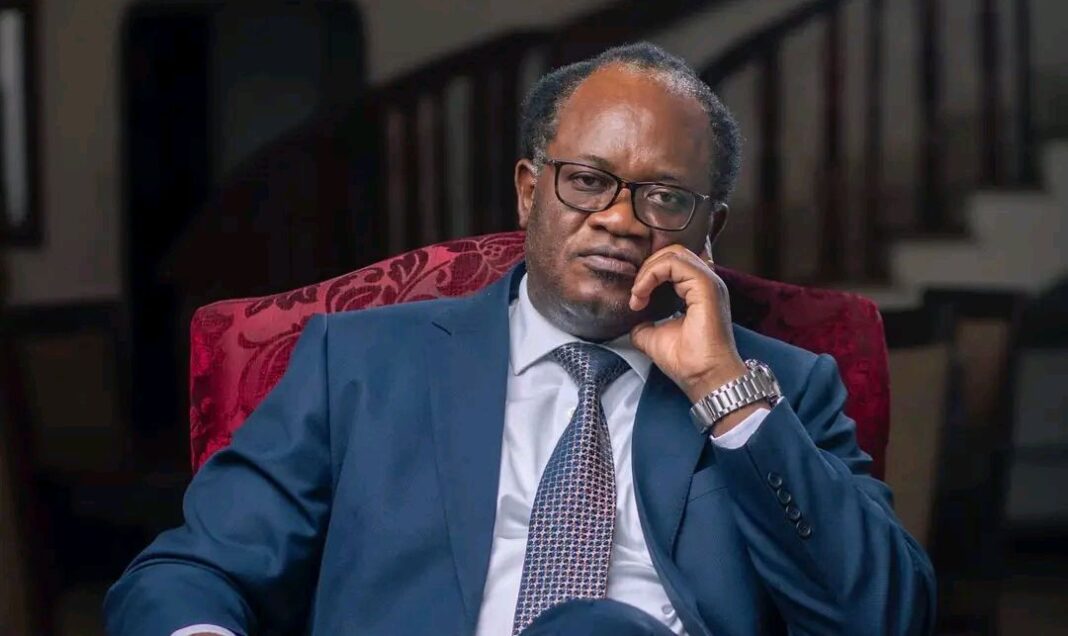
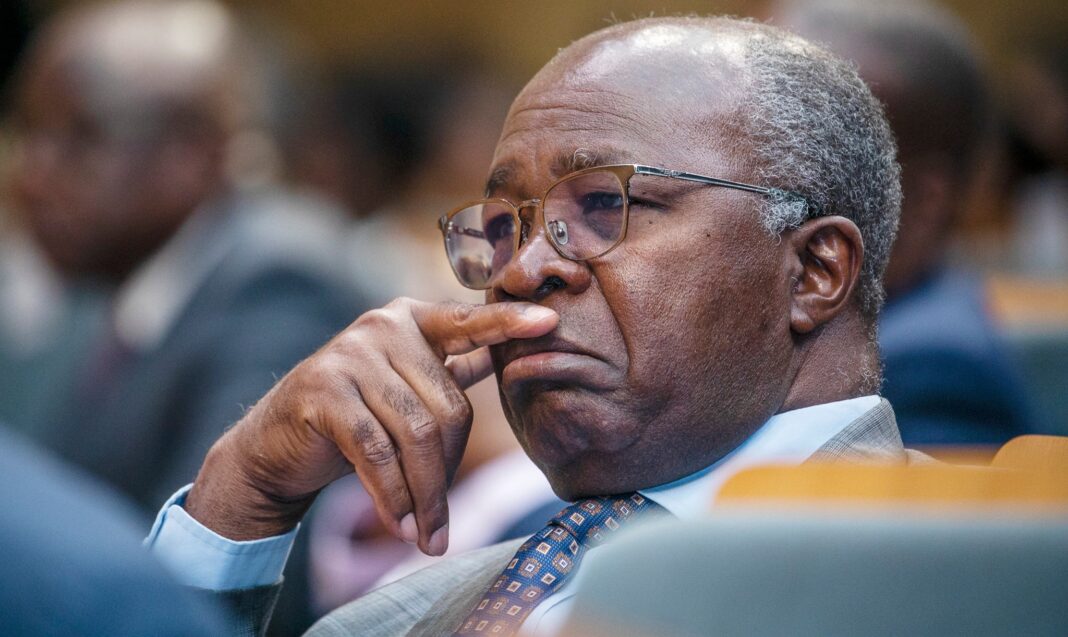


That’s right. For me personally, every time the PF thing pops up reminds of cadres and thugs with ICHIWOWO.
But yesterday at matero market, the call boys had a loud slogan at the market
One shouted : Ochosapo
Rest responded: Azibika
One shouted: Oikapo
Rest responded: Sazibika
Banjo