
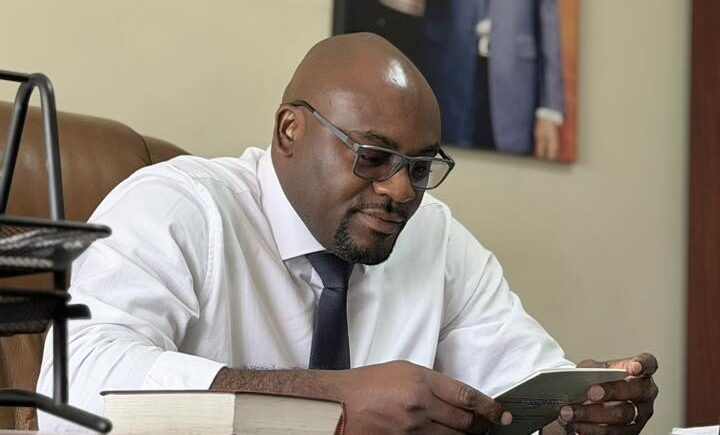
Political friction within the Patriotic Front has intensified after activist Breben Changala criticised what he described as tribal-driven narratives in national politics, while party deputy secretary general Celestine Mukandila raised alarm over alleged attempts to influence internal leadership structures. The exchange has highlighted growing divisions that continue to shape opposition dynamics ahead of the country’s next electoral cycle.
Changala delivered his remarks during public engagements addressing the direction of national political discourse. He cautioned that rhetoric rooted in tribal identity risks weakening democratic participation and distracting citizens from policy issues affecting everyday life. According to Changala, Zambia’s political environment has historically thrived on national cohesion, and leaders carry a responsibility to maintain that standard even during intense competition.
His comments surfaced amid ongoing disagreements within the Patriotic Front regarding organisational direction and internal authority. Some senior figures have called for reconciliation among factions, while others argue that structural reforms are necessary to restore credibility and rebuild support following previous electoral setbacks. Changala said unresolved disputes risk creating confusion among supporters who expect clarity from opposition leadership.
Mukandila responded from within party ranks, warning members about individuals he claims are attempting to buy influence or manipulate leadership outcomes. Speaking during a political mobilisation effort, he urged loyalists to defend existing party processes and remain vigilant against activities that could undermine unity. Mukandila emphasised that leadership changes must follow established rules rather than informal arrangements, describing internal discipline as essential to the party’s future.
The contrasting statements reveal deeper ideological differences about strategy and messaging within the opposition. Some leaders advocate a hard-line approach that confronts perceived external pressure, while others promote dialogue and restructuring as pathways toward renewal. The disagreement has also drawn attention to the broader political climate, where debates about delimitation, electoral reforms, and campaign preparation intersect with internal party disputes.
Government spokesperson Cornelius Mweetwa weighed in during separate remarks, dismissing suggestions that state policies are influenced by opposition infighting. He said national priorities remain focused on economic recovery, infrastructure development, and institutional stability rather than partisan disagreements. His response reflects a broader effort by government officials to distance governance narratives from opposition tensions.
Observers following the evolving situation note that the Patriotic Front remains a significant political force despite internal challenges. Supporters continue to rally around competing visions for the party’s future, with grassroots members seeking direction from senior leadership as political rhetoric grows sharper. Calls for unity have surfaced repeatedly, though concrete steps toward reconciliation remain limited.
The debate has also extended beyond leadership structures to include broader questions about political culture. Changala’s criticism of tribal politics has sparked conversations among civic groups who believe national dialogue should focus on policy outcomes rather than identity-based narratives. Some commentators argue that sustained infighting risks overshadowing substantive discussions about governance and economic reform.
Mukandila, however, maintains that strong internal discipline is necessary to preserve organisational strength. He said party members must resist any attempts to weaken structures from within, emphasising that loyalty to established procedures will determine whether the Patriotic Front can present a coherent strategy in the coming months.
Political analysts suggest that the intensity of current exchanges reflects a movement undergoing transformation. Leadership disputes often emerge during periods of transition, particularly when parties attempt to redefine their identity after shifts in national leadership. Whether the Patriotic Front can navigate these tensions without further fragmentation remains uncertain.
For many citizens watching from outside party structures, the unfolding exchanges represent a test of political maturity. Voters expect leaders to articulate clear positions on economic and social issues while maintaining respect for democratic principles. The way opposition figures manage disagreements could influence public perception heading into future elections.
Despite the sharp rhetoric, some voices continue to call for constructive engagement. Advocates of dialogue argue that open debate can strengthen democratic institutions when conducted responsibly. Whether that approach gains traction will depend on how key figures respond to mounting pressure from both supporters and critics.
With election preparations slowly taking shape, the political landscape remains fluid. Changala’s warning about tribal narratives and Mukandila’s claims about leadership interference have added new layers to an already complex environment. The coming months will likely determine whether internal disagreements evolve into a unified strategy or deepen divisions within one of Zambia’s most prominent opposition movements.



What happened to legitimate leadership structures? You cannot solve a problem without identifying the route cause.
Voters deserve to be told the truth in order to boost their confidence.