
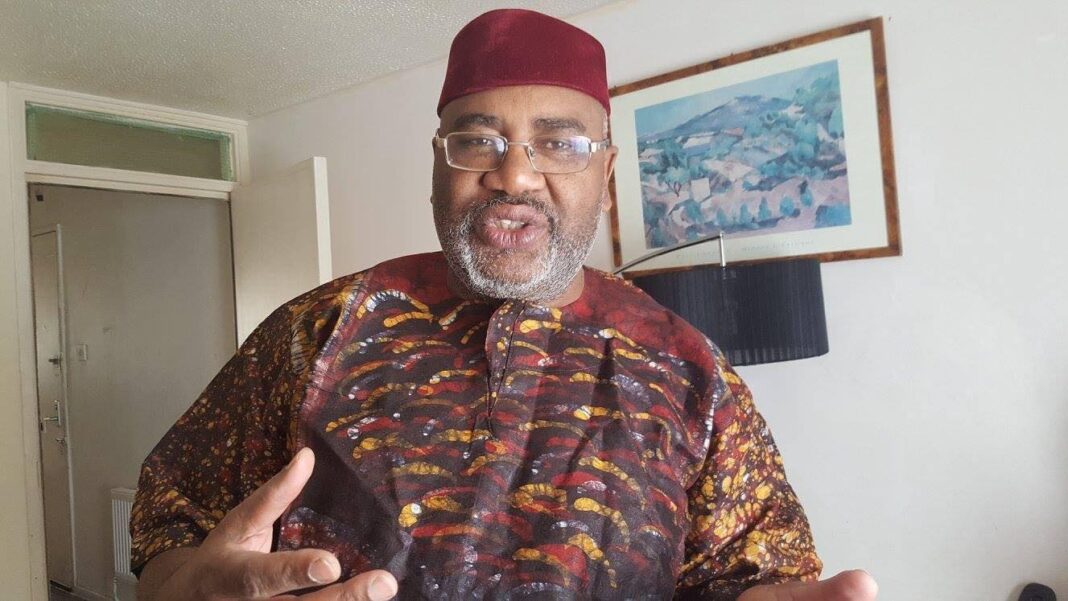
Questions about parliamentary transparency have surfaced after political activist Nason Msoni raised concern over the decision not to disclose how Members of Parliament voted on legislation connected to electoral reform. The issue centres on the handling of the Bill 7 vote and its relationship to a proposed Draft Electoral Process Bill that introduces new requirements affecting political alliances
Msoni’s remarks come at a time when electoral law remains under heightened national attention. According to the report, he wondered why Parliament chose not to publish the voting pattern, particularly when the legislation touches on procedures that could influence the political landscape ahead of elections. He indicated that citizens should be able to examine how their representatives align themselves on issues that carry direct implications for democratic participation.
The proposed Draft Electoral Process Bill has generated debate across civic and political spaces. Provisions linked to alliance registration with the Registrar of Societies have drawn scrutiny, with stakeholders questioning how the framework might shape cooperation among political actors. Msoni suggested that the secrecy surrounding the vote raises legitimate questions about openness in legislative decision-making.
Transparency in parliamentary procedure remains a central theme in the activist’s position. He argued that publishing voting records strengthens accountability and allows voters to assess representation more clearly. In his view, electoral reforms demand a higher level of clarity because they influence governance structures and the administration of elections.
The issue reflects broader national conversations about legislative conduct and democratic standards. Electoral reforms often attract close scrutiny due to their potential to affect political competition and institutional processes. Msoni framed his concern as part of a wider effort to ensure that governance remains open and accessible to public understanding.
Stakeholders following the legislative process have noted that the Draft Electoral Process Bill seeks to introduce administrative order into alliance arrangements. While reform efforts aim to clarify procedures, critics have urged lawmakers to ensure that implementation remains transparent. Msoni’s remarks align with this perspective, highlighting the importance of public confidence in parliamentary decisions.
Parliamentary debates on electoral reform continue to evolve within a complex political environment. As lawmakers consider legislative proposals, civic actors have emphasised the need for clear communication and inclusive dialogue. Msoni’s intervention places additional focus on the role of Parliament as an institution accountable to voters.
The secrecy surrounding the voting pattern has also raised questions about procedural precedent. Observers note that disclosure of voting records allows citizens to understand the positions taken by their elected representatives. Msoni argued that withholding such information risks creating uncertainty about legislative intent, particularly when reforms carry national significance.
Despite the criticism, the legislative process continues through established parliamentary channels. The Draft Electoral Process Bill remains under discussion, with stakeholders examining how its provisions could influence election administration. Msoni’s comments highlight the tension between procedural discretion and public expectation for openness.
His position does not reject the existence of electoral reform but calls for clearer communication during its implementation. He indicated that democratic institutions reinforce their legitimacy through transparency and engagement with citizens. The ongoing conversation around Bill 7 reflects the dynamic nature of legislative reform and the public’s interest in understanding how decisions are made.
As Parliament advances its agenda, the debate over secrecy and accountability is likely to remain a focal point. The question raised by Nason Msoni underscores a broader theme in governance: that legislative authority operates alongside public scrutiny. How lawmakers respond to calls for transparency may shape perceptions of electoral reform in the months ahead.




Happenings in this country are very saddening. There is need to vote for credible people in the coming elections.