The Ministry of Green Economy and Environment has called on charcoal traders and producers to transition to the gas business, describing it as a cheaper, cleaner and safer alternative that can help reduce deforestation and lower household energy costs.
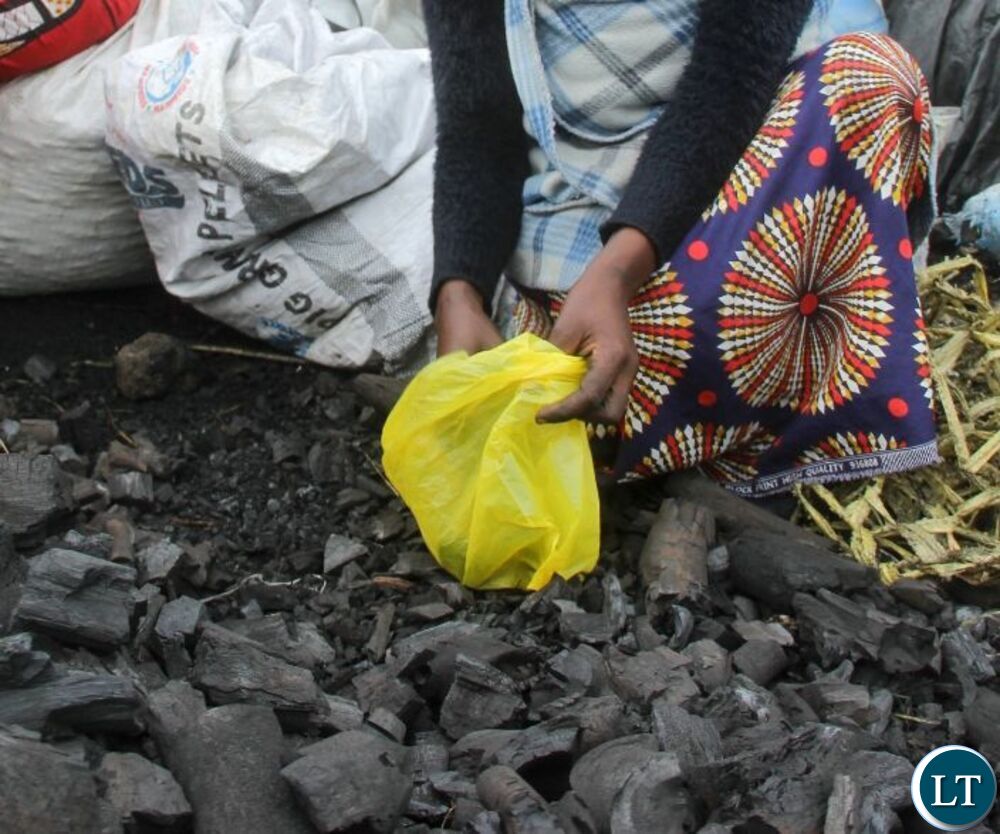
Charcoal trading remains a major economic activity in Zambia, reportedly contributing over three percent to the country’s GDP, according to the Center for International Forestry (CIFOR) Research. The sector provides employment to thousands of people and supplies more than 80 percent of household cooking energy demand.
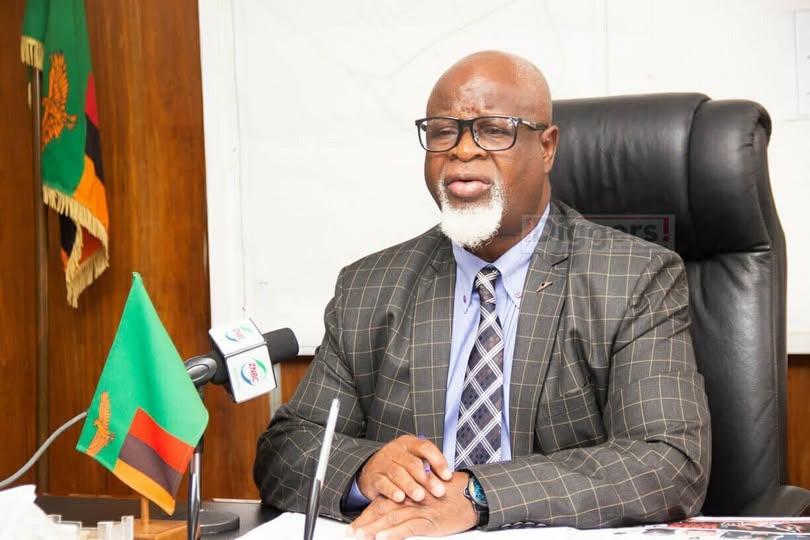
In an interview with the media, Ministry Permanent Secretary John Chibamba said government is rolling out a community-based gas distribution model aimed at making liquefied petroleum gas (LPG) more accessible and affordable, particularly for low-income households.
Under the initiative, consumers will be able to purchase gas in small, flexible quantities — similar to how charcoal is sold.
“If you have a 10kg cylinder but only need gas worth K50, you’ll get exactly that. The idea is to make gas accessible to everyone, regardless of income,” Chibamba said.
The programme is being implemented in partnership with Linde Group and Afrox Zambia. It will establish community gas filling points within walking distance of residential areas, allowing households to refill cylinders conveniently, even outside standard business hours.
Chibamba said the decentralised approach is designed to reduce dependence on charcoal, which is a key driver of deforestation, particularly in rural areas supplying urban markets.
“If we kill the demand for charcoal in urban areas, rural producers will have no incentive to cut down trees,” he said.
On safety concerns, Chibamba assured the public that all users will undergo mandatory training on proper handling of gas cylinders and stoves before accessing the service.
“It’s safe, and measures are in place to make sure every user knows how to handle it,” he said.
The Permanent Secretary added that the ministry is also exploring solar energy solutions as alternative cooking and power options under the broader green economy strategy.
Responding to claims that gas is more expensive than charcoal, Chibamba dismissed the assertion.
“No, actually gas is cheaper than charcoal,” he said.