
Political tension is rising ahead of the August general elections, with opposition leaders accusing the administration of narrowing democratic space through legal processes and administrative decisions unfolding during campaign season.
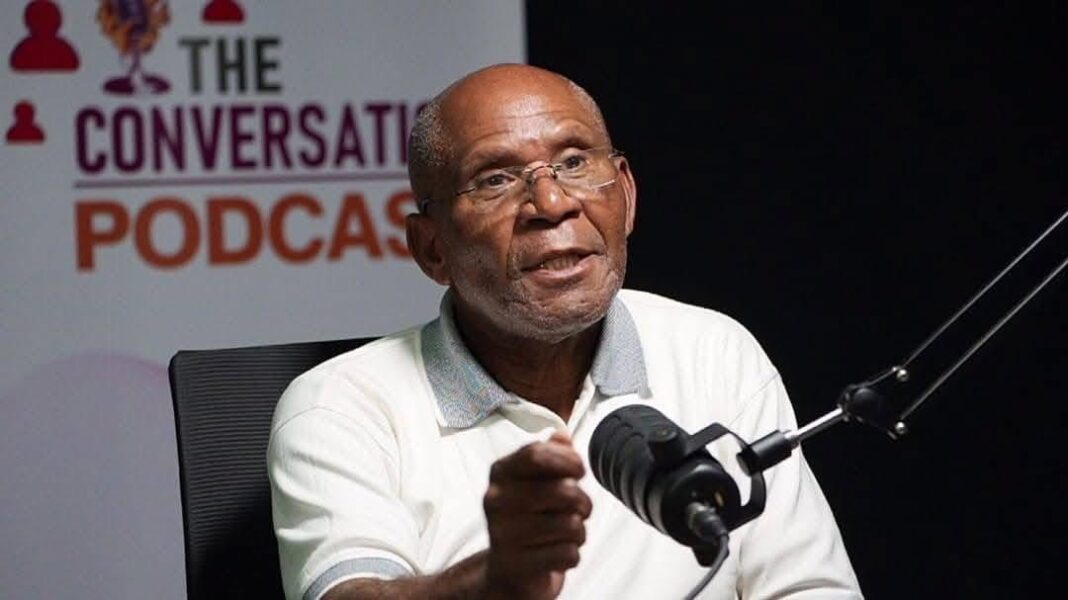
Bob Sichinga, Vice President of the Peoples Pact Movement, has alleged that opposition figures face restrictions when attempting to mobilise supporters. He argues that state institutions are being applied unevenly, limiting opposition outreach while the incumbent continues nationwide engagements.
The allegation adds pressure to an already sensitive political climate.
At the centre of the dispute is the Electoral Commission of Zambia’s delimitation exercise. Richwell Siamunene has described the consultation process as predetermined, questioning whether public engagement meaningfully influences boundary decisions.
Delimitation is not a routine bureaucratic adjustment. Constituency boundaries shape representation, influence electoral outcomes and determine the distribution of development resources. Changes introduced in proximity to a national election naturally attract scrutiny.
Critics argue that consultation timelines have been compressed and that stakeholders were not sufficiently engaged before proposals were advanced. They contend that transparency and timing are central to electoral credibility.
The Commission continues with the process under its constitutional mandate.
Parallel to the boundary debate, a separate legal matter has intensified discussion around freedom of expression.
Raphael Nakacinda remains before the courts over remarks made during the 2024 aflatoxin crisis. At the height of public concern over contaminated mealie meal, Nakacinda publicly raised alarm about food safety. Laboratory findings later confirmed the presence of aflatoxins in certain batches, and product recalls followed.
Supporters frame the prosecution as punishment for speech. Authorities maintain that the matter falls within existing legal provisions. The case has revived debate about the scope of political expression and the continued application of older penal statutes in a constitutional framework.
Legal proceedings continue. Strong enforcement rhetoric relating to illegal mining operations has also entered the political conversation. Critics argue that aggressive language during an election season feeds perceptions of institutional imbalance. Security authorities maintain that enforcement actions target criminal activity, not political dissent.
The convergence of these developments has sharpened the national mood.
Boundary consultations, active court cases and intensifying campaign mobilisation now sit on the same timeline. Each process may be legally grounded, yet collectively they shape public perception.
Perception influences legitimacy. Democratic competition requires visible neutrality. Opposition parties must demonstrate they can organise freely. The administration must demonstrate that enforcement and governance mechanisms operate without partisan bias. Electoral authorities must maintain trust in boundary-setting decisions. The judiciary must project independence in politically sensitive cases.




The party in office has an advantage and plays in variance so many ways. The opposition especially that has been in office before has the biggest whining megaphone associated with frustration of self inflicted disorganized including internal conflicts.
I’m private sector, 92% of the employees work to their full potential whilst in government it’s vice versa due to much reliance on policies in place. Why is it that some opposition are so desperate to get on office. I can assume that it administration of fake power and thieving.
Hey ba those rotten PF used to effect the same tactics of shrinking political space for others .Why cry about it now hypocrites .
These rotten UPND started shrinking the space with one eyed cyber laws. Keeping DeadNBC under their control and appointing someone clueless as boss of the media namely Thabo Kawana