Political manoeuvring within Zambia’s opposition has intensified ahead of the August general election, with several leaders outlining sharply different approaches to alliances, party structures and electoral participation.
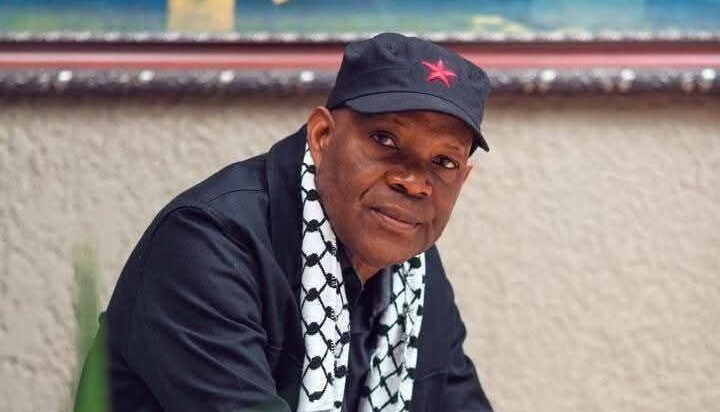
The latest developments follow statements from Green Party president Peter Sinkamba, who said discussions around opposition cooperation remain active but warned that the effort risks being undermined if those facilitating the process act against the objective of building a united political front.
Sinkamba said the idea of a coordinated opposition strategy was intended to bring together political parties seeking to contest the elections on a common platform. He raised concerns, however, that individuals involved in facilitating the process could frustrate attempts to achieve meaningful cooperation if they do not approach the discussions in good faith.
His remarks came amid widening disagreement over the structure through which opposition actors intend to participate in the election.
At the centre of the dispute is the Tonse Alliance, a political grouping associated with Patriotic Front faction leader Brian Mundubile.
Lawyer Makebi Zulu has challenged the political legitimacy of the alliance, arguing that it does not constitute a legally recognised political party. Zulu urged Mundubile to return to existing party structures rather than continuing to operate under the Tonse formation.
Zulu said he rejected an invitation to join the alliance and maintained that political participation should be anchored within recognised party institutions capable of participating in elections under established legal frameworks.
His position reflects a broader dispute within opposition ranks over whether new alliances should be created or whether existing party structures should remain the basis of electoral participation.
Despite those criticisms, the group aligned with Mundubile has moved forward with its own arrangements for the upcoming polls.
Officials linked to the Tonse Alliance confirmed that the bloc has agreed to use the Forum for Democracy and Development (FDD) as the political vehicle through which its candidates will contest the August elections.
The decision followed consultations among alliance members seeking a recognised party platform for electoral participation. Under Zambia’s electoral framework, candidates must contest elections through registered political parties, making access to an existing party structure essential for groups operating outside traditional party systems.
Alliance officials indicated that adopting the FDD platform would allow participating members to field candidates while maintaining the broader political identity of the Tonse Alliance.
The development places the alliance within an established political structure even as wider discussions about opposition cooperation continue.
Meanwhile, traditional leadership has also entered the national political conversation surrounding the evolving opposition landscape.
Paramount Chief Mpezeni of the Ngoni people criticised Mundubile, stating that the promises currently being presented to citizens do not represent new political ideas.
The chief’s remarks introduce another element into the unfolding political exchanges, as traditional leaders occasionally weigh in on national political matters during election periods.
Such statements often attract attention because of the influence traditional authorities hold within their respective communities.
The exchanges highlight the complex political environment developing as Zambia approaches the election season.
Opposition leaders are navigating questions of leadership, alliance formation and legal recognition while also seeking strategies that will allow them to participate effectively in the national vote.
Political cooperation among opposition parties has historically emerged as a recurring theme in Zambia’s electoral politics. Yet the latest statements illustrate that significant differences remain over how such cooperation should be structured and who should lead it.
With the election calendar moving closer, political parties are expected to continue negotiations over alliances, candidate sponsorship and campaign structures.
How those discussions evolve in the coming months will determine whether opposition actors eventually converge around a coordinated electoral strategy or proceed into the campaign period under separate political arrangements.