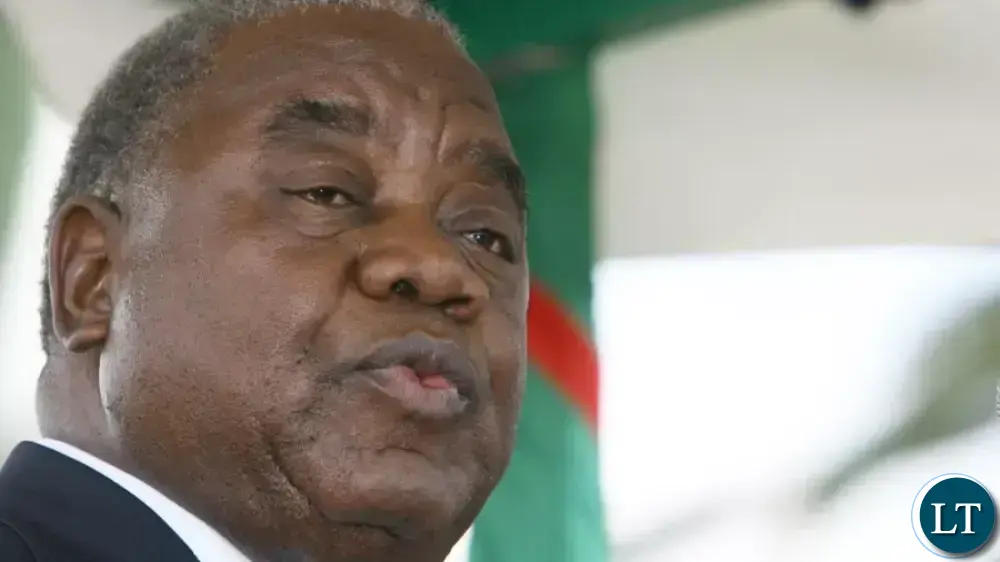
Stakeholders have remembered and praised Zambia’s fourth late President, Rupiah Banda, for his contribution to the country’s political and economic history.
As tomorrow, March 11th, marks his fourth memorial, the late former President, fondly known as RB, has been described as a leader who promoted diplomacy, peace and stability in Zambia’s politics.
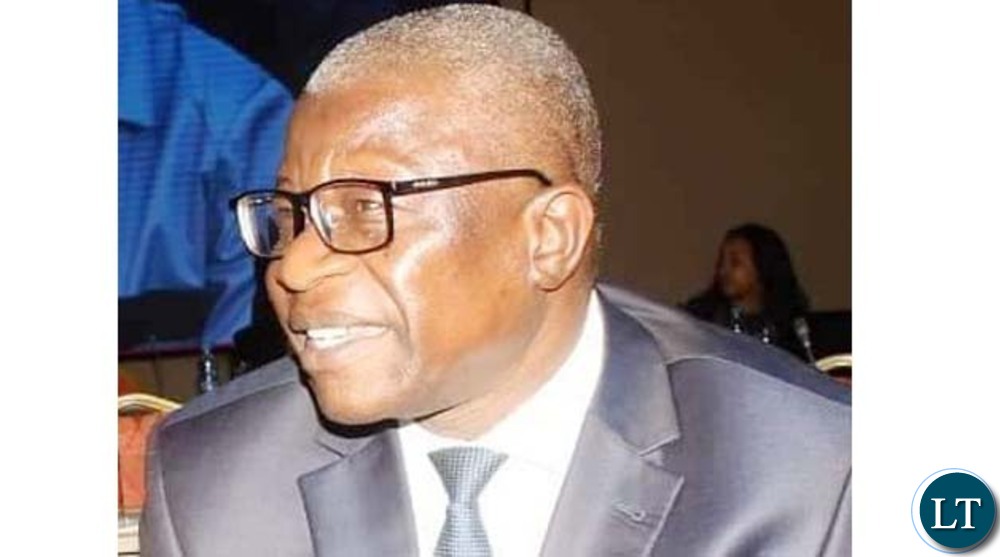
Political Analyst, Oment Siachekutu has labelled late President Banda’s leadership as a period defined by diplomacy, stability, and continuity especially during a critical transition in the country’s political history, following the death of his predecessor, Levy Mwanawasa.
Mr Siachekutu told the media in an interview that Mr Banda’s leadership style was largely shaped by his diplomatic background, which influenced his approach to governance and national development.
“If you ask me about Rupiah Banda’s Presidency from 2008 to 2011, it was a significant period in Zambia’s political history, marking the transition from Levy Mwanawasa’s leadership.
“He was a seasoned diplomat and brought a unique approach to governance because he focused on economic development, stability, and national unity,” he added.
Mr Siachekutu explained that the late President Banda largely continued with the economic policies introduced by his predecessor, particularly in maintaining economic stability, while prioritising infrastructure development and agricultural growth.
He, however, noted that Mr Banda’s administration also faced criticism from some sections of society who felt the government had softened the strong anti-corruption drive that characterised Mwanawasa’s leadership.
According to Mr Siachekutu, the late President’s administration instead focused on maintaining national cohesion and institutional calm during a time of political and economic transition.
Meanwhile, Mr Siachekutu also stated that Mr Banda’s diplomatic experience helped him strengthen international cooperation and attracted trade and investment, while his peaceful concession after losing the 2011 election to late former President, Michael Sata, reinforced Zambia’s reputation for democratic governance.
University of Zambia Historian, Bizeck Phiri, said in a separate interview with ZANIS that the late President Banda belonged to a generation of leaders who helped shape Zambia’s diplomatic presence in the early years after independence.
Professor Phiri explained that Mr Banda served in several diplomatic positions and helped strengthen the country’s international standing through engagement with global partners.
“In his humbleness, he accepted that responsibility. He stepped in not out of personal ambition, but because the country needed guidance,” Prof Phiri said.
Prof Phiri further described the late former Head of State as an inclusive leader who governed without discrimination, but prioritised national unity in line with Zambia’s founding principle of “One Zambia, One Nation.”
“During the global financial crisis, Mr Banda’s administration also focused on maintaining economic stability while promoting investment, including increased engagement with international partners,” he recalled.
Zambia’s Fourth President, Rupiah Banda, died at the age of 85 on 11th March 2022.