
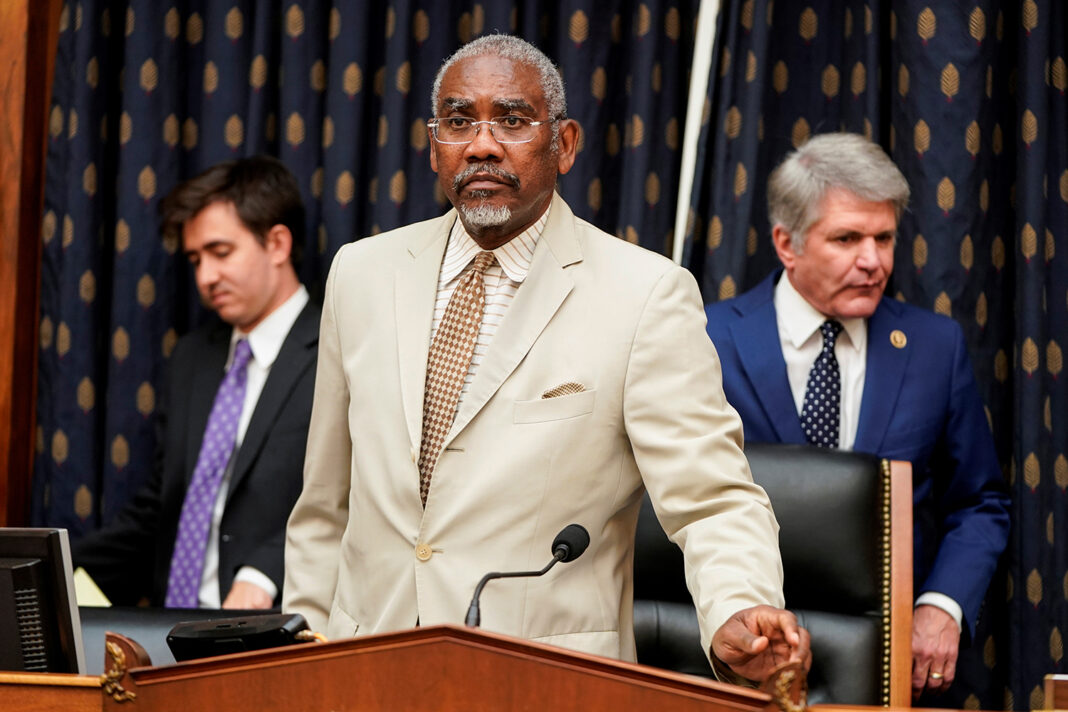
A United States congressman has condemned proposals linking health support to access to Zambia’s mineral resources, placing fresh international attention on ongoing discussions between Lusaka and Washington over HIV funding and strategic minerals.
The remarks, reported in the Daily Revelation, add a new dimension to an issue that has already drawn scrutiny within Zambia following investigative reporting and public reaction captured across multiple publications. At the centre of the matter is whether cooperation in the health sector, particularly support for HIV programmes, should be connected to mineral access arrangements.
The congressman’s criticism sharpens concerns that such proposals risk crossing a line between development support and resource negotiation. His intervention signals unease within sections of the US political establishment about how engagement with Zambia is being structured, particularly where sensitive sectors intersect.
On the Zambian side, findings reported in News Diggers show that government has taken a firm position, resisting any framework that would tie health cooperation to concessions in mining. Officials have indicated that mineral policy remains governed by national laws and long-term economic priorities, and should not be shaped by external funding arrangements.
The dual narrative emerging from the two sides reflects a widening tension. While Zambia is seeking to maintain control over its resources, the involvement of a US lawmaker highlights that the issue is no longer confined to technical discussions between officials but has entered the political space.
Zambia’s health sector remains heavily supported by international partnerships, particularly in programmes addressing HIV. These partnerships have historically operated within structured frameworks that separate health support from broader economic negotiations. Any attempt to merge these areas introduces questions about precedent, policy direction, and long-term implications.
At the same time, Zambia’s mineral sector continues to attract global interest. The country holds significant deposits that are central to supply chains linked to industrial production and emerging technologies. This has increased the strategic value of its resources, placing them at the heart of international engagement.
The convergence of these two realities has created a complex policy environment. On one side is the need to sustain critical health programmes; on the other is the imperative to protect national control over strategic assets.
Public sentiment, reflected in reader feedback carried in News Diggers, shows that the issue has resonated beyond policy circles. Views such as calls for Zambia to retain its minerals even at the cost of external support illustrate the depth of feeling surrounding resource sovereignty. These reactions underscore how the issue has shifted into the national consciousness, where it is being interpreted through both economic and political lenses.
Government’s position, as outlined in reporting across the papers, is that cooperation remains open but must be structured within clearly defined boundaries. Officials have emphasised that partnerships should align with Zambia’s development agenda and legal frameworks, rather than introduce conditionalities that could influence policy in unrelated sectors.
The congressman’s intervention complicates the picture further. By publicly condemning the approach, he introduces pressure within the US system itself, suggesting that not all stakeholders are aligned on how such engagement should proceed. This raises the possibility that discussions could evolve as positions on both sides are reassessed.
The issue also highlights broader shifts in how countries negotiate development support and resource management. As global demand for critical minerals rises, resource-rich countries are increasingly navigating proposals that extend beyond traditional aid structures. Zambia’s response reflects an attempt to manage this changing landscape while maintaining policy independence.
Within government, consultations are understood to be ongoing, with technical assessments examining the implications of different engagement models. These include how proposed arrangements would interact with existing mining laws, investment frameworks, and health sector strategies.
The balancing act remains delicate. Health programmes require continuity and stability, particularly those addressing HIV, while mineral resources represent long-term economic leverage. Aligning these priorities without compromising either has become central to current decision-making.
Diplomatic engagement between Zambia and the United States is continuing, with both sides maintaining channels of communication. However, the emergence of public criticism from a US lawmaker and strong domestic sentiment in Zambia indicates that the issue has moved beyond quiet negotiations.
What is now unfolding is a test of how Zambia manages competing pressures in a global environment where economic interests and development partnerships increasingly intersect. The outcome will shape not only the immediate discussions but also future approaches to similar engagements.
The position taken by government suggests a clear direction: resource policy and health cooperation will be handled separately, with each governed by its own framework. Whether that stance holds under continued international engagement remains a central question as discussions progress.




This should serve as a profound lesson on how we must wield our sovereignty both politically and economically to ensure that any external assistance we receive is never exchanged for the sovereignty itself. Our mineral resources belong to our children, both today and in the future. It would be a grave injustice to hand them over to America under the terms being proposed. What is being presented as aid is clearly shifting into exploitation. Do we need health assistance? Yes. Are we desperate? Yes. Should we give away our minerals? Absolutely not. Instead, we must learn from this moment to ensure we always maintain the leverage necessary to protect our nation’s sovereignty.
That’s the best deal Zambia has ever binv offered. HIV money for free. Imagine how many jobs and houses have been built from HIV NGOs.
What Zambian factories need copper or cobalt?
KK would say “get the deal, stupid idiots…”
Never trust a Politician…when they offer them kickbacks they will give away all our minerals….we know them
But don’t we use money to buy medication? Which one is better minerals or health? It is just a fair deal; our Politicians just want to deal that they benefits more than the people.
Does “a US congressman” have “a name”. In any case it’s not Zambia refusing but “a US congressman”
A US congressman. There are 535 of them, so which one?
Will find out which congress fimo fimo is on Zed’s side.