
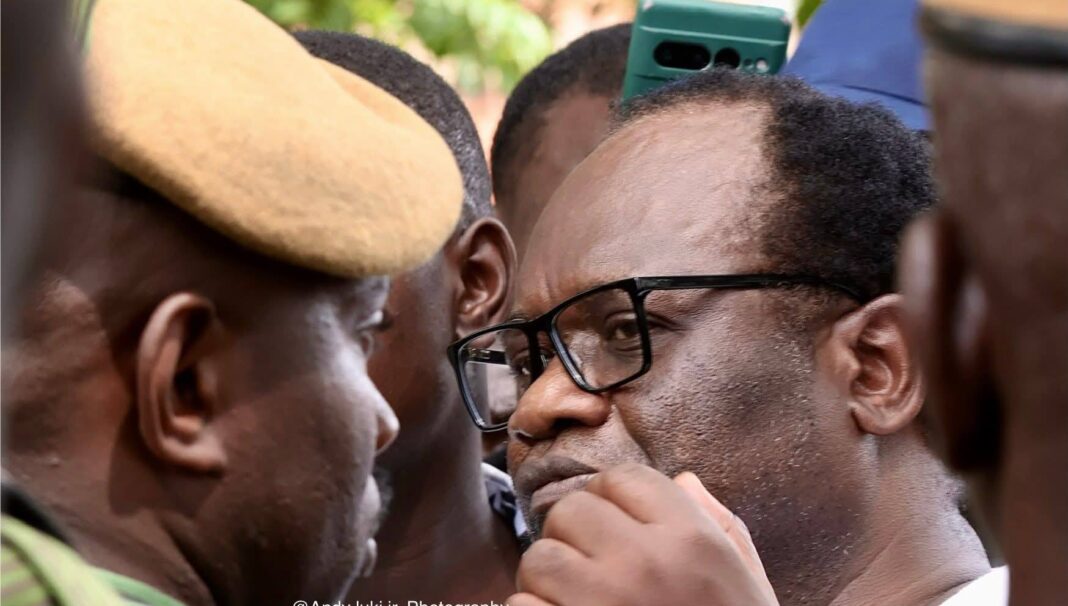
The Anti-Corruption Commission’s decision to summon Mporokoso Member of Parliament Brian Mundubile has placed Zambia’s accountability framework under sustained scrutiny, with attention fixed on how large-scale public contracts in Zambia are investigated and enforced.
The case centres on road construction contracts valued at K1.5 billion awarded between 2014 and 2020 to companies linked to the lawmaker. Investigators are examining procurement procedures in Zambia, contract allocation and whether established guidelines governing public expenditure were followed.
The scale of the contracts elevates the matter beyond an individual case. Road infrastructure projects in Zambia represent some of the most capital-intensive areas of public spending, involving multiple institutions, approvals and long-term commitments. Scrutiny of such contracts carries implications for how public resources are managed across the system.
The summoning marks a formal step in the investigative process, requiring the accused to respond within a structured legal framework. This stage reinforces the principle that public office carries obligations tied to transparency and accountability, particularly in relation to financial decisions involving national resources.
Public attention has shifted toward the conduct of institutions handling the investigation. Oversight bodies are expected to operate independently and apply consistent standards, regardless of the profile of individuals involved. Confidence in the process depends on visible adherence to procedure and the absence of selective enforcement.
The case has triggered strong emphasis on due process. Governance voices are urging restraint in interpretation, stressing that investigations must be allowed to proceed without pressure or premature judgment. The credibility of the outcome will depend on evidence, documentation and the integrity of investigative steps.
Procurement processes remain a central focus. Public contracting systems are designed to ensure transparency, competition and value for money. Questions around contract allocation, evaluation and execution form the basis of the current inquiry.
The value attached to the contracts introduces broader public interest. Large infrastructure spending shapes economic outcomes, making oversight of such funds a critical component of governance. Any irregularities within this space carry implications that extend beyond individual transactions.
The timing of the investigation has increased visibility. Developments involving public figures tend to attract heightened attention, particularly as the country approaches general elections. This adds pressure on institutions to demonstrate consistency and clarity in handling the case.
Responsibility within the process is shared. The accused is expected to respond through legal channels, while institutions must maintain procedural integrity. The interaction between these elements defines the credibility of the investigation.
The outcome will depend on the strength of evidence and the consistency of enforcement. Public confidence is closely linked to how clearly procedures are followed and how transparently findings are communicated.
The case stands as a test of accountability systems. The manner in which it is handled will shape perceptions of governance, institutional independence and the rule of law.




These are the cases you were supposed to investigate 4yrs ago.Its like you don’t know what you are doing you people
Criminals investigating Criminals….and this Criminal Mundubile wants to become President….imagine how much money he will steal this chule
We the people of Zambia have been hoodwinked that cabinet ministers and civil servants have a code of conduct barring them from doing business with government.
But we hear of such cases and also many UPND members are doing business with govt. Fertile ground for corruption. Are we citizens helpless at the hands of political power stealing the nation’s wealth?
Kaya!!!!!!!!!