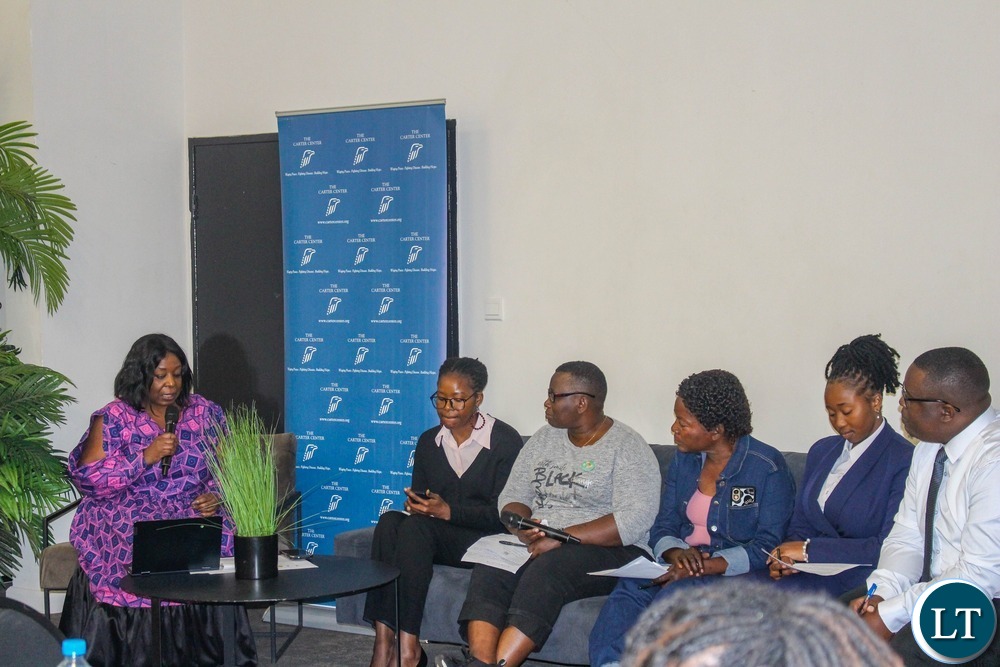
Stakeholders in the education sector have welcomed government’s decision to review the school disciplinary framework to address growing concerns over discipline in schools.
Zambia National Education Coalition (ZANAC) Board Chairperson Henry Kabwe noted that the debate around corporal punishment remains global, but emphasized that protecting the dignity of the learner must be central.
In an interview with the media, Mr Kabwe added that schools should shift focus from punishment to guidance, counselling, and promoting positive behaviour, with greater involvement of parents and communities.
Basic Education Teachers Union of Zambia (BETUZ), Public Relations Officer Michael Chisala said teachers felt inadequately protected under the current framework.
He stressed the need for a balanced approach that safeguards both learners and teachers, while clearly outlining acceptable disciplinary methods.
Mr Chisala also pointed out that although laws were clear on learners’ rights, there was limited sensitization on alternative discipline after corporal punishment was abolished, creating gaps in implementation.
And a parent, Charles Mumanga, said while the country has made progress in moving away from harsh punishment, the shift has created challenges in maintaining discipline, especially in overcrowded government schools.
Dr Mumanga stated that reviewing the framework will help address existing gaps, restore balance, and rebuild parents’ confidence, while emphasising that parents must play an active role in shaping and supporting school discipline systems.
The Government is expected to use the review to strengthen guidance-based discipline, ensure fairness, and align the system with modern education standard.