
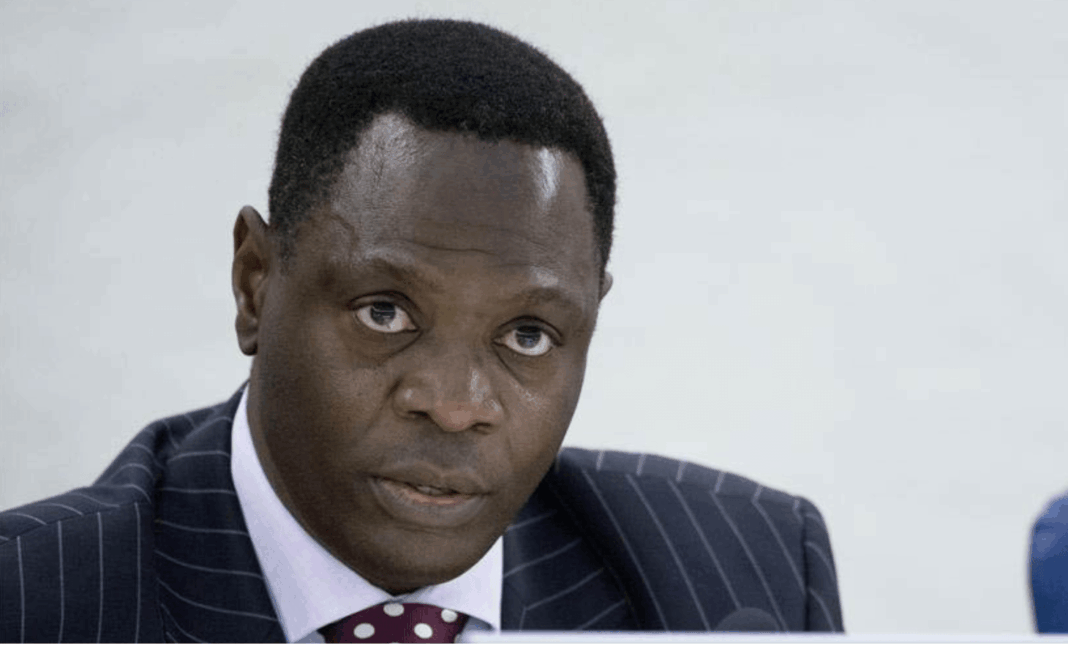
Prof Lumina rejects Kaaba’s defence of Bill 7, cites key legal concerns
Constitutional law expert Professor Cephas Lumina has rejected Dr O’Brien Kaaba’s defence of President Hakainde Hichilema’s decision to appoint the Technical Committee on constitutional reform, describing Kaaba’s comments as a diversion from the central legal question surrounding Bill 7. His response adds another dimension to the ongoing debate about the scope of presidential authority in steering constitutional amendments.
In a detailed reaction, Lumina argued that Kaaba’s defence did not address what he considers the core issue: whether Article 92 of the Constitution grants the President power to initiate or direct constitutional change. Lumina noted that instead of engaging with this question, Kaaba focused on interpretations that, in Lumina’s view, stretch the meaning of presidential functions beyond what the law permits.
Lumina said the role of the President is limited to executing functions expressly provided for in the Constitution. He cautioned that assigning additional powers through broad interpretation risks elevating the presidency above constitutional limits. According to Lumina, this is particularly important when dealing with matters involving constitutional reform, which he described as a process that belongs to the people.
The constitutional expert also questioned the timing and structure of the Technical Committee. He observed that the committee was appointed before clear terms of reference were issued, which in his view created uncertainty about its mandate. Lumina added that early public statements released by the committee suggested a scope similar to proposals contained in the rejected Bill 7, raising questions about whether the current process mirrors earlier attempts at reform.
He said the manner in which the committee was established reinforced concerns that the amendment process may not be aligned with principles of public participation and transparency. Lumina referenced public commentary that highlighted gaps in consultation, noting that any reform effort must be anchored in citizens’ involvement rather than executive direction.
Drawing from the Constitutional Court’s earlier ruling in the Munir Zulu case, Lumina explained that the judgment affirmed that constituent power rests with the people and cannot be exercised by the Executive. He argued that this precedent should guide any approach to constitutional changes, and that reforms initiated by presidential committees risk conflicting with that legal position.
The scholar further responded to Kaaba’s suggestion that the President’s general administrative functions allow for such initiatives. Lumina stated that administrative responsibilities do not supersede constitutional constraints, and that attempts to expand executive influence through interpretation should not form the basis of constitutional reform.
He said the primary questions requiring examination include how the committee was constituted, what its mandate entails, and whether the approach respects established constitutional procedures. According to Lumina, Kaaba’s response did not address these points directly, which he felt weakened the defence.
Lumina also expressed concern about the potential reintroduction of clauses resembling those in the former Bill 7. He highlighted public fears that the process may revive proposals that citizens previously rejected. He urged that any constitutional review must begin with broad consultation before drafting begins, arguing that pre-set frameworks risk marginalising public input.
The constitutional debate has drawn continued attention from legal practitioners, civil society and political groups. Lumina’s statement adds to a growing list of voices questioning the foundation of the current reform initiative. Meanwhile, Kaaba’s position has centred on the view that the President’s leadership role includes coordinating national processes that require administrative support.
Lumina called for a process that is grounded in transparency, national dialogue and respect for constitutional boundaries. He said the current approach requires careful re-evaluation to ensure that it does not undermine public confidence in constitutional governance. He emphasised that the Constitution is a national framework and should not be shaped through mechanisms that leave out critical stages of citizen engagement.
He restated that the issue at hand is not the intention to review the Constitution but the method being used. He encouraged legal scholars, civic organisations and public institutions to continue scrutinising the process, arguing that constitutional amendments must follow established norms rather than interpretations that could expand executive authority beyond what is clearly provided.
The matter remains under active discussion, with various stakeholders continuing to analyse both Kaaba’s position and Lumina’s counterarguments. Observers expect the debate to intensify as the work of the Technical Committee progresses and as more details emerge on the direction of proposed reforms.




But, what is Prof Lumina”s alternative reform process that takes into account his sentiments?
Proposals and optional methods and procedures are required from the Prof.