
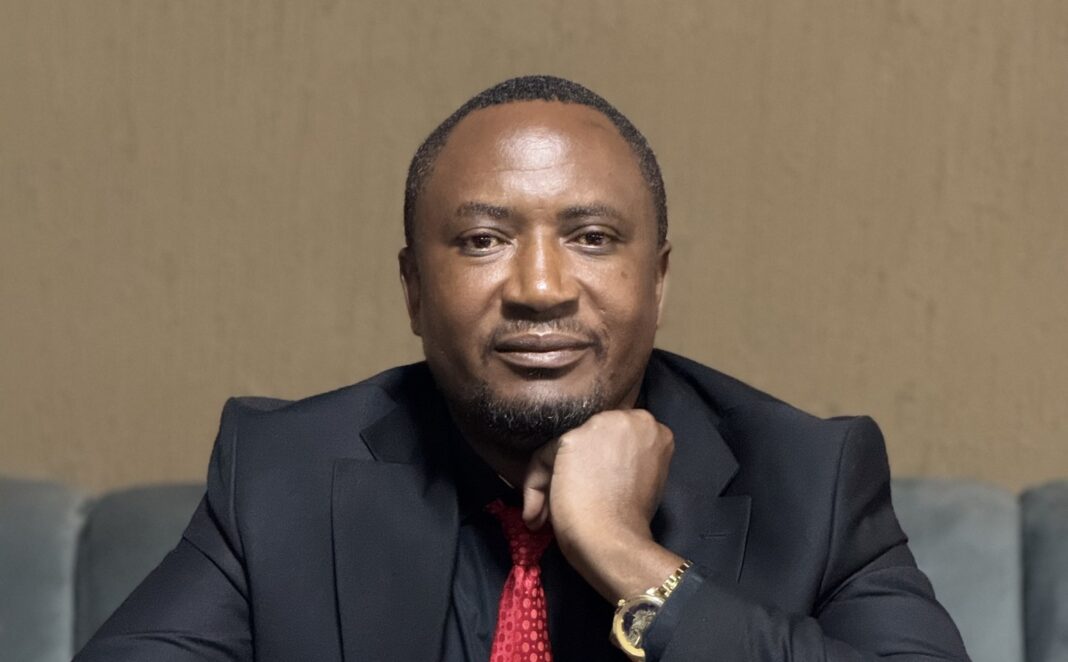
UPND Underestimates Public Discontent, Says Siamunene
New Focus Party leader Richwell Siamunene has warned that the United Party for National Development (UPND) faces a significant electoral setback in the coming year if it continues to underestimate public dissatisfaction and the depth of political discontent among citizens, insisting that Zambians are ready for a change of government regardless of the state of opposition unity.
In an interview with The Mast, Siamunene said the ruling party was making a strategic miscalculation by assuming that a divided opposition would translate into political safety ahead of the 2026 general elections. He argued that political change in Zambia had historically been driven by the will of the electorate rather than by formal alignments among opposition parties.
Siamunene maintained that the prevailing mood in the country reflected widespread frustration rooted in lived experiences rather than political messaging. He said hunger, unemployment, rising costs of living, and prolonged economic hardship had reshaped public attitudes and eroded confidence in the current administration.
“Change is coming, and anyone who thinks it will be a tall order should be a bad student of history,” Siamunene said, arguing that visible signs of dissatisfaction were evident in daily interactions with citizens across the country.
He described Zambia’s current challenge as a leadership crisis rather than a purely economic one, saying governance failures had compounded economic strain and intensified social pressure on households. According to Siamunene, the absence of decisive and credible leadership had left citizens feeling abandoned and disillusioned.
“The only war the country and its people are facing is a leadership crisis,” he said, adding that many Zambians were prepared to seek change at the ballot box as a result.
Siamunene said the year ending December 31, 2025, had been the most painful period for citizens in recent memory, marked by prolonged electricity outages, uncertainty in livelihoods, and what he described as social stagnation. He said households had endured extended hours without power, disrupting small businesses, domestic routines, and income-generating activities.
He dismissed recent government efforts to increase daily electricity supply hours, saying the measures came too late to reverse public frustration. Siamunene argued that the adjustment to a 10-hour power supply schedule did not address the underlying causes of the energy crisis and failed to provide reassurance that the situation was sustainable.
“The 10-hour electricity supply was too late,” he said, adding that government had not adequately explained the fundamentals behind the improvement or outlined how long the arrangement would last.
According to Siamunene, prolonged load shedding had had consequences beyond inconvenience, affecting productivity, household stability, and the broader economy. He said the cumulative impact of these disruptions had deepened public resentment toward the ruling party.
Siamunene warned that dismissing these grievances or assuming that dissatisfaction would not translate into electoral consequences could prove costly for the UPND. He said political history in Zambia showed that ruling parties often underestimated the electorate’s capacity to effect change, particularly during periods of sustained hardship.
He further argued that opposition strength should not be measured solely by party structures or alliances but by the extent to which citizens felt compelled to seek an alternative. He said the electorate’s determination to change leadership mattered more than the organisational coherence of opposition parties.
“What matters most is the willpower of the people who want change, not individual political organisations,” Siamunene said.
He said even individuals within government circles were aware of the political risks the ruling party faced but continued to act as though public dissatisfaction posed no real threat. According to Siamunene, this complacency ignored historical patterns in which governments lost power despite fragmented opposition movements.
Siamunene likened the current social and economic conditions to displacement, saying citizens were living as though they were refugees despite the absence of war. He attributed this situation to economic pressure, governance challenges, and policy decisions rather than external shocks.
He said rising living costs, job scarcity, and uncertainty had reshaped daily life for many households, leaving families struggling to cope and eroding confidence in political leadership. According to Siamunene, these realities would weigh heavily on voter behaviour as the country moved closer to the next general elections.
Siamunene said communication failures had further widened the gap between government and citizens, arguing that official messaging had failed to resonate with people experiencing hardship. He said the lack of transparency and consistent engagement had contributed to mistrust and scepticism toward government initiatives.
He warned that the coming electoral period would test whether the ruling party had accurately assessed public sentiment or continued to rely on assumptions about opposition weakness. According to Siamunene, credibility, leadership conduct, and responsiveness to public concerns would play a decisive role in shaping the political outcome.
Siamunene said Zambians had endured what he described as unnecessary pain over the past year and would ultimately judge the government based on their experiences rather than promises or political rhetoric.



The PF discontent manifested within itself and alliance is public discontent. The widespread feeling of unhappiness among a population is about general issues partially affected by the globally connected economy. Zambia itself has had issues for more than 40 years of our independence. The pain for turn around is above average. The problem are not caused by HH. We actually have a President who care about the wellness of the citizens. The pain of living without daily corruption is their discontent. UPND in power is the people’s desire to live in a society free from corruption.