
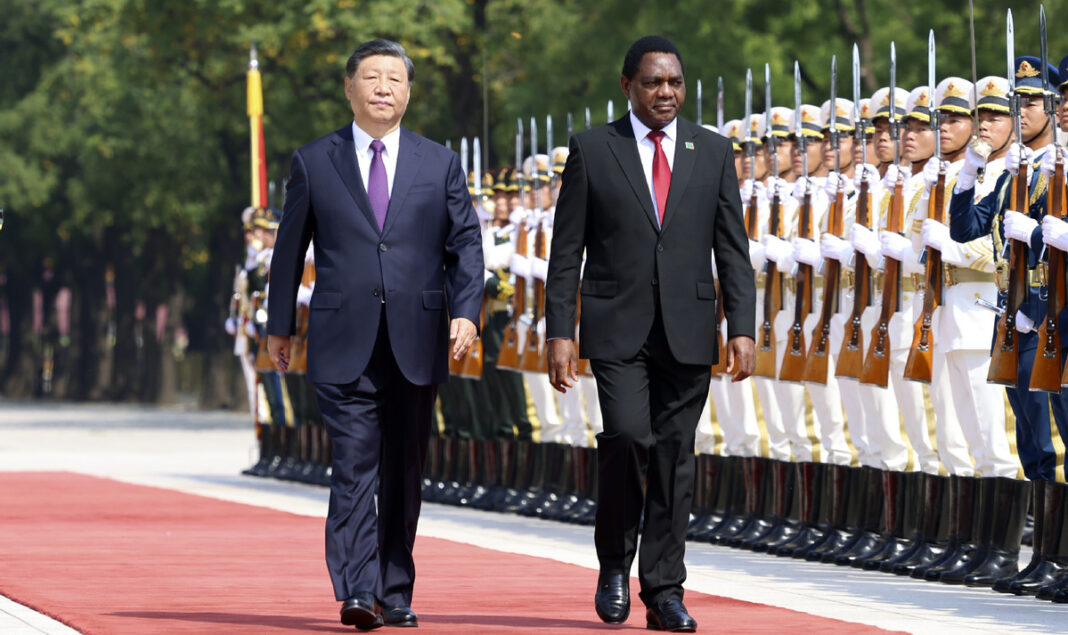
China’s decision to introduce zero-tariff treatment on imports from Zambia beginning May 1, 2026 is being viewed within policy circles as a sign of growing confidence in the country’s economic direction under the UPND administration. The arrangement covers 53 African countries, including Zambia, and is expected to reduce entry costs for qualifying exports while expanding market access for local producers.
Government officials have long argued that economic diplomacy should translate into tangible trade outcomes, and the latest development aligns with Lusaka’s push to diversify beyond raw mineral exports. The administration has prioritised value addition, industrialisation and stronger participation by small and medium enterprises, positioning the zero-tariff framework as a practical opening rather than a symbolic announcement.
Producers in agriculture and light manufacturing are already assessing how the policy could reshape export planning. Honey, soy products and tobacco are frequently cited by industry stakeholders as potential areas of growth, provided exporters meet Chinese certification and quality standards. Trade groups note that tariff relief alone will not guarantee success, yet they acknowledge that reduced duties may improve competitiveness for Zambian goods seeking entry into one of the world’s largest consumer markets.
The UPND government has repeatedly emphasised infrastructure and industrial policy as pillars of its economic programme. Discussions around the planned rehabilitation of the Tanzania Zambia Railway Authority, alongside the expansion of special economic zones, are central to the administration’s argument that Zambia can evolve into a regional production base rather than a supplier of unprocessed commodities. Investment promoters say duty-free access to China could encourage foreign firms to consider establishing processing facilities locally, which would support employment and strengthen domestic value chains.
Financial cooperation has also formed part of the broader conversation. Policy planners have examined alternative settlement arrangements linked to China-focused trade, including the possible use of the yuan in specific transactions. Economic analysts say such measures, if implemented within clear regulatory frameworks, could ease trade flows while maintaining transparency for businesses.
While the policy announcement has drawn optimism, economists continue to underline the need for consistent production, stable energy supply and access to affordable finance. Industry associations say the government’s reform agenda, particularly efforts aimed at improving the investment climate and promoting industrial growth, may place Zambia in a stronger position to take advantage of the opportunity.
For the UPND administration, the zero-tariff decision arrives at a time when officials are seeking to demonstrate that economic diplomacy and domestic reforms are delivering measurable openings for exporters. Business leaders describe the moment as one that requires coordination between government agencies, producers and investors to translate policy into sustained growth.




Africa also got the same favourable zero tariffs treatment with AGOA and two decades later what have we achieved with that free access to the huge USA market?
China don’t throw a panga and plough to the African if he can’t use it to help himself.
Question is: what do they want from Zambia in return? They NEVER give free handouts. I fer that our resources (copper, mukula trees, gold, women/young girls, etc.) will all be plundered by the Chinese as payment.
@Mlevi
Other Western media report “Five years after becoming Africa’s first Covid-era debt defaulter, Zambia is seeing a dramatic turnaround in fortunes as major powers vie for access to its vast reserves of copper”
I also didn’t know that local farmers were suing that Chinese careless company on the copperbelt for 80 billion dollars! Why has DeadNBC not been telling us this?
Even LT who are independent haven’t told us the story:
In February 2025, a burst tailings dam at a Chinese-owned mine near Kitwe, about 285 kilometres (180 miles) north of Lusaka, spilled millions of litres of acidic waste.
Toxins entered a tributary feeding the Kafue, Zambia’s longest river and a major source of drinking water. Zambian farmers have filed an $80 billion lawsuit.
We should be making electrical cables,semiconductor chips and other manufactured products to export as high value proceeds of our copper.
That’s the true turnaround ,not just repaying our debts with raw copper exports.
Zero tariff access is not for Zambia alone but all African countries, because I can see you want to lie as usual
Just as all African currencies are doing well against the dollar.
It’s not a Zambian magic wand. The dollar has fallen because of Trump’s administrative policies: the big beautiful bill is backfiring and US growth premium is eroding.
While some analysts feel this currency fall makes US companies competitive on the international market there’s concern over US debt burdens.
@Mudamafiyako LT hasn’t lied at all ,check out their 1st paragraph.
Ooops sorry ,its @Mudamvako .LT has not lied to us.
Enka, it is not LT that is lying, LT is just reporting. It is the liars that are lying as usual.
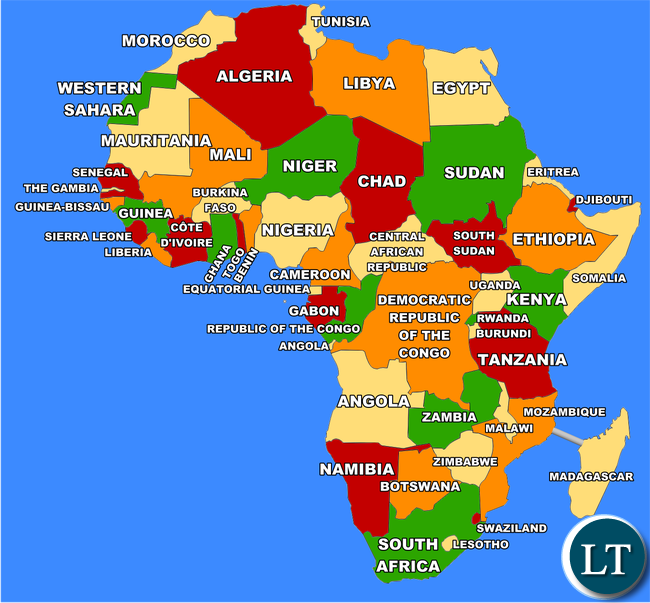
Title is misleading. It has nothing to do with UPND policies. China is extending zero tariff status to all 53 African countries
They like lying as Mudamvako has correctly put it. And sadly the gullible believe them
China’s zero-tariff concession to 53 African countries is significant because it:
1. Reconfigures South–South trade relations by offering large-scale preferential access from an emerging hegemon.
2. Creates potential for African industrial upgrading through export-led learning and diversification.
3. Serves as a strategic geopolitical instrument consolidating China’s influence in Africa.
4. Risks reproducing commodity dependence if not embedded in African industrial strategies.
In essence, the policy represents a developmental opportunity rather than a developmental outcome. Its long-term significance will be determined not by China’s tariffs, but by Africa’s ability to transform market access into productive transformation.
53 African countries please…..stop misleading…its not just Zambia its the entire African continent…..yak
A challenger is becoming more apparent
UPND agriculture strategy pays off as rain continues to fall from clouds onto crops
What did you smoke, kind of a strategy is that?