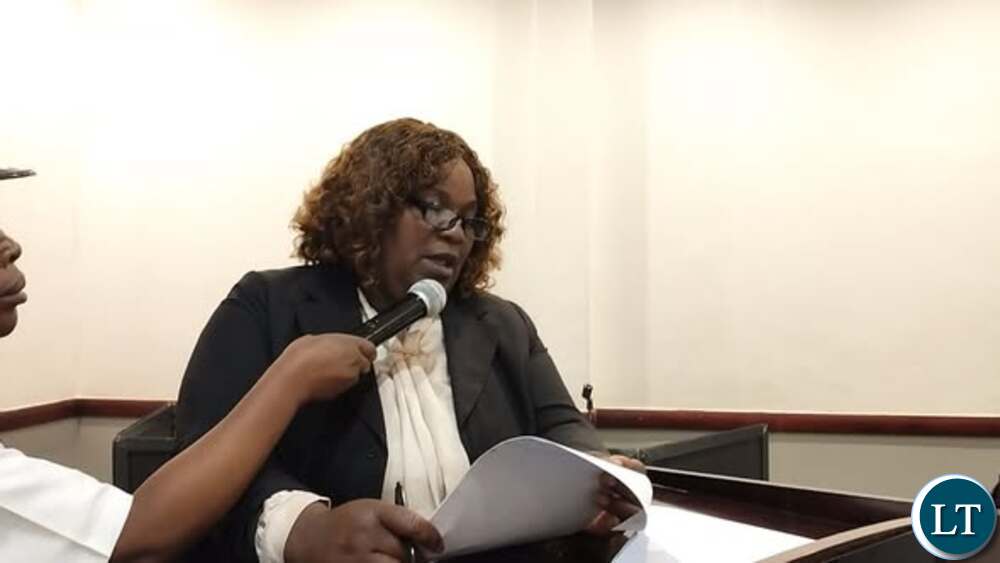
Lusaka District Commissioner (DC), Rosa Kayuni says unchecked urban growth and effects of climate change increases the dangers and consequences of flooding in the district.
Ms. Kayuni notes that the district has been adversely faced with negative effects of the flash floods and droughts since 2024.
She was speaking in a speech read on her behalf by District Administrative Officer, O’Neill Chiiya during the commemoration of the 2026 World Environmental Day in Lusaka.
‘’For the past decades, Lusaka City has been facing a series of challenges arising from droughts and heavy rainfall. These are the droughts that caused food insecurity, disease outbreaks, energy crisis leading to power cuts and loss of livelihoods that depended on hydro-energy, whereas heavy rainfall resulted in frequent occurrences of flooding, and disease outbreaks such as Cholera,” she recalled.
Meanwhile, Ms Kayuni has assured government’s commitment to promoting environmental sustainability in the district.
She said government , through its policies, is ensuring that environmental sustainability is observed in the district.
Ms Kayuni added that urban design and ecosystem are the core efforts being put in place as measures to fight negative climate impacts.
She has also called on all stakeholders to raise awareness on the various environmental challenges arising from plastic waste in the district.
“I also wish to implore you to raise awareness on the various environmental challenges arising from plastic waste to unplanned urbanisation and how citizens can be part of a solution through personal action and local ecosystem restoration in the district,” she said.
And Initiative for Change (LIC) Chief Executive Officer, Olivia Mwaba, who was represented by her partnership Liaison Officer, Paxina Lesa, said the organisation is supporting women led groups with micro grants for climate action.
Ms. Mwaba explained that the grant empowerment exercise is aimed at enabling women to implement practical environmental solutions.
“These grants are enabling women to implement practical solutions such as tree planting, community gardening, waste management initiatives, climate smart agriculture and other sustainable livelihood activities that strengthen resilience while protecting the environment,” she added.
She said the organisation through the Integrated Climate Action for Improved Health (ICAIH) project focuses on improved waste management, clean energy solutions, water, sanitation and hygiene, nutrition and environmental health education.