Sunday, June 7, 2026
20.7 C
Lusaka
Home Blog Page 115

Woman, 68, Drowns in Luamphamba River in Lundazi

0

A 68-year-old woman from Chief Mphamba’s area in Lundazi District has drowned in the Luamphamba River.

The deceased has been identified as Goodness Zgambo of Kang’oma Village. She is believed to have drowned sometime between March 3 and March 7, 2026 while returning from a visit to her son, Dennis Zimba, in Nation Village.

Robertson Mweemba confirmed the incident, explaining that after visiting her son, Zgambo set off for her home village but never arrived.

Mweemba said villagers noticed her absence on March 5 and organised a search after suspecting that she may have encountered difficulties while crossing the river, which is known to have several dangerous crossing points.

Her body was later discovered floating in the river.

Due to the decomposed state of the body, it was buried immediately, although the grave has been marked in case authorities decide to exhume it for a post-mortem examination.

Police have since opened an inquiry into the incident.

ACC arrests two officials over $10 million livestock project funds

The Anti-Corruption Commission has arrested two officials from the Ministry of Livestock and Fisheries in connection with the alleged misappropriation of funds from the Sustainable Livestock Infrastructure Management Project, a programme valued at about US$10 million. The arrests form part of an ongoing investigation into how resources meant to strengthen Zambia’s livestock sector were managed.

Authorities identified the suspects as Succeed Mubanga, director of policy, planning and information at the ministry, and Chanda Mulenga, a stores officer. Both have been charged with offences related to possession and concealment of property suspected to be proceeds of crime.

According to the Anti-Corruption Commission, the investigation centres on funds allocated to the Sustainable Livestock Infrastructure Management Project, commonly referred to as SLIMP. The programme was designed to support livestock infrastructure development and improve productivity in the sector.

Investigators say financial analysis revealed suspicious asset acquisitions linked to individuals connected to the project. Some of the suspected proceeds of crime were allegedly used to purchase property and other assets.

The Anti-Corruption Commission says Mubanga faces two counts of possession of property reasonably suspected to be proceeds of crime and two counts of concealment of property. Authorities allege the assets include a motor vehicle, a residential property and investments in government bonds.

Mulenga has been charged with one count of possession of property suspected to be proceeds of crime and two counts of concealment of property. Investigators say one of the properties linked to the case includes a modern house located in Kasama District.

The charges have been brought under the Forfeiture of Proceeds of Crime Act No. 19 of 2010, legislation that allows authorities to investigate and recover assets believed to have been obtained through criminal activity.

The Anti-Corruption Commission said the arrests followed what it described as a comprehensive investigation into the management of funds under the livestock infrastructure programme. Officials say the probe involved tracing financial transactions and asset ownership connected to the project.

Authorities say the arrests of Mubanga and Mulenga bring the total number of suspects linked to the case to nine individuals. The commission has indicated that investigations remain active and that additional arrests could follow as more financial records are examined.

Both suspects have since been released on bond and are expected to appear in court as the legal process proceeds. The Anti-Corruption Commission says it has also moved to restrict and potentially seize assets suspected to be linked to the alleged misappropriation.

The livestock sector remains an important component of Zambia’s agricultural economy, particularly in rural areas where many households depend on livestock production for income and food security.

Government and development partners have invested heavily in programmes aimed at improving livestock infrastructure, veterinary services and disease control systems. Projects such as the Sustainable Livestock Infrastructure Management Project were designed to strengthen livestock value chains and expand opportunities for farmers.

Investigators say ensuring that such funds are used for their intended purposes is critical for maintaining public confidence in development programmes. The Anti-Corruption Commission says it will continue pursuing cases involving suspected misuse of public resources as the investigation progresses.

Global survey places Zambia among Africa’s leading mining destinations

Zambia has been ranked the third most attractive mining investment destination in Africa, according to the latest global survey by the Fraser Institute, placing the country among the continent’s leading mineral economies.

The 2025 Fraser Institute Annual Survey of Mining Companies ranked Zambia 25th globally on the Investment Attractiveness Index, an improvement from 28th position in the previous survey. Within Africa, Zambia now sits behind Botswana and Morocco, reflecting growing investor confidence in the country’s mining policy framework and resource potential.

Minister of Finance and National Planning Situmbeko Musokotwane confirmed the ranking, saying the results demonstrate international confidence in Zambia’s economic management and mining sector reforms.

Musokotwane stated that the improvement signals the effectiveness of government policies aimed at strengthening transparency, regulatory stability and investment protection in the mining sector.

He said the survey results show Zambia has become an increasingly competitive destination for global mining capital.

“The results from the 2025 Fraser Institute Annual Survey of Mining Companies firmly emerge by coincidence. They are anchored in the vision and leadership provided by President Hakainde Hichilema, whose consistent emphasis on macroeconomic stabilisation, disciplined fiscal management and private-sector-led growth has shaped the reform architecture guiding economic investments,” Musokotwane said.

The minister explained that Zambia’s broader economic reforms have played a key role in improving the country’s investment appeal.

He said the government has strengthened legal frameworks governing the mining industry, providing clearer policy direction and increasing regulatory certainty for investors.

Musokotwane noted that improved macroeconomic stability has been central to rebuilding investor confidence in the sector.

He said the mining industry remains a critical pillar of Zambia’s economic recovery strategy, particularly as the country continues efforts to attract new capital into mineral exploration and development.

According to the Fraser Institute survey, Zambia’s ranking reflects improvements in policy perception, investment attractiveness and mineral potential.

The report highlighted Zambia’s progress in areas such as taxation stability, legal clarity and reduced administrative uncertainty, which are key factors investors consider when choosing mining jurisdictions.

Musokotwane said Zambia’s policy reforms were designed to create a predictable environment for long-term mining investment.

He said the government remains committed to strengthening the mining sector as a driver of economic growth, employment and export earnings.

The minister added that Zambia’s improving global position demonstrates how reforms aimed at stabilising the economy are beginning to yield results.

He said continued fiscal discipline and policy consistency will remain essential in maintaining investor confidence in the mining industry.

The Fraser Institute survey evaluates jurisdictions worldwide based on investment attractiveness, combining mineral potential with policy perception to determine overall rankings.

Zambia’s position among Africa’s top three destinations places the country alongside established mining economies such as Botswana and Morocco.

Government officials say the ranking reinforces Zambia’s strategy of positioning the mining sector as a central pillar of long-term economic development.

“I’ve been through the worst in prison,” Munir Zulu reflects after release

Former Lumezi Member of Parliament Munir Zulu says the months he spent in prison stand as the most difficult period of his life, describing the experience as one that forced him to confront hardship, reflection and a completely different understanding of freedom.

Speaking after completing his sentence, Zulu explained that prison life exposed him to conditions that many people outside the correctional system rarely imagine. The former lawmaker said incarceration brought physical hardship, emotional strain and long hours of reflection that tested his endurance and resilience.

Zulu said the environment inside prison quickly removes the sense of normal life people are accustomed to. Daily routines become tightly controlled, personal space is limited and the uncertainty of life behind bars can weigh heavily on inmates. For him, the experience created a period of deep personal reflection about life, choices and the future.

“I’ve been through the worst in prison,” Zulu said while describing the experience that kept him away from family and ordinary life for months.

The former legislator said prison life forces individuals to confront realities that are often hidden from the public. According to him, incarceration is not simply about confinement but about adjusting to an entirely different environment where survival requires mental strength, patience and discipline.

Zulu explained that many inmates struggle to adapt to the harsh routines of prison life. Overcrowding, limited resources and the psychological pressure of confinement create an environment that tests individuals in ways that are difficult to fully describe to those who have never experienced it.

During his time in prison, Zulu said he witnessed firsthand the struggles faced by many ordinary inmates whose stories rarely receive public attention. He explained that many prisoners come from difficult backgrounds and must navigate prison life while coping with uncertainty about their families and futures.

Zulu said the experience opened his eyes to the realities of life within the correctional system and gave him a deeper understanding of the challenges faced by many people serving sentences.

The former MP explained that one of the most difficult aspects of incarceration was the emotional strain that comes from separation from family and loved ones. Being unable to live normal daily life with those closest to him created moments of loneliness that forced him to reflect deeply about what matters most.

He said support from family members and friends played a critical role in helping him remain strong during the difficult months. Messages of encouragement and prayers from people close to him provided reassurance that life continued outside the prison walls.

Zulu said those moments of support reminded him that prison, despite its hardships, represents only a chapter in life rather than the end of it.

Reflecting on the experience, Zulu said incarceration has permanently changed the way he views life and the choices he intends to make going forward. The former MP said prison taught him the value of freedom and the importance of focusing on what truly matters.

He explained that time behind bars gave him the opportunity to think carefully about his future and the direction he wants his life to take.

According to Zulu, the experience reinforced the importance of peace of mind and stability. The former lawmaker said that while prison was painful, it also became a moment that allowed him to reassess priorities and reflect on life beyond politics and public controversy.

Although he did not outline specific plans for the future, Zulu indicated that he now intends to focus on rebuilding his life after incarceration. He said the lessons learned during prison will guide him as he moves forward into the next stage of his life.

Zulu said prison forced him to develop resilience and patience, qualities he believes will help him navigate whatever challenges lie ahead.

Despite the hardships he endured, Zulu said he now looks toward the future with a renewed sense of perspective. He explained that surviving the experience strengthened his determination to move forward and rebuild his life with a clearer understanding of what truly matters.

For the former MP, prison was a difficult chapter filled with hardship and reflection, but he said it also became a moment that reshaped his understanding of life, freedom and the importance of focusing on the future.

Mumbi Phiri drags Hichilema into Lungu burial row with family claim

Former Patriotic Front deputy secretary general Mumbi Phiri has injected fresh intensity into the unresolved burial of former president Edgar Chagwa Lungu, delivering a pointed appeal to President Hakainde Hichilema that blended political pressure with a personal revelation about their relationship.

Phiri asserted that the connection between herself and the President extends beyond politics, stating that Hichilema is related to her through marriage and describing him publicly as her son-in-law. That disclosure gave her intervention unusual weight because it shifted the burial debate from a distant legal disagreement into a matter she framed as touching family honour, leadership responsibility and the historical memory of the nation.

Her message was delivered in unmistakably direct terms. Phiri urged Hichilema to act decisively to end the prolonged impasse surrounding the burial of the late president, arguing that the continued delay risks casting a long shadow over Zambia’s political legacy. She said the situation has reached a point where it cannot simply be treated as an administrative or legal dispute but has become a national question about how the country treats those who once held its highest office.

The former PF official argued that the burial dispute has stretched far beyond what many citizens consider acceptable. Nearly nine months after Lungu’s death, the country still lacks closure over the final resting place of the man who served as Zambia’s sixth Republican President. Phiri said that reality has unsettled many Zambians who expect former heads of state to be accorded prompt and dignified burials.

In her account, earlier plans to repatriate Lungu’s remains from South Africa had already been prepared by the family. She said logistical arrangements had been put in place, including securing an aircraft to transport the body. According to Phiri, those preparations began to unravel when conditions surrounding the repatriation were altered, creating uncertainty and mistrust around the process.

Phiri questioned several actions that she said contributed to the breakdown of those arrangements. Among them was the deployment of security personnel along routes where citizens traditionally gather to receive the remains of national leaders. She also criticised the introduction of invitation cards for people expected to attend events connected to the reception of the body, describing that practice as foreign to Zambia’s traditions of mourning former presidents.

To illustrate her point, Phiri recalled the funerals of Levy Mwanawasa and Michael Sata, when ordinary citizens were able to line the roads in large numbers to welcome their leaders’ remains home. Those events, she said, reflected a sense of national unity and shared respect for the office of the presidency.

By contrast, the circumstances surrounding Lungu’s burial have unfolded amid tension and unresolved disagreements. Phiri warned that the longer the matter continues, the greater the risk that it will become one of the most uncomfortable episodes in the country’s political history.

Her appeal to Hichilema carried both political and personal overtones. By invoking their family connection, Phiri framed the issue as one that transcends party rivalry. She argued that leadership is ultimately measured by the ability to rise above divisions and deliver decisions that restore dignity and closure to the nation.

Phiri suggested that the authority of the presidency provides the capacity to help bring the dispute to an end. She pointed to previous instances where presidential discretion had been exercised in complex national situations and said similar leadership could help resolve the burial issue.

The burial dispute formed the emotional centre of her remarks, but Phiri also used the moment to launch broader criticism of the government’s record. She questioned the performance of state institutions, challenged aspects of economic policy and expressed confidence that the political landscape could shift in the upcoming election.

Still, the unresolved fate of Edgar Lungu’s remains remained the dominant theme of her intervention. Phiri said the matter now carries implications not only for political leaders but for the country’s collective sense of respect and memory.

For her, the central question is simple yet powerful: how Zambia chooses to honour those who once led it. Phiri argued that the nation must ensure that its traditions of dignity are upheld, regardless of political differences.

Her appeal now adds a new layer to an already sensitive national conversation. By invoking family ties with the President while urging a resolution to the burial dispute, Phiri has placed the issue squarely within both the political arena and the personal realm of leadership responsibility.

Editors Note:

The prolonged burial dispute surrounding Edgar Lungu has become one of the most emotionally charged issues in Zambia’s current political climate, with calls for closure now intersecting with questions of leadership, legacy and national dignity.

How Africa Is Building Player Protection on Its Own Terms

0

Africa is one of the fastest-growing betting markets in the world. A young, mobile-first audience has made betting part of everyday digital life. With this rapid expansion comes responsibility. Player protection has become a central topic for the global betting industry. Operators are rethinking how to balance growth, safety, and trust — especially in fast-growing markets. The data show that operators are responding.

This week, 1xBet presented its International Player Safety Index, a research project focused on how different regions approach responsible betting. The African market stood out with a clear message: player protection is already strengthening — through regulation, human oversight, and market-specific solutions.

Strong Foundations First

According to the study, 75% of operators comply with KYC (Know Your Customer) procedures.
Verification at registration and ongoing monitoring are now standard practice. It is not a minor technical detail. Verified identities create accountability. They allow consistent tracking of behaviour and timely intervention when risks appear. Protection here starts with structure.

Marketing Discipline in a Mobile-First Market

In Africa, betting is overwhelmingly mobile. Push notifications and instant promotions shape user engagement. That makes advertising control especially important. The research shows that 68% of operators apply advertising restrictions.
Limiting promotional pressure reduces impulsive betting. Fewer triggers mean more deliberate decisions. In a fast-moving digital environment, this kind of restraint matters.

Growth With Guardrails

Commercial strategy is also evolving. 50% of surveyed platforms have introduced bonus limits. In markets where players often place frequent, smaller wagers, aggressive bonus mechanics can amplify risk. Bonus moderation helps prevent sudden spikes in activity. It shows that growth and protection are not treated as opposites. They are being designed together.

Human Engagement Still Counts

One of the most telling findings: around 30% of operators provide personalised self-exclusion recommendations. These interventions are often triggered by noticeable behaviour shifts or significant wins. In many cases, they are handled manually. Direct contact. Context-aware decisions. It reflects a protection model built around human oversight, not only automated systems.

Why the Model Looks Different

The study highlights structural factors shaping the region:

• Regulation is fragmented across jurisdictions;
• Data standards are still developing;
• Grey-market operators remain present in some countries;
• Investment in RegTech solutions is cautious.

But these conditions have not slowed progress. They have shaped a locally adaptive system. One that relies on clear rules, supervision, and practical safeguards. It is not a delay. It is a different sequencing of priorities.

Betting Is More Than Entertainment

In many African markets, betting is not seen purely as a form of leisure. For some players, it represents a potential path toward financial improvement. It directly influences behaviour and risk perception. Responsible betting strategies must reflect this reality.

As Simon Westbury, Strategic Advisor at 1xBet, notes:
“For instance, in markets with heavy retail footprints, how do you monitor player behaviour in a cash-based environment? You can’t rely on digital tracking alone. Localisation means understanding that ‘financial gain’ motivation and tailoring our education to address it directly, rather than using European templates that assume gambling is just a hobby.”
Models designed for mature European markets cannot simply be copied and pasted. Africa’s approach shows that understanding player motivation is as important as any technical tool.

Leaders and Long-Term Potential

Countries such as Nigeria and Kenya illustrate how regulatory clarity can strengthen player protection. Oversight is becoming more structured. Regulatory maturity is increasing. Trust in licensed operators is growing. These trends create a strong foundation for future technological integration, including AI, when markets are ready. Technology will follow structure. Not the other way around.

What Comes Next

Africa is not defined by what it lacks. It is defined by how it builds. Verified identities. Controlled marketing. Bonus moderation. Direct player engagement. Step by step, a structured protection framework is taking shape.
As regulation becomes clearer and digital infrastructure expands, behavioural analytics and early-warning systems can be integrated naturally into an already established foundation.
The findings of the International Player Safety Index by 1xBet were discussed during a recent industry webinar, where experts explored regional approaches to player protection and outlined practical next steps for market development.

You can find the materials (webinar video & the report) here via the link.

Africa’s experience shows that responsible betting does not begin with algorithms.
It begins with understanding players — and building systems that fit the market they serve.
This combination of growth and responsibility creates the right moment for initiatives like 1xBalance, a platform designed to support informed decision-making, promote self-control, and encourage a healthier relationship with betting.

Chipolopolo Needs Permanent Coach – ZAFFA ‎

6

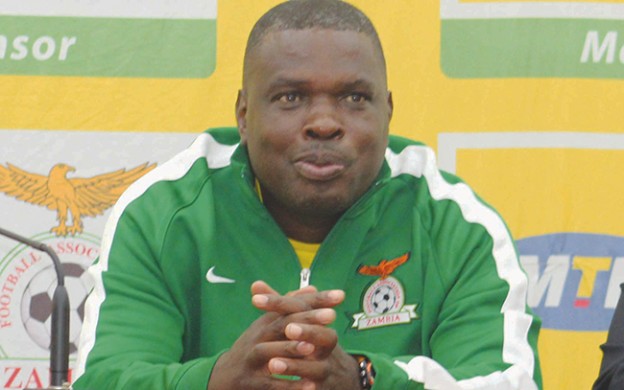
The Zambia Football Fans Association (ZAFFA) has said Chipolopolo needs a permanent coach who is not attached to a club.

‎Reacting to the recent appointment of Nchanga Rangers coach George Lwandamina as Chipolopolo interim coach, ZAFFA General Secretary Chawezi Katwizi said the decision made by FAZ is shocking.

‎Lwandamina will be assisted by Power Dynamos coach Oswald Mutapa jr.

‎”I think the appointment of George Lwandamina as National Team interim coach has come as a shock to many fans,” Katwizi said.

‎”After Avran Grant was fired and Moses Sichone was employed on an interim basis and people after Sichone’s interim tenure expected that Chipolopolo will have a permanent coach,” he said.

‎”Employing an interim coach again who is even attached to a club I think is not good for our football. We need a coach who will be solely dedicated to the National Team. The National Team doesn’t need divided attention. We have gotten this news with a pinch of salt,” Katwizi said.

‎Lwandamina previously served as Chipolopolo coach from 2015 to 2016 before paving way for Wedson Nyirenda.

‎”We can take away anything from coach George Lwandamina. He is a very good coach and has done a lot for Zambia football,” Katwizi said.

‎According to FAZ, Lwandamina’s immediate assignment will be to lead the national team at the Four-Nation Tournament scheduled for Botswana, from 23-31 March, 2026.

Tana Starts Nkana Reign with Victory ‎

0

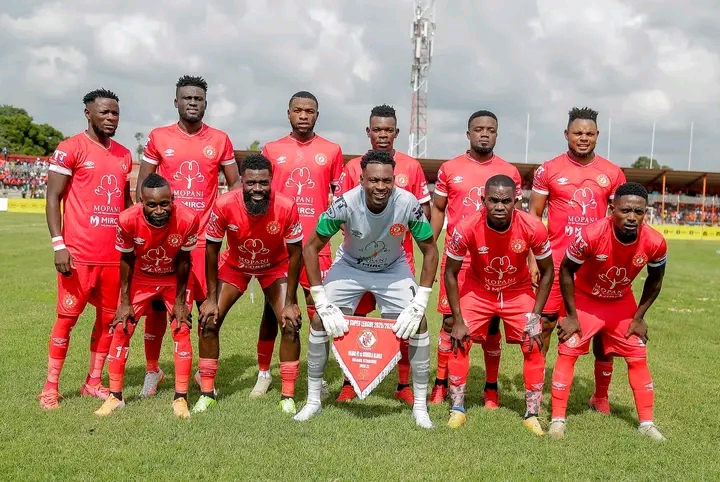
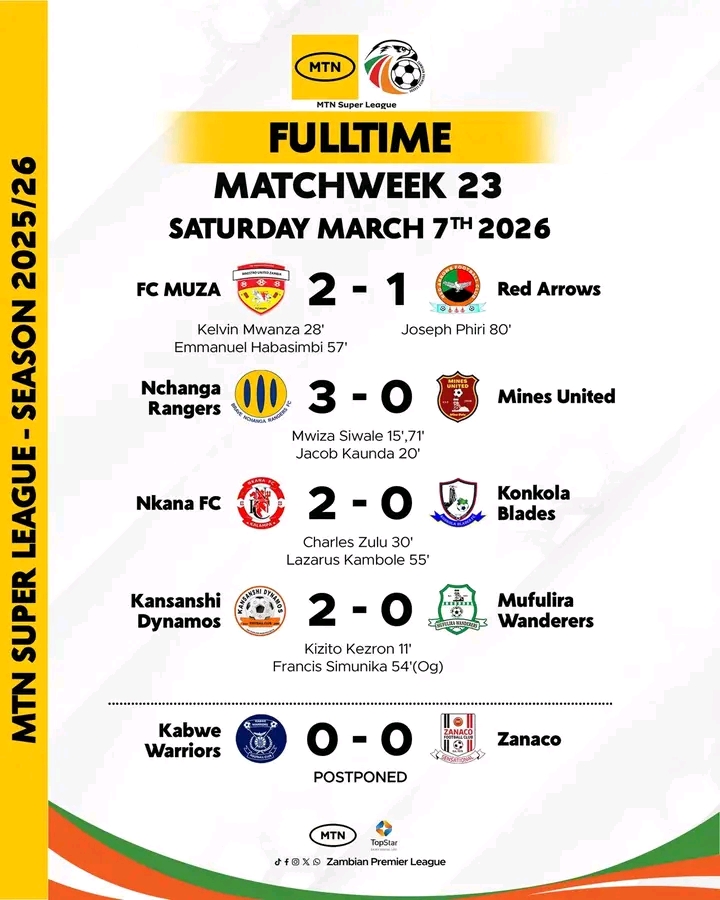
Nkana ended a three-match losing streak with a 2-0 home win against Konkola Blades at Nkana Stadium in Wusakile, Kitwe.

‎Forwards Charles Zulu and Lazarous Kambole were the scorers in this round 23 match of the Super League.

‎Zulu put Kalampa in the lead with a close range header after 35 minutes with Kambole scoring another header on 55 minutes.

‎This was Nkana interim coach Elijah Tana’s first match in charge after the sending of Mwenya Chipepo and his assistant Christopher Katongo on forced leave this week.

‎”We are happy that we won today after losing three games. Winning today has given us moral and more confidence,” said Nkana assistant coach Josephat Nkhoma.

‎Nkhoma saluted the backline for not conceding against Konkola.

‎”I think today’s clean sheet gives the defenders confidence and moral. We should not be allowing goals in every game we play,” he said.

‎Nkana’s seventh win of the season saw them rise to 28 points after playing 23 matches.

‎Ninth placed Konkola remained on 30 points after playing 22 matches.

‎Elsewhere on Saturday, second placed Red Arrows missed a chance to return to the top of the Super League after succumbing to a 2-1 loss at FC MUZA in Mazabuka.

‎Arrows remained on 43 points, two behind leaders Power Dynamos, who travels to Zesco United on Sunday.

‎Nchanga Rangers thumped Mines United 3-0 at Nchanga Stadium, with Kansanshi Dynamos thrashing Mighty Mufulira Wanderers 2-0 in Solwezi.

Zimbabwe, Zambia honour Kakaro liberation heroes

0

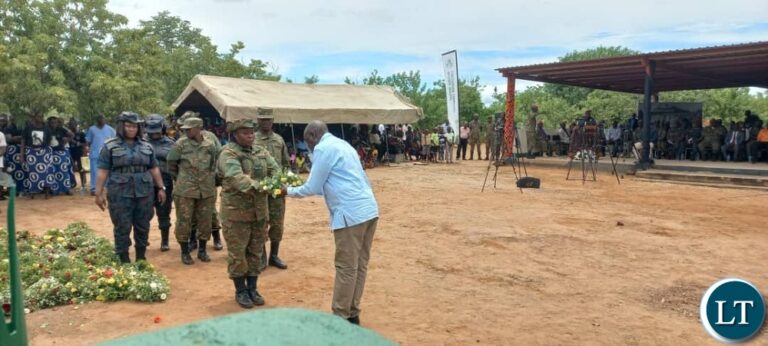
 Deputy Minister for Veterans of Liberation Struggles of Zimbabwe, Headman Moyo, has said the sacrifice of Zambian and Zimbabwean militants and civilians who lost their lives during the 1978 attacks in Kakaro, Luangwa District, is a testament to the strong bilateral relations between the two countries.

Mr Moyo noted that the two nations have continued to commemorate the event, marking 48 years since the attacks.

Speaking at the Kakaro candlelight memorial service, Mr Moyo said Zimbabwe will forever remain indebted to Zambia for its selflessness during the liberation struggle.

“It is sad that we lost innocent men and women in the process of freeing ourselves from our colonial masters, but we are happy that the sacrifice made by these heroes and heroines has brought freedom to Zimbabwe,” Mr Moyo acknowledged.

He emphasized the importance of preserving and securing historical sites for future generations.

In his homily, Pastor Teddy Lungu of Luangwa Pastors Fellowship urged the community to emulate the love and unity demonstrated by the fallen heroes.

Stephen Lazarus, a Luangwa resident and survivor of the March 6, 1978 attack, recalled that six men died during the incident, with the last two passing around 17:00 hours the same day.

The Deputy Minister led the audience in laying wreaths at the cenotaph during the candlelight service.

Fallen Police officers honored at INTERPOL Remembrance day

0

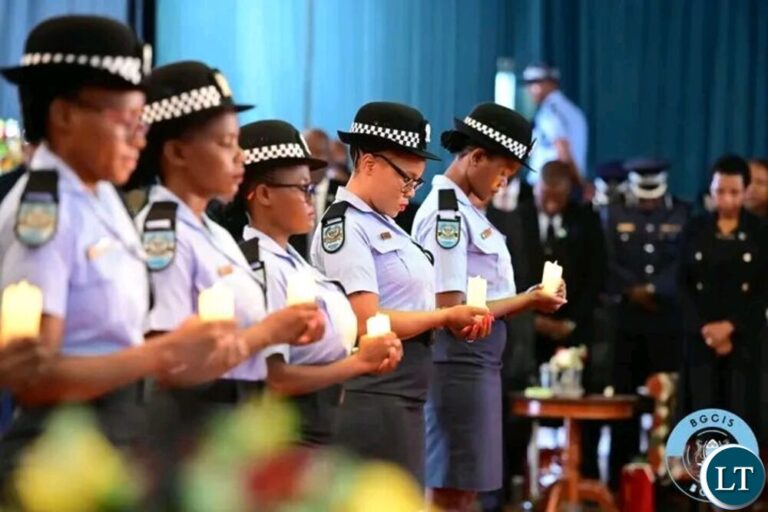
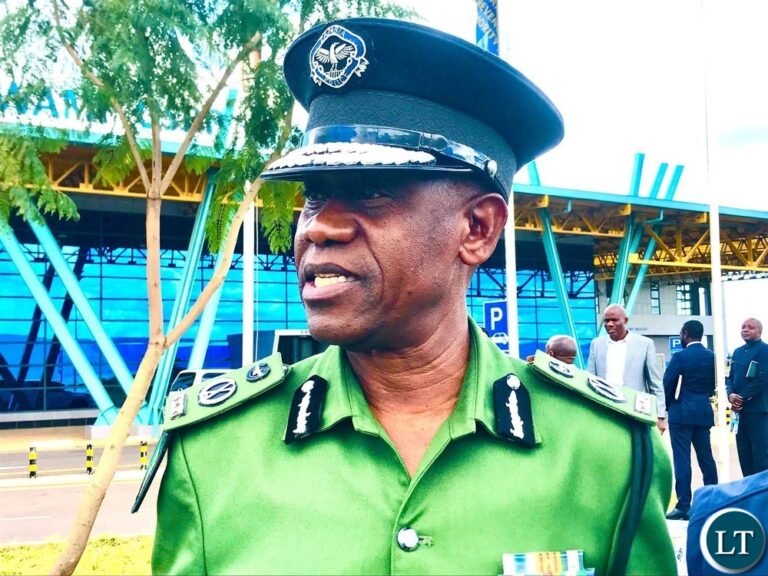
Zambia Police Service Inspector General Graphel Musamba has paid tribute to police officers who died in the line of duty, describing them as courageous men and women whose sacrifices safeguarded peace and the rule of law.

Speaking during the first commemoration of the INTERPOL International Day of Remembrance for Fallen Police Officers in Lusaka, Mr Musamba said the day provides an opportunity for law enforcement agencies worldwide to honour officers who made the ultimate sacrifice while protecting their communities.

He noted that the fallen officers were not only members of the police service but also pillars in their families and communities.

“They were colleagues, mentors, parents, children and friends who chose the extraordinary path of service,” Mr Musamba said.

He added that their sacrifice serves as a reminder that peace and security are achieved through courage, vigilance and commitment.

Mr Musamba thanked INTERPOL for providing a platform to commemorate fallen officers and urged serving officers to uphold professionalism, integrity and discipline in honour of their legacy.

And Organising committee chairperson Godfrey Chilabi described preparations for the inaugural remembrance ceremony as challenging but rewarding, proposing the erection of a memorial wall inscribed with the names of fallen officers as a permanent tribute.

Speaking on behalf of bereaved families, Maureen Sakala said the ceremony provides an opportunity to honour the memory of loved ones whose commitment to duty contributed to maintaining peace and security.

Among those honoured were Constable Elizabeth Banda, Constable Raymond Mubita, Sergeant Frank Phiri, Sergeant Mwikisa Mutumba, Detective Constable Nathan Sakala and Constable Steven Mkandawire, all of whom died in 2025 while serving.

The  INTERPOL International Day of Remembrance for Fallen Police Officers, observed globally on March 7, recognises officers who lost their lives in the line of duty while working to ensure peace, justice, and public safety.

Zambia urges stronger trade ties with Japan

1

Minister of Commerce, Trade and Industry, Chipoka Mulenga, has called for deeper commercial engagement between Zambia and Japan, noting that while Japan has long been a key development partner, its investment footprint in Zambia remains relatively low.

Speaking at a business forum, Mr Mulenga has expressed gratitude to Japan for its continued financial support to Zambia, mostly in the form of grants to critical sectors such as agriculture, education and health.

Mr Mulenga, however, stressed that Zambia now seeks to move beyond development assistance and build sustainable commercial relations.

Mr Mulenga said this during the first ever Japan External Trade Organisation (JETRO) and Japan International Cooperation Agency (JICA) business forum, in Lusaka.

The forum, arising from President Hakainde Hichilema’s state visit to Japan in February 2025, focused on key sectors, including energy, manufacturing, agriculture and transport, among others.

The Minister highlighted the recent signing of the Bilateral Investment Treaty (BIT) during the state visit to Japan, in 2025, as a turning point in strengthening economic ties.

“The signing of the BIT marked a major milestone in advancing and safeguarding investment between Zambia and Japan. This agreement underscores our shared commitment to creating a stable, predictable, and mutually beneficial investment environment for businesses in both countries to thrive,” Mr Mulenga noted.

He added that business events such as the forum would help change the narrative by encouraging more Japanese companies to explore opportunities in Zambia’s growing economy.

The Minister reaffirmed Zambia’s commitment to fostering a business‑friendly environment that encourages investment, innovation, job creation, and sustainable economic growth.

He added that government also encourages the promotion of joint ventures and partnerships to help ease access to affordable capital and technology.

He emphasised Zambia’s advantages as an investment destination, highlighting the country’s strategic location in Southern Africa, offering access to regional and continental markets.

The Minister added that Zambia’s democratic stability and peaceful environment, assures the safety of investments.

He further stressed the absence of exchange controls, allowing full repatriation of after‑tax profits and pointed to competitive fiscal incentives and the availability of skilled labour as additional benefits.

Meanwhile, Mr Mulenga revealed that government is streamlining business registration processes, simplifying the regulatory framework, and expanding access to finance to enable Small and Medium Enterprises (SMSEs), grow compete and contribute to meaningful national development.

287 Mwembeshi inmates graduate in Theology training

1

Over 287 inmates at Mwembeshi Maximum Correctional Facility in Chilanga have graduated in Bible Theology after completing a six-month training programme aimed at promoting spiritual transformation and rehabilitation.

Zambia Correctional Service Commissioner in charge of Corrections and Extension Services, Namata Mayombelo who was represented by Assistant Commissioner and Head of Chaplaincy, Reverend Sam Zulu, said the graduation, a joint initiative by Gospel Global Mission and Bible International, has greatly impacted the inmates’ faith, skills and knowledge.

Ms. Mayombelo noted that the graduates were drawn from two groups, “Journey to Freedom” and “The Book of John,” and commended their commitment, discipline and focus throughout the course.

Ms. Mayombelo also thanked Bible League International and Global Gospel for providing study materials, and urged well-wishers to support the programme with resources to bridge shortages.

And Mwembeshi Officer-in-Charge, Max Kawama, congratulated the graduates, stressing that the training was not only about obtaining certificates but about transforming lives and shaping responsible individuals.

Meanwhile, Bible League International Administrative Director, Lizzy Makazwe, praised the sponsors for their tireless efforts in spreading the Word of God and commended visitors for attending the milestone event.

Graduating inmate Lawrence Mbozi expressed gratitude to the sponsors, noting that the training enriched their knowledge, strengthened their faith and taught them to accept their circumstances while finding hope and purpose even in challenging situations.

Munir Zulu released after completing prison sentence

Former Lumezi Member of Parliament Munir Zulu has been released from prison after completing his sentence and an additional 90 days, bringing to an end a period of incarceration that drew attention across political circles and social media.

Zulu’s release was confirmed by family spokesperson Chanoda Ngwira, who said the former lawmaker is now a free man and is in good health.

Ngwira said Zulu had reunited with his family following his release and is currently taking time to recover from the experience of imprisonment.

According to the family spokesperson, the former MP expressed appreciation for the support he received from family members, friends and supporters during the time he spent in prison.

Ngwira said many supporters reached out through social media to offer encouragement during the period of incarceration.

The family spokesperson said Zulu had asked that his gratitude be conveyed to those who stood by him.

Ngwira said the former lawmaker described the experience of imprisonment as a difficult period but remained grateful for the support he received.

According to the family, Zulu remains committed to contributing to national affairs through public advocacy.

Ngwira said the former MP indicated that he intends to continue speaking on national issues affecting the country and the people of Zambia.

The family spokesperson said Zulu plans to rest before making any public statements about his future plans.

Ngwira added that the former lawmaker will consult with family members before announcing his next steps.

The release of the former MP has drawn attention among supporters and political observers, particularly in Eastern Province, where Zulu previously served as Member of Parliament for Lumezi Constituency.

Family members also expressed gratitude to members of the public who supported the former lawmaker during his incarceration.

Ngwira said the encouragement received from supporters helped sustain the family during the period Zulu was serving his sentence.

Zulu himself also shared a short reflection following his release.

“As long as the earth endures, seedtime and harvest, cold and heat, summer and winter, day and night will never cease,” he said.

The message was interpreted by supporters as a sign of resilience following the completion of his prison term.

With his release now confirmed, Zulu returns to public life after completing the full period of imprisonment imposed by the court.

ACC Arrests Two More Officials in SLIMP Funds Misappropriation Probe

0
The Anti-Corruption Commission (ACC) has arrested and charged two more officials from the Ministry of Livestock and Fisheries in connection with the ongoing investigation into the Sustainable Livestock Infrastructure Management Project.

Those arrested are Succeed Mubanga, Director of Policy, Planning and Information, and Chanda Mulenga.

ACC Acting Head of Corporate Communications Chilufya Chisanga said the arrests follow a comprehensive investigation into the alleged misappropriation of part of the US$10 million project funds.

Chisanga said the funds, which were intended for national livestock infrastructure development, were allegedly diverted through a complex network of illicit transactions and asset acquisitions.

Mubanga, 49, has been charged with two counts of possession of property reasonably suspected to be proceeds of crime and two counts of concealment of property, contrary to the Forfeiture of Proceeds of Crime Act No. 19 of 2010.

“The suspected proceeds of crime are estimated at K11.1 million and include a motor vehicle, investments in Government bonds and a house,” Chisanga said.

Mulenga, 33, has been charged with one count of possession of property reasonably suspected to be proceeds of crime and two counts of concealment of property, also contrary to the same law.

Chisanga said the suspected assets linked to Mulenga include a modern house located in Kasama.

“The arrest of Mr Mubanga and Ms Mulenga brings the total number of individuals arrested in connection with the SLIMP syndicate to nine,” she said.

The two suspects have since been released on bond and are expected to appear in court soon.

Chisanga added that the Commission has also moved to restrict and seize multiple assets linked to the case as investigations continue.

Zambia Ranked Third Most Attractive Mining Investment Destination in Africa

1
Zambia has been ranked the third most attractive mining investment destination in Africa, according to the 2025 Annual Survey of Mining Companies by the Fraser Institute.

The country ranks behind Botswana and Morocco on the continent. Globally, Zambia has moved up to 25th place on the Investment Attractiveness Index from 28th in the previous survey.

Zambia’s score on the index has risen to 72.84, indicating growing investor confidence in the country’s mineral potential and policy environment.

The Fraser Institute survey assessed 68 jurisdictions worldwide and involved 256 mining executives, representing companies with combined exploration spending of about 4.2 billion US dollars.

The Investment Attractiveness Index combines mineral potential with policy perception factors such as regulatory stability, taxation, legal systems, infrastructure, political stability, labour frameworks and administrative certainty.

The survey also shows that Zambia has improved on the Policy Perception Index, rising to 30th globally with a score of 74.96, compared to 38th position in the previous survey.

However, the report indicates that further improvements are needed in areas including trade-related processes, security perceptions and labour regulatory clarity.

Under the Best Practices Mineral Potential Index, Zambia scored 71.43, ranking 20th globally and sixth in Africa. The ranking reflects the competitiveness of the country’s copper, cobalt, gold and emerging critical mineral resources.

Meanwhile, Situmbeko Musokotwane said the improved ranking reflects the government’s reform agenda under the leadership of Hakainde Hichilema.

Musokotwane said the results are a product of efforts to restore macroeconomic stability, strengthen fiscal discipline and promote private sector-led growth.

He added that government has worked to align policies across institutions, restore budget credibility, improve regulatory clarity and strengthen engagement with investors.

According to the minister, Zambia’s policy direction has attracted about 12 billion US dollars in mining investments since 2021.