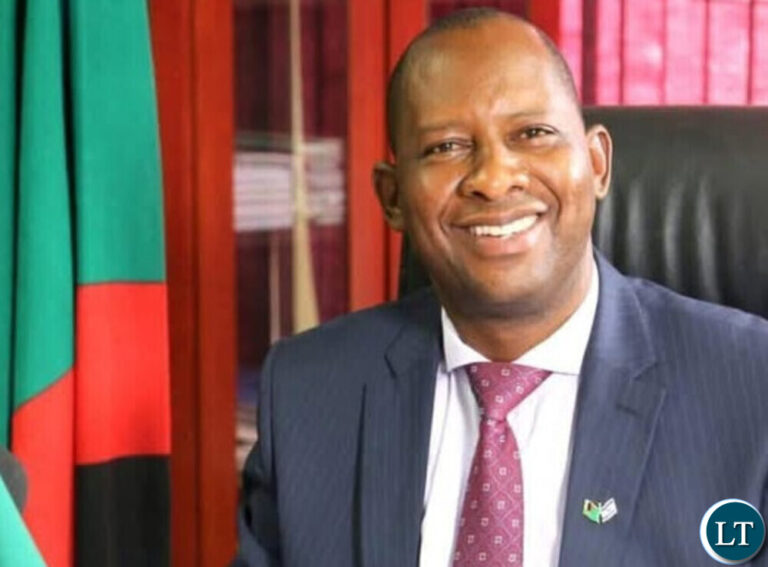
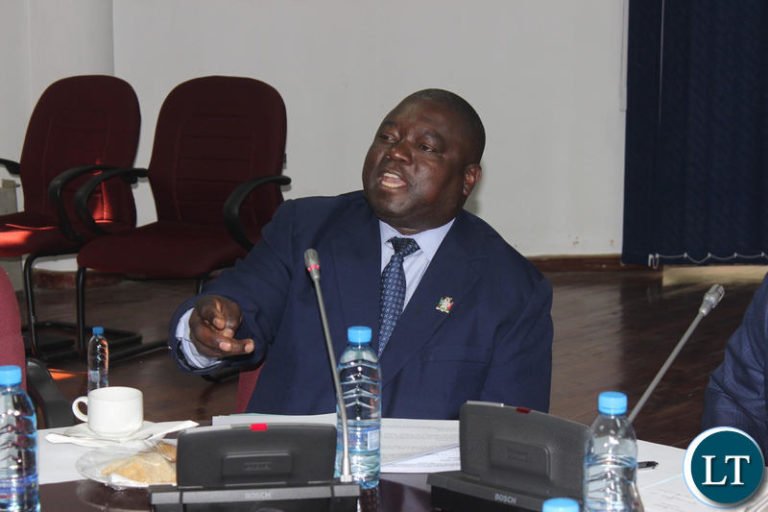
Former Cabinet minister Yamfwa Mukanga has cautioned that the Patriotic Front (PF) faces the risk of further defections if persistent internal disputes within the party are not resolved.
Mukanga’s remarks come amid continued tensions within the opposition party, where disagreements over leadership direction and organisational matters have generated concern among members and supporters.
Speaking on the state of the party, Mukanga warned that prolonged divisions could gradually weaken the PF’s internal cohesion and undermine its ability to maintain a unified political front.
Political organisations, he observed, often experience internal disagreements. The critical factor, however, lies in how those disputes are managed. Where conflicts are addressed through dialogue and structured engagement, unity can be preserved. When disagreements linger unresolved, they can steadily erode confidence within the party.
Mukanga noted that party members expect leadership to provide stability and direction, particularly during periods of political transition or internal contestation. When members perceive uncertainty within the leadership structure, it can create anxiety about the party’s future.
According to Mukanga, sustained internal wrangles have the potential to push some members toward alternative political platforms if they believe their concerns are not being adequately addressed.
He stressed that unity remains a central pillar for any political organisation seeking to retain credibility and influence in the national political landscape.
Political parties, by their nature, rely on disciplined internal structures and shared purpose among members. When disputes dominate internal discourse, organisational focus can shift away from broader political objectives.
Mukanga warned that the PF must guard against allowing internal disagreements to overshadow the party’s broader political mission.
He emphasised the importance of strengthening internal dialogue mechanisms that allow members to express concerns while preserving organisational stability.
Inclusive engagement within party structures, he explained, helps reduce misunderstandings and reinforces confidence among members who want to remain actively involved in the organisation’s direction.
Mukanga also underscored the role of leadership in managing internal differences. Leaders of political organisations carry the responsibility of guiding members through periods of tension while maintaining a clear sense of purpose.
Constructive engagement, he noted, is often the most effective way to resolve internal disputes before they deepen into long-term divisions.
The former minister further observed that political parties must continuously reinforce internal discipline and cohesion if they are to remain competitive in national politics.
A fragmented organisation, he warned, struggles to mobilise effectively and risks sending mixed signals to both supporters and the wider electorate.
Mukanga pointed out that the PF has historically maintained a strong presence within Zambia’s political landscape. Over the years, the party has built extensive structures and networks that have supported its participation in national political processes.
However, he cautioned that prolonged internal disputes could weaken those foundations if corrective measures are not taken.
Political parties, he said, derive their strength not only from leadership but also from the confidence of ordinary members who form the backbone of the organisation.
When members begin to feel disconnected from decision-making processes, dissatisfaction can grow and eventually translate into departures.
Mukanga therefore urged party leaders and members to prioritise dialogue and reconciliation as a means of stabilising the organisation.
Restoring unity within the PF, he said, would help reinforce the party’s organisational structures while maintaining confidence among members and supporters.
He also emphasised that internal stability plays a critical role in shaping public perception of political parties.
Where a party appears divided, voters may question its readiness to govern or provide alternative leadership.
Conversely, a party that demonstrates cohesion and disciplined leadership is more likely to maintain credibility in the eyes of the electorate.
Mukanga encouraged PF members to focus on strengthening internal unity and rebuilding trust within party structures.
Resolving internal disputes through constructive engagement, he noted, would not only prevent further defections but also reinforce the party’s ability to operate effectively within Zambia’s political environment.
The former minister concluded that sustained unity within the PF remains essential for maintaining organisational stability and preserving the party’s position within the country’s political landscape.