By Foster Phiri
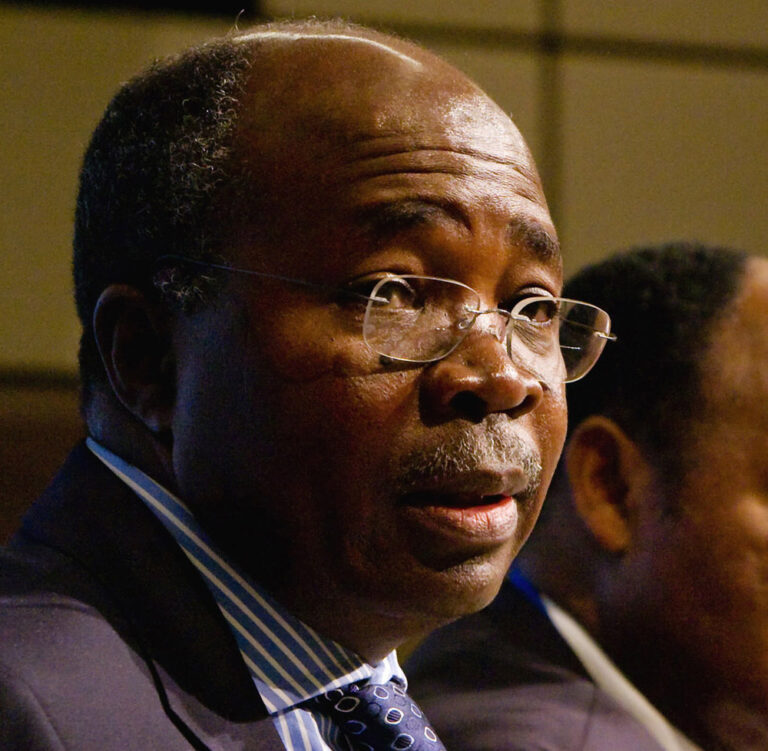
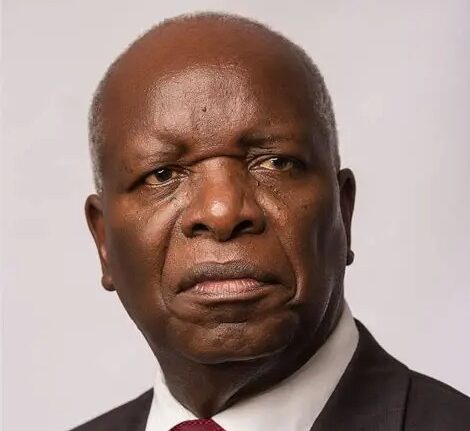
Cabinet reshuffles usually aim to show confidence. This one feels different. The removal of former Health Minister Elijah Muchima and Small and Medium Enterprise Minister Elias Mubanga has left a political vacuum filled not by clarity, but by suspicion.
Several political figures immediately framed the decision as ill timed. The suggestion that the two ministers were removed for political expedience has stuck because of when it happened, not just who it affected. Critics argue that if leadership wanted to demonstrate authority, decisive action could have come earlier when pressure mounted nationally. Acting late risks creating the impression of reaction rather than strategy.
Yet the reshuffle also exposed a quieter tension within the ruling establishment. Some policy voices welcomed the change, saying it presents a chance to reset direction, especially in the health sector. MedRAP Executive Director Liyoka Liyoka called for stronger strategic leadership capable of restoring confidence and driving accountability. That technocratic perspective sits uneasily beside the political framing dominating public conversation.
Nkana MP Binwell Mpundu described the decision as harsh, highlighting the human cost behind cabinet movements. His remarks carried a tone of disappointment, reflecting how internal shifts can unsettle even allies who view certain ministers as accessible and grounded.
Muchima’s own response avoided confrontation. He described dismissal as part of governance and reiterated loyalty to the President, signalling restraint where others expected defiance. That composure has complicated the narrative. Instead of fuelling open rebellion, his tone has forced critics to project their own interpretations onto the reshuffle.
Speculation has grown louder in the absence of detailed explanation. One recurring idea centres on Bill 7. Some political commentary claims the ministers’ stance on the bill may have influenced events. No confirmed evidence supports that theory, and Muchima himself dismissed such claims as speculation. Yet in politics, absence of explanation often becomes fertile ground for alternative stories.
Regional undertones add another layer. Both ministers come from different regional backgrounds and not from the obvious UPND stronghold. When two ministers from different regional backgrounds and not from the obvious UPND region leave office at the same time, questions about balance and representation inevitably surface. Whether this perception reflects internal strategy or coincidence is unclear, but the conversation has already taken root.
The reshuffle has also been linked to broader political pressure. References to earlier public confrontations in Ikelenge have resurfaced, feeding a narrative that leadership may be reacting to mounting grassroots dissatisfaction. For supporters of the administration, the move signals firmness. For critics, it feels like a late attempt to control a narrative that has already escaped official messaging.
What makes this moment politically dangerous is not the firing itself but the silence around it. Without clear reasoning, each faction fills the gap with its own story. Some frame the decision as discipline, others as panic, and still others as calculated positioning ahead of a difficult political season.
In politics, perception often outweighs explanation. Right now, the reshuffle reads less like a confident reset and more like a leadership trying to show teeth after months of hesitation. Whether that perception holds will depend on what comes next, who replaces the fallen ministers, and whether new appointments calm the unease or deepen it.