Patriotic Front figures have described the former ruling party as a movement built to withstand internal strain and remain active across Zambia’s political space, a message delivered as the organisation works to stabilise structures following a period of leadership changes and factional disagreements.
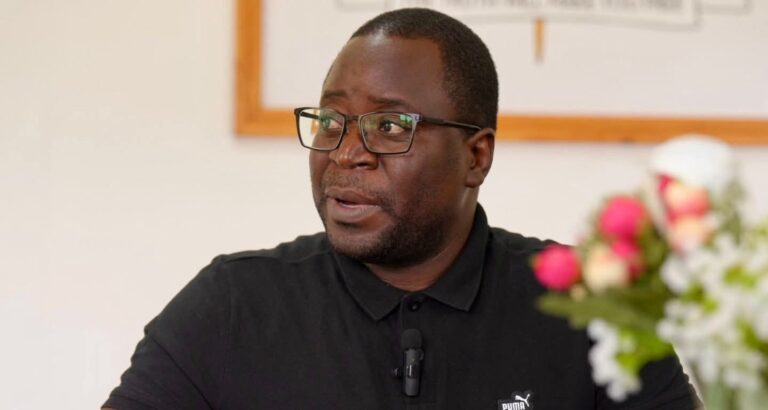
Stephen Kampyongo said the PF should be viewed as more than a conventional party hierarchy, pointing instead to ward and constituency networks that continue to operate across several provinces. His remarks focused on organisational continuity, stressing that supporters remain engaged despite setbacks experienced since the transition of power in 2021.
The statement comes at a time when several PF members have publicly acknowledged internal differences over direction and leadership positioning. Party insiders have spoken about the need to rebuild provincial coordination, restore discipline within local structures, and re-establish communication channels that weakened during earlier disputes.
Within the PF, discussions have centred on reconnecting with grassroots supporters through community meetings and outreach activities. Senior figures say rebuilding trust at local level has become a priority as the party attempts to regain stability. The emphasis on movement language reflects an effort to present the organisation as rooted in long-standing networks rather than defined solely by national leadership changes.
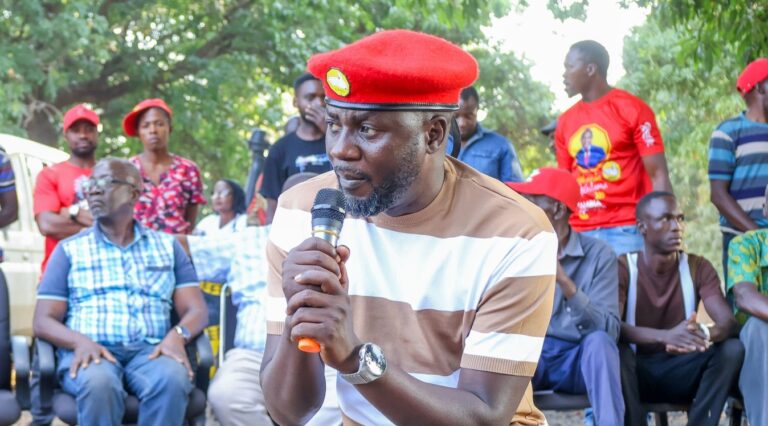
Supporters attending recent gatherings described a renewed focus on mobilisation at branch level. Ward officials have reportedly resumed coordination efforts aimed at strengthening membership registers and preparing structures for future political activity. Party messaging now highlights organisational survival, loyalty among members, and the importance of maintaining visibility across the country.
The PF governed Zambia for a decade before leaving office, and its leadership continues to reference that period as a foundation for rebuilding. Campaign experience, national reach, and established local offices remain central to the narrative being advanced by party figures. The language used in recent statements suggests an attempt to unify different factions under a shared identity rather than emphasising individual leadership contests.
Internal disagreements, particularly around succession and candidate selection, have shaped much of the party’s recent history. Some members have moved toward alternative formations, while others have urged reconciliation and stronger internal discipline. Kampyongo’s remarks place emphasis on cohesion, presenting the PF as an organisation capable of adapting to shifting political conditions without losing its core base.
Across Zambia’s political environment, public engagements by government leaders tied to education programmes, economic messaging, and infrastructure initiatives continue to dominate national attention. PF messaging appears aimed at ensuring the party remains visible within that environment by highlighting its grassroots presence and organisational continuity.
Party officials involved in mobilisation say rebuilding structures requires consistent engagement rather than dramatic public events. Meetings at constituency level have focused on resolving disputes, strengthening communication between national and provincial leadership, and maintaining coordination among supporters who remained active after the transition from government.
The tone of recent PF messaging indicates recognition that unity will shape the party’s ability to remain competitive. Leaders have emphasised discipline, internal dialogue, and collective identity as guiding principles for the next phase of rebuilding. Public statements increasingly highlight resilience and long-term planning rather than immediate electoral confrontation.
Kampyongo’s remarks reinforce a narrative that the PF intends to maintain a visible presence in national politics while navigating organisational adjustments. The party continues to frame itself as a movement sustained by grassroots participation and historical political engagement, signalling that rebuilding efforts will remain a central focus as Zambia’s political environment evolves.