Sunday, June 7, 2026
24.8 C
Lusaka
Home Blog Page 148

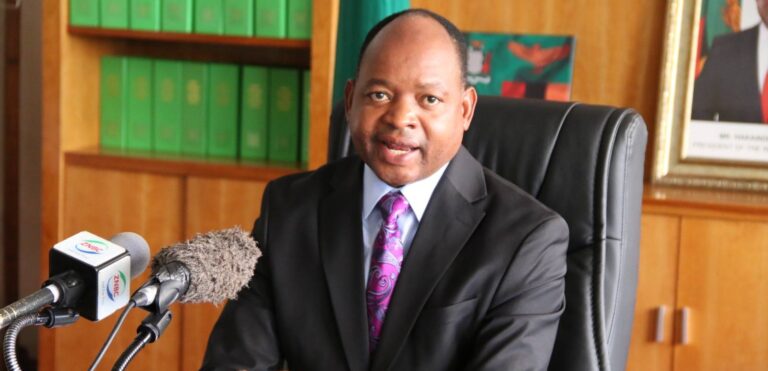
Musokotwane highlights economic strategy tied to mining sector

0

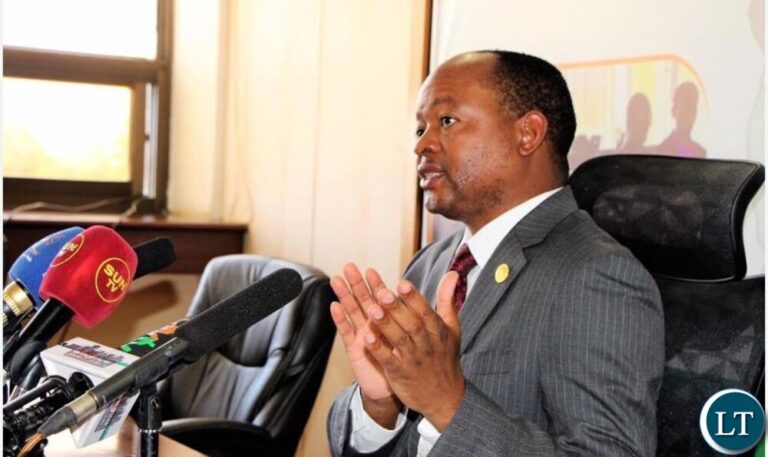
Finance Minister Situmbeko Musokotwane has provided a detailed explanation of President Hakainde Hichilema’s address delivered during the mining indaba, describing the speech as a reflection of Government’s broader economic direction and ongoing reforms within the mineral sector. The minister outlined policy measures aimed at strengthening investor confidence, maintaining fiscal stability and positioning Zambia as a competitive destination for mining investment.

The newspaper report indicates that Musokotwane’s remarks focused on the relationship between economic reforms and mining sector growth. He described policy predictability and fiscal discipline as central to Government’s approach, noting that stability within the regulatory environment remains essential for attracting both domestic and foreign investors. Authorities have repeatedly highlighted mining as a cornerstone of economic planning, given its role in revenue generation and employment creation.

Government messaging surrounding the mining indaba emphasised the importance of aligning economic reforms with long-term sector sustainability. Musokotwane pointed to ongoing policy adjustments designed to enhance production capacity while supporting broader economic recovery efforts. The minister’s analysis framed the President’s speech as outlining a roadmap aimed at strengthening Zambia’s economic outlook through increased mineral output and investment inflows.

The mining indaba platform allows policymakers to engage directly with industry stakeholders, including investors, mining companies and development partners. Musokotwane indicated that discussions at the forum highlighted opportunities for expanding exploration activities and improving operational efficiency within the sector. Government officials have maintained that policy consistency remains a priority, describing it as essential for restoring investor confidence following previous economic challenges.

Authorities have also stressed the need for mining growth to translate into tangible benefits for communities. The minister’s remarks referenced efforts to align mining expansion with infrastructure development and social programmes, reinforcing Government’s broader development agenda. Economic reforms introduced in recent years were described as part of a strategy aimed at stabilising macroeconomic indicators while creating an enabling environment for private sector participation.

Musokotwane further explained that Government’s fiscal measures are intended to balance revenue collection with incentives that encourage investment. Policy clarity, he noted, allows companies to plan long-term projects while contributing to national development goals. The minister described collaboration between Government and industry players as key to sustaining growth, highlighting ongoing consultations aimed at improving sector competitiveness.

The newspaper report framed the minister’s analysis as an effort to contextualise the President’s mining indaba speech within Zambia’s economic reform programme. Officials continue to present the mining sector as a driver of economic activity, with Government seeking to expand production while ensuring responsible resource management. The minister indicated that policy discussions remain ongoing, reflecting efforts to refine strategies that support sustainable growth.

Mining remains one of Zambia’s most influential economic sectors, and Government leaders have repeatedly emphasised its role in strengthening fiscal performance. Musokotwane’s commentary underscored that economic stability and policy consistency are intended to create conditions conducive to investment while supporting broader national development objectives.
HH to attend AU summit in Ethiopia

4

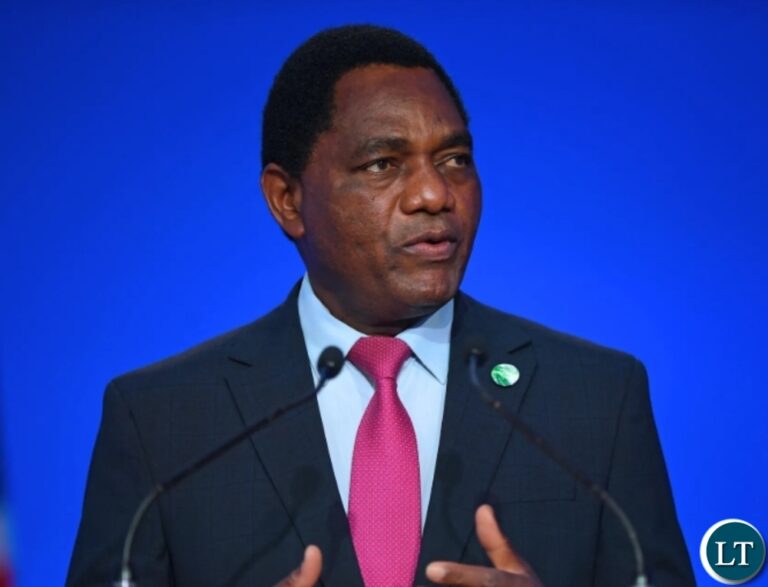
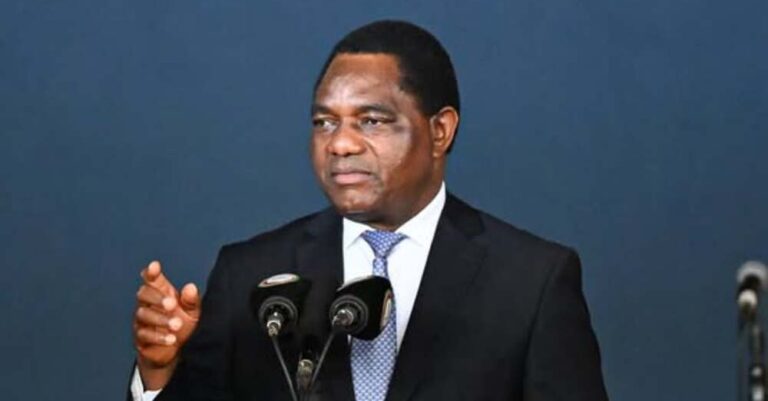
President Hakainde Hichilema is scheduled to travel to Ethiopia for the upcoming African Union summit, a gathering expected to bring together heads of state and government to deliberate on governance, economic cooperation and regional stability. The summit agenda places emphasis on strengthening collaboration among African nations, with discussions likely to focus on development financing, peace building and continental integration.

Government sources indicate that Zambia’s participation aligns with ongoing diplomatic engagement aimed at positioning the country within broader African policy conversations. The summit comes at a time when regional leaders are reviewing progress on economic reforms and collective responses to challenges affecting the continent, including climate pressures, infrastructure development and investment mobilisation.

Officials have framed the trip as part of Zambia’s continued role within multilateral forums. Participation at the summit allows the country to engage with other African governments on matters linked to economic growth, trade expansion and institutional cooperation. Zambia’s presence also reflects efforts to reinforce ties with regional partners while advancing shared policy goals through African Union mechanisms.

Preparatory discussions ahead of the summit have highlighted issues surrounding governance frameworks, peace and security initiatives and cross-border collaboration. Diplomatic engagements during such meetings often include bilateral sessions between leaders, creating opportunities for dialogue on investment and development partnerships. Zambia’s involvement is expected to contribute to conversations on strengthening continental institutions and promoting sustainable economic pathways.

The summit agenda also places attention on social and development priorities, including youth empowerment and economic resilience. Delegations from member states are expected to share national experiences in implementing reforms aimed at improving livelihoods and expanding economic participation. Government representatives have indicated that Zambia intends to participate actively in these discussions, reflecting domestic policy efforts focused on economic recovery and structural reform.

Participation in continental forums has formed a recurring feature of Zambia’s diplomatic engagements. Government officials have previously noted that involvement in regional and international platforms provides avenues for collaboration while allowing Zambia to present its policy outlook on governance and development issues. Engagement at the African Union summit continues that approach, reinforcing the country’s visibility within regional decision-making processes.

The visit also comes amid broader efforts to maintain diplomatic dialogue with African partners. Such gatherings typically provide a platform for leaders to exchange perspectives on economic integration initiatives, infrastructure development strategies and policy alignment across sectors. The summit is expected to produce communiqués outlining collective positions on key issues affecting member states.

While the summit’s outcomes will depend on deliberations among participating nations, Zambia’s presence signals continued commitment to continental cooperation. Government officials have indicated that the delegation will seek to engage constructively on issues linked to development financing and regional stability, reflecting national priorities within a wider African context.

The numbers don’t lie, but government spin does

3

By Dr Mwelwa

Fellow Zambians,

Let us examine these figures with clarity and honesty.

2017: 3.53%
2018: 4.03%
2019: 1.44%
2020: -2.79%
2021: 6.23%
2022: 5.21%
2023: 5.37%
2024: 4.04%

We are being asked to celebrate 6.23% growth as proof of economic success. We are told the country has recovered strongly. But beyond statistics and press briefings, one question matters: does this growth reflect the daily reality of ordinary citizens?

Has the price of mealie meal fallen because GDP rose to 5.37%?
Has load shedding disappeared because growth moved above five percent?
Have young graduates found stable employment simply because international lenders express confidence?

Numbers can tell a story, but they do not tell the whole story.

Yes, 2020 brought a global crisis. Yes, Zambia faced economic contraction during that period. Yet the pressure felt by families today did not start with the pandemic, and many households continue to carry that burden. Small businesses remain under strain, farmers face rising input costs, and young people move from opportunity to opportunity with little certainty.

What kind of growth leaves living costs high?
What kind of recovery fails to ease pressure on small traders?
What kind of stability depends heavily on external conditions?

Debt restructuring has been presented as a milestone. Renegotiating obligations can create breathing space, but it does not on its own generate new industries, factories, or long-term employment. Agreements on paper must translate into real economic activity that touches communities.

Zambia’s economy still relies heavily on copper exports. It remains exposed to global market shifts and external shocks. Public messaging cannot replace structural change.

If growth were truly inclusivea, local markets would reflect renewed confidence.
If growth were transformative, energy supply would show consistent improvement.
If growth were sustainable, fewer young people would feel compelled to search for opportunities outside the country.

Those of us in the opposition are not against economic progress. We support growth that reaches households, supports enterprise, and strengthens livelihoods. Celebrating percentages while families struggle does not build trust.

The country needs industrial expansion that creates value at home.
It needs policies that lower the cost of living in practical terms.
It needs jobs that give dignity and stability.

The figures may appear encouraging.
Yet the lived experience of many citizens paints a more complex picture.

In a democracy, economic indicators matter.
The voice that ultimately decides the future belongs to the people.

Teachers Unions support Government’s warning

1

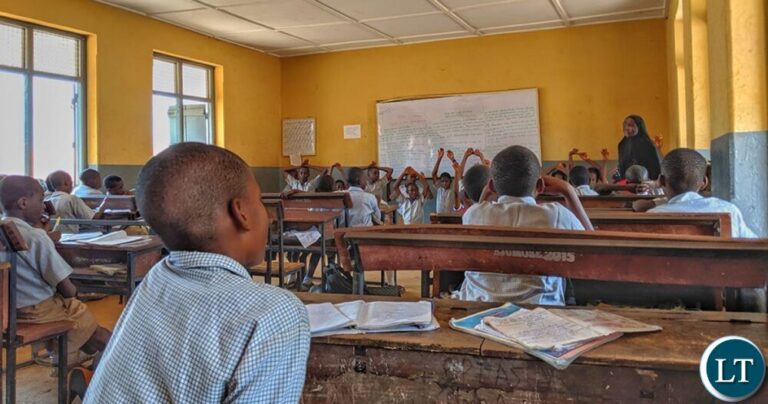
Teachers’ unions have backed Minister of Education, Douglas Siyakalima’s warning that teachers abandoning their rural schools risk losing their jobs.

The District Teachers’ Union (DTUZ) General Secretary, David Siamutwa said the warning is timely.

Mr Siamutwa explained that learners in rural areas are not different from those in urban areas as they also need quality education.

“The needs of pupils in rural areas are just the same as the needs of those in urban areas therefore, there is need to render the teaching services to children in the rural areas because leaving those areas will mean there will be no education in those parts of the country,” said Mr Siakalima.

Mr Siamutwa emphasised on the need for teachers to be professional by honoring their deployment.

Meanwhile, Mr Siamutwa has implored the government to consider improving living conditions for the teachers serving in remote areas.

He highlighted that teachers will not shan their posts if housing conditions are improved in rural areas.

And Mr Siamutwa has also called on the communities in which the teachers are deployed to serve to embrace them.

Mr Siamutwa has however expressed concern over reports of witchcraft, which he said scare teachers to serve in rural areas.

“We urge the members of the community to accept the teachers to make their work easy.”

In a related development, Basic Education Teachers Union (BETUZ) Director Public and International Relations, Obby Chisala says the union is saddened by reports of teachers abandoning their posts in rural areas as reported by the Ministry of Education.

Mr Chisala counselled teachers to offer their services professionally regardless of the areas they are posted to work from.

“Our role as teachers is to deliver quality education to every Zambian regardless of where they are,” said Mr Chisala.

He appealed to government to continue improving working conditions for teachers working in rural areas.

Mr Chisala however said the union in line with government reforms is committed to building housing units for rural based teachers.

Yesterday, Minister of Education Douglas Syakalima warned that teachers who abandon their assigned rural postings risk losing their jobs and that government has intensified efforts to curb absenteeism in underserved areas and firing is one of them.

ZMD monitoring progress of cyclone Gezani

0

The Zambia Meteorological Department (ZMD) has announced that it is closely monitoring the progression of Tropical Cyclone Gezani that made landfall over the east coast of Madagascar yesterday, Tuesday, 10th of February 2026.

Giving an update on Cyclone Gezani, ZMD disclosed that the cyclone was Intense at the time it made landfall over Madagascar with maximum average wind speeds of 148 km/h and a central minimum sea-level pressure estimated around 975hpa.

The media reports that the Department describes the current status of the cyclone as severe, with sustained winds of 130Km/h and a pressure level 985 Hpa.

The storm is projected to be in the Mozambique Channel by tomorrow, Thursday, 12th February 2026.

ZMD revealed that its interaction with the Intertropical Convergence Zone (ITCZ) is expected to further enhance rainfall activities across Zambia.

The impact of the interaction with the ITCZ includes widespread rainfall with periodical Heavy falls.

It is anticipated that significant rainfall amounts may lead to flooding, especially in low-lying areas and along river banks.

Other effects are enhanced soil moisture, as a result of waterlogging and flooding, increased thunderstorms and lightning activities may occur, posing risks of lightning strikes.

“Strong Winds: Occurrence of gusty winds could cause damage to infrastructure and vegetation,” stated ZMD.

Meanwhile, ZMD has warned the public to avoid low-lying areas due to expected flooding and also to desist from crossing flooded points, roads and bridges.

The Department has further cautioned the public to avoid outdoor activities during thunderstorms and seek shelter indoors.

This is contained in a media update on Cyclone Gezani issued to ZANIS by the Zambia Meteorological Department in Lusaka.

KALAMPA NKANA CLAMPS NKWAZI ‎

2

Nkana picked up their fifth consecutive victory in the Super League this season with a 1-0 win over Nkwazi in the away midweek fixture at Edwin Imboela Stadium in Lusaka.

‎Congolese striker Idris Mbombo handed Kalampa the win by striking a second half goal in the capital city.

‎It was a build up to last Saturday’s 2-0 home win over FC Leopards in Wusakile, Kitwe.

‎The Kitwe giants have jumped four places up to number nine (9) on the table with 25 points from 19 matches played.

‎Nkana coach Mwenya Chipepo reacted:”We are very happy as the technical bench. Supporters and the Executive are happy as well.”

‎The 13-time Super League champions are unbeaten in their last nine matches stretching from late 2025 into the new year.

‎”We suffered a lot but at least I’m happy with the performance of the guys because they are showing good character,” Chipepo said.

‎Nkana’s next match is against Green Buffaloes at home in Wusakile, Kitwe.

‎Meanwhile, Red Arrows have a one point lead at the top of the table following a 1-1 draw away at Mines United in Kabwe.

‎Arrows have 36 points after playing 18 matches.

‎(Images credit Nkana FC)

Government scores in fight against corruption

0

Minister of Information and Media, Cornelius Mweetwa says the current administration has recorded a success story in the fight against corruption in Zambia.

Mr Mweetwa says this is evident by the number of the large-scale cases of corruption being taken before the courts of law.

The Minister notes that for the past four years, the country has witnessed a number of properties whose owners have failed to account for their sources of funding being forfeited to the state, including millions of dollars.

Mr Mweetwa said this in Lusaka during a briefing on the recently released 2025 Corruption Perception Index by Transparency International Zambia (TIZ) which relates to public sector corruption in Zambia.

“We are talking about Zambia’s scoring in the Corruption Perception Index 2025 where TIZ has said the country is rated from 39 to 37 out 100, shy of the global average which is 42.

This comes against the backdrop that in the last two years, Zambia has been recording an upward gain of positive steps in the fight against corruption,” he said.

The Minister indicated that the fight against corruption under President Hakainde Hichilema’s administration has gone according to plan and in line with the presidential pronunciations that the government was going to robustly fight the past, present and future corruption.

The Minister therefore, urged all citizens to detest corruption because it is a community disease that steals public resources away from the intended beneficiaries, into the private advantage of a few privileged who occupy public office.

He urged everyone to join in the fight stating that it should not be left to the government alone.

“President Hakainde Hichilema is calling upon the citizens to know that corruption should be fought by all,” Mr Mweetwa added.

He added that the law has not segregated anyone as it has visited even high-profile status citizens who have either been convicted or being acquitted, as acquittal is part of the crusade.

Mr Mweetwa added that perception index might have also been informed in part by how the ZAMSA forensic audit was instituted and governments’ pronouncements on the abuse of the Constituency Development Funds.

Chongwe records non- bloody Diarrhea cases

0

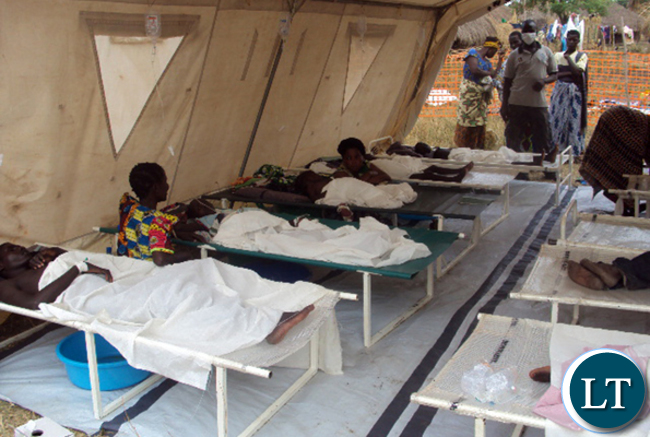
 Chongwe District has recorded 24,902 cases of non – bloody diarrhea from January 2025 to date, with the highest numbers among children under five years old.

The media reports that District Health Surveillance Officer, Kelvin Mwakapushi revealed the figures during a presentation at the District Epidemic Preparedness and Management 2025 fourth quarter meeting.

Mr Mwakapushi noted that people aged 15 to 21 also recorded high cases during the period.

He called for sensitisation among caregivers, especially mothers who spend time with children under five, on how to prevent the disease.

Meanwhile, Chongwe District Director of Health Services, Morton Zuze said his office has intensified efforts to reduce the spread of the disease.

“We are currently offering prevention services to reduce cases of non- bloody diarrhea in areas where it is high such as distribution of granular and liquid chlorine. The office has also strengthened disease surveillance and testing of water samples to detect and treat the disease early,” Dr Zuze.

He urged stakeholders to assist with resources like fuel to support staff in prevention and management activities.

Ndola Youths get issued with 1000 Scholarships

0

Ndola Mayor, Jones Kalyati has commended Bootstrap Christian University for issuing out 1000 scholarships to Ndola based youths through the Mayor’s office.

Speaking when he officiated at the launch of the Scholarship program, Councilor Kalyati said offering scholarships to the less privileged in society will lessen the burden of people paying for tuition fees.

He said a lot of people in the peri- urban areas are finding it difficult to sponsor their children due to the high cost of tuition fees.

He revealed that the program will be ongoing for the next five years.

The Mayor has since encouraged members of the public to apply for the scholarship and acquire the needed knowledge from the school.

Bootstrap President, Justine Likuka said the scholarships are non- political saying that they are meant for the vulnerable people of Ndola district.

Dr Likuka explained that the scholarships will be divided in two, of which 1000 will go to the office of the Mayor and the other 1000 will be for the whole Province.

He said each constituency will receive about 250 scholarships through the Mayor’s office.

Dr Likuka said Ndola district needs more educated people for it to continue thriving.

Copperbelt Province Education Officer, Kasune Zulu has called on the school to impart quality education to the learners so that they are able to make a difference in society.

Mr Zulu said through the partnership with Bootstrap the two will work together to ensure that the institution is anchored on a strong foundation.

President Hichilema to Attend 39th African Union Summit in Addis Ababa

1

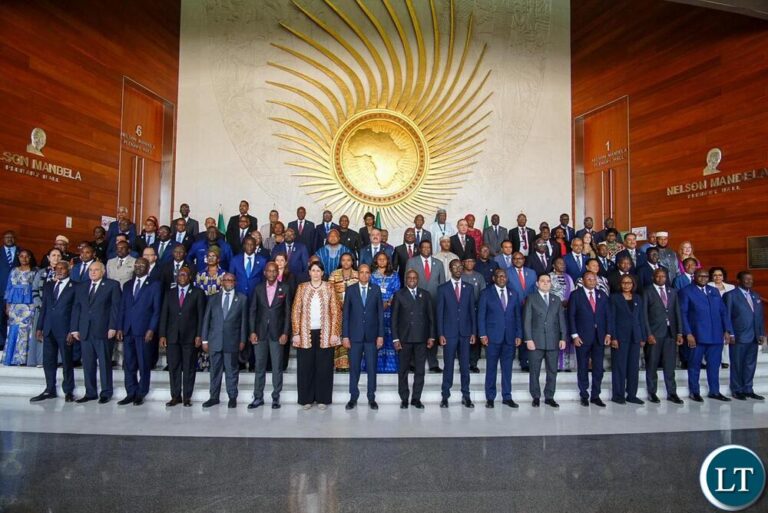
President Hakainde Hichilema is expected to participate in the 39th Ordinary Session of the Assembly of Heads of State and Government of the African Union, which will be held from February 14 to 15 in Addis Ababa, Ethiopia.

The Assembly, which is the African Union’s highest decision-making body, will this year convene under the theme “Assuring Sustainable Water Availability and Safe Sanitation Systems to Achieve the Goals of Agenda 2063.”

The theme aims to reaffirm the African Union’s commitment to strengthening political leadership, building partnerships, mobilising resources and promoting Africa’s water and sanitation agenda on the global stage. Deliberations are expected to focus on driving transformative action, improving governance and accelerating progress towards continental and international water and sanitation targets.

Minister of Foreign Affairs and International Cooperation Mulambo Haimbe announced the President’s participation in a statement issued today.

AU Executive Council opens in Addis Ababa

0

The two-day 48th Ordinary Session of the Executive Council of the African Union (AU) has officially opened today in Addis Ababa, with a call on Foreign Ministers from across the continent to engage into devoted deliberations that will reflect the aspirations of the African continent.

The deliberations at the high-level ministerial meeting will prepare the platform for the 39th Ordinary Session of the Assembly of Heads of State and Government, slated for February 14 and 15, 2026 at the African Union Headquarters in Addis Ababa.

Chairperson of the Executive Council, Tete Antonia, said during the official opening that the meeting plays a vital role in shaping the strategic direction of the AU by coordinating and reviewing key policy areas of common interest to member states.

Zambia is being represented in the council meeting by Minister of Foreign Affairs and International Cooperation, Mulambo Haimbe, who is accompanied by his Permanent Secretary for International Relations and Cooperation, Etambuyu Gundersen and Zambia’s Ambassador to Ethiopia and Permanent Representative to the AU as well as United Nations Economic Commission for Africa, Albert Muchanga.

Mr Haimbe said the theme for this year’s ordinary session of the African Union summit, ‘Assuring sustainable water availability and safe sanitation to achieve the goals of Agenda 2063’, is of critical importance to Zambia.

He said in an interview that the water deficit leads to energy and food insecurity and compromises general development of a given region.

“As you all know, the absence of energy, which is for us as a country, driven through the hydro facilities that we have, becomes a security challenge. This is one of the themes which this particular African Union summit will be looking at,” he said.

Mr Haimbe added that the theme speaks directly to the wellbeing of the Zambian people hence the conversations in the ongoing Executive Council meeting and subsequently in the AU summit this weekend, will be very important.

He further said the discussions align well with Zambia’s efforts especially that the country has been one of the champions towards driving matters of water and sanitation on the African continent.

“As you know we did host the PanAfcon five, which was an important part of the deliberations leading to where we are today and we expect that here at the summit, we will adopt the continent-wide water and sanitation policy,” Mr Haimbe said.

In line with its mandate, the Council is tasked with harmonizing policy frameworks, reviewing reports from AU organs and specialised committees, and consolidating recommendations that will guide deliberations at the highest political level.

The media reports that the outcomes of the Executive Council session will directly inform the decisions and declarations to be adopted by Heads of State and Government during their meeting this weekend.

The Foreign Ministers are also working to ensure that continental priorities are aligned and that proposals which will be presented to leaders are those that reflect broad consensus among member states.

Furthermore, the discussions will also focus on institutional reforms, Africa’s strategic positioning within the G20, and preparations for the theme of this year’s summit.

The theme signals a strategic shift toward addressing water security and sanitation as foundational pillars for economic growth, public health, environmental sustainability and climate resilience.

The ministers are expected to outline actionable pathways to accelerate progress in these areas across member states.

The issues of peace and security also remain central to the Council’s agenda and ministers are reviewing reports under the AU’s flagship “Silencing the Guns” initiative, with particular attention to ongoing conflicts in Sudan and the eastern Democratic Republic of Congo.

Govt, Inq. Digital Zambia Partner to expand free public Wi-Fi

0

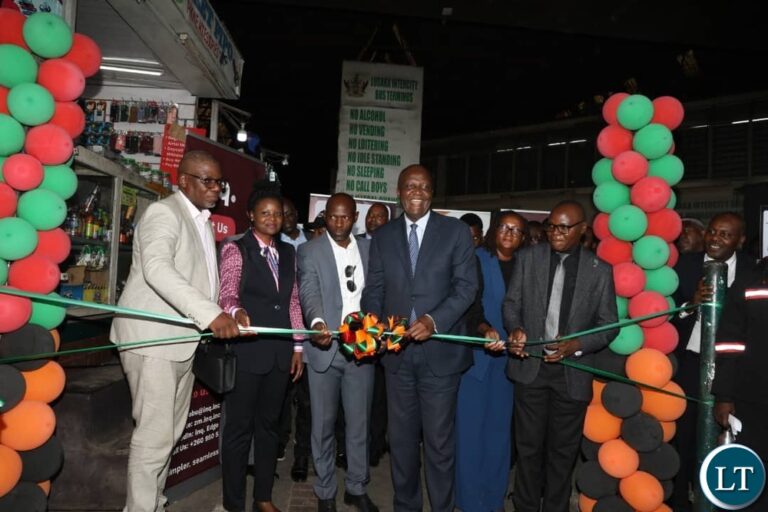
The Ministry of Technology and Science has signed a Memorandum of Understanding (MOU) with Inq. Digital Zambia to expand the National Free and Limited Public Wi-Fi Initiative across the country.

Speaking at the signing ceremony, Permanent Secretary Brilliant Habeenzu, in a speech read on his behalf by Director of Communications Nkula Mwanza, said the agreement builds on the successful pilot phase at Lusaka Intercity Bus Terminal, Kapiri Mposhi Bus Station and Chisokone Market in Kitwe.

During the three-month pilot, over 120,000 users accessed free Wi-Fi, benefiting students, traders and travelers.

Dr. Habeenzu highlighted how digital connectivity is driving economic empowerment, citing traders who have adopted mobile payments and online advertising.

He added that expanding internet access will help young people acquire skills in coding, robotics and entrepreneurship, supporting innovation and job creation.

Inq. Digital Zambia Managing Director Duncan Pie said the partnership demonstrates a shared commitment to expanding meaningful digital access.

He noted that public Wi-Fi in high-traffic areas is already transforming business operations and pledged continued collaboration with government to strengthen Zambia’s digital foundation.

ECZ stakeholders review electoral process bill

0

The Electoral Commission of Zambia(ECZ) says proposed amendments to the Electoral Process Act are crucial in actualizing the country’s newly introduced mixed-member proportional representation system.

ECZ Chief Executive Officer Brown Kasaro reiterated the Commission’s commitment to delivering elections that are transparent, inclusive, and professional and anchored in the Constitution.

Speaking during a Stakeholders meeting to receive Submissions on the Electoral Process Amendment Bill 2026, Mr Kasaro noted that public confidence in elections depends not only on poll-day procedures but also on how foundational processes are undertaken.

He explained that the amended Constitution introduced far-reaching reforms, among them the mixed-member proportional representation system for elections to the National Assembly and local councils.

Mr Kasaro said the new system is designed to broaden democratic participation by enhancing representation of women, youths and persons with disabilities.

He emphasized that the Commission values the cooperation of all stakeholders, stating the process will help shape Zambia’s electoral landscape for many years to come.

Speaking at the same event, the Civil Society Organisation(CSOs) proposed for strict statutory timelines for publishing nomination papers, affidavits and party lists.

CSO Representative Hellen Mwale said delays could undermine Article 52, which sets a limited period for challenging nominations.

Ms. Mwale also proposed for a mandatory 48-hour publication window to ensure transparency and protect the right to challenge.

She also warned that the Bill, in its current form, does not prevent candidates contesting mayoral, ward, or constituency seats from appearing on party lists, potentially allowing losing candidates to enter Parliament through the back door.

And the Bishops Council of Zambia noted that the Electoral process amendment bill will make it easier for all citizens to access voting information and understand voting patterns, regardless of their location.

BOZ reduces monetary policy

0

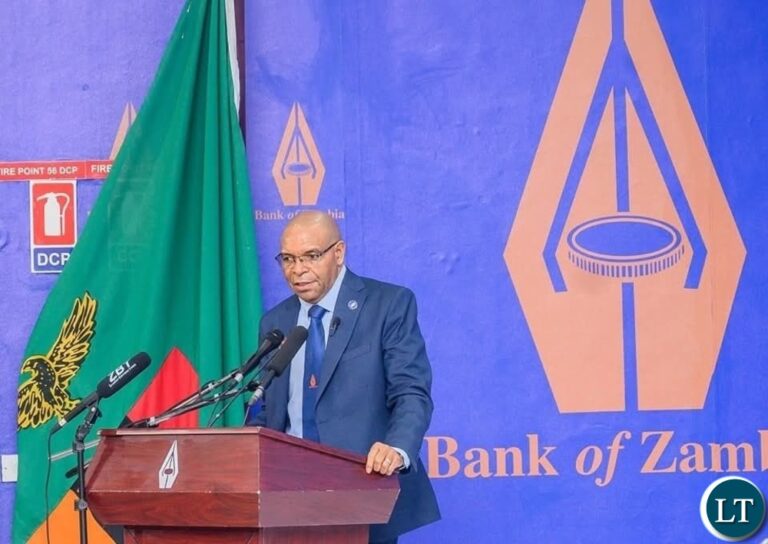
The Bank of Zambia (BOZ) has reduced the Monetary Policy Rate (MPR) by 75 basis points to 13.5 percent for the month of February from 14.25 in last year’s quarter.

Announcing the Monetary policy rate reduction at a press briefing in Lusaka today,  BOZ Governor Denny Kalyalya stated that the reduction is in response to decline in inflation in the fourth quarter of 2025.

He noted that in January 2026, inflation fell sharply  to 9.4 percent and that the decline has largely been driven by the continued impact of the maize bumper harvest from the 2024/25 farming season and appreciation of the kwacha against major currencies.

“The current projection is that inflation will fall into the 6-8 percent target band at a faster pace than was forecast in November 2025,”he said.

Dr. Kalyalya added that inflation is expected to be within the band by the second quarter of 2026 and move to lower bound by the second quarter of 2027.

He said on average, inflation is forecast to be 6.9 percent in 2026 compared to 7.6 percent projected in November 2025.

The Governor stated that inflation is further expected to ease further to 6.3 percent in 2027.

He said the more positive outlook largely reflects the impact of lagged effects of the recent appreciation of the exchange rate and expected favourable agricultural output.

Dr. Kalyalya pointed that the risks to the inflation outlook remain tilted to the downside, which include favourable conditions; supportive external sector conditions, reflected in higher copper prices and continued macroeconomic stability.

He observed that in view of the recent sharp drop in inflation and projected further decline over the forecast horizon, improving market expectations of inflation and the need to maintain an appropriate monetary policy stance, the committee decided to reduce the policy rate by 75 basis points to 13.5 percent.

Dr. Kalyalya has since indicated that decisions on the policy rate will continue to be guided by inflation outcomes, forecasts and identified risks including those associated with financial stability.

Government responds to TIZ report while challenging perception index methods

3

Government has responded to the latest corruption perception findings with a dual message, acknowledging public concerns raised by the report while also questioning aspects of the methodology used to measure governance performance.

Speaking during a press briefing in Lusaka, Information and Media Minister Cornelius Mweetwa said the administration views the rating as a reminder that the fight against corruption remains ongoing, but insisted that several structural reforms introduced since 2021 demonstrate measurable progress. The report reflected a drop in Zambia’s score from 39 to 37, placing the country below the global average.

During the briefing, Mweetwa outlined reforms implemented under President Hakainde Hichilema’s administration, including the establishment of the Financial and Economic Crimes Court, which he described as a key mechanism for accelerating corruption-related cases. He said the specialised court has reduced delays that previously allowed investigations to stretch for years, adding that both convictions and acquittals have taken place as part of strengthening judicial credibility.

Government also highlighted asset forfeitures and prosecutions involving public officials as evidence that enforcement agencies are operating without political shielding. According to the minister, the administration’s anti-corruption strategy is focused on institutional independence rather than targeting individuals, arguing that accountability must apply across all levels of public service.

At the same time, the minister used the briefing to challenge aspects of the perception index itself, questioning whether international surveys accurately capture the realities of reforms underway in Zambia. He noted that different global institutions often produce contrasting ratings and asked what empirical tools were being used to sustain lower scores despite visible legal changes and enforcement actions.

Mweetwa argued that perception indicators sometimes rely heavily on opinion-based surveys, which may not fully reflect structural reforms or ongoing prosecutions. He said government remains open to dialogue with civil society organisations contributing to the index, emphasising that constructive engagement could help clarify how ratings are determined and how Zambia’s progress is measured.

The minister also addressed issues that may have influenced public perception during the reporting period, including revelations from forensic audits into procurement practices within the health sector and concerns surrounding misuse of constituency development funds. He said exposure of such issues demonstrates institutional transparency rather than weakness, arguing that systems willing to confront wrongdoing publicly should not be viewed solely through a negative lens.

During the briefing, authorities rejected suggestions that oversight institutions operate under political pressure. Mweetwa stated that independence must be assessed through the actions of courts and enforcement agencies rather than assumptions tied to appointments or funding levels. He added that financial constraints facing oversight bodies reflect broader economic realities rather than deliberate interference.

Government further urged citizens to support anti-corruption efforts by resisting narratives portraying legal proceedings as persecution. According to the minister, maintaining public confidence requires a collective commitment to lawful processes and national development goals. He reiterated that constitutional provisions remain the only basis for immunity from prosecution, stressing that no individual is shielded from accountability.

Despite pushing back against certain aspects of the perception index, the administration acknowledged the importance of continuous improvement. Mweetwa said government aims to strengthen institutional capacity, expand oversight mechanisms and deepen collaboration with civic organisations to address governance challenges. Officials have set a target of reaching a CPI score of 40 by 2026, presenting the goal as part of a broader commitment to improving transparency.

The press briefing reflected a balancing act between defending progress and engaging with criticism. On one hand, government sought to reassure citizens that reforms and prosecutions demonstrate tangible action against corruption. On the other, it questioned whether international perception tools fully capture developments on the ground.