Sunday, June 14, 2026
11.5 C
Lusaka
Home Blog Page 166

US$1.2 billion sourced for Water Investment Programme – Veep

0

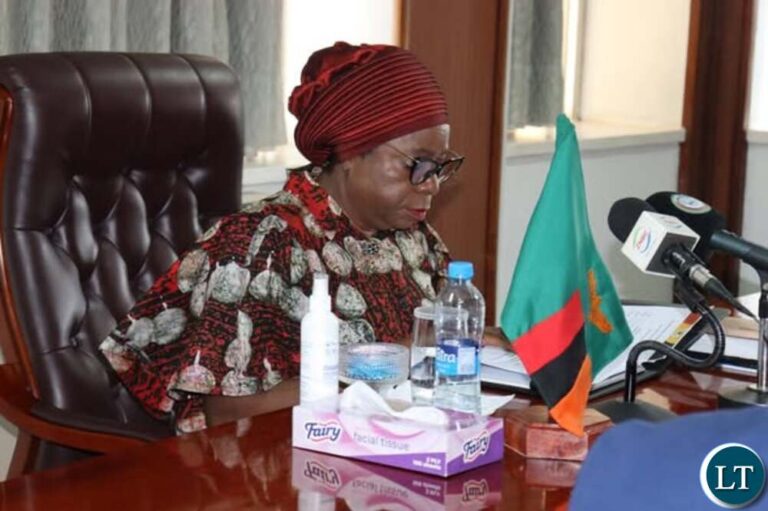
Vice President, Mutale Nalumango, has revealed that Zambia has so far mobilised US$1.2 billion, out of the targeted US$5.75 billion for the Water Investment Programme.

The programme aims to ensure water security, sustainable sanitation, and climate resilience, supporting national development by the year 2030.

Mrs Nalumango has reiterated Zambia’s commitment to the Water Investment Programme, but notes that an amount of US$3.98 billion is still required.

During her address in Dubai, United Arab Emirates, where she is attending the Global Governance Summit, the Vice President stated that the shortfall provides an opportunity for investment in the programme from global partners.

“Zambia now calls on the international community to join in securing a water‑resilient future for the nation, the region, and the world,” she said.

Mrs Nalumango underscored the need for reforms to the international financial architecture to unlock blended finance at scale, and transition water from being treated as a social good to being recognised as productive capital.

The Vice President stressed that global commitments must translate into measurable improvements on the ground and called for predictable financing, technical support aligned with national systems, and clear accountability mechanisms to track delivery.

Mrs Nalumango further highlighted Zambia’s position ahead of the 2026 United Nations (UN) Water Conference, calling for a shift from fragmented voluntary commitments to a binding global water governance framework.

She emphasised Zambia’s One Government Approach, which integrates water governance across all key sectors and strengthens decentralisation to ensure that solutions are locally driven and climate‑responsive.

Mrs Nalumango also reaffirmed Zambia’s role as an architect of global water governance through the UN Water Convention and emphasised that the country stands ready with the necessary policies, flagship projects, and political will to drive transformative progress.

This is contained in a statement issued to the media in Lusaka, by the Vice President’s Press Aide, Njenje Chizu.
Eight months on, former president Edgar Lungu remains unburied amid legal dispute

1
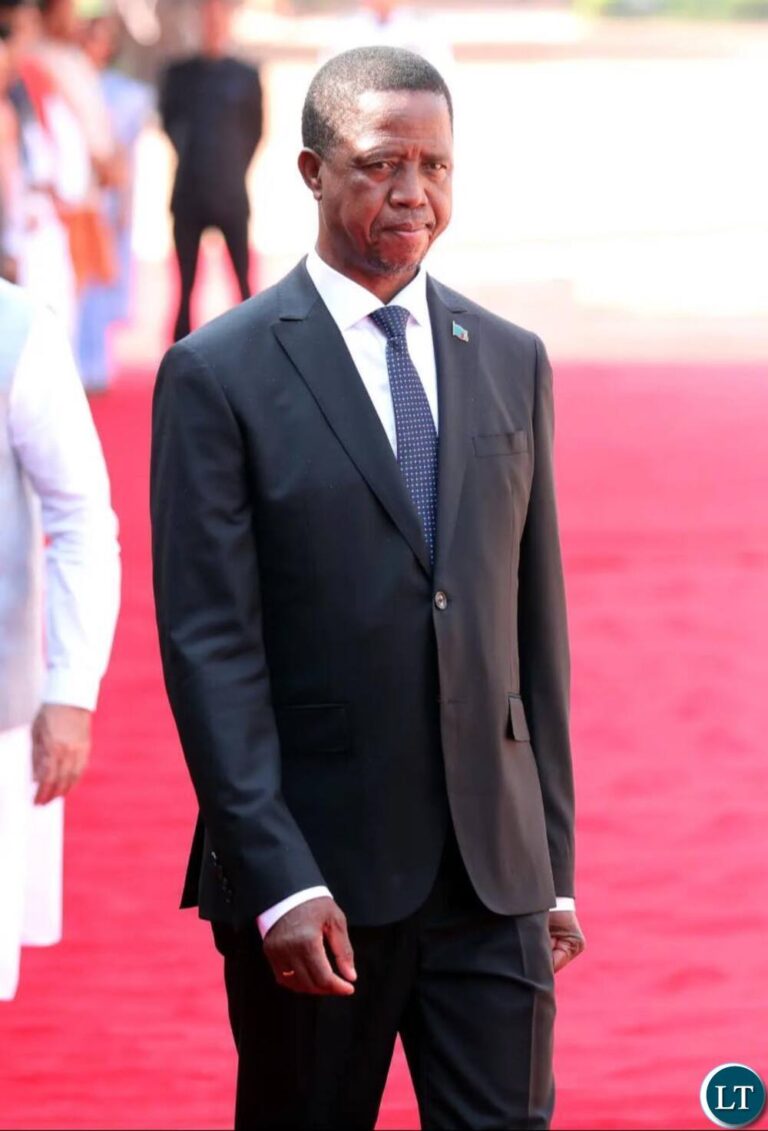
Former president Edgar Lungu has remained unburied eight months after his death, with legal proceedings in South Africa continuing to delay a decision on his final resting place.

Today marks 245 days since Lungu died at a clinic in South Africa on June 5 last year. His remains are still being kept at a funeral home as his family and the Zambian government continue to contest the burial arrangements in court.

The situation is considered unusual compared to other African leaders, who are typically buried within weeks despite disputes or logistical challenges. In Zambia, first president Kenneth Kaunda was buried about three weeks after his death in June 2021 following a court challenge by a family member over the burial site. Similarly, Zimbabwe’s former president Robert Mugabe was buried 22 days after his death in September 2019 despite disagreements between his family and government.

In Lungu’s case, the dispute centres on whether he should be buried in Zambia with a state funeral or privately in South Africa. The matter is currently before the South African Supreme Court of Appeal, which granted the former first family leave to appeal a Pretoria High Court decision that allowed the Zambian government to repatriate the body.

The legal dispute began after the Lungu family reversed plans to return the remains to Zambia on June 17 last year. The family later announced plans to conduct a private burial in South Africa on June 25, 2025, but the Zambian Attorney General, Mulilo Kabesha, obtained a court order blocking the burial, arguing that Lungu should receive a state funeral in Zambia.

The Pretoria High Court subsequently halted the burial and later ruled on August 8, 2025 that the remains be handed over to the Zambian government for repatriation and a state funeral. The Lungu family challenged the decision through several legal avenues, including an unsuccessful direct appeal to the Constitutional Court.

After the Pretoria High Court dismissed an application for leave to appeal in September 2025, the family applied to the Supreme Court of Appeal in Bloemfontein, which granted leave to appeal in December 2025.

According to Attorney General Kabesha, the family has until February 11, 2026 to file their submissions to the Supreme Court of Appeal in accordance with the court’s directives. The final decision on the burial arrangements will depend on the outcome of the ongoing legal proceedings.

Ministry warns public over AI scam impersonating Finance Minister

0

The Ministry of Finance and National Planning has warned members of the public about a fraudulent online money-making scheme that uses artificial intelligence to impersonate Finance Minister Situmbeko Musokotwane.

In a statement issued in Lusaka, the Ministry said unknown individuals are circulating an online advertisement linked to entities operating under the names LightGameKg and CapitalInsight.Ink.

The scam reportedly involves an AI-generated video falsely portraying Dr Musokotwane as endorsing illegal investment products.

The Ministry described the content as false, misleading and deliberately deceptive, adding that the Minister does not support or associate himself with fast-money schemes of any kind.

It further stated that the unauthorised use of the Minister’s image and identity constitutes a cybercrime.

The Zambia Police Service and the Zambia Information and Communications Technology Authority have been notified and are investigating the matter with the aim of bringing those responsible to justice.

The public has been strongly advised not to engage with or share the content, as doing so could lead to financial loss and possible legal consequences.

The warning was contained in an official statement issued by the Ministry of Finance and National Planning.

Citizens First was not formed to escort PF back to power, Kalaba says

By Brian Matambo | February 5, 2026

Harry Kalaba has accused the Patriotic Front of undermining opposition unity through what he described as an insistence on dominance rather than partnership, during remarks aired on Emmanuel Mwamba Verified.

Speaking as president of Citizens First, Kalaba rejected assertions that his party resists opposition cooperation. He said Citizens First has pursued engagement with multiple opposition actors and that he personally held discussions aimed at identifying shared ground for collaboration. According to Kalaba, those efforts encountered repeated expectations from PF that any alliance must be anchored by its leadership.

Kalaba said the expectations included PF providing the presidential candidate, exercising control over the alliance secretariat, and setting the terms of cooperation. He said such arrangements reduced other parties to supporting roles and framed alliances as vehicles for restoring PF to prominence rather than partnerships among equals. Kalaba stated that Citizens First was not established to serve as an escort for another political organisation.

He linked this approach to the collapse of earlier opposition formations, citing the United Kwacha Alliance as an example. Kalaba said that alliance faltered after actors associated with the former ruling party sought to impose leadership structures and operational terms. He said unity required shared values, ideological alignment, and arrangements that strengthened all participating parties.

Kalaba’s remarks were delivered against the backdrop of recent by-elections that have shaped opposition calculations. In the Chawama parliamentary by-election and the Kasama mayoral contest, Citizens First placed third. The Patriotic Front did not field candidates directly in either race. Instead, PF worked with the Forum for Democracy and Development under the Tonse Alliance.

In Chawama, the FDD candidate won the parliamentary seat. In Kasama, the FDD candidate finished second in the mayoral race. In both contests, FDD candidates outperformed Citizens First. The results were recorded in races where PF publicly supported allied candidates rather than contesting in its own name.

The outcomes have been cited by PF supporters as evidence of the party’s continued organisational reach and voter mobilisation capacity. Party structures and loyalty networks appeared to consolidate support behind allied candidates, even in the absence of a PF-branded candidate on the ballot. The results added weight to PF’s position in discussions over opposition coordination.

Citizens First has pointed to its growth since formation, citing expanded national visibility and increased participation across constituencies. The party has maintained that its organisational development remains ongoing and that electoral performance should be assessed within that context. Kalaba said Citizens First’s approach to unity prioritised equitable participation and durable cooperation.

The differing positions reflect contrasting views within the opposition on how coalitions should be structured. One view places emphasis on parity among partners and collective leadership. Another view prioritises demonstrated electoral reach and mobilisation capacity as the basis for leadership within alliances. The positions have informed negotiations and public exchanges among opposition leaders.

Kalaba’s statements reiterated Citizens First’s stance that alliances should not weaken newer parties through absorption or predetermined hierarchies. He said any unity arrangement must recognise the autonomy of participating parties and avoid frameworks that centralise authority in one organisation.

The recent by-elections have featured prominently in public commentary around opposition strategy. In both Chawama and Kasama, PF’s indirect participation through the Tonse Alliance influenced the distribution of votes. The contests have been referenced in ongoing discussions about alliance models, leadership selection, and campaign coordination ahead of future electoral cycles.

Opposition leaders from multiple parties have continued to engage through public platforms and private consultations. No formal agreement on a unified opposition framework has been announced following the recent contests. Discussions on cooperation, candidate selection, and alliance structures remain ongoing within the opposition landscape.

Zambia, Ghana Move Toward Visa-Free Travel to Boost Trade and Investment

4

Zambia and Ghana are set to agree on a visa waiver arrangement as the two countries intensify efforts to strengthen business, trade, and broader economic cooperation, coinciding with the State Visit of Ghanaian President John Dramani Mahama to Lusaka.

The visa-free travel agreement is expected to remove longstanding movement barriers between the two countries and serve as a practical foundation for increased commercial engagement, investment flows, and private-sector partnerships. The development comes as President Mahama arrived in Zambia yesterday, 4 February 2026, at the invitation of President Hakainde Hichilema, for a three-day State Visit focused on economic cooperation and regional integration.

Ahead of the visit, Ghana’s Foreign Minister disclosed that the visa waiver was a direct presidential directive and a central condition attached to the trip. The Minister stated that President Mahama instructed officials to ensure the agreement was concluded before travelling to Lusaka, stressing the importance of free movement in advancing trade, investment, and people-to-people interaction between the two countries.

According to the Minister, technical discussions initially encountered challenges linked to differences in passport classifications. Ghana operates diplomatic, service, and ordinary passports, while Zambia recognises diplomatic and ordinary passports. Zambian officials initially raised concerns over alignment, but Ghana’s delegation maintained that the matter had received clear presidential direction.

The Minister explained that negotiations continued under high-level guidance, extending late into the night on the eve of the visit. At approximately 11.30 p.m., the Zambian side sought final presidential approval, which was granted, allowing the visa waiver agreement to be finalised.

With the agreement secured, Ghana has reached its fifteenth visa waiver arrangement since President Mahama was sworn into office. The Minister described the deal as a significant step toward easing travel for business operators, officials, and citizens, while reinforcing economic cooperation between the two countries.

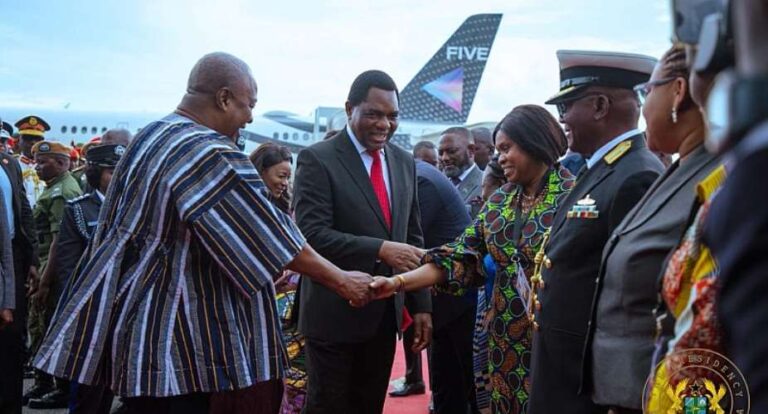
President Mahama arrived in Lusaka accompanied by his wife, Lordina Mahama, and a senior government delegation. He was received at Kenneth Kaunda International Airport by Ghana’s High Commissioner to Zambia, Madam Elizabeth Nyantakyi. He arrived aboard a special aircraft following his participation in the 2026 Global Governance Summit in Dubai.

During the visit, the two Heads of State are scheduled to hold bilateral talks at State House, where discussions are expected to provide strategic direction on priority areas of cooperation. These include agricaulture and food security, energy, mining value addition, waste management, the circular economy, commodities exchange systems, skills development, and emerging technologies such as fintech.

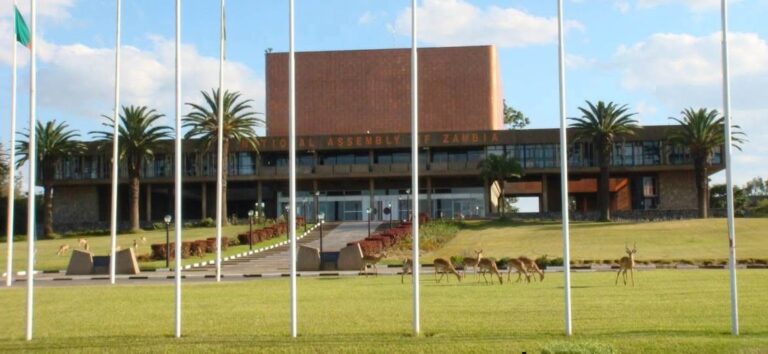
President Mahama is also expected to address Zambia’s National Assembly, providing an opportunity to engage legislators on shared democratic values and economic integration. In addition, he will attend the Zambia–Ghana Business Forum alongside President Hichilema, aimed at promoting trade and investment opportunities within the framework of the African Continental Free Trade Area.

A Ghana–Zambia Business Dialogue, co-chaired by the two Presidents, is also scheduled as part of the visit. The dialogue is intended to showcase Ghana’s digital technologies and fintech solutions to Zambian businesses and government institutions, fostering partnerships and knowledge exchange.

The visit further includes a wreath-laying ceremony at Embassy Park in honour of Zambia’s fallen heroes and an engagement with the Ghanaian community in Lusaka. President Mahama is expected to depart Zambia immediately after completing his official programme.

Zambian authorities have described the visit as a reciprocal engagement following President Hichilema’s State Visit to Ghana in July 2023 and a continuation of outcomes from the Zambia–Ghana Joint Permanent Commission held in Lusaka in October 2025.

Mweetwa says UPND will employ campaign tactics ahead of August elections

2
Chief Government Spokesperson Cornelius Mweetwa has said the United Party for National Development (UPND) will employ what he termed “mingalato” (tactics) before and during the August 13 general election.

Speaking during the first 2026 media engagement, Mr Mweetwa said opposition parties should expect intensified political strategies as the country approaches the polls. He added that the tactics being referred to have nothing to do with election rigging.

“Mingalato will always be there and as we draw closer to the election month, I will start disclosing what I mean bit by bit,” he said.

Mr Mweetwa said he could not immediately disclose details of the strategies, stating that doing so could expose them to political opponents. He added that the tactics are already in use and beginning to produce results.

Meanwhile, Mr Mweetwa urged members of the media to avoid giving coverage to politicians whose actions may threaten national peace. He encouraged the media to promote unity by prioritising constructive discourse and avoiding the amplification of messages promoting hatred or tribalism.

He also appealed to political commentators to avoid tribal remarks in their analysis of the recently held Kasama mayoral by-election, which was won by the UPND, and instead use political developments as an opportunity to promote national unity.

Newly-elected kasama mayor sworn-in

0

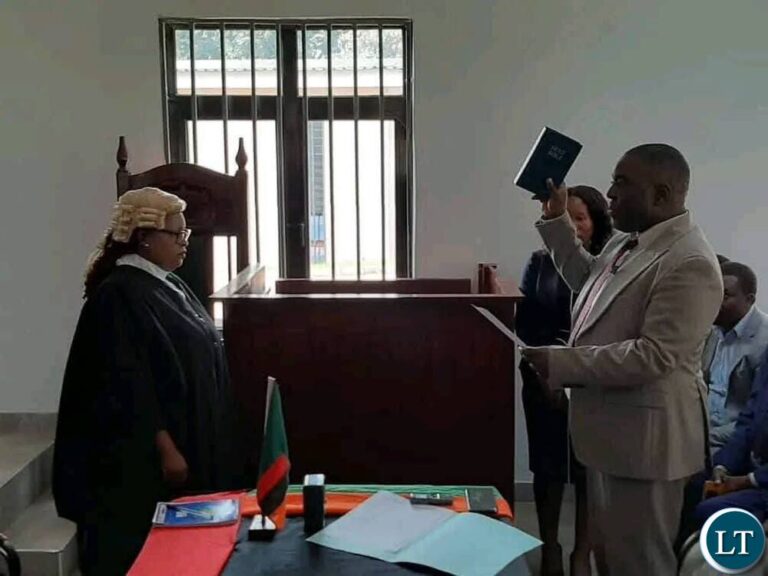
Newly elected Kasama Mayor, Bywell Simposya, has been sworn into Office .

And speaking shortly after taking the oath of office Mr Simposya pledged to make garbage collection and sanitation his immediate priority as he begins his tenure.

He said his first task would be to strengthen collaboration with council staff in order to address longstanding challenges at the local authority.

He noted that residents of Kasama had raised concerns over poor waste management, which had left parts of the town littered and exposed to health risks.

“We cannot have a community where flies are all over the town, putting the lives of people at risk. We want to deal with garbage first, and trust us, we are going to move in quickly,” Mr Simposya said.

The mayor emphasised that restoring efficiency in council operations would be critical in ensuring quality service delivery.

He added that once the issue of garbage was tackled, other development priorities for Kasama would follow.

And Northern Province Permanent Secretary Bernard Mpundu, who witnessed the event, urged the newly sworn-in Kasama Mayor to provide inclusive leadership and drive the developmental agenda of government in the district.

Mr, Mpundu emphasised that the mayor was not a partisan figure but a leader for all citizens of Kasama, and was expected to discharge duties in line with the broader goals of government.

He said the provincial administration will work closely with the local authority to spearhead development initiatives in the district.

“We expect the new mayor to continue on the developmental agenda of the local authority, to provide leadership to all staff, and to give direction on how we shall achieve what the government of the day has set for itself,” Mr Mpundu said.

He added that all public workers were striving to implement the president’s agenda, and the mayor expected to align with the principle of one government policy.

Mr Mpundu further invited the mayor to approach the provincial administration whenever gaps arised, assuring him of full support in delivering services to the people of Kasama.

Meanwhile, Kasama Principal Resident Magistrate Benita Nkonde urged newly sworn-in Kasama Mayor to serve the people of Kasama in accordance with the law.

Speaking during the swearing-in ceremony at Kasama Magistrates Court, Ms Nkonde reminded the mayor that the oath of office has given him authority to discharge the functions of his office.

She has, however, cautioned that such authority must be exercised within the framework of the law and council regulations.

“Now that you have been sworn in, Sir, you are vested with authority to discharge the functions of your office. You need to do so in accordance with the law, any other relevant legislation, and by following the regulations of Kasama,” Magistrate Nkonde said.

She emphasised that adherence to legal and regulatory provisions was essential for effective governance and for addressing the challenges that the district is facing.

Ms, Nkonde further expressed optimism that the judiciary and the council would work hand in hand to ensure that service delivery meets the expectations of residents.

“We are looking forward to working with you in addressing the challenges facing Kasama,” she added.

Mr Simposya was elected Mayor of Kasama in a by-election held last week that was necessitated by the death of former Mayor Theresa Kolala on December 5, 2025.

Parliament urges effective implementation of new safety Law

0

The Parliamentary Committee on National Economy, Trade and Labour Matters has emphasised the need for effective implementation of the Occupational Health and Safety Act Number 16 of 2025 which has been enacted into law for the benefit of Zambians.

Speaking when the Committee paid a courtesy call on North-Western Province Permanent Secretary Colonel Grandson Katambi (Rtd) in Solwezi today Committee Chairperson Sibeso Sefulo said the Committee was in the province to engage stakeholders and raise awareness on the Bill and ensure its effective implementation.

Ms Sefulo who is also Mwandi Constituency Member of Parliament said engagements with key stakeholders such as the Occupational Health and Safety Institute will also enable the Committee to identify gaps in existing legislation early and enhance effective implementation.

Meanwhile, North-Western Province Permanent Secretary Colonel Grandson Katambi (Rtd) said Government is happy with the operationalisation of the Occupational Health and Safety Institute in the province.

Colonel Katambi (Rtd) noted that the province was a mining region and therefore required such services to be readily accessible.

He added that the operationalisation of the Institute had significantly reduced logistical costs that stakeholders previously incurred when traveling to the Copperbelt Province to access similar services.

Meanwhile, the Permanent Secretary called on the Committee to consider conducting an independent, comprehensive assessment to determine the exact quantity and types of minerals currently being extracted by mining companies in the province.

And Committee Member Wesley Kolala said there is need to ensure that Bills enacted into law such as the Local Content Bill are proactively and strictly implemented for the benefit of Zambians

Kabwe court rejects bid to withdraw defilement case

1

The Kabwe Magistrates’ Court has refused to withdraw a defilement case involving a 39-year-old traditional healer from Makululu Compound in Kabwe District of Central Province.

 The accused, Clinton Kaswende, is charged with one count of defilement of an imbecile, contrary to Section 139 of the Penal Code, Chapter 87 of the Laws of Zambia, as read together with Act No. 15 of 2005.Kaswende is alleged to have had carnal knowledge of a person with a mental disability and has since appeared before the Kabwe Magistrates’ Court in connection with the matter.

Particulars of the offence are that, Kaswende on the 11th day of December 2025 in Kabwe District had unlawful canal knowledge of an imbecile when he knew that she was an imbecile.

And when the matter came up before Resident Magistrate Liswaniso Wamundila for the commencement of trial, the sister of the victim who reported the case on her behalf asked the court to withdraw the matter.

She told the court that she had reported Kaswende to police to safeguard his life from mob justice on the material day.

“Your honor, I only reported him to the police for the fear of him being beaten by the mob who gathered at my place when I accused him of the act.” She explained to the court.

Magistrate Wamundila warned the witness that cases of defilement were not supposed to be resolved outside the court.

” This is a serious offence which is not supposed to be dealt outside the court room, it is the case of the people of Zambia versus the accused person, you would have considered that possibility before reporting the mater,” ruled the magistrate.

Magistrate Wamundila questioned the witness why she reported Kaswende to the police if he never committed the offence in the first place.

The court has since instructed the witness to appear in court with the victim in the next court session for the case to proceed with the trial without further delay.

The witness informed the court that she had challenges to transport the victim to court as she had no means of transporting her by private transport, stating that it was difficult to use a public transport because the victim was not willing to do so owing to her state of mind.

Magistrate Wamundila directed the senior court clerk to look into the issue of providing transport as the state had a provision of transporting witnesses.

The court adjourned the matter to February 13, 2026 for commencement of trial as Kaswende remained  in police custody.

Zambia, U.S to strengthen health systems

0

Zambia and the United States government are expected to soon sign a Memorandum of Understanding (MoU) on health assistance, marking a significant milestone in the two countries’ long-standing partnership in the health sector.

The MoU outlines a performance-based, co-financed partnership aimed at strengthening Zambia’s health system, while supporting the country’s transition towards self-reliance by 2023.

This was contained in a statement issued to the media by the Ministry of Health Principal Public Relations Officer, Georgia Chimombo.

Ms Chimombo explained that the MoU is expected to strengthen Zambia’s capacity to detect, prevent, and respond to disease outbreaks through improved surveillance systems, the training of over 100 field epidemiologists, and strengthened rapid response mechanisms.

She added that the partnership will sustain and expand access to essential health services, including HIV, Tuberculosis, Malaria, and Maternal and Child Health services.

“Under the proposed agreement, it will also enhance disease surveillance, laboratory capacity, and health data systems, while progressively transitioning key health system functions, such as supply chains, health workforce management, and digital systems, to full GRZ ownership by 2030,” she said.

Ms Chimombo added that the MoU prioritises a secure, efficient, and transparent supply chain for medicines and medical supplies, leveraging national systems such as the Zambia Medicines and Medical Supplies Agency (ZAMMSA).

She said the investments will support procurement, storage, distribution, and tracking of essential health commodities nationwide.

Ms Chimobmo noted that once signed, implementation will be overseen by a Joint Health Cooperation Steering Committee.

“Co-investment will be linked to performance, with Zambia’s annual health expenditure projected to increase from approximately US$628 Million in 2026 to over US$1 Billion by 2030.

“This approach is designed to ensure continuity of services as external support gradually declines,” she added.

Ms Chimombo also indicated that the proposed MoU reflects a shared commitment by the Governments of Zambia and the United States to build a resilient, sustainable, and nationally led health system, one that continues to deliver quality health services for all Zambians beyond external assistance.

Cabinet advances key reforms for national development

0

Government has approved several policy and legislative matters aimed at facilitating continued development of the country.

Minister of Information and Media, Cornelius Mweetwa, says the deliberations were sanctioned when President Hakainde Hichilema called for the First Cabinet Meeting in the year, 2026, on Monday, February 2nd, held at State House.

Mr Mweetwa, who is also Chief Government Spokesperson and Choma Central Law Maker, announced this during the Media engagement in Lusaka today.

He mentioned sectors such as the road subdivision, the establishment of the Brand Zambia Initiative Project, to create a cohesive and cross-sectoral framework that enhances global competitiveness.

Mr Mweetwa also mentioned   the Disaster Management Amendment Bill of 2026, the Water Supply and Sanitation Services Bill, of 2026, the Introduction of a Permit System on Sulphuric Acid and the Toll Plaza Regulations of 2026.

Others were the Water Supply and Sanitation Services Bill, of 2026, African Charter on Democracy, Elections and Governance and Zambia’s 8th Periodic Report on the implementation of the African Charter on Human and Peoples Rights, among others.

Plans to increase Chishimba hydro expansion progressing well

2

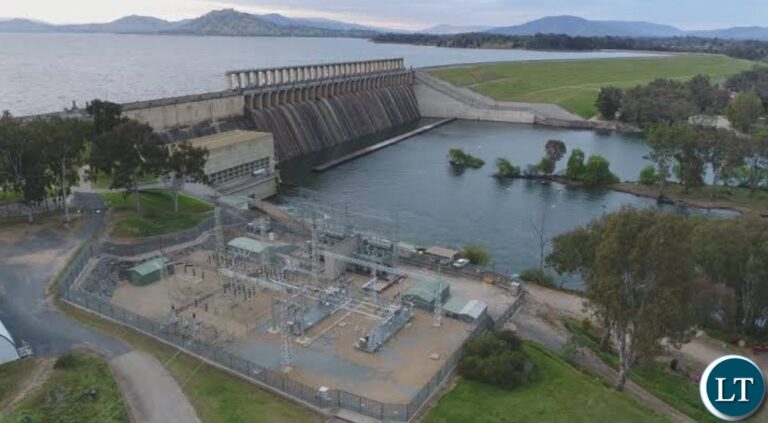
Plans to increase the power generation capacity at Chishimba Hydro Power Station in Kasama district in Northern Province have progressed.

The project, which will be undertaken by the Zambia Electricity Supply Corporation (ZESCO), will see the upgrade of the Hydro Power Station from the current 1.8 megawatts to 15 megawatts.

ZESCO Northern Region Engineer Wesley Simwaanza has disclosed that the financing of the expansion project has been finalised with tenders for the expansion project floated and closed on January 30, 2026.

 Mr Simwaanza disclosed the development during a Presidential Delivery Unit (PDU) meeting in Kasama.

He has explained that the submitted bids will undergo an evaluation, after which the best bidder will be awarded the contract.

“So understanding the procurement process, it means that there will be the evaluation of the submitted bids, after which the best bidder will be awarded the contract, so from every indication that has been given a time frame of six weeks, we should be able to be talking about the contract being awarded the contractor,” Mr Simwaanza explained.

The expansion of the power generation at Chishimba Hydro Power Station in Kasama District will help boost electricity generation capacity in the region.

The project will be funded by Germany’s KFW Bank at a cost of 40 million United States dollars and will be expanded from the current 1.8 megawatts to 15 megawatts.

Early eye cancer detection key in preventing childhood blindness

1

An eye health specialist at Solwezi General Hospital has warned that delayed detection of eye cancer can result in permanent blindness especially among children under the age of five.

Speaking in an interview Ophthalmologist Bridget Ngandwe said early diagnosis of cancer cells in the eyes and surrounding tissues was critical in saving both vision and lives.

Dr Ngandwe explained that eye cancers do not only affect adults but were also common among young children, particularly those below five years of age.

“Mothers must pay close attention to their children from birth.Any unusual change in the eyes such as a white spot, swelling,redness or poor vision should be reported to the hospital immediately for proper diagnosis and treatment,” she said.

She further urged the general public to make eye examinations part of their routine health check-ups noting that the eyes were vital organs that play a central role in daily life and overall wellbeing

Dr Ngandwe revealed that several types of cancers affect the eyes and surrounding tissues including cancers of the retina, eyelids, and optic nerves, adding that most of these can be treated successfully if detected early.

She commended government efforts to strengthen eye health services, stating that strategies have been put in place to achieve universal eye health coverage, especially in rural and underserved communities

She added that the eye health sector has also received tremendous support from cooperating partners among them Orbis International – Zambia who has procured ophthalmic equipment, training of eye health personnel and procurement of drugs and consumables.

Dr Ngandwe has appealed to the public to seek medical attention promptly and avoid self-medication or traditional remedies when eye problems are noticed.

Chitambo council allocates K4.9m towards skills bursaries

The Chitambo Town Council has allocated K4.9 million to support 323 youths to undergo skills development under the bursary component in the 2026 Constituency Development Funds (CDF) allocation.

Chitambo Town Council Assistant Public Relations Officer, Rodrick Nyirenda, confirmed that the youths will be sponsored to undergo skills training in various trade schools across the country.

“The programme will see a total of K4, 961, 615 disbursed to selected youths, enabling them to undergo training in various trades and acquire valuable skills,” he said.

The media reports that Mr Nyirenda expressed hope that the training will have a lasting impact on the beneficiaries, their families, the district and the country at large.

Meanwhile, one of the beneficiaries, Mary Muluta, commended the government for supporting her and other beneficiaries.

Ms Muluta explained that her parents do not have a sustainable source of income and were unable to meet her education costs.

She revealed that she will now pursue training in fashion designing and tailoring at the Kabwe Institute of Technology, hoping to acquire a skill that will enable her to start her own business and support her family.

Ms Muluta has encouraged other youths in Chitambo to apply for the CDF bursary scheme so they can also benefit.

Kapwepwe Confirms She Has Been Approached for Running Mate Slot

Kapwepwe Confirms She Has Been Approached for Running Mate Slot

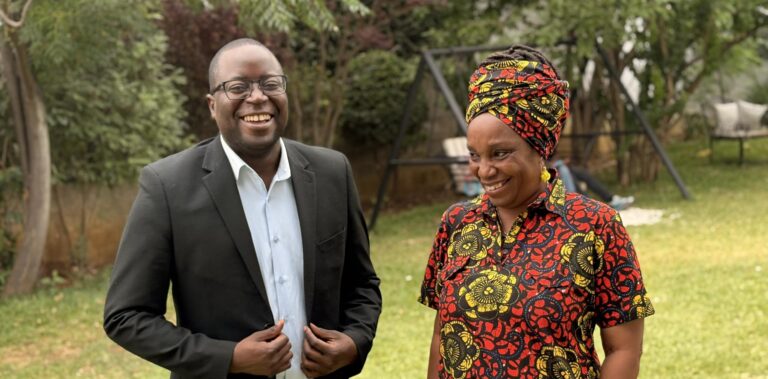
Late former vice-president Simon Mwansa Kapwepwe’s daughter, Mulenga Kapwepwe, has disclosed that she has received several offers to be considered as a running mate ahead of the 2026 general elections. She says the approaches have come from different political directions, although she has not committed herself to any arrangement.

Speaking in an interview, Kapwepwe confirmed that discussions around her possible role as a running mate had taken place but said the position could not be assumed or imposed. She stated that such a role must be offered formally and considered carefully, taking into account broader political circumstances.

Kapwepwe explained that while she was grateful for the interest being shown, she remained cautious about making any commitments. She said the position of running mate carried significant responsibility and could not be taken lightly or treated as symbolic.

Asked whether she would accept the position if formally offered, Kapwepwe said she could not give a definitive answer at this stage. She stated that such a decision would depend on the context, the vision of those making the offer, and whether the role aligned with her principles and understanding of leadership.

Kapwepwe emphasised that leadership should be anchored in competence and purpose rather than personal ambition. She said the focus should always be on what best serves the country and strengthens governance structures, rather than individual political advancement.

She also reflected on the legacy of her late father, former vice-president Simon Mwansa Kapwepwe, noting that leadership required depth, clarity of thought, and a commitment to national unity. Kapwepwe said the values she had inherited from her upbringing shaped how she viewed political engagement and responsibility.

Kapwepwe stated that leadership must be driven by substance and the ability to address real challenges facing the country. She said a running mate should bring balance, capacity, and strategic thinking to a presidential ticket, rather than being selected for convenience.

On speculation surrounding her political future, Kapwepwe said she preferred to engage in meaningful dialogue rather than public conjecture. She said decisions of such magnitude required careful consideration and should not be rushed in response to external pressure.

She further stated that women had an important role to play in national leadership and governance, adding that representation should be matched with competence and credibility. Kapwepwe said leadership positions should empower individuals to contribute effectively to policy and national development.

Kapwepwe indicated that while politics often generated speculation, she remained focused on engaging with issues that affected ordinary citizens. She said her interest lay in contributing to national discourse in a way that upheld integrity and responsibility.

The disclosure comes amid heightened political activity as parties and alliances begin positioning themselves ahead of the 2026 general elections. Discussions around presidential tickets and potential running mates are expected to intensify as the electoral calendar progresses.

Kapwepwe said she would continue to listen, reflect, and engage constructively, but stressed that any decision regarding a running mate role would only be made after careful evaluation of the broader national interest.