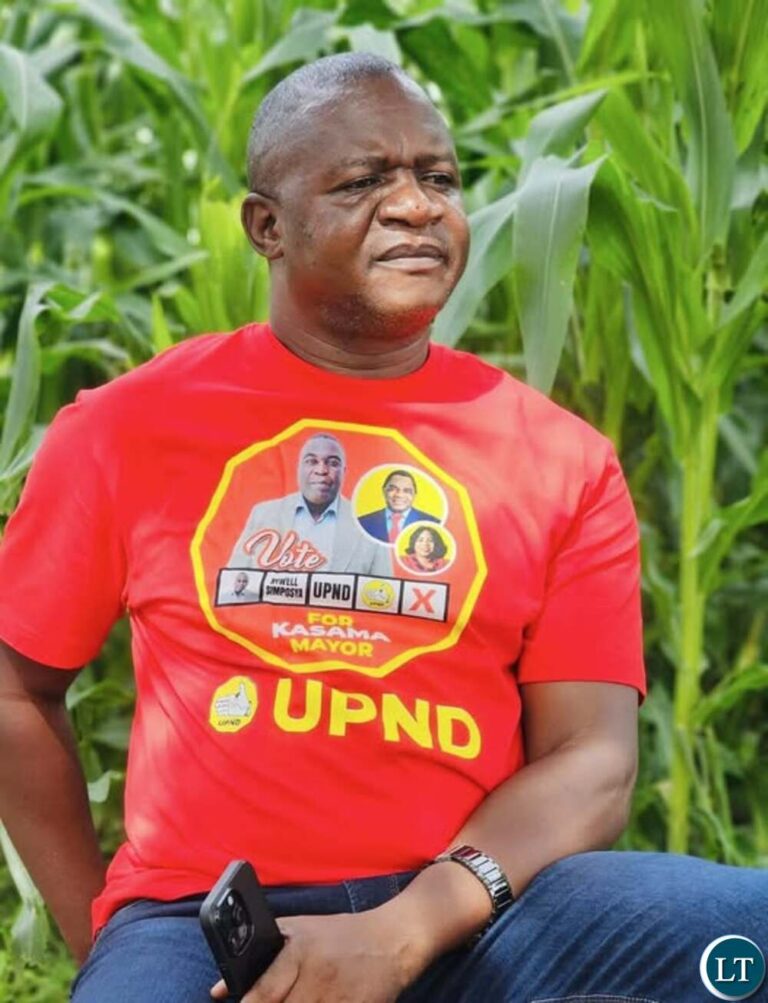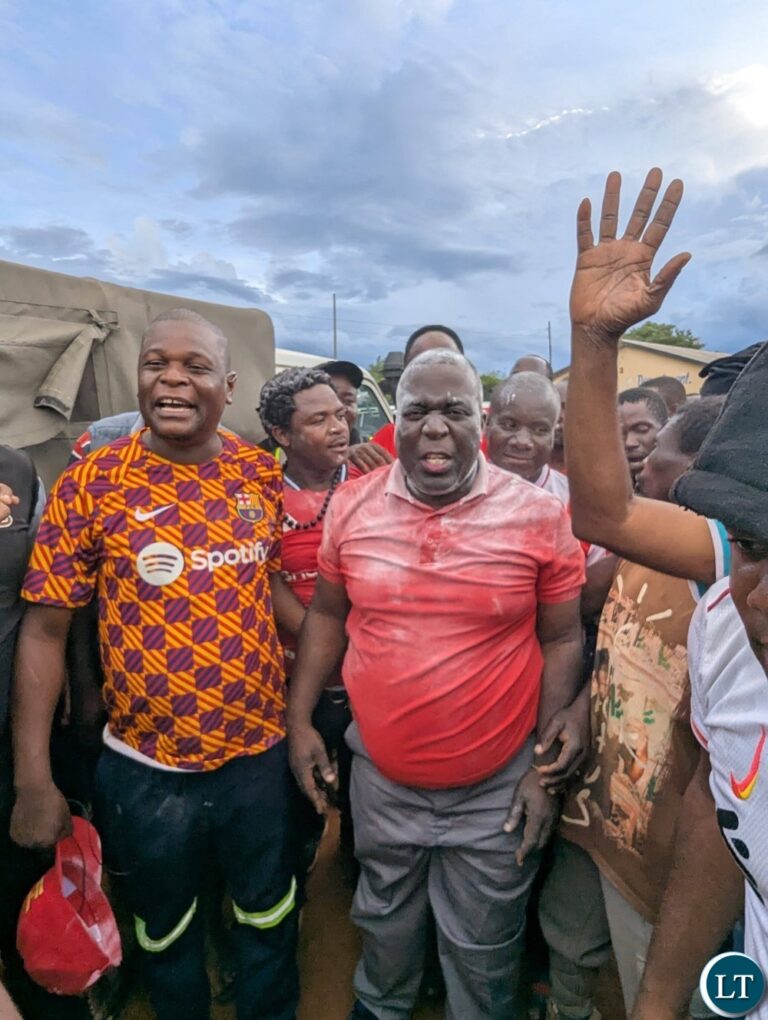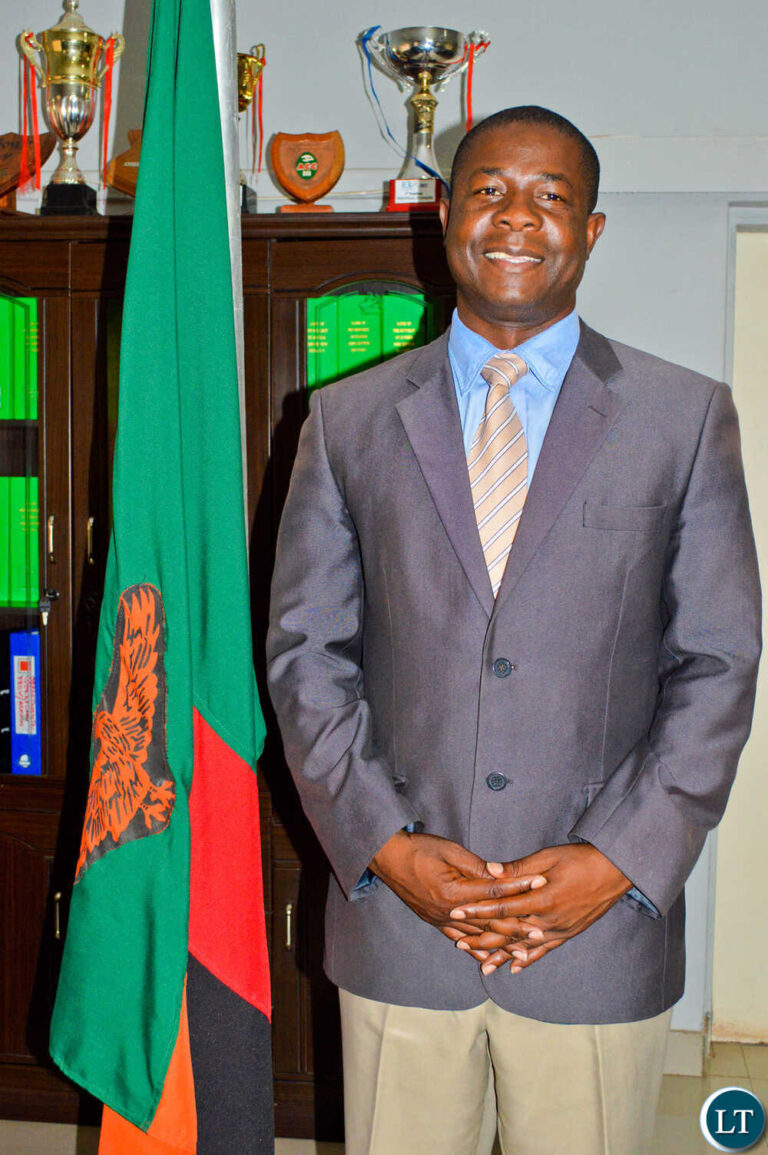
Several opposition Members of Parliament, including senior figures Sunday Chanda and Mungandu, have openly indicated their intention to seek adoption on the United Party for National Development ticket ahead of the 2026 general elections, reflecting growing political realignments within Zambia’s opposition ranks.
Sunday Chanda, who has been serving as a leading opposition figure in Parliament, confirmed that he was exploring the possibility of standing on the UPND ticket, citing internal challenges within the opposition and the need for political clarity as the country moves closer to the polls. Mungandu, another senior opposition MP, has similarly acknowledged interest in the ruling party’s platform, stating that the prevailing political environment has compelled lawmakers to reassess their positions.
The expressions of interest come at a time when opposition parties are experiencing sustained internal instability, characterised by leadership disputes, court injunctions, parallel structures and uncertainty over party direction. These developments have left several MPs unsure about their political futures as they prepare to seek re-election.
Chanda has argued that political survival cannot be divorced from organisational strength, noting that MPs are accountable to their constituents and must operate within platforms that allow them to deliver effectively. He said the fragmentation within opposition parties has weakened coordination and limited the ability of MPs to pursue legislative and constituency priorities.
Mungandu, speaking separately, said his interest in the UPND ticket should not be viewed as betrayal but as a strategic political decision informed by developments on the ground. He said the ruling party currently offers a more stable national structure, which is critical for electoral competitiveness.
Both lawmakers emphasised that their consideration of the UPND ticket was guided by constituency realities rather than ideological shifts. They pointed to the increasing difficulty of sustaining political operations within parties facing leadership wrangles and legal challenges.
UPND officials have not confirmed whether formal applications have been submitted by Chanda, Mungandu or other opposition MPs. However, senior party officials have previously stated that adoption processes are governed by internal rules and are subject to approval by constituency, district and provincial structures.
The ruling party has maintained that incumbency does not guarantee adoption and that aspirants, including those from opposition parties, must satisfy established criteria. These include loyalty to party principles, grassroots acceptance and compliance with constitutional requirements.
Political analysts say the interest shown by opposition MPs underscores a broader trend of political migration toward the ruling party, particularly as opposition formations struggle to project unity and organisational coherence. The Patriotic Front, the largest opposition party in Parliament, has been at the centre of these challenges, with disputes over leadership and legitimacy dominating headlines.
Beyond the PF, smaller opposition parties have also faced declining influence, limited resources and weakened grassroots networks. For sitting MPs, these challenges have raised concerns about electoral viability, prompting some to consider alternative political platforms.
The potential movement of opposition MPs to the UPND has sparked debate among political stakeholders. Supporters argue that political mobility is an inherent feature of democratic systems, while critics warn that frequent party switching risks eroding ideological consistency and voter trust.
UPND insiders say the party is bracing for heightened competition as the election period approaches, with both incumbents and newcomers vying for adoption in constituencies considered winnable. The interest from opposition MPs is expected to intensify internal contests within the ruling party rather than reduce them.
As the political landscape continues to shift, the decisions taken by figures such as Sunday Chanda and Mungandu are likely to influence broader calculations within opposition ranks. Their moves are being closely watched by both supporters and critics as indicators of the direction opposition politics may take ahead of the 2026 elections.
Whether the interest expressed by the MPs will translate into successful adoption remains uncertain. What is clear is that Zambia’s political space is entering a period of heightened manoeuvring, with party loyalties and alliances increasingly shaped by organisational strength, electoral strategy and perceptions of political stability.