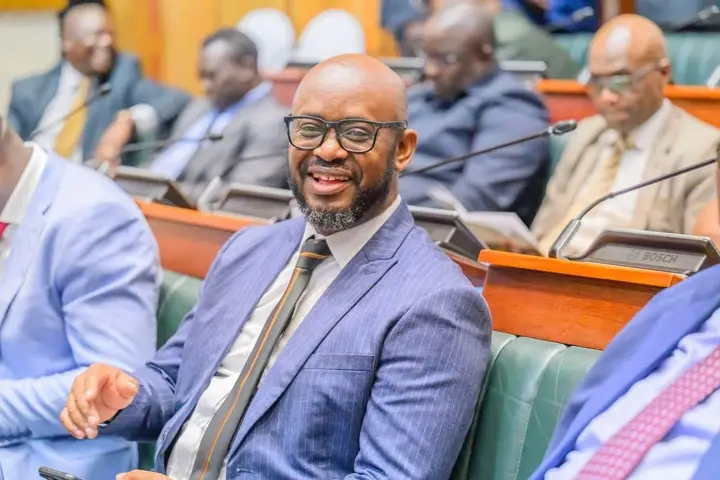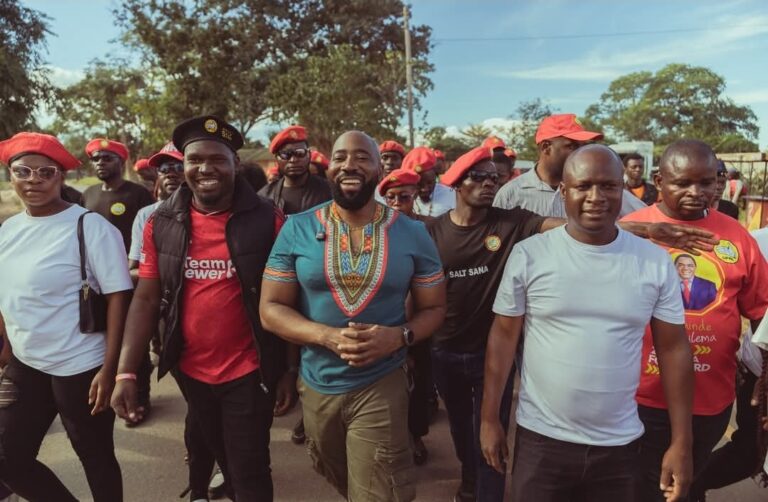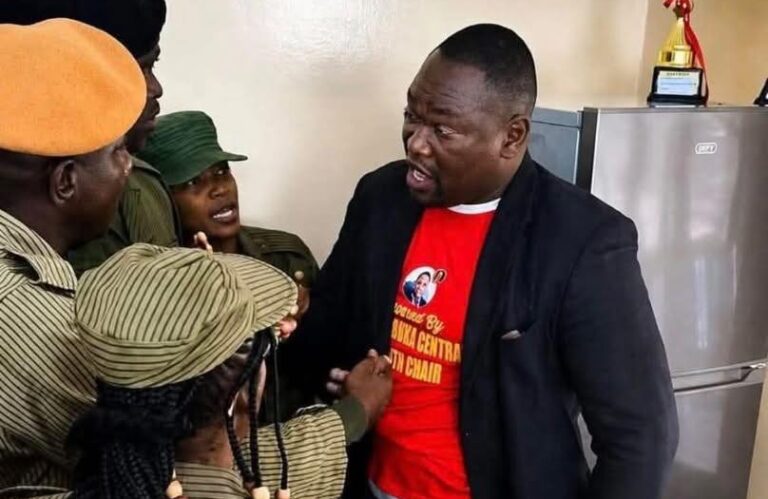
The decision to charge former minister and Mazabuka Central independent parliamentary candidate Gary Nkombo with assault has developed into one of the most closely watched legal and political disputes of Zambia’s election season. What began as a confrontation during nominations has evolved into a wider discussion about police conduct, political violence and public confidence in institutions as the country moves towards the August 13 general election.
Police insist the matter is straightforward. Southern Province Commissioner Namalongo Songe says officers acted after receiving a formal complaint from Bilden Shaloba and followed established investigative procedures before proceeding with the charge. According to police, the case should be assessed on the evidence gathered during investigations rather than through the prism of political competition or public sentiment.
Nkombo has consistently rejected that characterisation. The former Local Government and Rural Development Minister maintains that he was the victim of the violence that erupted at Mazabuka Civic Centre during nominations on May 20 and has repeatedly questioned why individuals he believes attacked him have not faced similar legal action. His position has remained unchanged since the incident first entered the national spotlight.
The confrontation occurred during one of the most sensitive stages of the electoral process as candidates filed nomination papers ahead of the general election. Images and video footage from the scene spread rapidly across social media platforms, turning what would ordinarily have remained a local political disturbance into a national story. The circulation of those images ensured that public opinion formed quickly and often before investigators had completed their work.
The matter has remained under intense scrutiny since then. Governance activist Brebner Changala has criticised the decision to prosecute Nkombo, arguing that many members of the public view the independent candidate as the person who suffered the attack. Similar concerns have been raised by opposition figures and some civil society voices who believe the handling of the matter carries implications that extend beyond the assault allegation itself.
Police have firmly defended their actions. Commissioner Songe says law enforcement agencies cannot ignore complaints simply because politicians are involved and that investigators have a duty to examine allegations brought before them regardless of the status of the individuals concerned. She maintains that decisions are guided by evidence collected during investigations and not by political affiliation, campaign considerations or public pressure.
The dispute is unfolding against the backdrop of a wider national conversation about election-related violence. Opposition parties and civic organisations have repeatedly expressed concern about intimidation, clashes and tensions surrounding the nomination process, particularly in constituencies where political competition is intense. Government officials continue to maintain that, despite isolated incidents, conditions across much of the country have remained generally peaceful.
Those competing interpretations have given the Mazabuka matter significance beyond the courtroom. For supporters of Nkombo, the case has become a test of whether all political actors receive equal treatment under the law. For police, it represents an opportunity to demonstrate impartiality and independence during a highly charged election period in which every decision is likely to attract political interpretation.
A criminal charge does not amount to a conviction, and the courts will ultimately determine what transpired during the confrontation and whether criminal responsibility exists. What is already clear, however, is that the case has become part of a larger national discussion about institutional credibility, political competition and public trust during election campaigns.
For now, police maintain they acted within the law. Nkombo maintains that he defended himself and was the victim of the confrontation. The courts will determine which account prevails.
Editor’s Note: “The closer an election draws, the greater the public scrutiny placed on institutions handling politically sensitive cases. Confidence in the process often becomes as important as the outcome itself.”