The Department of Fisheries and Livestock in Mpulungu District of Northern Province has arrested nine people in connection with trading and transportation of fish during the ongoing Lake Tanganyika annual fishing ban.
Mpulungu District Director Fisheries Livestock and Veterinary Services, Mpundu Ng’andwe, has revealed that the nine were arrested on May 27, 2026 after a joint operation by the Department of Fisheries, Zambia Police, and the Department of National Parks and Wildlife in Mpulungu.
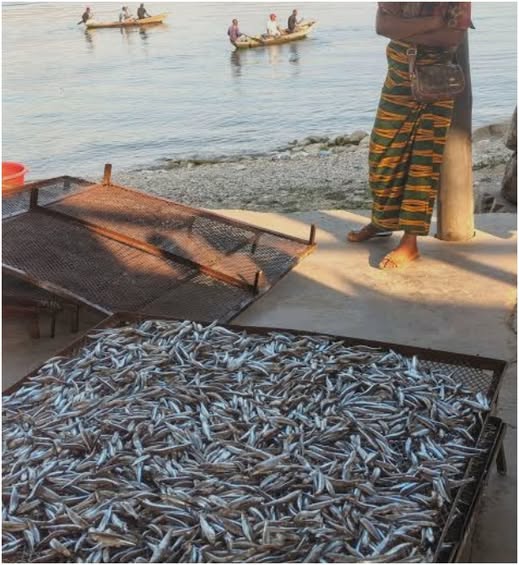
Mpulungu today, Mr Ng’andwe disclosed that the suspects include seven females who were apprehended while trying to sale assorted dry fish including Kapenta, and two male suspects who were apprehended while trying to transport dry fish using motorbikes to unknown destinations.
He revealed that 75 kilograms of assorted dry fish and two motorbikes were seized in the process, adding that the suspects are detained at Mpulungu Police Station awaiting trial.
“The Department of Fisheries would wish to inform the general public that the 2026 annual fishing ban on Lake Tanganyika started on May 15, and will end on August 15, 2026, and that during the period the public is cautioned against engaging in any type of fishing activities,” he explained.
Mr Ng’andwe said the department has noted with concern the unscrupulous people circulating and misleading the public on the extension of trading in fish.
He clarified that only five days were given to traders who had stocks in their cold rooms and depots and that the grace period expired on May 20, 2026.
Mr Ng’andwe stated that with the end of the grace period, anyone found engaging in illegal activities such as fish trading and fish transportation will be arrested and prosecuted according to the law.
He has since advised traders wishing to trade in fish originating from other water bodies to ensure they acquire certificates from the Department of Fisheries indicating where the fish is coming from.
Mr Ng’andwe warned that any fish from other water bodies other than Lake Tanganyika that will be found being traded in Mpulungu without a certificate of origin, will be confiscated and destroyed.
He further disclosed that the Department of Fisheries has heightened surveillance and continued with water and market patrols, as well as road checkpoints to ensure that law and order is observed during the annual fishing ban.