Friday, June 12, 2026
24.4 C
Lusaka
Home Blog Page 174

Mambwe District Launches Safe Schools Programme

0

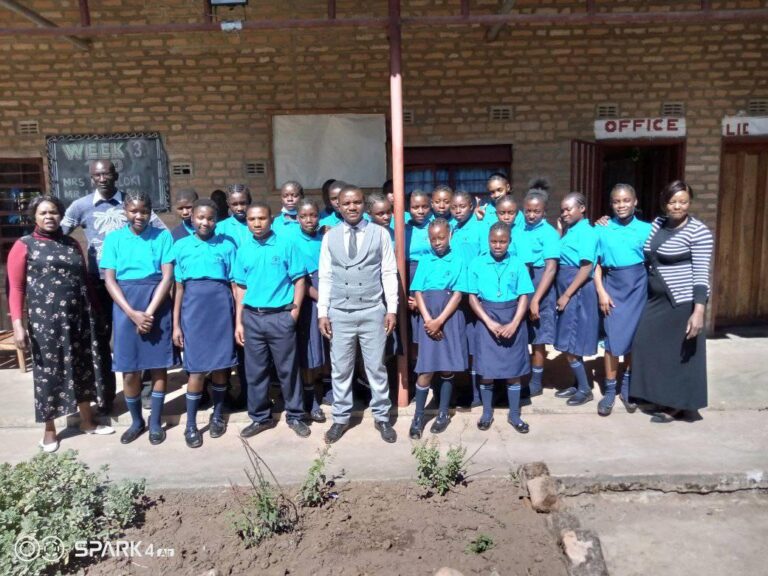
The Department of Education in Mambwe District of the Eastern Province has rolled out the Safe Schools Programme.

The Programme that is aimed at addressing vices that negatively affect learners, is being piloted at Kasamanda and Chipako Day Secondary Schools, before rolling out to all schools in the district.

Mambwe District Education Board Secretary (DEBS) Rodgers Champemba told ZANIS that the programme was   aimed at providing a conducive learning and teaching environment.

He said that the programme will also foster equal access to quality education for all.

“Some happenings that take place in schools contribute to absenteeism, teenage pregnancies and school drop-outs among pupils,” he said.

Mr Champemba said that authorities might not have total control on addressing all things that lead to vices like absenteeism, teenage pregnancies and drop-outs, however, authorities would take charge of matters they have control over.

“We have observed that some things that lead pupils to abscond from classes, dropping out of school and getting pregnant include bullying, as well as Gender Based Violence (GBV),” he said.

Mr. Champemba added that the Programme will be implemented in close consultation with key stakeholders.

IBA describes 2025 as progressive

0

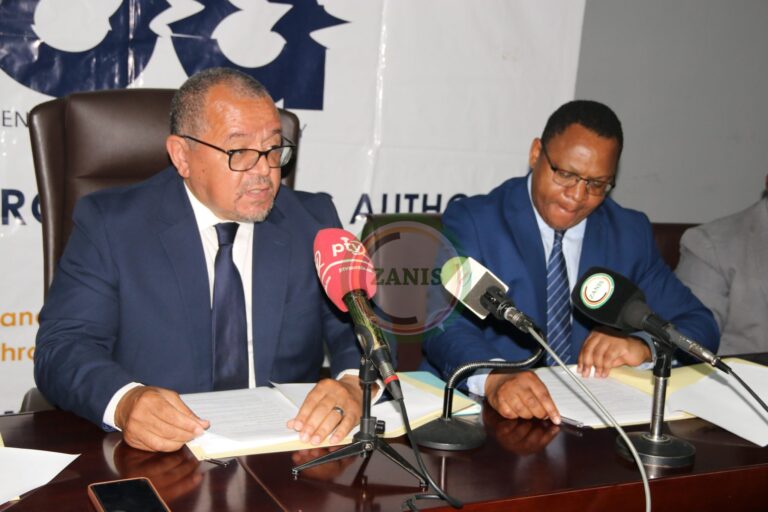
The Independent Broadcasting Authority (IBA) has described 2025 as a year of significant progress for Zambia’s broadcasting sector, following the enactment of the new IBA Act and expanded access to radio services across the country.

IBA Board Chairperson, Chikosola Chuula says the enactment of the Independent Broadcasting Authority Act No. 25 of 2025 marked a major milestone, aimed at modernising regulations, promoting innovation and attracting investment in the sector.

Speaking during the end of year press briefing in Lusaka, Mr Chuula explained that the new law will enhance transparency and efficiency, while improving the quality of broadcast content in line with Zambia’s evolving digital landscape.

He added that the IBA will now begin developing statutory instruments to operationalise the Act.

 Mr Chuula also disclosed that during 2025, the IBA issued nine new radio licences and approved nine expansion permits to extend broadcasting services to underserved rural communities.

He said the total number of licensed broadcasting stations in the country now stands at 263, comprising 202 radio stations and 61 television stations.

Mr Chuula said IBA also strengthened inspections and content monitoring, recording 14 compliance breaches involving nine stations, mainly linked to poor programme moderation, unverified information and content likely to disturb public order.

He added that seven stations were suspended for non-payment of annual operating fees, although three later complied and had their license reinstated.

Mr Chuula noted an overall improvement in compliance levels, including timely license renewals, better broadcasting infrastructure and improved adherence to content standards.

He warned broadcasters against airing misleading programmes, particularly those involving false claims by spiritual or traditional healers.

Government to Rehabilitate Chipepo Secondary School

Government is set to rehabilitate Chipepo secondary school in Gwembe District, Southern Province.

This comes after a protracted neglect by previous governments which left the school infrastructure deteriorated.

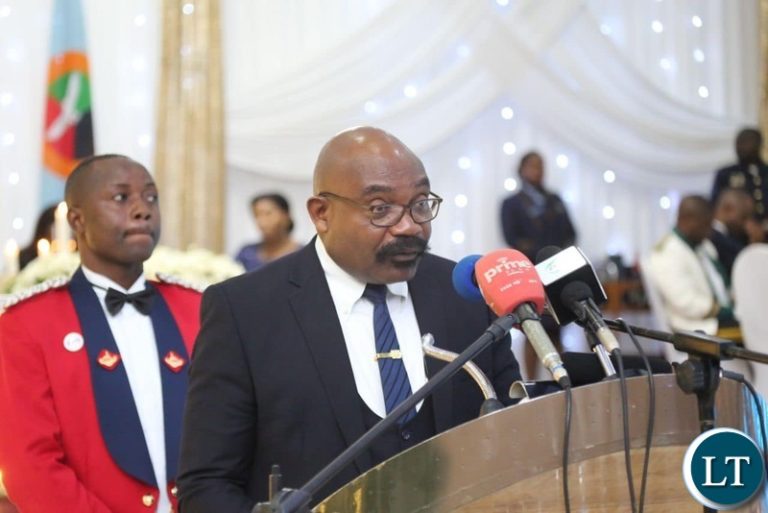
Southern Province Permanent Secretary, Namani Monze, who visited the school on a fact-finding mission, disclosed that a major facelift would soon begin at the school.

Dr. Monze in the company of Gwembe District Commissioner Killian Chikandula, Southern Provincial Education Officer Oliver Kambuli and other Government officials said the education sector reforms were bearing fruit at Chipepo Secondary School in Gwembe District.

He added that Chipepo Secondary School was one of the famous schools in the country but with time has faced some neglect which affected the pass rate.

“The vision of Government is that every child who comes into a government school must go out with a certificate, not just a certificate but a good certificate,” said Dr Monze.

He further said that as of 2021, the school had seen an increase in the enrollment of learners as well as an increase in the pass rate.

“You will be surprised that the pass rate from 2021 to now has been increasing, for example the grade 12’s in 2023, it was below 70 percent and by last year the pass rate had gone up to 85 percent,” he said.

Dr Monze said that the classroom blocks, dormitories and other facilities will be rehabilitated to provide a conducive learning environment.

“This is because of the reforms of the UPND Government through the President of the Republic of Zambia has put in, it is also a general observation countrywide that the reforms are now bearing fruits and we need to put more pressure on the peddle,” Dr Monze said.

And Gwembe District Commissioner Killian Chikandula urged learners at the school to treasure education.

Mr Chikandula added that because of the Government’s commitment to education, there had been an increase in teacher recruitment, bursaries, furniture and more.

“You know the President, Mr Hakainde Hichilema loves you, he is sending more teachers, furniture like desks being made using CDF and he is ensuring good road network,” Mr Chikandula said.

Meanwhile Southern Provincial Education Officer Oliver Kambuli said the Ministry of Education was set to send more teachers to Chipepo Secondary School in the next recruitment.

“I can assure you that more teachers will be sent here, even the next recruitment, I can assure you that we are already positioned to send some teachers,” Dr Kambuli said.

Meanwhile Chipepo Secondary School Headteacher Neva Muleya hailed the government for the education reforms.

Mr Muleya thanked government for the bursaries, the boarding grant which has made feeding at the school easier.

He also highlighted that through the Constituency Development Fund (CDF) over 600 desks have been received.

“So far we have received 331 tables and 351 Chairs, that has made sitting in classrooms comfortable, we are grateful to the government for the CDF,” Mr Muleya said.

PF Moves Against Mundubile Over Tonse Alliance Bid

9

Patriotic Front leadership has initiated disciplinary measures against Brian Mundubile following accusations that he defied party directives in relation to his involvement with the Tonse Alliance.

PF senior member and MCC Celestine Mukandila stated that Mundubile had violated party rules by pursuing political activities and leadership ambitions without following established internal procedures.

Mukandila said the party expected all members, especially senior figures, to operate within agreed structures and respect collective decision-making processes.

He explained that Mundubile’s actions had raised concerns within the PF Central Committee, which is now considering formal disciplinary steps in response to what it views as insubordination.

The controversy stems from Mundubile’s engagement in Tonse Alliance leadership processes, including his bid for a senior role within the opposition grouping. PF officials argue that such moves risk undermining the party’s strategic positioning ahead of upcoming elections.

Mukandila maintained that political organisations function effectively only when members respect internal authority, adhere to constitutional procedures, and avoid unilateral decision-making that could weaken party cohesion.

Mundubile, however, has defended his actions, insisting that his involvement in Tonse does not amount to abandoning the PF or acting against party interests.

He said his role within the alliance is aimed at strengthening opposition unity and positioning alternative political forces to challenge the ruling party.

According to Mundubile, his engagement with Tonse is consistent with broader efforts to consolidate opposition strength rather than fracture it. He argued that unity among opposition parties remains essential for mounting an effective electoral challenge.

PF leadership has countered that while cooperation among opposition parties is possible, individual members must still operate within the discipline and authority of their respective organisations.

Mukandila said party unity and structure remain critical to sustaining credibility, warning that tolerance of unilateral actions could weaken internal stability.

The dispute reflects wider tensions within Zambia’s opposition landscape, where alliances, leadership ambitions, and strategic positioning continue to shape political calculations ahead of national polls.

Political observers note that Tonse Alliance dynamics have increasingly influenced internal party politics across multiple opposition groups, raising questions about candidate selection, leadership legitimacy, and coalition power-sharing arrangements.

Mundubile’s stance has attracted mixed reactions, with some viewing his approach as a pragmatic effort to unify opposition forces, while others see it as a departure from party loyalty.

PF officials have reiterated that any disciplinary process will follow constitutional mechanisms and internal procedures, emphasising that the party remains committed to orderly governance of its structures.

The outcome of the disciplinary process could have broader implications for opposition realignments, particularly regarding how PF positions itself within or outside alliance frameworks ahead of the election period.

Army Commander Misused ‘Exterminate’ Term, Lufuma Clarifies

7

Government has moved to clarify remarks made by Zambia Army Commander Lieutenant General Geoffrey Zyeele after public concern arose over his use of the word “exterminate” in reference to illegal miners operating in Mufumbwe District.

Minister of Defence Ambrose Lufuma said the Army Commander’s comments had been misunderstood and insisted that the military’s mandate in the area was to restore order and protect licensed mining operations, not to harm civilians.

The controversy stems from a recent statement attributed to Lt. Gen. Zyeele during briefings on operations targeting illegal mining activities in the Kikonge Gold Mine area. His use of the term “exterminate” sparked alarm among civil-society groups, political figures, and sections of the public, who interpreted the language as suggesting extreme force against citizens.

Lufuma clarified that the Army was not engaged in indiscriminate action against miners but was instead enforcing the law in coordination with other security agencies.

He explained that the military had been deployed to support police and regulatory authorities in removing illegal miners from restricted mining zones, where unregulated activity has raised concerns over safety, environmental damage, and criminal networks.

According to Lufuma, the intention of the Army’s involvement is to ensure that only licensed operators conduct mining activities in designated areas, while protecting national resources and maintaining public order.

The Defence Minister stressed that Zambia remains governed by the rule of law and that security forces are expected to operate within legal and constitutional limits.

Lt. Gen. Zyeele later clarified his remarks, stating that the objective of military operations was not to physically eliminate individuals but to eradicate illegal mining activity from targeted zones.

He explained that his words had been taken out of context and reiterated that the Army’s role was to support lawful enforcement, not to inflict harm on civilians.

The Army Commander also indicated that the operation in Mufumbwe had been conducted in collaboration with multiple state agencies, including law enforcement and regulatory bodies responsible for overseeing mining activities.

Authorities maintain that illegal mining has become a growing concern in parts of North-Western Province, with reports of unsafe practices, revenue losses to the state, and increasing involvement of organised groups in illicit mineral extraction.

Government officials say security interventions are intended to curb criminal activity, protect licensed investors, and prevent environmental degradation linked to uncontrolled mining.

However, opposition political leaders and civic voices have raised concerns about the tone and messaging used by state officials, warning that inflammatory language risks heightening tensions and eroding public trust.

Some leaders have called for greater transparency regarding the scope of military operations in mining areas and have urged authorities to prioritise economic alternatives for communities dependent on artisanal mining for survival.

The matter has also reignited discussion about the broader management of Zambia’s mineral sector, particularly how government balances enforcement, livelihoods, and investor protection.

Officials insist that while illegal mining cannot be tolerated, responses must remain lawful, measured, and respectful of human rights.

Government says further communication will emphasise responsible language in public statements and reinforce clarity around the objectives of security operations.

State House warns against calls promoting illegal mining

1

STATE House has raised concern over statements by some opposition leaders that appear to promote uncontrolled mining practices, warning that such calls pose a serious threat to Zambia’s peace, stability and national security.


Chief Communication Specialist Clayson Hamasaka said leaders promoting uncontrolled mining should clearly explain to Zambians whether illegal mining serves their own interests and whether they are prepared to risk the lawlessness, violence and environmental destruction that have ravaged other countries. In a statement, Mr Hamasaka said President Hakainde Hichilema’s commitment is clear: Zambia’s natural resources must be a blessing for both the present generation and those to come, managed openly, extracted responsibly and shared fairly. He said President Hichilema has both a moral and constitutional duty to uphold law and order across the country, including within key economic sectors.


Mr Hamasaka said the ongoing clampdown on illegal mining is a decisive measure aimed at ensuring that Zambia’s mineral wealth benefits all citizens, rather than a few individuals. “This initiative also provides vital protection against negative patterns seen in other regions, where criminal syndicates seize control of mining sites, terrorise communities and create persistent instability,” he said.


He added that illegal mining is far from harmless, as it fuels organised crime, undermines national security, destroys the environment and deprives citizens of their rightful share of Zambia’s resources. Mr Hamasaka said Government recognises the important role played by artisanal and small-scale miners in the economy, stressing that the clampdown is not directed at those who wish to mine legally and responsibly. “To advance this goal, the President has authorised expert teams to study international best practices, with particular focus on how some Middle Eastern countries, such as the United Arab Emirates, have successfully managed and regulated their natural assets,” he said.


Mr Hamasaka noted that in countries where resources such as oil have been responsibly managed, nations have achieved sustainable economic growth, improved infrastructure and enhanced quality of life for their citizens. He further said Government, through the Ministry of Mines, has already begun establishing a mechanism to legalise the trade in gold and other minerals in a way that benefits both the country and its people.

Mumbi Phiri criticises Mundubile over Tonse Alliance nomination

3

Former Patriotic Front (PF) Secretary General Mumbi Phiri has criticised Mporokoso Member of Parliament Brian Mundubile over his decision to directly join the Tonse Alliance structures in his bid for the position of alliance chairperson.

Her remarks come days after Mr Mundubile formally filed his nomination papers for the Tonse Alliance chairpersonship, paying the required K50,000 nomination fee at the alliance secretariat in Lusaka.

Ms Phiri questioned Mr Mundubile’s move, saying it goes against PF procedures, which she said require the party to first elect its president internally before engaging with external alliance structures.

 Ms Phiri cited what she described as party rules, stating that the PF was expected to choose its presidential candidate first, who would then assume leadership within the Tonse Alliance.

She further said that while PF members aspiring for the presidency are allowed to engage with external structures, established procedure requires them to formally notify the PF secretariat. According to her, the secretariat is then expected to communicate with the provisional chairperson of the alliance.

Ms Phiri said Mr Mundubile did not follow this process before submitting his nomination directly to the Tonse Alliance.

Mr Mundubile is contesting the Tonse Alliance chairperson position against Christian Democratic Party (CDP) leader Dan Pule.

Illegal miner in Mufumbwe confirms existence of gun market

0

An illegal miner operating at Kinkonge Gold Mine in Mufumbwe District, North-Western Province, has confirmed the existence of makeshift markets allegedly trading in firearms, metal detectors, explosives, drugs and minerals, reportedly run by suspected foreign nationals.

Zambia Army Commander Lieutenant General Geoffrey Zyeele has previously stated that some foreigners involved in illegal gold mining activities at Kinkonge are in possession of high-calibre firearms, posing a threat to national security. The Army has since deployed troops to the area to curb the illegal activities.

In an exclusive interview, the miner, who requested anonymity for safety reasons, said there are about eight makeshift markets operating at each mining camp, all allegedly run by foreign nationals.

The miner said the foreigners control the sale of gold and supply various items to illegal miners in Mufumbwe, including metal detectors, firearms and explosives.

“These markets are controlled and run by the foreigners. They control the selling of gold and also supply metal detectors, guns and explosives. Miners also buy different types of drugs from them,” he said.

He added that the situation at the mine has become dangerous, as some miners, particularly foreigners, are armed with guns, knives and machetes.

“To be safe at the mine, a person must have a gun, knife, machete or taser because it is difficult to survive at the mine without some form of protection. People are often under the influence of drugs, and when gold is found, violence can easily occur,” the miner said.

President Hichilema stresses need to uphold peace and unity

0

President Hakainde Hichilema has reiterated his call for Zambians to uphold unity, peace and truthfulness as essential pillars for national development.

President Hichilema says it is regrettable that falsehoods have increasingly taken center stage in the country, citing among them misinformation that surrounded Bill 7, as well as other falsehoods that do not add value to the country’s growth.

speaking through the Presidential Advisor for Politics, Levy Ngoma, during a church service at Pentecostal Assemblies of God, PENIEL Church in Kasama, the President explained that contrary to what was being peddled, Bill 7 is about inclusivity, with progressive clauses designed to support women, youths, and persons with disabilities.

The Head of State further noted that challenges Members of Parliament face in serving vast rural constituencies, are real adding that the delimitation exercise arising from bill 7 will help improve representation and service delivery.

Mr Hichilema stressed that peace is cardinal for development and must be treasured at all times.

The President has also commended the peaceful atmosphere during ongoing political campaigns in Kasama, attributing it to the government’s political will to champion peace and ending violence.

“As a nation, if we want to be blessed, unity must come first. Let us live in unity and continue to pray for peace,” President Hichilema said.

He also reaffirmed that his government has upheld Zambia’s declaration as a Christian nation, and the National Day of Prayer and Fasting as a public holiday, underscoring the government’s commitment to faith and unity.

The President has since announced his support to the Pentecostal Assemblies of God, Peniel Church’s procurement of a streaming camera to enhance worship and communication.

And Pentecostal Assemblies of God, PENIEL Church Bishop, Peard Muzoka, acknowledged the President’s message, emphasising that peace is a cornerstone of national development.

Bishop Muzoka observed that the church is equally affected and deeply concerned whenever peace is disturbed in the country.

He pledged the church’s continued commitment to spearheading efforts that promote and safeguard peace.

Matambo calls for prayers for President Hichilema

0

Copperbelt Province Minister, Elisha Matambo, has urged the church to continue praying for President Hakainde Hichilema, as he continues to lead the nation.

The media reports that Mr Matambo said this during the groundbreaking and opening of doors for House of Grace Global Ministries Church in Kalulushi.

He stated that the church should also continue praying for the first lady, the cabinet and all government leaders of various portfolios regardless of their political affiliations for the nation to thrive.

Mr Matambo further commended the clergy in Kalulushi for their commitment to spreading the gospel and serving the community.

The Provincial Minister said the development is a clear demonstration of the power of faith in Christ Jesus, fulfilling that which God ordained and its impact to ministry and the people that walk through its doors.

Mr Matambo noted that the government remains cognisant of the critical role of the Christian heritage as a nation in preserving and upholding the moral fabric of the society.

“This is the reason the President upheld, and for as long as he remains President he will continue to uphold the Declaration of Zambia as a Christian Nation in unity and peace as “One Zambia, One Nation, One People,” said Mr Matambo.

He also thanked the church for the sound relationship with the government and called on the membership of the church to play their role in upholding the national values and principles as espoused in the constitution to safeguard love, peace and unity in diversity.

Mr Matambo also urged the Church to take advantage of the Constituency Development Fund which he said is for all Zambians to uplift the livelihoods of the members.

Meanwhile, House of Grace Global Ministries, Kennedy Milanzi, has urged all Zambians to love one another regardless of their political affiliations.

Prophet Milanzi noted that there is no relationship without love and that Christianity is all about love.

Three escapee suspects in Nakonde die

6

Three escapee suspects have died in Nakonde District of Muchinga Province after they were hit by stray bullets, while trying to escape from lawful custody together with other suspects at Nakonde Police Station.

The incident happened yesterday Saturday, January 24th, 2026, when 10 suspects facing various offences such as murder and other felonies escaped from lawful custody through the main grill door leading to different cells.

Muchinga Province Police Commissioner, Denis Moola, who confirmed the development in a press statement issued to the the media in Chinsali this morning, said the three deceased suspects were hit by stray bullets when warning shots were fired to stop the fugitives who were running in different directions.

Mr Moola said brief facts are that on Saturday 24th January, 2026 around 14:30hrs, Kapambwe Chongo and three other officers were on duty and whilst working during feeding time, the main grill door was opened to enable two suspects to get a pot of food which was prepared from outside the cells so that the other suspects in custody could feed.

Mr Moola alleged that as reported by Constable Chongo, two suspects were called during feeding time to collect a pot of food from the entrance and in the process other suspects came out from various cells and grabbed the officer, allowing others to escape and run into different directions.

The Provincial Police Commissioner stated that some warning shots were fired to stop the escapees from running away but they continued, and in an effort to stop them, unfortunately three of them were caught by stray bullets.

He said the three were immediately rushed to Nakonde District Hospital for treatment but later died due to injuries.

Mr Moola added that four others have been recaptured alive while three others are still at large, adding that Police has since launched a manhunt.

He has therefore appealed to community members to report any suspicious person to the police without delay as investigations on the case are in progress.

24, 540 cholera vaccines administered in Lusaka’s Chainda compound

1

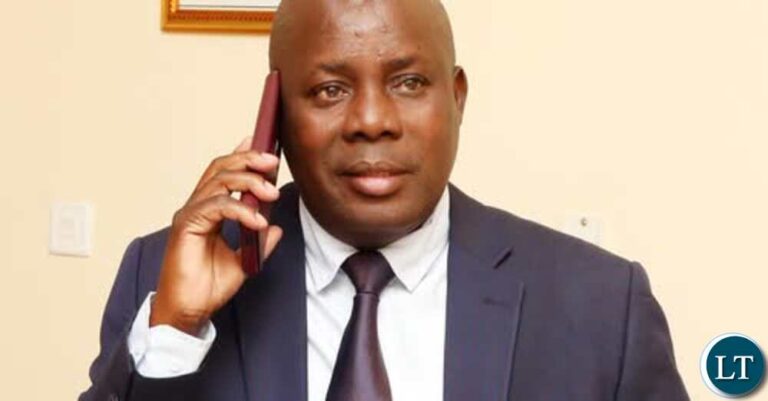
Lusaka Province Health Director, Simulyamana Choonga, says a cumulative total of 24, 540 doses of the Cholera vaccine have so far been administered in Chainda Compound since the commencement of the vaccination exercise five days ago.

Dr Choonga has explained that the Ministry of Health undertook an emergency oral cholera vaccination exercise in the area to contain further spread of the disease which saw three suspected cases admitted to Chainda Clinic that have since been discharged.

He has further assured that the cholera outbreak in Lusaka Province has since been contained as no new cases of the disease or admissions have been recorded in the last 24 hours.

Dr Choonga has attributed the development to the interventions put in place by the government, one of them being the Cholera vaccination.

Speaking in a telephone interview  in Lusaka Dr Choonga disclosed that the province recorded a total of 42 Cholera cases since November 2025, and expressed happiness that no death has been recorded.

The Provincial Health Director explained that the earlier Cholera cases were recorded in three districts that include Chilanga, Chongwe and Lusaka, with Chainda compound as a hotspot.

Dr Choonga has called on residents in the province to continue observing good hygiene practices at individual, household and community levels.

“The real  work  still remains at family level, at household level, at individual level, people ensuring that the water they are drinking is chlorinated or boiled and making sure that they are keeping the three Cs which are cleanliness, care and competence.

“So now it’s time for households and communities, particularly one in Chainda to ensure that they dispose of their garbage in designated places so that we do not have to go back to the same situation as before,” he stressed.

30 illegal Ethiopian immigrants apprehended in Nyimba District

3

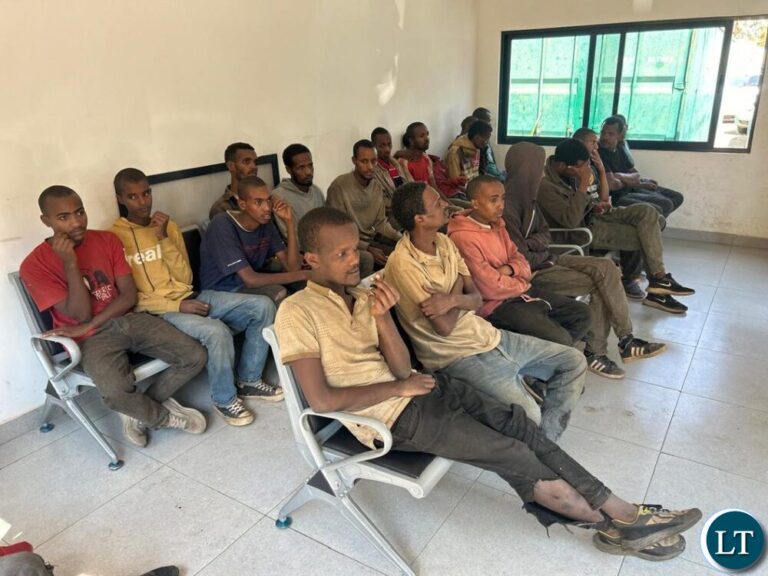
30 illegal Ethiopian immigrants were yesterday around 23:00 hours apprehended in an ambush in Nyimba District of Eastern Province for illegal entry into Zambia.

The immigrants were bundled in an Altaf Ambulance driven by a Chipata based driver, Boyd Phiri, aged 40.

Eastern Province Police Commanding Officer, Robertson Mweemba, has confirmed the development to the media, stating that the Altaf Ambulance Registration Number, BAT 3037, belongs to Altaf Private Hospital in Chipata District.

Mr Mweemba said it is believed that the driver, working together with his co-driver, Siyamukenge Chikema, 45, did pick up the Ethiopian nationals from various points.

He indicated that some of them were picked in Chanida, Katete, and others on the Mozambique Road.

Mr Mweemba further explained that as the police interviewed the Zambian drivers on the immigrants, the two disclosed that they received instructions from Kennedy Phiri of Katete District that there was a patient to be picked in Katete and needed an ambulance, but instead were given to ferry 30 Ethiopians upon arrival.

He has stated that currently the two Zambian drivers together with the 30 Ethiopians are in police custody, adding that the motor vehicle used has also been impounded.

Mr Mweemba stated that the arrest was made possible through teamwork, with Kacholola Checkpoint Security having informed Nyimba Police Station of the illegal immigrants.

Foreign Nationals Supplying Weapons to Illegal Gold Miners- Mark Simuuwe

United Party for National Development (UPND) Media Director Mark Simuuwe has warned that illegal gold mining activities in Mufumbwe District have escalated into a serious national security concern, citing the presence of armed miners and undocumented foreign nationals operating around the Kikonge mine area.

Simuuwe said intelligence and security operations in the area have revealed that some illegal miners are in possession of weapons believed to be of military origin, creating risks not only for law enforcement officers but also for local communities living near mining zones.

He explained that the deployment of the Zambia Army to Mufumbwe was based on security assessments that indicated the situation had moved beyond routine policing and required a stronger intervention.

“The reason the army was being dispatched was that the issue had become dangerous, as suspected foreign nationals were supplying illegal miners with military weapons,” Simuuwe said.

He defended the government’s decision to involve the military, arguing that the presence of armed groups in remote mining areas presents a threat to state authority, border security, and public safety.

Simuuwe also responded to criticism from opposition figures who questioned why the police were not left to handle the matter alone. Among those who raised concerns was New Heritage Party president Chishala Kateka, who suggested that law enforcement agencies should have managed the situation without military involvement.

According to Simuuwe, similar military deployments were carried out under previous administrations when illegal mining and related security threats intensified. He cited former President Edgar Lungu’s past decisions to send soldiers into mining areas when circumstances were deemed serious.

“Even former Republican President Edgar Lungu deployed soldiers when the issue was considered a serious security matter,” he said.

He described Mufumbwe as a sensitive zone due to the high number of undocumented foreign nationals reportedly involved in illegal mining operations. He added that authorities have already recovered weapons from suspects during recent security operations.

“The situation in North-Western Province, particularly Mufumbwe, is delicate because of undocumented foreigners in the area,” Simuuwe said. “Weapons have been recovered, and this confirms that the threat is real.”

He warned political leaders against turning the matter into a partisan contest, saying the priority should be safeguarding national sovereignty, community safety, and the integrity of Zambia’s mineral resources.

“This is not about politics. It is about the country’s sovereignty and the safety of citizens,” he said.

Simuuwe further argued that illegal mining is no longer only an economic issue but is increasingly linked to organised crime, cross-border networks, and security risks. He said unchecked illegal mining could destabilise communities, fuel violence, and undermine lawful mining investments.

He also stated that the government’s broader strategy is to secure strategic mineral zones, protect legitimate investors, and curb revenue losses caused by illegal extraction. In his view, illegal mining contributes to environmental damage, criminal financing, and exploitation of vulnerable workers.

As of January 25, 2026, Zambia Army operations in Mufumbwe remain ongoing, with joint patrols reportedly involving the military, immigration officers, and police units. Security checkpoints have been established along key routes leading to mining areas, and authorities continue to screen individuals suspected of being in the country illegally.

While the Ministry of Defence and Zambia Police Service had not issued detailed public statements at the time of reporting, local sources confirmed that arrests have been made in connection with illegal mining activities. Some confiscated weapons are said to include firearms and ammunition restricted to authorised security agencies.

Simuuwe concluded by calling on political leaders and the public to support national efforts aimed at restoring order in mineral-rich areas and dismantling criminal networks operating in the shadows of Zambia’s mining sector.

Sampa Describes Lusaka Central Police Cells as “Hell on Earth”

Matero Member of Parliament Miles Sampa has described the detention cells at Lusaka Central Police Station as “hell on earth,” citing conditions he says are degrading, unsafe, and unfit for human beings.

Sampa made the remarks after spending two nights in police custody over a cyber-related matter. He said the environment inside the holding cells was characterised by filth, insect infestations, overcrowding, and the absence of basic privacy.

“At night, mosquitoes swarm above you, and cockroaches crawl across the walls, floor, and even on people. These cells are hell on earth,” Sampa said.

He stated that detainees are forced to use open pit latrines without partitions, leaving inmates exposed while using toilet facilities. According to him, the lack of separation between sanitation areas and sleeping spaces contributes to foul odours, health risks, and psychological distress.

“There is no privacy at all. Everything is open. Human dignity is completely ignored in those cells,” he said.

Sampa noted that Lusaka Central Police Station remains largely unchanged from its colonial-era structure, with aging infrastructure that has not kept pace with modern custodial standards. He said the facility’s outdated design makes it difficult to maintain hygiene, manage overcrowding, or prevent the spread of infections.

His account adds to broader national concerns over the state of police detention facilities, which have recently drawn attention following reports in the press about overcrowded cells, delayed court processing, and poor custodial conditions.

Recent court-related reporting has highlighted challenges within the criminal justice system, including congestion in holding facilities, prolonged detention of suspects, and the strain placed on police infrastructure by high arrest volumes in Lusaka and other urban centres.

Sampa warned that extended detention in such conditions could result in illness, exposure to disease, and long-term health complications, particularly for detainees with existing medical conditions.

“These are not animals. These are citizens. Even when someone is accused of an offence, they still deserve humane treatment,” he said.

He called for the immediate demolition of the existing detention block and the construction of a modern facility that meets acceptable health, safety, and human-rights standards. Sampa suggested that the Constituency Development Fund could be utilised to finance a new police station.

“Demolish this structure and rebuild it. By August next year, Lusaka Central should have a new facility. Resources can be found, including through CDF,” he said.

The remarks come at a time when public institutions across the country are under growing pressure to improve service delivery and infrastructure. Coverage in national newspapers has recently focused on government efforts to modernise public facilities, including roads, schools, health centres, and police posts in various districts.

Against that backdrop, Sampa’s comments have resonated with citizens who say similar conditions exist in other police stations around the country. Social media users and community voices have shared accounts of overcrowded cells, poor ventilation, and inadequate sanitation.

Police authorities had not issued a formal public response to Sampa’s claims at the time of publication. Attempts to obtain comment from senior officers at Lusaka Central Police Station were unsuccessful.

Sampa said he did not seek preferential treatment during his detention and instead chose to speak publicly to highlight the conditions faced by ordinary detainees who lack influence or political standing.

He maintained that custodial facilities, especially in the capital, must reflect basic standards of decency, safety, and respect for human life.