Monday, June 8, 2026
25.4 C
Lusaka
Home Blog Page 184

Red Flag Raised as ECZ Numbers Do Not Tally

6

By Brian Matambo | Lusaka, Zambia

As we approach the 2026 general elections here in Zambia, I would like to urge opposition political parties to not only run emotionally driven campaigns with nice slogans and danceable music. They must invest heavily in data and systems if they are to avoid being shocked on 13 August. On election day, it is not slogans that decide outcomes. It is numbers.

And speaking of numbers, the nation, and particularly opposition politicians, may wish to know that the Electoral Commission of Zambia has been releasing figures that do not align with its own official records.

The most striking example emerges from Southern Province. ECZ publicly announced that the province had 1,119,174 registered voters in 2025. The figure travelled widely, shaping political calculations and public perception. Yet ECZ’s own official final register for Southern Province records only 858,103 registered voters. The difference, 261,071 voters, is not a technical inconvenience. It is a contradiction large enough to alter turnout analysis, provincial weight, and confidence in the entire electoral process.

In elections, numbers are not commentary. They are the legal architecture of legitimacy.

Demographic context sharpens the concern even further. Southern Province’s voting-age population in 2022 stood at approximately 1,135,121. Applying Zambia’s average annual population growth rate of 4%, the projected voting-age population for 2025 rises to roughly 1.27 million. Against this reality, a register of 858,103 represents a plausible and historically consistent registration rate in a largely rural province. A register of 1,119,174, on the other hand, implies a registration coverage approaching total saturation of eligible adults, a statistical outcome rarely achieved even in highly urbanised societies.

What unsettles the situation is not merely that two numbers exist, but that the public has not been taken through the journey from provisional to final with clarity. One number was announced. Another now governs the official register. Between the two, no reconciliation has been offered.

This pattern is not new. New Heritage Party President Chishala Kateka has raised similar concerns at the national level. In her article dated 10 January 2026, she noted that ECZ Chief Executive Officer Brown Kasaro reported 8,861,918 total registered voters in his mass registration statistics speech, yet ECZ’s own “Registered Voters Per Polling Station” document reflected only 7,073,513 voters. The difference was 1,788,405 voters, representing a variance of 25.28 percent.

“Granted, the figure in the speech by the CEO was provisional,” Kateka wrote, “however a differential of 1,788,405 in the number of registered voters, a significant and whopping 25.28 percent variance from the actual, surely should be a cause of concern to any perceptive person even if not savvy with statistics.”

Her words echo directly into the Southern Province case. Different scale. Same pattern.

In both the national and provincial cases, the issue is not that provisional figures differ from final ones. That is expected. The issue is that the difference is vast and the explanation absent. Numbers change, but the public is not told why. And in elections, unexplained change does not remain neutral. It invites doubt.

The Southern Province discrepancy fits neatly into this wider pattern. No electoral commission is protected by silence. It is protected by transparency. Clear reconciliation reports, open explanations, and disciplined public communication are not favours to the nation. They are obligations to it.

When numbers refuse to agree, citizens do not become cynical by choice. They become cautious by necessity. And when numbers begin to argue, democracy has every right to worry.

Senior Chief Musele endorse President Hichilema

3

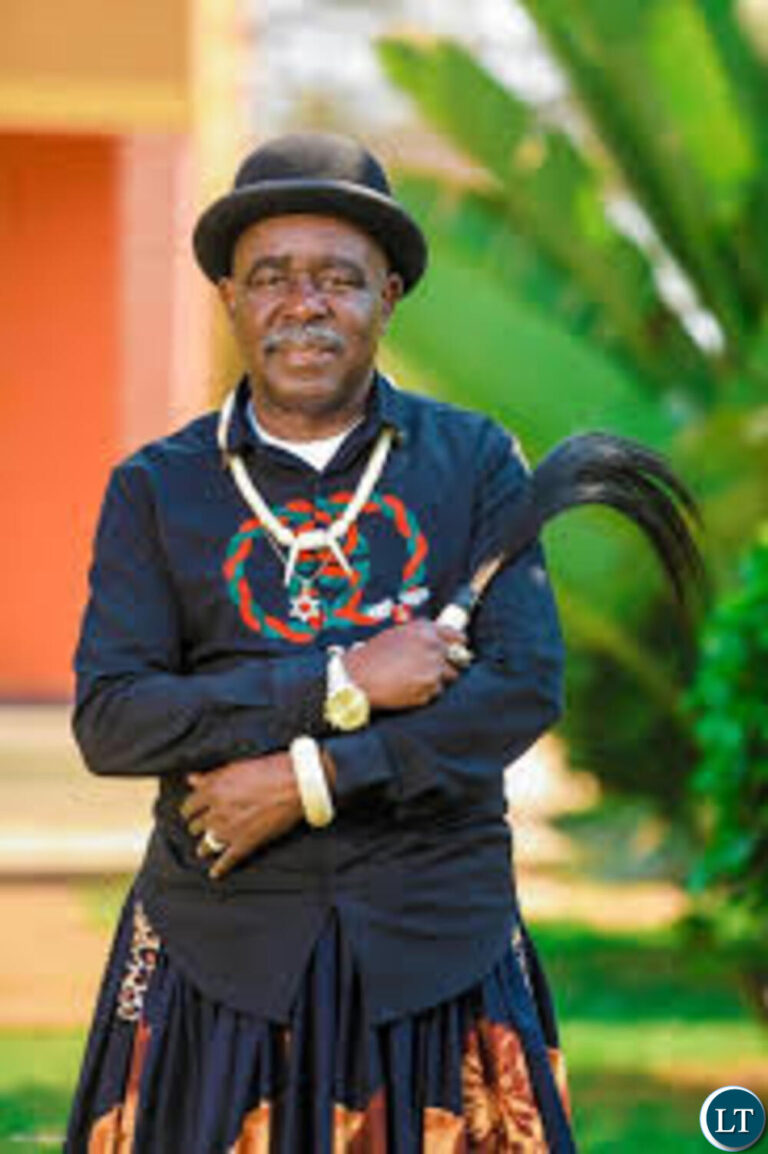
Senior Chief Musele of Kalumbila District in North western Province has endorsed President Hakainde Hichilema for the 2026 General Elections, slated for August 13, 2026.

Senior Chief Musele has since called for unity of purpose and stability as the country heads towards the elections.

He said this in an interview  in Solwezi today.

The traditional leader indicated that Zambia does not deserve another disruptive regime change after just five years.

Senior Chief Musele said the constant shift in administrations burdens ordinary citizens and derails national progress in terms of development citing the country’s political history experiencing multiple political transitions since 2011.

The traditional leader warned that regime change is particularly dangerous for developing countries like Zambia adding that each new administration abandons previous policies and holds no solution for Zambia’s economy other than reverse gains.

He advocated for allowing the elected government to complete its mandate for its ongoing developmental agenda.

Senior Chief Musele further appealed for unity while calling on the opposition political parties to support and constructively critique the government of the day instead of seeking its immediate removal.

K3.4 million paid to farmers in Northern-western Province

3

Government has so far paid out over K3.4 Million to farmers who supplied their maize to the Food Reserve Agency (FRA) under the 2025 crop marketing season in Northwestern Province.

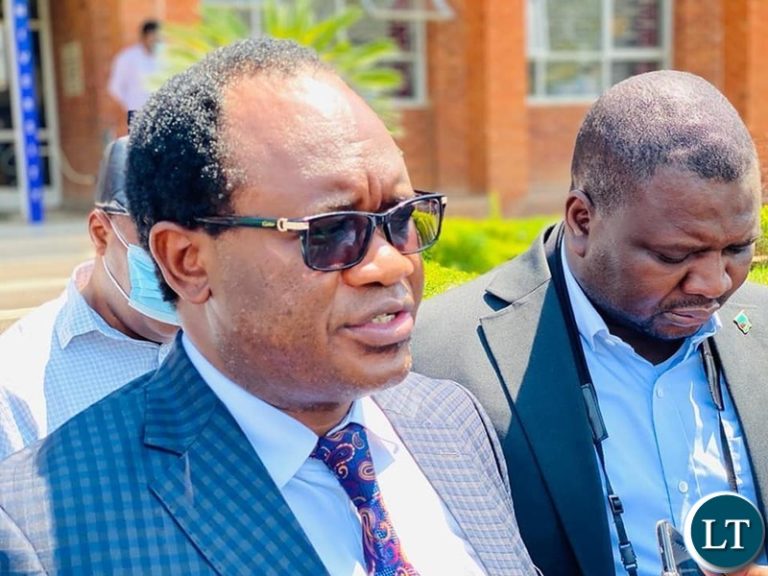
Disclosing the development in an interview  in Solwezi today, Provincial Principal Public Relations Officer Gloria Kinkolenge has since appealed to farmers to access their full payments from the nearest banks.

Ms Kinkolenge said the critical step in settling long standing dues has seen a settlement of K3,422,214 while banks like ZANACO bemoaned the low numbers of farmers accessing their payments.

She said the disbursement is part of a nationwide initiative to clear arrears owed to famers who supplied maize to FRA to collect their funds and receive their full payments.

Ms Kinkolenge said sensitisations are currently underway.

She indicated that said farmers must understand the delays which are due to the bank’s procedures and understaffing at bank counters.

Ms Kinkolenge assured the farmers that the government will fulfill President Hakainde Hichilema’s promise to settle the debts owed to farmers across the country.

Government aids Meanwood families whose Children drowned

1

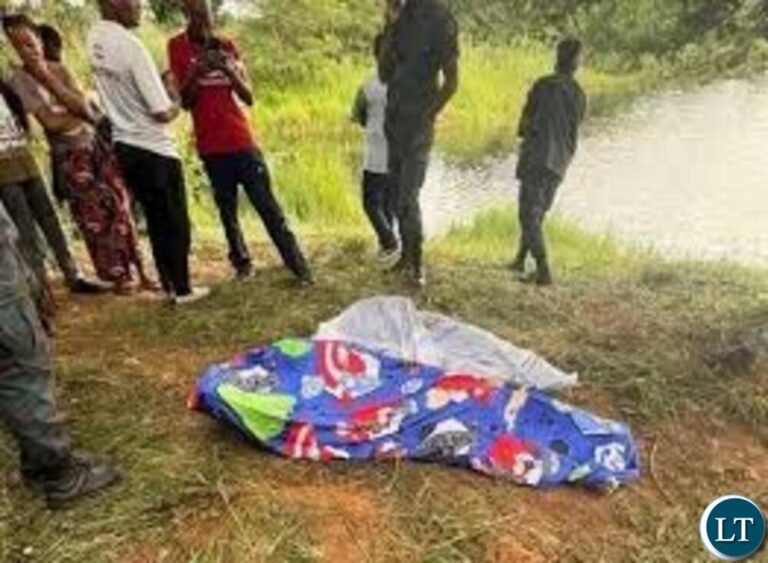
Government through the Disaster Management and Mitigation Unit (DMMU) and Zambia National Service (ZNS) has distributed food items and tents to families of five children who drowned at a ZNS Farms Dam in Meanwood Phase 3, of Chongwe District.

The media reports that District Commissioner, Evans Lupiya, who visited the bereaved families, stated that the items are meant to cushion the families, as the community mourns the children’s deaths.

Dr Lupiya noted that the government’s duty is to support disaster-affected families, including funerals.

“We have given the families some mealie meal, cooking oil, salt and rice through DMMU to ease the burden of feeding people during this difficult time. ZNS has also provided tents and some food items to the families,” he said.

Dr Lupiya revealed that the government will engage ZNS Airport base management to fence the dam and restrict public access.

Meanwhile, Madido Ward Councilor, Janet Chisenga called on parents to caution children against swimming in the dam, to prevent further loss of lives.

“We have lost lives before in this dam and it’s so sad that we have lost young children again,” she said.

Ms Chisenga urged ZNS to secure the dam.

Government announces measures to reduce water interruptions

0

The Ministry of Water Development and Sanitation has announced a decisive push of measures implemented in reducing water interruptions attributed to high turbidity in river sources during the rainy season that is affecting communities.

This is contained in a statement released to the media in Solwezi today, by the Ministry’s Principal Public Relations Officer Prince Chiyuni.

Mr Chiyuni said the move is meant to directly address the vulnerability of systems citing the Lufupa River Treatment Plant in Kasempa District where reliable supply of water to over 24,136 residents is threatened.

He said the government is working closely with key stakeholders to sensitise communities along the Dengwe River in Kasempa District to stop the contamination of water resources arising from illegal gold mining activities.

“The Dengwe River is an upstream tributary of the Lufupa River, which supplies raw water to the water treatment plant serving the entire district and operated by the North Western Water Supply and Sanitation Company Limited (NWWSSCL),

Over the past two dry seasons, the Lufupa River has experienced significant reductions in water levels, partly attributable to illegal mining activities that have obstructed upstream tributaries, including the Dengwe River,” he noted.

Mr Chiyuni said in response, the Ministry in collaboration with the Water Resources Management Agency (WARMA) and Northwestern Water Supply and Sanitation (WWSSCL) has been engaging communities in Kasempa District and cooperating partners on the urgent need to protect the water body by curbing pollution associated with illegal mining activities.

He said the government remains deeply concerned about the threatened water supply to over 24,136 residents who depend on the Lufupa River Water Treatment Plant operated by NWWSSCL.

“Furthermore, the Ministry of Water Development and Sanitation working jointly with the Ministry of Local Government and Rural Development through the Kasempa Town Council and the District Administration is supporting the development of alternative water sources,” he said.

Mr Chiyuni said as part of these efforts, a total of K5 million has been allocated from the Constituency Development Fund (CDF) for the drilling of two boreholes and the construction of water distribution infrastructure to help mitigate the prevailing water supply challenges.

He said to address interruptions in water supply caused by high turbidity during the rainy season, the Ministry is working with the North Western Water Supply and Sanitation Company to develop and utilise alternative water sources during such periods.

Mr Chiyuni disclosed that in Solwezi District, the Ministry has allocated K10, 000,000 towards improving water supply infrastructure adding that the intervention includes the drilling of a commercial borehole and the construction of a 500-cubic-metre steel reserve distribution tank in the College area.

He said the project is expected to enhance water supply to areas served by the Solwezi Main Water Treatment Plant, which is often affected by high turbidity during the rainy season.

Mr Chiyuni further said the construction of a weir at the Solwezi River intake will improve water abstraction capacity for the main treatment plant thereby strengthening water security for the District.

He further called for utility companies to collaborate closely with the government to develop and utilise alternative water sources for periods when river water becomes too muddy to treat effectively.

Archbishop Banda urged to seek justice as investigations continue – Simuuwe

1

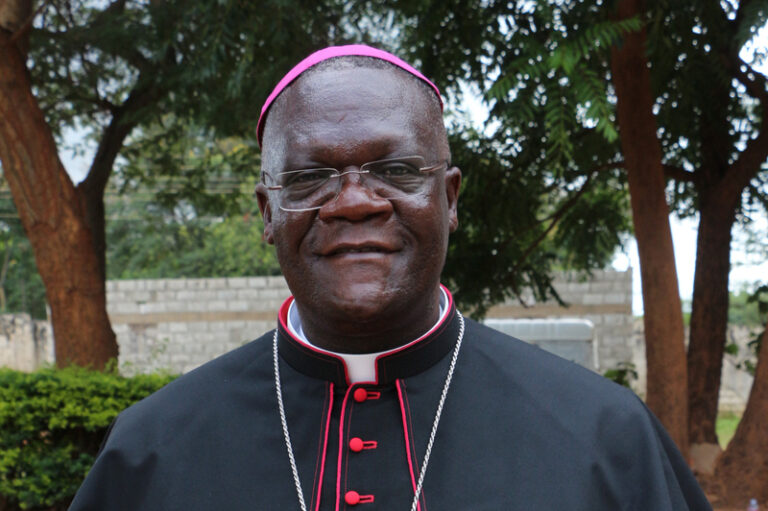
Lusaka – UPND Media Director Mark Simuuwe has called on Lusaka Archbishop Alick Banda to allow the law to take its course and seek justice, cautioning against the politicisation of matters that are criminal in nature.

Mr. Simuuwe said the Toyota Hilux currently under investigation is not registered in the name of the Catholic Church but in the name of Archbishop Banda as an individual, making it a personal matter rather than a church issue.

He explained that government has established procedures for the disposal of state property, including public auction or other lawful means, and that investigations are intended to establish how a government-owned vehicle was allegedly registered in an individual’s name.

Mr. Simuuwe stated that the purpose of the investigations is to determine how government property ended up under individual ownership and said the process should be respected.

He further noted that the position of Archbishop is a senior office and said investigators are seeking clarity on how such a transaction may have occurred.

Speaking during a Christian Nation FM radio interview, Mr. Simuuwe said some members of the Catholic Church had declined to be drawn into political debate surrounding the matter.

He also referred to provisions of the Societies Act, which require organisations, including churches, not to sponsor or participate in political activities.

Mr. Simuuwe said discussions on the matter should be based on facts and the law. He reiterated that Archbishop Banda remains innocent until proven guilty in a court of law and called on all parties to allow law enforcement agencies to carry out their duties without interference.

Court reserves ruling in bribery case involving two co-wives

0

The Lusaka Magistrates Court has reserved January 26 for a ruling in a case in which two co-wives are accused of attempting to corrupt a police officer in order to secure the release of their husband, who is facing allegations of defiling his biological daughter.

The two women are alleged to have corruptly offered K4,808 to a police officer as an inducement for police bond. The allegations are connected to their 43-year-old husband, a herbalist, who was detained after being accused of sexually abusing his 10-year-old daughter.

Magistrate Anna Hollard heard that the two accused were initially arrested together with a third co-wife, who later died while in detention, leaving the remaining two women to face the corruption charge alone.

In closing its case, the prosecution relied on video footage recorded at the police station, which was played in court and presented as key evidence.

During cross-examination, arresting officer Praxida Mulate testified that she did not demand money from the accused and confirmed that no money was seen being exchanged in the video footage. She also acknowledged that the footage did not show her explaining the rights of the accused persons, but stated that the explanation was done off camera.

The video showed one of the accused counting money, while the now-deceased co-wife was heard asking for forgiveness and denying that their husband had sent them with money, stating instead that he had only asked them to stand as sureties.

The defence argued that the footage did not show any act of corruption. However, the prosecution submitted that repeated references to money in relation to police bond were sufficient to support the charge.

After considering the evidence and submissions from both sides, Magistrate Hollard reserved her ruling on whether the accused have a case to answer to January 26. On that date, the court will decide whether the two women will be placed on their defence or acquitted.

Over 1,500 pupils in Itezhi-Tezhi miss Form One places due to limited capacity

0

More than 1,533 pupils who qualified to proceed to Grade Eight (Form One) in Itezhi-Tezhi District of Southern Province have failed to secure secondary school places because of inadequate infrastructure, area Member of Parliament Twaambo Mutinta has said.

Speaking in an interview, Mutinta noted that despite increased investment in education infrastructure over the past two years—during which over 40 classroom blocks were constructed—the district continues to experience a shortage of secondary school space.

He said Itezhi-Tezhi currently has only one functional boarding secondary school and three weekly day secondary schools, a situation he described as insufficient to meet growing demand.

Mutinta attributed the pressure on school facilities to rapid population growth, stating that the district has the highest annual population growth rate in Southern Province at 4.8 percent. He added that the introduction of free education has further increased enrolment at secondary level.

According to the lawmaker, total school enrolment in the district has increased from 28,000 to 44,000 learners, creating challenges in accommodating an additional 14,000 pupils.

Mutinta has appealed to the Ministry of Education to urgently construct at least two new secondary schools, noting that land has already been identified in Masasabi, Nanzhila, Muunga and Nakabangwe.

He said while the Constituency Development Fund (CDF) is being used to help address the situation, additional government intervention is needed. He added that some pupils have been placed in schools in other districts, but the shortage of space remains a major challenge.

Mundubile walks out of PF unity meeting amid internal disputes

0

Patriotic Front (PF) Mporokoso Member of Parliament Brian Mundubile has walked out of a party unity meeting as internal disagreements continue to affect the former ruling party.

This followed the PF’s removal from the Tonse Alliance, where the Given Lubinda–Led faction was cited as contributing to confusion within the alliance. Shortly after, the Lubinda faction announced on social media that PF presidential aspirants had convened a meeting aimed at agreeing on a single candidate.

The group shared images on PF social media platforms showing presidential hopefuls meeting, stating that the gathering was intended to promote unity ahead of the party’s general conference. However, the meeting ended prematurely when Mundubile exited before its conclusion, citing dishonesty and alleged plots against him by party leadership.

The meeting, organised by Lubinda and his camp, brought together several PF presidential hopefuls, including Makebi Zulu and Chishimba Kambwili, as part of efforts to address internal party disputes ahead of the forthcoming general conference.

PF Deputy Secretary General for Politics Miles Sampa said the objective of the meeting was to reduce the number of presidential candidates to two, who would then proceed to the general conference where one candidate would be selected to contest the presidency against President Hakainde Hichilema on August 13.

Mundubile later stated that disagreements emerged early in the meeting, with accusations that plans were being made to expel him from the party. In a Facebook post, he claimed he had learned that he was being listed for disciplinary action, which could lead to his expulsion, for attending a Tonse Alliance meeting that discussed the provisional removal of PF as the anchor party until its leadership issues were resolved.

He further alleged that members of his campaign team were also facing possible disciplinary measures for establishing provincial campaign structures. Mundubile said these developments affected the intended outcome of the meeting.

Following consultations with members of his campaign team, Mundubile announced his decision to withdraw from the meeting, citing what he described as open hostility during the proceedings.

The opposition continues to wrestle with itself, while time moves quietly but firmly on.

3

The opposition continues to wrestle with itself, while time moves quietly but firmly on.

In the meantime, President Hakainde Hichilema has managed to change the tone of the national conversation. Load shedding, once a daily source of anger and political mobilisation, has been largely stabilised. The lights are back in many homes and businesses. The Kwacha is gaining ground, offering at least some breathing space to traders and households.

These things matter.

Politics is not won on press statements alone. It is won on lived reality. When electricity improves and economic signals begin to stabilise, excuses shrink and expectations rise. That is the context within which the opposition must now operate.

Yet instead of matching this moment with seriousness, what continues to play out is theatre.

Monday at the Cathedral was a painful reminder.

Politicians exchanged wide smiles and warm hugs, presenting an image of unity and sympathy following the summoning of Archbishop Dr. Alick Banda by the Drug Enforcement Commission. On the surface, it appeared dignified. In reality, many Zambians saw it for what it was, an opportunity to score political mileage disguised as solidarity.

The smiles looked rehearsed and the hugs felt strategic.

What makes it worse is that these same leaders who smiled and embraced on Monday are often locked in bitter rivalry behind closed doors. The egos remain intact. The mistrust remains unresolved. The exaggerated belief in individual political muscle remains unchecked.

And the public knows it.

I genuinely wish those smiles could be real. I wish those hugs could translate into humility, unity, and discipline. I wish opposition leaders could finally set aside ego and accept a simple truth, there can only be one President at a time. Leadership requires patience, compromise, and at times the courage to support another rather than sabotage them.

Zambians are tired of unity that lasts only as long as the cameras are rolling. Tired of sympathy that doubles as self-promotion. Tired of leaders who look united on Monday and fractured by Tuesday.

Time continues to move, and the political ground is shifting. Load shedding is no longer the blunt weapon it once was. Economic signals are changing the mood. The window for excuses is closing.

If the opposition does not turn staged smiles into genuine unity, hugs into honest reconciliation, and ambition into disciplined leadership, it risks being overtaken by events already unfolding.

Time does not wait. Voters are watching.

Simon Mulenga Mwila
Aspiring Mayor of Lusaka
(DBA Candidate, MBA, LLM, LLB, Legal Practitioner, Commissioner for Oaths, Notary Public)

Pressure mounts for PF to hold national convention

The proposal to resolve the Patriotic Front leadership dispute through a closed-door conclave continues to attract scrutiny, with objections focusing on constitutional compliance, transparency, and the role of party members in selecting their leaders.

The discussion has intensified following internal developments within the opposition party, including the withdrawal of Brian Mundubile from the elders-led conclave process and renewed calls for the leadership contest to be resolved through a national convention.

The conclave initiative was introduced by senior party figures and elders as a mechanism intended to reduce tensions among rival presidential contenders ahead of the 2026 general elections. Supporters of the approach have described it as a practical means of restoring unity within the party.

Political analyst Dr Mwelwa has outlined a structured assessment of the approach, focusing on its compatibility with democratic norms within political parties. He notes that conclaves originate from religious institutions, where participants are bound by vows and doctrine, rather than from political systems governed by constitutions and competitive leadership contests.

Dr Mwelwa argues that political parties derive authority from clearly defined constitutional rules and the expressed will of their members. In his view, leadership outcomes negotiated among aspirants weaken internal accountability and reduce confidence in the process.

Another concern relates to the involvement of presidential contenders in shaping the leadership selection process. Dr Mwelwa maintains that individuals seeking office should not influence the mechanism that determines the outcome, as this creates conflicts between ambition and impartiality.

The Patriotic Front constitution provides for leadership selection through a national convention and an electoral process involving accredited delegates. Dr Mwelwa argues that bypassing these provisions risks undermining the legitimacy of any outcome, regardless of the intention behind alternative arrangements.

Objections have also focused on the restricted nature of the conclave discussions. Dr Mwelwa states that processes conducted without broad participation limit transparency and reduce opportunities for accountability. Leadership arrangements reached in such settings often struggle to command acceptance across the wider membership.

Concerns have also been expressed about the potential for strategic alignments within closed negotiations. Dr Mwelwa notes that private bargaining allows candidates to form alliances based on personal calculations rather than demonstrated support among delegates, which may disadvantage contenders with strong grassroots backing.

The expectation that aspirants will voluntarily step aside in the interest of unity has also been questioned. Dr Mwelwa points to the competitive character of party politics and previous internal disputes within the Patriotic Front, arguing that goodwill alone is an unreliable basis for leadership transitions.

Unity remains a central objective cited by advocates of the conclave approach. Dr Mwelwa distinguishes between unity achieved through negotiated agreement among elites and unity produced through a vote by members. He argues that unity emerging from an open electoral process carries greater durability, as it reflects collective choice.

Symbolic elements associated with conclaves have featured in public commentary. Dr Mwelwa rejects the view that symbolism can replace constitutional legitimacy, stating that leadership authority within a political party must be derived from ballots cast by authorised delegates.

Ownership of the party has also featured prominently in the discussion. Dr Mwelwa maintains that the Patriotic Front belongs to its members and that leadership decisions must be made through structures that allow those members, directly or through delegates, to determine outcomes.

He has called on PF leadership figures, including Miles Sampa, to abandon the conclave proposal and proceed to a national convention. He says a timely, constitution-based conference would provide clarity and reduce internal tension ahead of the 2026 general elections.

The manner in which the Patriotic Front resolves its leadership transition is expected to influence both internal cohesion and public confidence in the party as it prepares for the next electoral cycle.

MUNDUBILE’S EXIT: POLITICAL GAMESMANSHIP

6

Political Commentary | 9 January 2026

By Brian Matambo

Brian Mundubile’s withdrawal from the Patriotic Front conclave has been presented as an act of principle. In truth, it reads more like a calculated attempt to hold the process hostage.

Zambia’s politics has suffered enough from leaders who confuse personal ambition with party survival. At this delicate moment in PF’s history, what is required is maturity, courage, and openness. What Mundubile has offered instead is strategic sulking disguised as constitutional loyalty.

His statement is carefully written to offend no one while unsettling everyone. He praises the elders yet undermines their process. He condemns misconduct yet refuses to name those responsible. He claims commitment to unity while walking away from the very platform designed to restore it. This is not leadership. It is political hedging.

If Mundubile truly believes the conclave has been corrupted, then honesty demands that he says by whom and how. Zambians are tired of leaders who speak in shadows. Vague references to “some underhand methods” only protect wrongdoing and weaken accountability. Silence in the face of alleged injustice is not dignity. It is complicity.

More troubling is the political intention behind the withdrawal. Mundubile knows that a conclave without him appears incomplete. He knows his absence creates uncertainty. He knows others will now be forced to negotiate around him. That is not sacrifice. That is leverage.

In Zambia, we must stop celebrating this behaviour as clever politics. It is precisely this style of leadership that has kept political parties in permanent conflict and citizens in permanent disappointment. Mature leaders do not walk away to be begged back. They stay, confront, argue, persuade, and build.

Mundubile wants to be seen as a constitutionalist, yet he destabilises the very process meant to enforce constitutional order. He wants to be seen as a unifier, yet he weakens unity at its most fragile moment. He wants to be seen as principled, yet his actions serve his positioning more than the party’s healing.

PF does not need hostages. It needs adults.

If Mundubile believes he is wronged, he must fight his case openly within the process. If he believes the conclave is compromised, he must expose the compromise with evidence. If he believes he is essential to PF’s future, he must prove it by leadership, not by absence.

Zambia is watching. PF members are watching. And history will not be impressed by political cleverness dressed as restraint.

This is a moment for Brian Mundubile to rise above tactics and step into responsibility. Not as a contender protecting his relevance, but as a leader protecting his party.

Until he does so, his withdrawal will not be remembered as principled. It will be remembered as political hostage-taking at a time when PF could least afford it.

Mundubile withdraws from PF conclave citing bad faith and intimidation

4

Brian Mundubile has withdrawn his participation from the Patriotic Front conclave convened by the party’s Expanded Council of Elders, citing bad faith, intimidation, and underhand manoeuvres that he says undermined the integrity of the reconciliation process.

In a public statement dated January 9, 2026, Mundubile said he initially joined the conclave despite previous personal and political setbacks within the party. He said the process was initiated to resolve prolonged leadership disputes that have divided candidates and supporters ahead of the 2026 general elections.

Mundubile said he entered the conclave believing that all participants would set aside past grievances and injustices in order to arrive at a negotiated settlement capable of restoring confidence among Patriotic Front members and reassuring stakeholders interested in the forthcoming presidential and general elections.

He said he was prepared to endure earlier disadvantages he had suffered within the party, including the removal of individuals who supported his presidential bid from senior positions in the central committee, because he viewed the elders’ initiative as a dignified opportunity for unity.

However, Mundubile said that while the conclave was still underway, he became aware of developments that contradicted the spirit of reconciliation. He said information reached him indicating that steps were being taken to discipline and eventually expel him from the party.

According to Mundubile, the disciplinary threats were linked to his participation in a properly convened Tonse Alliance meeting which resolved, among other matters, to provisionally remove the Patriotic Front from its position as anchor party until it resolved its leadership dispute.

He also said members of his campaign team were being targeted for disciplinary action for putting in place provincial campaign structures ahead of the planned Patriotic Front conference.

Mundubile said these actions, occurring concurrently with the conclave, undermined trust and confidence among participants and threatened the intended outcome of the process. He said any conduct directed at sidelining participants during such an initiative weakened its credibility.

Following consultations with stakeholders within his presidential campaign, Mundubile said he decided to withdraw from the conclave. He said the decision was not intended to disrespect the elders who initiated the process, for whom he expressed continued respect.

He said his withdrawal was based on the view that it was inappropriate to continue participating in a process that had been compromised by conduct inconsistent with its stated objectives.

Mundubile said he remained willing to participate in any credible initiative aimed at easing tensions within the Patriotic Front, provided such a process was anchored firmly in the party constitution. He described the constitution as the ultimate guide governing the conduct of the planned general conference.

He reiterated his position that the election of the next Patriotic Front president should take place at a properly constituted party conference and said this conference must be held before the end of January 2026.

The withdrawal leaves the elders’ conclave without one of the party’s presidential contenders at a time when efforts are underway to stabilise the organisation ahead of the 2026 elections.

Zambia Correctional Service Appeals for Electric Pots

5

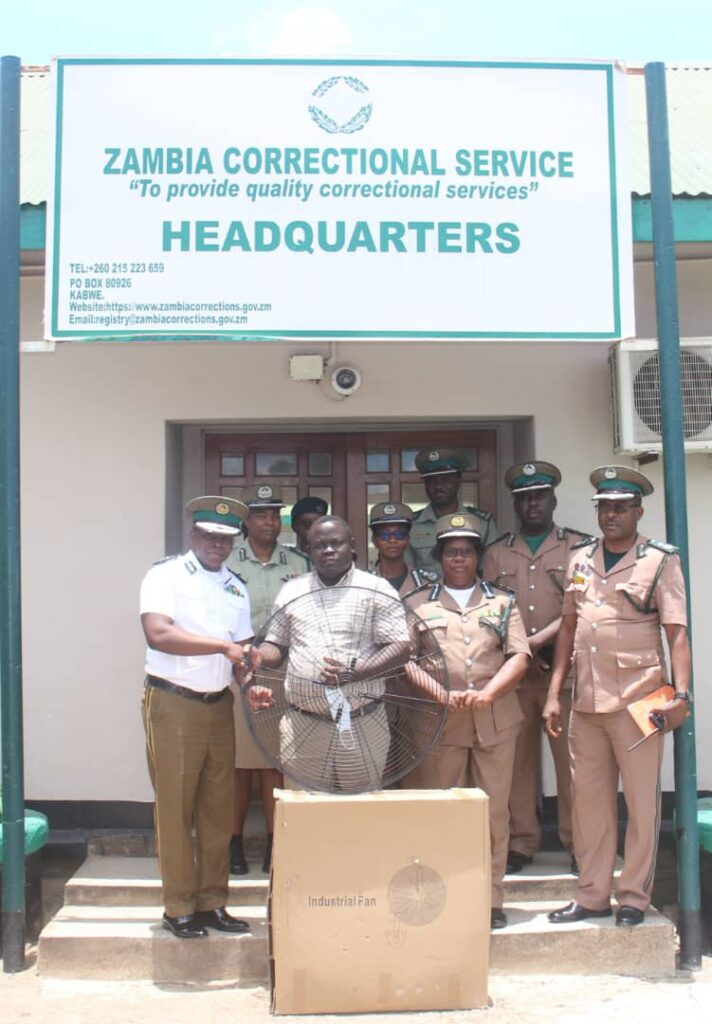
The Zambia Correctional Service Commission (ZCS) has appealed to government to help the Mwense Correctional Facility to procure electric pots using through the Constituency Development Fund (CDF).

Commission Chairperson, Evaristo Kalonga observed that having electric pots at the correctional facility will lessen on the use of firewood thereby reducing on deforestation in the surrounding areas.

During the commission’s recent tour of the facility, Mr. Kalonga also called for the setting up of a modern clinic at the correctional facility to provide healthcare services to inmates, officers and surrounding communities.

He added that the correctional services had its own medical personnel that could run the clinics once established.

Mr. Kalonga observed that CDF was a game changer which has continued to benefit correctional facilities adding that the commission will continue to lobby the government to implement more projects to support operations of correctional facilities. across the country.

“CDF is a game changer and as acommission we would have to request your office to facilitate the setting up of a modern clinic at Mwense Correctional facility that will service our inmates,” Mr Kalonga said.

He commended the regional command in Luapula Province for ensuring that correctional facilities continued to contribute to the country’s food security through there agricultural activities.

“The service also has been opening up farm land in Luapula one of them being the 2000 hectares land in Lwela,” Mr Kalonga said.

Meanwhile, Mwense District Administrative Officer, Phillip Muonga pledged government’s support to the correctional facility in the district.

Mr Muonga disclosed that the proposal for the procurement of electrical pots for Mwense Correctional Facility had already been submitted through the Ward Development Committee (WDC).for consideration by the CDF Committee.

Government Repairs 800 Desks in Kaoma Schools

0

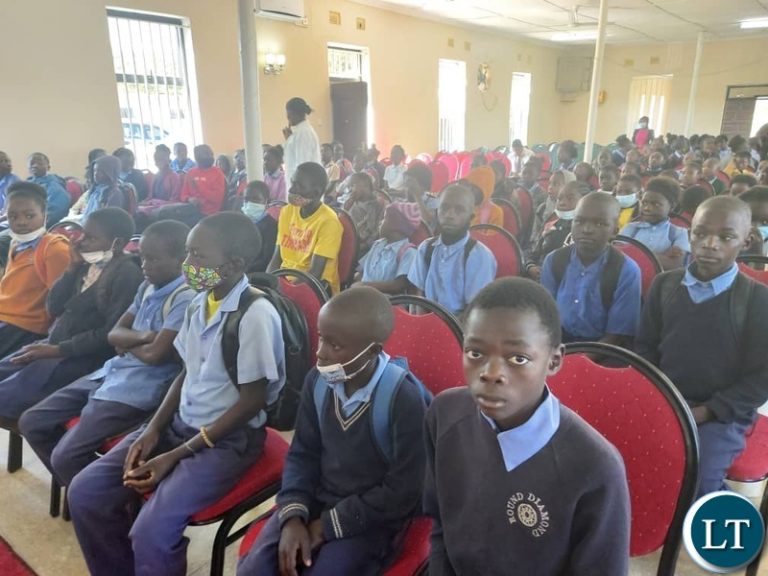
Government under the Ministry of Education has repaired 800 desks in various schools in Kaoma District in a bid to provide improved and conducive learning environment for learners.

Kaoma District Commissioner, Kashina Sheba expressed gratitude towards the Ministry of Education’s initiative of repairing the 800 desks stating that it will provide learners with more sitting space especially that schools are about to open.

Mrs Sheba revealed that the Ministry of Education through Zambia Education Project Implementation Unit (ZEPIU) was repairing the desks using frames brought from different schools.

Ms Sheba noted that three schools which include Kaoma Mulamatila and Baracks Secondary Schools have benefited from the program and thanked government for it’s continued effort and commitment in promoting quality education in the country and Kaoma District inclusive.

“As Kaoma we’re grateful to the New Dawn government for the desks that we are receiving today. The frames were brought from different schools to be repaired by the Ministry of education through Zambia Education Project Implementation Unit (ZEPIU)”, Ms Sheba stated.

“So, they have done a very good job, the desks that we receive today are amounting to 800. These desks that have come will really make a difference in our district because they have come at the right time when the schools are almost opening. Kaoma secondary, Mulamatila, and Baracks those are the schools that have received the desks”, she confirmed.