EFF president raises alarm over alleged secretly contracted IMF programme
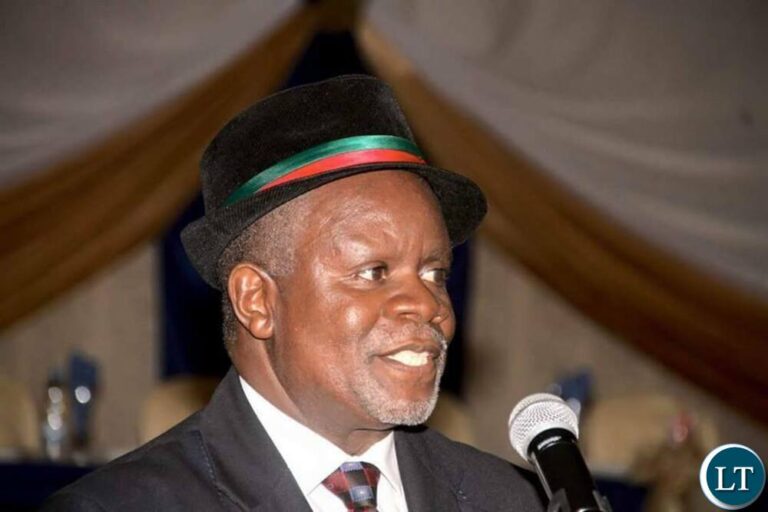
LUSAKA, January 8, 2026 — Economic Freedom Fighters (C-EFF) president Kasonde Mwenda has accused the Hakainde Hichilema–led government of secretly returning Zambia to the International Monetary Fund for a new loan programme, warning that the move risks plunging the country into deeper debt, harsher austerity, and a loss of economic sovereignty.
In a statement issued in Lusaka on Thursday, Mwenda said the government had resolved to replace the current IMF Extended Credit Facility with what he described as a new full IMF programme, without first informing the public. He argued that Zambians would be directly affected by the conditions attached to such an arrangement and should have been consulted before any decision was made.
Mwenda said Zambia’s previous engagements with the IMF had resulted in policies that disproportionately burdened ordinary citizens, including electricity shortages, load-shedding, austerity measures, shrinking public services, and a rising cost of living. He accused the government of prioritising the interests of foreign creditors and multinational corporations over domestic economic development.
The EFF leader pointed to the enactment of Statutory Instrument No. 47, which removed export tax on copper concentrate, arguing that the policy had weakened Zambia’s control over its mineral wealth at a time when global copper prices were rising. He claimed the measure had failed to deliver tangible benefits to citizens in the form of lower prices, job creation, or broader empowerment.
Mwenda warned that entering another multi-year IMF programme would, in his view, mean additional borrowing starting this year, deeper austerity, reduced national policy autonomy, and long-term dependence on external financiers. He cautioned that the social impact of such policies would intensify over time if the current direction was not reversed.
He accused the government of lacking an independent development vision, saying reliance on IMF programmes had become its default response to economic challenges. Mwenda said Zambia should instead pursue a development path anchored in national ownership of resources and domestic industrial growth.
Outlining his party’s position, Mwenda said a C-EFF government would prioritise using Zambia’s minerals and natural resources for the benefit of citizens, restructure the economy around national development objectives, and avoid borrowing arrangements that mortgage the country’s future.
He called on Zambians to reject what he described as a cycle of austerity and dependency and urged voters not to support the ruling party in the 2026 general elections.
The government had not issued a response to the claims by the time of publication.