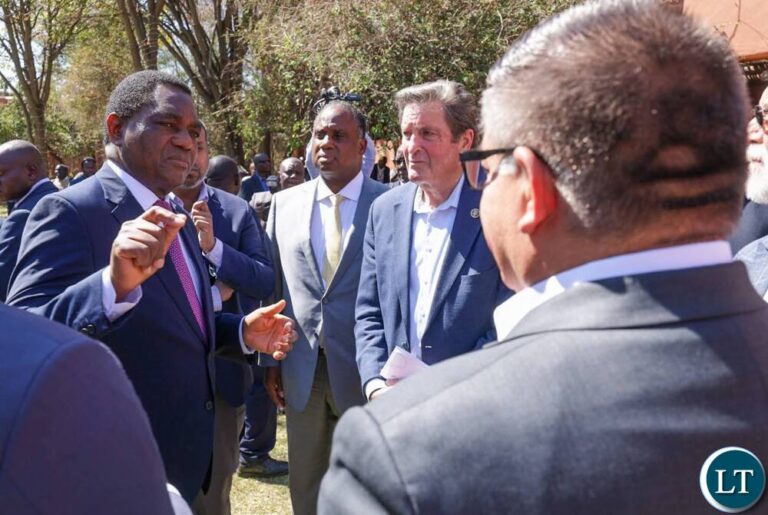
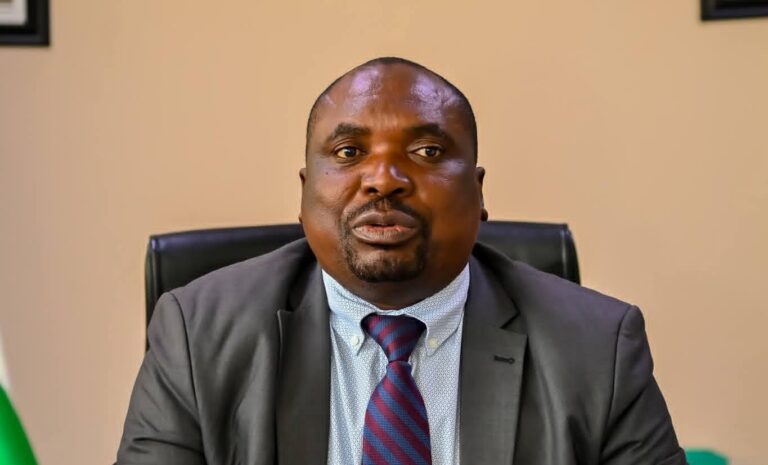
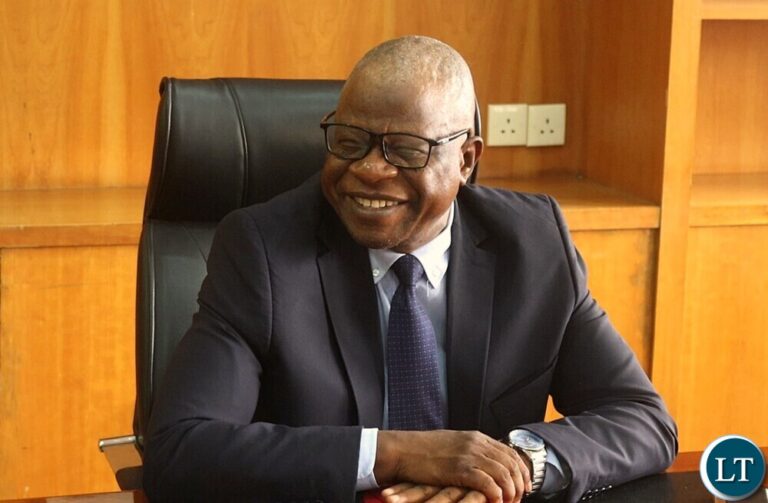
Ministry of Mines and Minerals Development Permanent Secretary, Hapenga Kabeta, says Zambia is strategically positioned to contribute meaningfully to the critical minerals global transition to green energy among other benefits.
Dr Kabeta says Zambia has an opportunity to increase mineral production and leverage its mineral wealth for economic transformation, industrialisation, job creation and sustainable development as it is endowed with vast minerals.
He pointed out that global transition towards clean energy, digital transformation and advanced manufacturing has significantly increased demand for critical minerals such as copper, cobalt, manganese, graphite, lithium, nickel and rare earth elements.
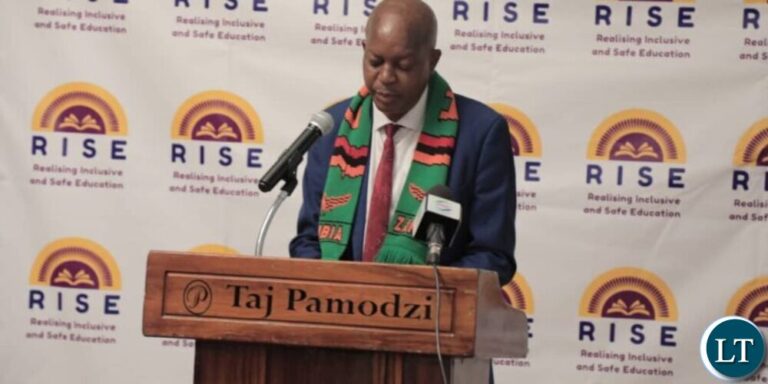
Dr Kabeta was speaking today, when he officiated at the high level Multi-Stakeholder Dialogue on Zambia’s National Critical Minerals Strategy (2024 – 2028), organised by the Natural Resource Governance Institute (NRGI) and Center for Trade, Policy and Development (CTPD), in Lusaka.
He explained that in Zambia, minerals will remain strategic as they are important for national development.
Dr Kabeta further said minerals are now central to the developments of electric motor vehicles, renewable energy technologies, battery storage systems and modern industrial infrastructure.
“Given this background, government developed and launched the Critical Minerals Strategy in 2024 in order to unlock value across the mining value chain while ensuring that mineral resources contribute to inclusive and sustainable national development as expressed in the National Mineral Resource Development Policy and the Eighth National Development Plan,” he said.
Dr Kabeta reiterated that the future of mining is rapidly evolving and Zambia must position itself strategically to maximise the opportunities presented by the growing demand for critical minerals, further calling for collaboration among stakeholders.
And NRGI Africa Director, Nafi Quashier, said Zambia is already one of Africa’s major copper producers and sits within one of the world’s most important mineral regions.
Ms Quashier noted that as global demand for copper rises to support electrification and renewable energy systems, Zambia’s role in the global energy transition becomes increasingly important.
Ms Quashier encouraged Zambia to cease the moment to drive industrialisation, economic diversification, jobs, innovation and long-term public value.
She explained that today’s dialogue is intended as a working platform for implementation whose purpose is to collectively reflect on progress under the Critical Minerals Strategy.
“To identify opportunities to strengthen implementation and to deepen collaboration among all actors involved in shaping Zambia’s mineral future,” she added.
Ms Quashier disclosed that NRGI wants to support prioritisation and implementation, strengthen monitoring, transparency, accountability, coordination and promote citizen participation.
“We want this dialogue to help Zambia identify its strategic priorities in the international critical minerals space,” she added.
Meanwhile, CTPD Executive Director, Isaac Mwaipopo observed that within the international development sector, Zambia remains guided by various global and regional commitments whose implementation timeliness continue to shape its policy priorities.
“It is my sincere hope that through these engagements, we can continue to support our colleagues at the Ministry of Mines and Minerals Development in strengthening the governance, regulation and sustainable development of Zambia’s critical minerals sector,” he said.