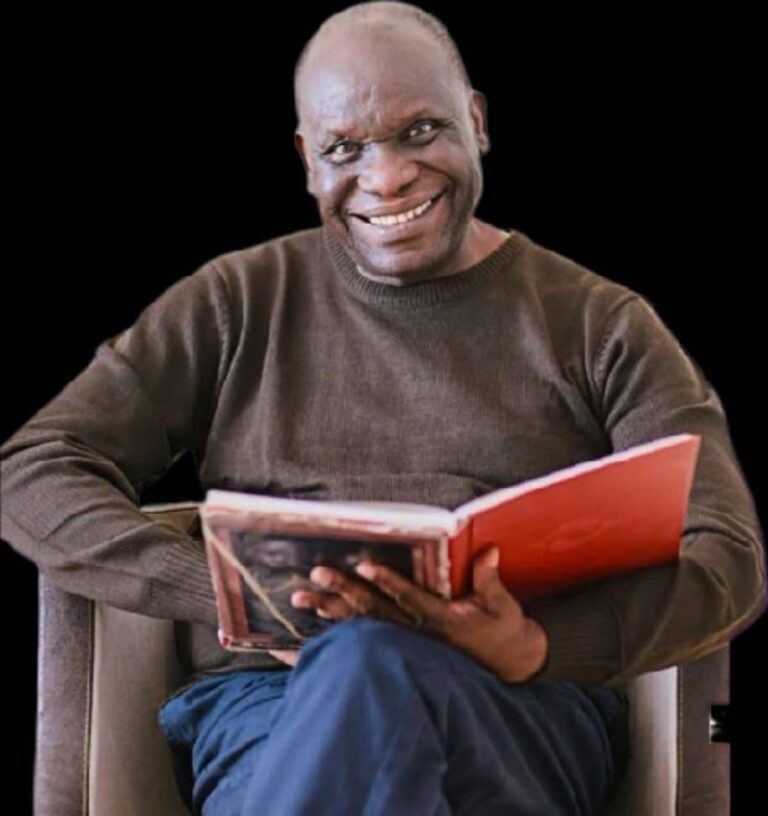
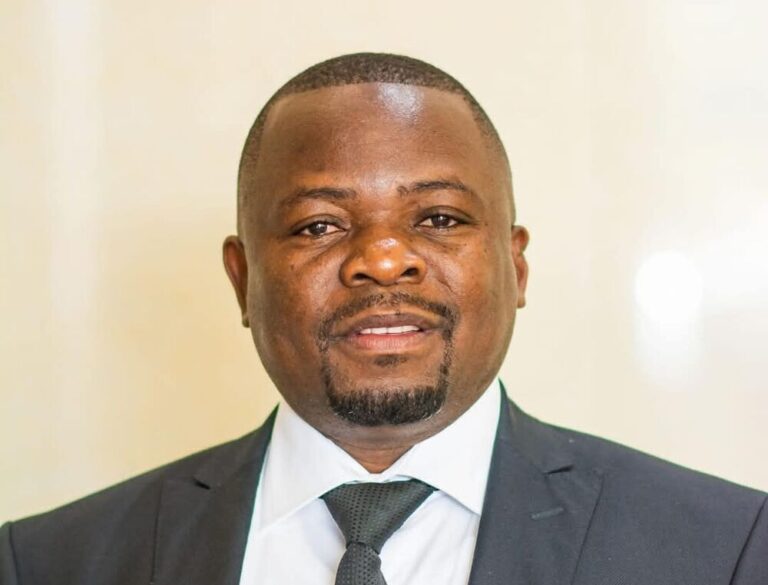
Presidential aspirant Makebi Zulu has described the passage of Constitution Amendment Bill No. 7 as a breach of public trust and pledged to pursue a new, inclusive constitution-making process if elected in 2026.
Zulu was addressing journalists during a media briefing, where senior party officials and former government ministers were present. The briefing followed days of national debate and criticism surrounding the approval of Bill 7 in Parliament.
Zulu said the events surrounding the bill had shaken confidence in elected representatives and raised serious concerns about governance priorities. He stated that the parliamentary outcome did not reflect the conscience of the people or the founding principles of his political formation.
he noted that the vote on Bill 7 reflected individual moral failure rather than collective party values, adding that political ambition had overridden national responsibility. He said the party’s principles of justice, unity and service remained intact despite the outcome.
He declared his intention to be part of a leadership group that would reclaim public trust and restore constitutional order. Zulu said any future constitution review must be transparent, inclusive and driven by citizens rather than political offices. He said the constitution should emerge from communities across the country and reflect shared national values, including democracy, unity and patriotism.
Zulu said his administration would defend the independence of key state institutions, including the judiciary, Parliament, the Electoral Commission of Zambia and the civil service. He said public institutions should not be used for political advantage and that professionalism must be restored in public service.
He also said his government would repeal laws he described as repressive, including the Cyber Security and Cyber Crimes Act, which he said had been used against citizens instead of protecting them. Zulu said freedoms of expression and assembly were inherent rights and not privileges granted by government.
On governance priorities, Zulu said economic management should focus on citizens rather than political interests. He said Zambia’s natural resources, energy and agriculture must benefit local communities first. He said industrialisation would be central to job creation, particularly for young people.
Zulu said his administration would seek to restore Zambia’s standing internationally through diplomacy based on mutual respect and cooperation. He said foreign partnerships must deliver tangible benefits to citizens rather than a small elite.
He said agriculture, mining, tourism and technology would form the foundation of economic recovery, alongside efforts to reduce the cost of living and restore food security.
During a question-and-answer session, Zulu was asked whether members of Parliament who supported Bill 7 should face disciplinary action. He said political parties operate under established rules, including voting positions on major national matters. He said MPs who acted against agreed party positions had breached trust.
Zulu said party discipline was necessary to restore credibility and said he would support any party decision to separate from members who acted against its principles. He said restoring public confidence was more important than retaining parliamentary seats.
Addressing the substance of Bill 7, Zulu said one of its effects was extending the tenure of Members of Parliament until the day before elections, rather than dissolving Parliament three months prior. He said this benefitted MPs personally while failing to address pressing national challenges.
He said the bill introduced constituency delimitation without clarity on the number of new constituencies or associated costs. Zulu questioned how additional MPs, vehicles, allowances and offices would be funded at a time when farmers had not been paid and shortages of medicines, fuel and agricultural inputs persisted.
Zulu said budget priorities were misaligned, with resources directed toward political expansion instead of development. He said constitutional amendments should not take precedence over food security, health services and economic stability.
He said the bill concentrated power in the presidency and weakened democratic accountability. Zulu said replacing elected MPs through party mechanisms undermined democratic choice.
Responding to concerns about whether elections would still be held in 2026, Zulu said the electoral timetable remained unchanged. He said Zambians would vote on August 13, 2026, and that the constitution review must return authority to the people.
Zulu also addressed questions about multiple presidential contenders within the Patriotic Front. He said competition should not be mistaken for division and described internal contests as a contest of ideas. He said the process would culminate in unity around a single candidate.
On leadership demographics, Zulu said younger voters formed the largest share of the electorate and were drawn to leaders who understood their aspirations. He said youth engagement must be balanced with experience and guidance from older generations.
The briefing ended with closing remarks from party officials, who described Zulu as a servant-leader committed to accountability, unity and constitutional governance.