Saturday, June 13, 2026
11.8 C
Lusaka
Home Blog Page 268

Price Controls Are Not the Answer, Zambia Needs Structural Solutions- Chanda

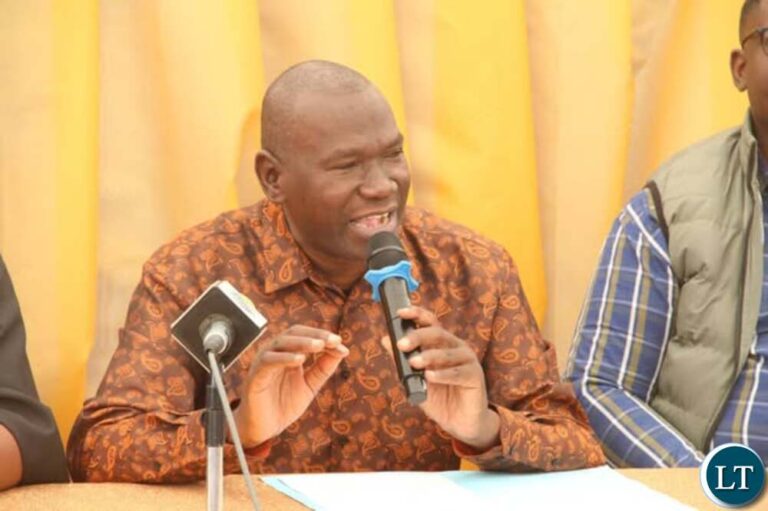
Kanchibiya Member of Parliament Hon. Sunday Chanda has cautioned government against introducing price controls on essential commodities such as fertilizer, sugar, and cooking oil, saying the move would backfire and worsen Zambia’s economic challenges.

In a statement titled “Price Controls Are Not the Answer — Zambia Needs Structural Solutions to Lower the Cost of Living,” Chanda said while the high cost of living was a legitimate concern, price controls have historically led to market distortions, shortages, and loss of investor confidence.

He urged authorities to instead tackle the underlying causes of high prices by cutting production costs, investing in renewable energy, improving transport infrastructure, and strengthening market competition.

Chanda outlined several sustainable measures to ease the burden on households  including promoting local manufacturing, supporting smallholder farmers, reforming taxes, and introducing targeted subsidies for the most vulnerable citizens.

He warned that short-term political fixes would only mask inflation without addressing the structural weaknesses in the economy, adding that Zambia’s long-term stability depends on sound, evidence-based reforms that boost productivity and self-reliance.

Below is the full statement

🟥 PRESS STATEMENT

PRICE CONTROLS ARE NOT THE ANSWER — ZAMBIA NEEDS STRUCTURAL SOLUTIONS TO LOWER THE COST OF LIVING

The recent News Diggers headline, “Government Ponders Price Controls for Fertilizer, Sugar, Cooking Oil,” underscores the growing concern about Zambia’s high cost of living. While this concern is legitimate, resorting to price controls would be an economic misstep with long-term negative consequences.

Price controls may appear to offer short-term relief, but history and economic evidence show that they often create more harm than good. They distort markets, discourage production, and lead to shortages that hurt consumers even more severely. When producers are unable to recover their costs, they reduce supply, creating black markets and worsening inflation in the long run.

Instead of controlling prices, government should address the root causes of high commodity prices — including high production costs, import dependence, weak supply chains, and limited competition in key markets.

WHY PRICE CONTROLS ARE A BAD IDEA
  1. They discourage local production.
    When prices are fixed below production costs, producers cut back or close, leading to shortages.

  2. They cause artificial scarcity.
    Products disappear from formal shelves and reappear on the black market at inflated prices.

  3. They erode investor confidence.
    Policy unpredictability deters local and foreign investment in agriculture and manufacturing.

  4. They strain public finances.
    The state is often forced to subsidize losses, worsening the fiscal burden.

  5. They only mask inflation.
    Price controls hide, but do not fix, structural inefficiencies driving up costs.

SUSTAINABLE MEASURES TO REDUCE THE COST OF LIVING

To provide genuine and lasting relief to households, Zambia must prioritize productivity, efficiency, and fair market competition over artificial pricing.

1. Promote Local Manufacturing and Agro-Processing
  • Fast-track operationalization of fertilizer and feedstock plants.

  • Encourage local processing of sugar, cooking oil, and other essentials.

2. Cut Transport and Energy Costs
  • Invest in cheaper renewable energy and local fuel blending.

  • Rehabilitate rural and feeder roads to reduce logistics costs for farmers and traders.

3. Strengthen Market Competition and Oversight
  • Curb monopolistic and cartel behavior in commodity markets.

  • Empower the Competition and Consumer Protection Commission to ensure fair pricing.

4. Targeted Subsidies for the Vulnerable
  • Implement smart social protection mechanisms to cushion low-income households rather than imposing universal price controls.

5. Support Smallholder Farmers
  • Enhance access to affordable credit, quality inputs, and extension services to boost productivity and lower farm-gate prices.

6. Tax and Policy Reforms
  • Review VAT and import duties on essential goods and raw materials.

  • Incentivize domestic value addition to build resilient local value chains.

CONCLUSION

Price controls may be politically tempting, but they are not a sustainable solution to the cost-of-living crisis. Zambia’s long-term stability lies in lowering production costs, encouraging local industry, and protecting vulnerable citizens through targeted support.

The nation must resist the lure of short-term fixes and instead pursue sound, evidence-based economic reforms that create lasting prosperity for all.

Signed:
Hon. Sunday Chanda, MP
Member of Parliament for Kanchibiya Constituency
Zambia National Assembly
Government Ponders Price Controls for Fertilizer, Sugar, and Cooking Oil

Government is considering implementing price controls on essential commodities such as fertilizer, sugar, and cooking oil in an effort to cushion consumers from rising living costs and ensure affordability across households.

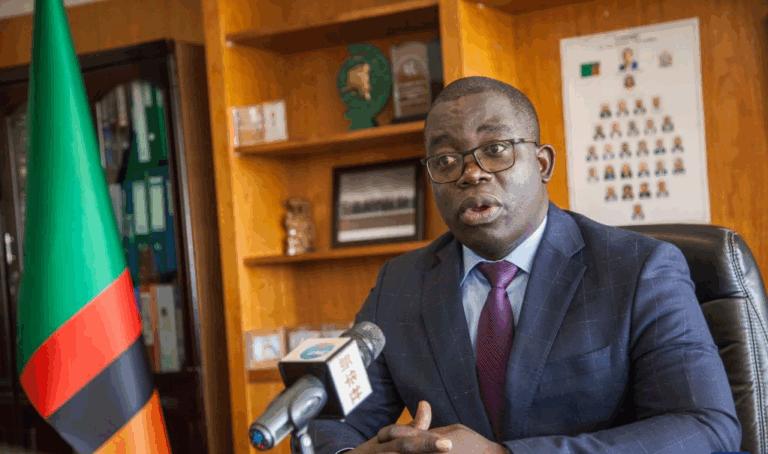
Commerce, Trade and Industry Minister Chipoka Mulenga said the state expects producers to pass on the benefits of the Kwacha’s recent appreciation to the public through lower prices. He stated that government has observed that reductions in input costs and currency gains have not been reflected on retail shelves, prompting discussions around possible interventions to protect consumers.

Speaking during an engagement with industry stakeholders, Mulenga said the Ministry is evaluating a range of options to stabilise prices, noting that citizens continue to face pressure from high commodity costs. He added that the government’s goal is not to stifle private enterprise but to promote fairness in the pricing of essential goods.

“We believe producers have a moral and social obligation to appreciate the gains in the economy by extending the benefits to consumers,” Mulenga said. “It cannot be business as usual when the cost of living continues to rise despite favourable conditions in production and exchange rates.”

The minister indicated that consultations are ongoing with relevant stakeholders, including farmers, manufacturers, and consumer groups, to assess how best to align production costs with market prices. He also said the Ministry is studying regional trends to ensure any decision taken balances economic stability with the welfare of citizens.

Mulenga stressed that government remains committed to supporting local production while ensuring that the market operates fairly. He cited examples of ongoing discussions with fertilizer suppliers, milling companies, and sugar producers on how to maintain sustainable prices as the nation approaches the next agricultural season.

The proposed measure, if adopted, would mark the first major price regulation initiative in recent years. Economists note that while such controls can offer short-term relief, they require careful implementation to avoid supply disruptions and maintain investor confidence in key sectors.

The Ministry of Commerce has not yet provided a definitive timeline for introducing any form of regulation, but officials confirmed that recommendations are expected to be presented to Cabinet after consultations conclude.

Mulenga reiterated that the objective is to ensure equitable distribution of economic gains and restore purchasing power for ordinary citizens. “We are listening to the people and to the markets,” he said. “Our intention is to find a balanced approach that supports both producers and consumers.”

Now that someone in a posh surburb has been scratched; the whole nation must jump?

1

A prominent Lusaka-based lawyer has submitted the following on his Facebook page: “We need National Indaba to discuss and find solutions to the escalating problem of junkies in the country!”

The previous day, the said lawyer intimated that he had just been alerted a runner was hit on the head by the so-called junkies. The incident occurred in Ibex Hill, a breath-taking plush surburb, supposedly one of the safest in the nation’s capital!

This unfortunate incident is probably what has prompted the friend of the court to call for a National Indaba on junkies to come up with lasting solutions to nip the problem in the bud.

However, Teddy Dingani Ngwenya, one of his Facebook followers poured scorn on his suggestion.

“When it starts affecting the elite that’s when it draws the countries attention we have been calling for that for years now.”

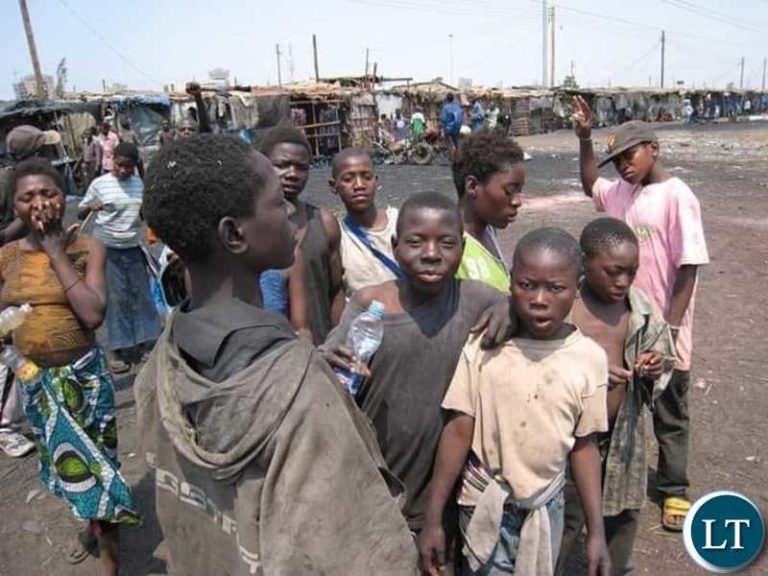
The issue of street kids, whom we may safely say have since metamorphosed into junkies, has been as closer to our hearts as the mouth is close to the nose for many years! We’ve written, umpteenth times, about the same on electronic and print media, and even submitted countless proposals to the powers that be!

The renowned lawyer suggests holding a National Indaba to address this problem…..we don’t think this is necessary. How many such gatherings are we going to hold? At whose expense?

In case the gentleman is not aware, immediately the UPND came into power, our organization endured a 365km marathon walk from Kitwe to Lusaka to petition government to call for a National Indaba to discuss the conundrum of street kids and identify practical solutions. True to this, the Ministry of Community Development & Social Welfare acquiesced to our request and invited various stakeholders – the Church, civil society organizations, security wings, the donor community and relevant government departments. We came up with a number of resolutions; they must be in one of the offices at the ministry accumulating dust!

As our write ups would reveal, this problem has been building up over the years. Once the street kids graduate into teen hood, they’ve to recalibrate their means of survival on the streets. Most of them would’ve already been reduced to cabbages or junkies, if you like due to drug abuse.

Left with limited options, and obviously old enough to continue begging on the streets, they retreat into the townships and continue lurking in dark corners.

Make a mistake of encountering them during the witch hour, you wouldn’t realise what has hit you! They’d use every manner of weapon at their disposal to knock out your teeth, crack your skull, gorge out your eyes or indeed rip your bowels apart! This has obviously been the cry of most people in our shanty compounds over years. Now that this problem has moved to affluent areas such as Ibex Hill and someone has been scratched, we are hopeful for a permanent solution. As for you uncle Zacheria Phiri (ZP), randomly rounding them up once in a while isn’t the answer; you’re simply hardening and tempering them! Let’s rehabilitate them and equip them with vocational skills, and of course economically empower them.

Mulekutika?

Prince Bill M. Kaping’a
Political/Social Analyst
Zambezi

EAZ voices out on cost of living

0

Economics Association of Zambia (EAZ) President Oswald Mungule has noted that the high cost of living in the country has persisted despite the kwacha maintaining a stable exchange rate over the past six months.

Mr Mungule says this is because people’s income has been eroded by inflation, while productivity levels remain low.

Speaking in an interview with the media, Mr Mungule explained that although inflation has slowed down since 2021, the cost of goods and services has continued to rise, while salaries have largely remained static, reducing the purchasing power of most households.

“The main reason is that the income levels of the people have been eroded by inflation. Prices have continued going up while salaries have remained the same,” he said.

He further attributed the sustained high cost of living to structural rigidities in the economy, particularly low productivity levels, poor infrastructure and inefficient logistics and transportation systems.

“The more you produce, the more you supply to the market and prices stabilize. But when supply is limited, prices go up,” Mr Mungule explained.

He said inadequate road networks and high transportation costs as major contributors to price increases.

Mr Mungule stressed that monetary policy alone cannot address the cost of living crisis.

“Government must complement monetary policy with fiscal measures that support key sectors such as the MSME sector,” he stated.

Mr Mungule has since emphasised the need for joint efforts by both the government and the private sector to improve access to finance and ensure that taxation policies do not inadvertently increase production costs and inflationary pressures.

Chongwe farmers urged to adopt integrated management model

0

Chongwe District Senior Agriculture Officer, Whiteson Kasuba, has urged farmers in the district to adopt the Integrated Pest Management (IPM) model to effectively address pest outbreaks in their fields.

Mr. Kasuba noted that climate change has led to increased outbreaks of economically harmful pests such as fall armyworms and Tuta absoluta, which threaten the country’s food security. He therefore called on farmers to integrate the IPM model into their farming practices.

He explained that using sustainable agricultural practices under the IPM model, such as biological control methods, not only protects the environment from damage but also enables farmers to achieve higher crop yields, thereby enhancing food security.

Mr. Kasuba made the remarks during a bio-control field day organized by the Centre for Agriculture and Bioscience International (CABI) and the International Maize and Wheat Improvement Centre (CIMMYT) at Honda Agriculture Camp in Chongwe District.

He stated that the Ministry of Agriculture, through the government’s agricultural policy, is promoting IPM—implemented by CABI among farmers across the country—as a safer and more sustainable strategy to control pests and crop diseases.

Mr. Kasuba further encouraged farmers in Chongwe to be receptive to the innovative farming practices demonstrated by CABI and CIMMYT during the field day, as these can improve crop production and livelihoods.

“May I implore our farmers to be open-minded and embrace the innovations demonstrated and shared by CABI and CIMMYT, which will help you adopt sustainable food production methods, build healthy families, and contribute to a food-secure nation,” Mr. Kasuba said.

He thanked the two organizations for pioneering IPM and other pest control measures in the district.

Speaking on behalf of CABI Southern Africa Regional Director, Dr. Natasha Mwila, CABI Food and Safety Scientist, Andela Kangwa, said IPM remains one of the most effective pest management approaches as it leverages multiple practical pest control methods.

Ms. Kangwa explained that the indiscriminate use of chemical pesticides in farming contributes to the loss of biodiversity within micro-environments and poses risks to human health, underscoring the need for safer pest management alternatives.

“In instances where chemical pesticides are abused or overused, resulting in harm to both the environment and humans, the need for safer pest management alternatives cannot be overemphasized,” Ms. Kangwa said.

She added that CABI, with support from CIMMYT, is working closely with farmers in Chongwe through the Ministry of Agriculture to demonstrate practical IPM approaches that include the organization’s farmer biopesticide initiative at a demonstration plot where the field visit was held.

Ms. Kangwa further revealed that the organization is also promoting the first commercialized fall armyworm-tolerant hybrid maize seed in the country, developed by CIMMYT.

She commended farmers in the camp for their willingness and commitment to learning how to integrate IPM into their farming practices.

Over 163,000 captured so far in mass voter registration

0

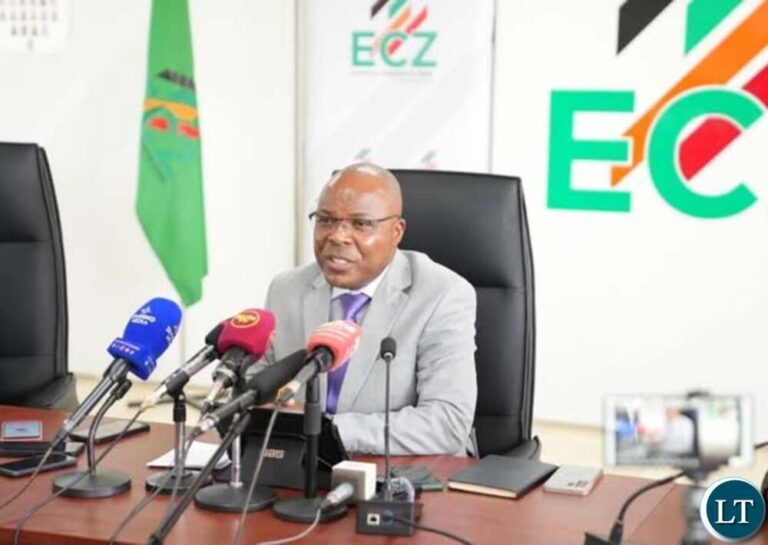
The Electoral Commission of Zambia (ECZ) has announced a provisional figure of over 163 thousand people as having been registered during phase two of the mass voter registration exercise nationwide.

The media reports that ECZ Chief Electoral Officer, Brown Kasaro, says the Commission has also recorded a provisional total of over 284 thousand, as an update to the existing voters register during phase 1 and two of the mass registration exercise.

Mr Kasaro explained that the over 284 thousand comprises those who lost their voter cards and those that moved to new locations.

“New registrations for phase two comprises 89,905 female, 73,676 males, which is reflecting encouraging participation levels particularly among women,” added Mr Kasaro.

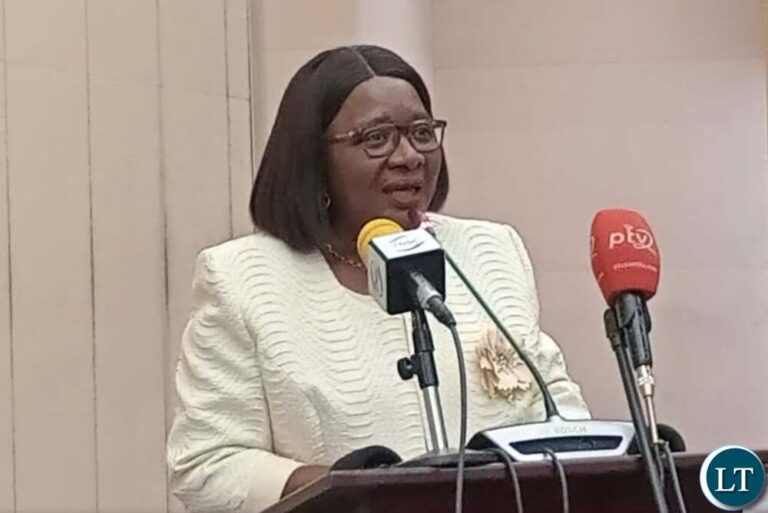
ECZ Chairperson, Mwangala Zaloumis said the Commission is aware of stakeholder concerns during the process, as it is putting in place measures to address them.

Ms Zaloumis further called on stakeholders to exercise patience as the process unfolds, adding that the Commission is monitoring the process and will decide whether to extend the registration exercise based on the data that will be collected.

She added that the Commission has also extended the accreditation period for political parties to the 31st of this month, in order to allow political parties to submit three observers per constituency to their District Registration Officers.

Technical Committee on Constitutional Amendments begins sittings

0

The Technical Committee on Amendments to the Constitution commenced its Provincial sittings as part of the nationwide consultation process aimed at revising the Republican Constitution.

The media reports that in Northwestern Province, the committee  paid a courtesy call on the Provincial Administration before receiving submissions from traditional leaders.

In his opening remarks Vice Chairperson and Spokesperson Landilani Banda said the Technical Committee has eleven (11) specific Terms of Reference.

“One of the terms of reference is to receive submissions from the people of Zambia with respect to provisions relating to the electoral process and the electoral system as a whole and specifically, provisions relating to the delimitation and delineation of constituencies and wards with a view to ensure fair, equitable and balanced representation and distribution of resources across the nation,” he said.

Dr Banda said the other term of reference includes the promotion and enhancement of effective participation of women, youths and persons with disabilities in elective positions and governance institutions in accordance with the principles of inclusivity, equality and equity.

He said the technical committee has also been tasked to receive submissions from the people of Zambia with respect to provisions of the Constitution relating to the term of Member of Parliament and office of Minister.

“Your Royal Highness we are also here to receive submissions from you before your subjects in later days with respect to provisions of the Constitution relating to the hearing of Presidential, Parliamentary and local government election petitions with a view to enhance the administration of justice in such election petitions,” he said .

He added that the Technical Committee will also receive submissions from the people of Zambia with respect to the definition of a youth, child and adult.

Dr Banda said the committee will also receive submissions from the people of Zambia with respect to Constitutional Office holders, specifically the tenure of office of Attorney General and Solicitor General and the qualifications of the Secretary to the Cabinet, among others.

Public sittings and receipt of submissions from various stakeholders will follow from Tuesday through to Thursday of the same week.

The second phase of the consultations will cover Muchinga, Southern, Copperbelt, and Luapula provinces from November 3 to November 6, 2025, before concluding with Lusaka Province from November 10 to November 13, 2025.

The sittings are expected to end on November 13, 2025, with the final report scheduled for completion on November 16 and official handover on November 26, 2025.

Earlier this month, President Hakainde Hichilema appointed a 25-member Technical Committee to spearhead the Constitutional Amendment process through broad-based public consultations.

The committee is chaired by retired Supreme Court Judge Christopher Mushabati, with Landilani Banda serving as Vice Chairperson and Spokesperson.

The nationwide exercise seeks to ensure that the constitutional review process is inclusive, transparent and reflective of the aspirations of all Zambians.

President Hichilema calls for continental action on children’s mental health

0

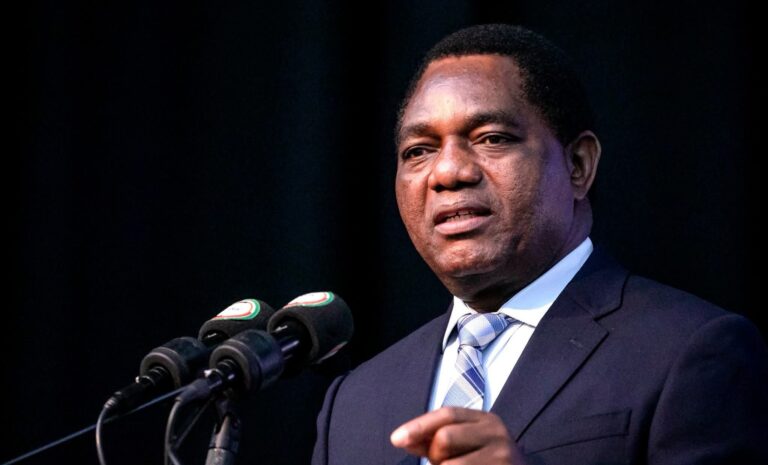
 President Hakainde Hichilema has urged African leaders to prioritise mental health for the well-being of children across the continent.

President Hichilema has challenged leaders and policymakers to listen to the voices of over 990 million African children who continue to carry emotional and psychological burdens that no child should bear.

He observed that many young people are silently battling mental health challenges that often go unnoticed by parents, teachers and society at large.

The media reports that the President cited teenage pregnancies, economic hardship, and fear of sexual violence, defilement and drug abuse as some of the pressing issues affecting the mental well-being of young people.

“Young people are facing mental health burdens so deep for anyone to carry,” he said.

His remarks were delivered in a speech read on his behalf by Minister of Health, Elijah Muchima, during the 8th Mental Health and Psychosocial Support Forum held in Lusaka today.

President Hichilema urged countries to establish adolescent-friendly services to ease pressure on the education system for the benefit of both learners and teachers.

He added that the Zambian government continues to invest in the well-being of its citizens by strengthening primary health care, which includes Sexual and Reproductive Health Rights (SRHR).

And Regional Psychosocial Support Initiative (REPSSI) Board Chairperson, Gigi Gosnell, emphasised that the forum should serve as a unified voice to build stronger child support systems.

Ms Gosnell further urged stakeholders to move from rhetoric to implementation by integrating mental health into the education system.

“Mental health is not optional. This forum should provide a platform where voices are united to build a system that supports children,” she said.

MP refutes claims on Zambia-Kimasala road washed off

0

Solwezi Central Member of Parliament Stafford Mulusa has refuted social media reports alleging that the Zambia-Kimasala road under construction by JDCon Zambia construction company, was washed off due to poor quality works following the Saturday, October 25th, downpour.

Social media reports indicated that the Zambia-Kimasala road which is one of the roads being constructed under the 10.1 kilometer Solwezi township roads project, funded by the central government was left dilapidated after heavy rains which were experienced in Solwezi yesterday.

However, speaking to the media in Solwezi today, Mr Mulusa clarified that the road remains intact, explaining that the minor damage witnessed is normal as it is near the bridge.

“The corrosion that we saw is just before the bridge which is normal because there is a bridge that is being made so they have left a space in between for the bridge to be completed”, he said.

Mr Mulusa who is also Government Chief Whip assured residents that the project will be completed to standard and will greatly improve connectivity once fully done.

“We as leaders are monitoring the constructor, myself, the council and the PS’s office are all monitoring and we will not allow shoddy works,” he assured.

Mr Mulusa added that the government is spending money for the benefit of the community, further urging members of the public to exercise patience and allow the contractor to complete the project.

The MP also warned individuals spreading false information to desist from misleading the public, saying such actions undermine government’s development efforts.

“I am actually very disappointed with people on social media, you know, incorrect messages move very fast but there is no road that is washed away in kimasala, I was forced to move on the roads to check on what was happening and I am requesting that those on social media should not underestimate the works so far and I want to caution most of those who are very much opposition who want to see us fail,” said Mr Mulusa.

The MP stressed that from engagements with the contractor, he was assured of the last layer which is asphalt to be put on the road by Wednesday this week.

“What we saw there is that the contractor laid down the stone base and the stone base is already done, what is remaining is the black top which is the final top of the tarmac and you know because it is asphalt immediately they do it we are going to see that road users will go back to the road and Iam informed that by Wednesday we will have the process of the final layer being put,” he said.

He has however called on members of the public to disregard social media reports regarding the road.

“Of course we had a very heavy downpour a day before and it went on until yesterday morning, but that road is intact,” he said.

Ministry of Labour and Social Security, partners to implement apprenticeship programme

0

The Ministry of Labour and Social Security, through the sector skills bodies, in collaboration with cooperating partners, has announced a 12 months apprenticeship programme for priority skills.

states that the pilot programme will commence in January 2026 and will bridge existing skills gaps, demonstrate the viability of apprenticeships as a means of developing industry-ready skills, promote employability, and enhance productivity.

The media reports that speaking when she officiated at the opening of the Tripartite Consultative Labour Council Meeting in Lusaka, Ms Tambatamba said the programme will also provide lessons for scaling up the programme and attracting sustainable financing from both government and the private sector.

The Minister indicated that government recognises that changes in technology, climate change, and globalisation have transformed business models, necessitating a corresponding shift in skills to meet the evolving needs of the labour market.

“The skills advisory committee, with support from the International Labour Organisation (ILO) and the European Union (EU), working through the sector skills bodies, has developed a critical skills list for four priority sectors, namely mining, agriculture, energy, and tourism.

“The critical skills list is intended to address skills gaps and mismatches, while promoting competence-based skills development,” she explained.

Ms Tambatamba further expressed the government’s appreciation to the European Union for the financial and technical support.

And speaking at the same event, International Labour Organisation (ILO) Country Director, Wellington Chibebe, said the organisation is actively supporting Zambia in promoting employability.

Mr Chibebe noted that ILO stands ready to support the government on the designation of selected categories of workers as essential workers, the development of a Statutory Instrument to address the proliferation of trade unions and the update of the Critical Skills List and Support for the Pilot Apprenticeship Programme.

Meanwhile, Zambia Congress of Trade Unions (ZCTU) President, Blake Mulala, stated that Zambian employees remain steadfast in their commitment of driving the national agenda of economic development and productivity growth in all sectors of the country’s economy.

Mr Mulala acknowledged that workers have demonstrated a high level of commitment and discipline towards industrial peace.

Citizens Urged to Participate in national Development

0

Permanent Secretary for Special Duties at Cabinet Office, Kennedy Kalunga, has called on citizens to actively participate in matters of national interest to ensure that Zambia’s democracy continues to thrive.

Mr. Kalunga emphasized that democracy can only be strengthened when citizens take part in national processes and fulfill their civic duties.

He urged all eligible citizens to register as voters and obtain voter cards, noting that doing so is one of the key ways to influence national development and leadership.

“Let us remember that democracy thrives when citizens participate. In this regard, I urge every eligible Zambian to register as a voter in the ongoing voter registration ahead of the elections in 2026,” Mr. Kalunga said.

He added that Independence should remind every responsible Zambian to reject tribalism, corruption, crime, and violence, and instead embrace the spirit of One Zambia, One Nation.

“Independence should remind all of us to desist from tribalism, corruption, crime, and violence, and embrace the spirit of One Zambia, One Nation,” he reiterated.

Mr. Kalunga also commended the people of Kafue for their unity and patriotism as the nation celebrated 61 years of independence, urging them to renew their commitment to building a resilient, inclusive, and prosperous Zambia for all.

Malaria vaccine exercise launched

1

The first ever Malaria vaccine exercise has been launched in the country, targeting to immunize over 250 thousand children under the age of five.

The national launch of the malaria vaccine took place in Luapula Province, it being one of the provinces with high a prevalence rate of malaria.

Minister of Health Elijah Muchima says the launch of the malaria vaccine will add to other interventions aimed at ending malaria in the country.

The Minister of Health who was represented by Luapula Province Minister Nason Musonda states that the malaria vaccine is safe and that it will be administered to children below the age of 5 years.

Dr. Muchima points out that the malaria vaccine will be rolled out in 83 districts across the country.

“This vaccine will be for those districts in the northern region where malaria incidences are still high,” states the Minister.

He has explained that the vaccine will be administered to children between 6 to 8 months old and later it will cater for those who are 11 months old.

“The malaria vaccine will now be part of the routine immunisation programme for the ministry of health and this will go a long way in helping end malaria in the country,” he says.

And UNICEF Chief of Health Akinafu Asfaw says the United Nations will continue to support the fight against malaria in the country.

Dr. Asfaw points out that the launch of the malaria vaccine is one way of ensuring that countries like Zambia eradicate malaria as a public health hazard.

He states that the vaccine has been proven to be effective if used together with other malaria interventions such as indoor residue spraying and the use of mosquito nets.

“The coming of the malaria vaccine does not mean that people should discard other malaria interventions which have been in place for a long time now,” he notes.

Dr. Asfaw reveals that malaria still remains one of the major causes of death especially among children hence the initiative to come up with the vaccine to help end malaria in countries like Zambia.

Meanwhile Luapula Chiefs Council Chairperson Chief Chisunka says all traditional leaders in the province will work with the Ministry of Health, to ensure an increase in the uptake of the vaccine.

Dr. Chief Chisunka says through their influence, traditional leaders will be able to explain the importance of the malaria vaccine to their subjects.

“We are all partners in the fight of not only malaria but other diseases which have continued to affect our people especially here in Luapula hence we shall work together to end malaria in Luapula,” he says.

The traditional leader has since commended government for coming up with the malaria vaccine saying it will help to save a lot of lives.

Over 100 PF members defect to UPND in Chitambo

0

One hundred and three people in Chitambo District have defected from the opposition Patriotic Front (PF) to join the ruling United Party for National Development (UPND).

The defectors cited the UPND government’s sound policies such as free education and the lack of vision and leadership in the former ruling party as reasons for their decision.

One of the defectors, Sydney Kalunga of Chalilo Ward, said he decided to leave the PF due to what he described as poor leadership that hindered the country’s development.

Mr. Kalunga added that he was drawn to the ruling party because of its progressive programmes, such as the free education policy, which has enabled many rural children to access schooling, and the Cash for Work Programme, which has helped young people avoid drug abuse.

Another defector, Juliet Kamima of Mpelembe Ward, said she joined the UPND because all her children who had stopped school due to her inability to pay fees during the PF administration are now able to attend school for free under the current government’s policy.

“I have decided to follow the UPND because of its good policies. It is not only because of the free education policy but also how the ruling party managed to support rural people during the drought experienced in the 2023/2024 farming season, when vulnerable households received assistance under the Emergency Social Cash Transfer (ESCT) programme,” Mrs. Kamima stated.

Speaking when he received the defectors, UPND Chairman General William Banda urged them to put the past behind, emphasizing that they are now part of the UPND family and free to work and hold any position within the party.

He further cautioned existing members against frustrating new members who may wish to serve in various party positions.

Mr. Banda assured the new members in Chitambo that he would present them as an “Independence gift” to the First Family.

Chitambo District Chairperson, Mable Kunda, also welcomed the defectors, assuring them that the party in the district remains open and ready to accommodate all new members.

UPND Chairman General calls for empowerment of locals using CDF

0

UPND Chairman General William Banda has called on authorities in Chitambo District of Central Province to ensure that local people are prioritized when awarding Constituency Development Fund (CDF) projects.

Mr Banda said, in line with CDF guidelines, residents of the district should be given first priority in the awarding of contracts to empower local entrepreneurs.

He made the remarks during the presentation of four wheelchairs, two sewing machines, 68 bales of secondhand clothes, and other items donated by the First Family to vulnerable members of the community and the royal establishment.

“The President instructed that when there are projects in districts, they should be given to locals because you have youths, men, and women who want to work and earn an income to feed their families. Giving contracts to people from Kabwe, Ndola, or Lusaka deprives residents of this area,” Mr Banda said.

Mr  Banda, who was accompanied by UPND Central Province Secretary Hastings Mulimba, UPND Information and Publicity Secretary Fred Khunga, and other provincial and district officials, also criticized miners who come from outside Chitambo with multiple mining licenses, depriving local people of access to their own mineral resources.

He stated that corruption may have been involved in cases where individuals hold more than one mining license, and urged those engaged in the practice to stop, so that locals can benefit from their resources.

The Chairman General assured residents that he would present the challenges they are facing to President Hakainde Hichilema.

He further encouraged people in the area to form cooperatives to make it easier for them to access CDF contracts and participate in mining activities.

Chitambo District UPND Vice Chairperson Christopher Kabango said the donation of the items to the people of Chitambo demonstrates the love and care the First Family has for the district.

Meanwhile, Memory Musonda, mother to one of the wheelchair beneficiaries, said the empowerment would make life easier for her 16-year-old daughter who has been immobile due to the lack of a mobility aid.

No Police Raid at OYDC Vigil, Government Insists Amid Online Uproar

No Police Raid at OYDC Vigil, Government Insists Amid Online Uproar

Government has dismissed what it calls a deliberate campaign of lies circulating on social media suggesting that the Zambia Police stormed the Olympic Youth Development Centre (OYDC) in Lusaka to break up a Christian night vigil held on the eve of Independence Day.

In a strongly worded statement issued on Monday, 27 October 2025, Permanent Secretary in the Ministry of Information and Media Thabo Kawana said not a single police officer was deployed to the event and that claims of worshippers being “stormed” by police were a complete fabrication.

According to Kawana, the Standing-in-the-Gap prayer group had formally written to the police, notifying them of their plan to hold an all-night vigil on Thursday, 23 October 2025, to coincide with Independence commemorations. However, a day before the eventon Wednesday, 22 October the police advised the organisers to postpone, explaining that they could not guarantee the security of worshippers because officers were already tied to two major national operations that night.

The first was the State Banquet held in honour of a visiting foreign Head of State, while the second was the National Flag-Hoisting Ceremony, officiated by the Vice President, marking the start of Independence Day at midnight. Kawana said those assignments had stretched the service’s operational capacity, leaving it unable to cover a separate large-scale public gathering at the same time.

Despite being verbally informed of this decision on 22 October, the organisers went ahead with preparations. They only collected the official written notice from the police the following day, hours before the vigil was set to begin. When night fell, worshippers had already assembled in large numbers at OYDC, some singing and praying as they awaited the night-long session.

It was at that point, Kawana explained, that the Standing-in-the-Gap leadership addressed the crowd around 21:00 hours and announced that the police had advised against proceeding. The organisers themselves requested the congregants to disperse peacefully, and they did so without any confrontation or police intervention.

Kawana said the government found it “alarming” that soon after this peaceful dispersal, a wave of online posts began circulating, falsely claiming that police officers had stormed the event, tear-gassed the crowd, and forcibly dispersed the worshippers.

“That is a total fabrication meant to mislead the public and sow discontent among citizens,” he said. “No officer was deployed there, and no such action ever took place. The truth is that the organisers themselves ended the event voluntarily.”

He further accused certain political actors and online detractors of exploiting the incident to paint the administration as intolerant to religious gatherings, calling their conduct “reckless and malicious.”

Kawana urged citizens to verify information through official government communication channels rather than relying on unverified social-media accounts that thrive on spreading falsehoods.

“The government values freedom of worship and assembly. It is therefore irresponsible for anyone to twist events in a manner that undermines public confidence in our institutions,” he stated.

The Ministry of Information and Media has since appealed for calm, saying the situation at OYDC was handled peacefully and in full cooperation between the organisers and the police command.

Kawana reiterated that Zambia remains a Christian nation and that the administration of President Hakainde Hichilema continues to support faith-based activities carried out responsibly and in line with security advisories.

He concluded by warning that the spread of deliberate misinformation will be treated as an attempt to destabilise public order, reminding citizens that freedom of expression must not be abused to incite unrest or tarnish reputations without evidence.

Source: Ministry of Information and Media – Official Statement by Thabo Kawana, Permanent Secretary, 27 October 2025.