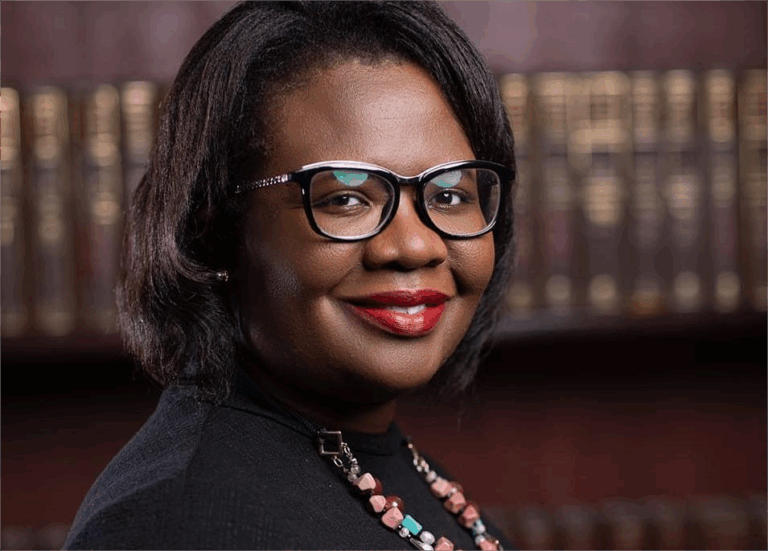
Linda Kasonde Demands Resignation of Bill 7 Committee for Operating Illegally
The call for resignation comes at a time when Zambia is grappling with significant constitutional changes. The implications of such amendments affect not just the political landscape, but also the social fabric of the nation. Citizens are increasingly aware of their rights and are demanding a more participatory approach to governance.
Prominent lawyer Linda Kasonde has called for the immediate resignation of members of the Technical Committee on Constitutional Amendment, accusing the body of operating illegally and in defiance of a Constitutional Court judgment.
Kasonde’s concerns are echoed by various legal experts who advocate for transparency in the constitutional amendment process. They argue that a lack of consultation could lead to legal challenges and public unrest, as seen in previous attempts to amend the constitution.
Speaking on Hot FM Radio, Kasonde said the committee’s work on the controversial Bill 7 was fundamentally flawed from inception. She argued that President Hakainde Hichilema’s appointment of the team without a clear legal framework or proper consultation had thrown the process into disrepute.
During her appearance on the radio, Kasonde emphasized the importance of public participation in constitutional matters. She suggested that proper forums should be established where citizens can voice their opinions and concerns without fear of retribution.
“This Technical Committee should never have been set up in this manner,” she said. “Its formation contravenes the law, and the only honourable thing for its members to do is resign immediately and abandon this illegal process.”
Kasonde’s statement highlights the need for a comprehensive evaluation of the committee’s mandate. Legal analysts note that any process perceived as illegitimate could lead to a lack of trust in governing institutions.
Kasonde explained that the committee’s terms of reference limited genuine consultation and failed to align with the constitutional principles of participation and transparency. “It is not in the best interest of the people of Zambia,” she said. “You cannot claim to collect views nationwide in just ten days. That is not consultation; that is imposition.”
In the context of Zambia’s history, constitutional amendments have often been contentious. The previous administration faced backlash for similar reasons, where citizens felt sidelined in crucial national decisions. Kasonde’s critique serves as a reminder of these past failures.
She said the government appeared to be dictating the direction of constitutional reform rather than facilitating citizen input. “The process is neither democratic nor participatory. It actually goes against the spirit of the Constitutional Court’s earlier ruling on how constitutional amendments must be handled,” she observed.
She reiterated that genuine constitutional reform requires more than just the appearance of inclusivity; it demands actual engagement with the populace. “Democracy thrives on dialogue,” she stated, implying that the current proceedings lack this essential element.
According to Kasonde, the short timeframe given to the committee was “impossible” and demonstrated that the exercise was a mere formality. “You cannot tour an entire country, receive submissions, analyse them, and compile a credible report within a month,” she said.
Kasonde stressed that every citizen has a role to play in shaping the nation’s constitution. Workshops, community meetings, and online platforms could facilitate broader discussions and ensure diverse viewpoints are considered.
She also criticised what she described as the government’s failure to obey court orders, saying both the Executive and the Legislature were undermining judicial authority. “We now have a national constitutional crisis,” Kasonde warned. “The Executive refuses to comply with a court order, and even the Speaker of the National Assembly disregards the Constitutional Court’s decision. That is dangerous for any democracy.”
The critique of the government’s approach raises questions about accountability. Citizens must hold their leaders to higher standards, ensuring that their voices are not only heard but also actively sought out in the decision-making process.
Kasonde said the Technical Committee’s existence ignored fundamental legal requirements established by the court after the collapse of Bill 10 under the previous administration. “The court set clear limits on how such a committee could be constituted and what its mandate should be. Those guidelines have been ignored,” she said.
Legal experts have warned that failure to adhere to constitutional protocols can lead to significant repercussions, including international scrutiny. Kasonde’s remarks resonate with those advocating for a more structured approach to governance.
She added that the rushed process risked producing a defective Constitution. “What we are witnessing under the United Party for National Development is not a healthy democracy,” she said. “It is the same command-style approach that Zambians rejected before.”
The potential for a defective Constitution not only jeopardizes current governance but also sets a dangerous precedent for future administrations. Kasonde’s call for a transparent process aligns with best practices observed in countries that successfully navigated constitutional reforms.
The lawyer appealed to citizens to demand accountability from the state. “We cannot afford to play politics with the Constitution. It is the supreme law that governs us all,” she said.
In her appeal to the public, Kasonde underscored the necessity for citizens to engage with their representatives. “We must be proactive,” she urged, advocating for citizens to demand meetings with their elected officials to discuss the implications of Bill 7.
Her remarks came amid growing concern from civil-society organisations and opposition parties who argue that the new Bill 7 process is designed to consolidate political control rather than strengthen governance.
Concerns from civil society organizations about the integrity of the amendment process have intensified. Activists emphasize the necessity of public forums where citizens can express their views and concerns about Bill 7 without fear of repercussions.
Kasonde concluded that only a fresh, transparent, and inclusive process could restore public confidence. “We need to start again — legally, openly, and with full participation of every Zambian. Anything less than that is unconstitutional.”
Kasonde’s conclusion serves as a rallying cry for Zambians to reclaim their agency in shaping the Constitution. The focus must shift towards a process that honors the voices of all Zambians, ensuring that any amendments, including those proposed in Bill 7, reflect the will of the people.