Monday, June 8, 2026
14 C
Lusaka
Home Blog Page 31

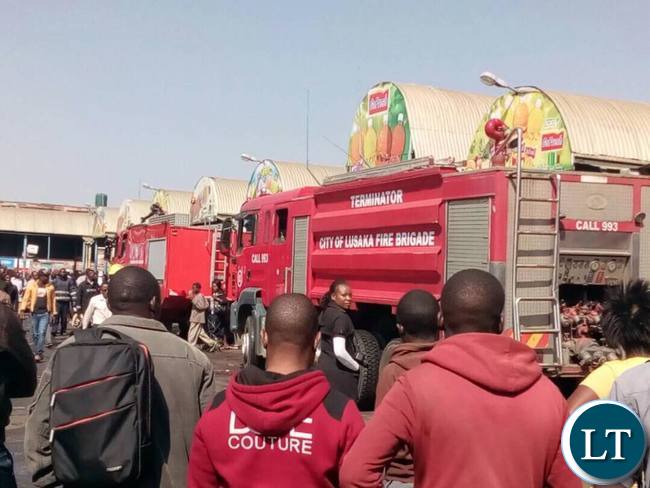
Fire Destroys Businesses at New Soweto Market

Several traders at New Soweto Market suffered losses in the early hours of today after a fire destroyed a number of businesses near Namununga School opposite the market.

The fire reportedly broke out around 03:00 hours and destroyed three makeshift restaurants and an electronics shop.

According to Police spokesperson Godfrey Chilabi, security guards on duty at the market first noticed smoke and flames coming from one of the restaurants before alerting the police.

Police officers, together with the Lusaka City Council Fire Brigade, responded to the scene in an effort to prevent the fire from spreading to nearby structures.

The fire was eventually brought under control around 04:30 hours, but several traders had already lost their businesses.

Mr. Chilabi said preliminary investigations show that the fire destroyed three makeshift restaurants and one electronics shop.

No injuries or fatalities were recorded during the incident.

Police have not yet established the cause of the fire, and the value of the damaged property is still being assessed.

Investigations into the incident are currently underway.

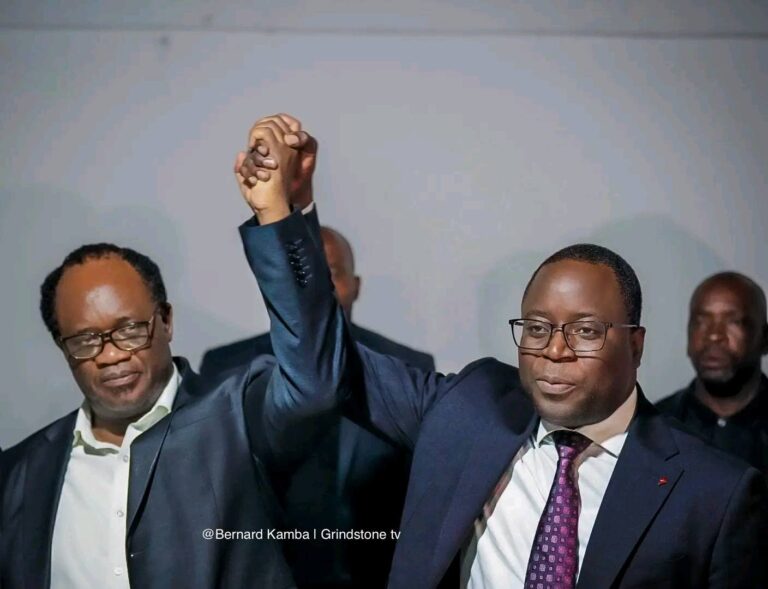
Tonse Alliance and PF/Pamodzi Alliance Announce Merger Ahead of 2026 Elections

The Tonse Alliance led by Brian Mundubile and the PF/Pamodzi Alliance associated with Makebi Zulu have officially announced a merger ahead of the August 13 general elections.

The announcement was made during a joint press briefing held yesterday, following months of discussions and calls from supporters for opposition unity.

Speaking at the event, Mr. Mundubile said the opposition could no longer delay efforts to unite, citing what he described as political and economic challenges facing the country.

He stated that members of the public, including marketeers, bus drivers, youths, students and church leaders, had been calling on opposition political parties to work together.

Mr. Mundubile said discussions between the two camps had been ongoing for some time and stressed that the merger was a collective agreement involving leaders from both sides.

“This is not just between Brian Mundubile and Makebi Zulu. All the leaders are coming together and from today we are existing as one,” he said.

Meanwhile, Mr. Zulu said the decision to unite was made in the interest of national unity and the future of the country.

Before addressing supporters, he called for a moment of silence in honour of former President Edgar Lungu, whom he described as an inspiration behind the spirit of unity within the alliance.

Mr. Zulu accused the United Party for National Development administration of failing to address governance and economic concerns, and said the opposition had resolved to work together to offer an alternative direction for the country.

He further stated that the alliance would field joint candidates in constituencies to avoid competing against one another during the 2026 elections.

The newly merged grouping has adopted the name Tonse-Pamodzi Alliance and announced that future political campaigns, mobilisation activities and party programmes would be conducted jointly.

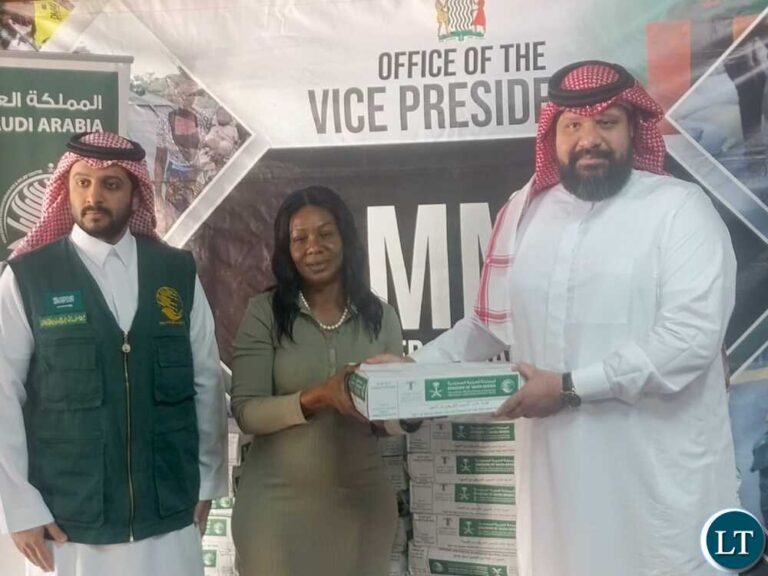
Saudi Arabia Donates Dates to Support Flood Victims in Zambia

The Government of Zambia has received 25 metric tonnes of palm dates worth approximately K700,000 from the Kingdom of Saudi Arabia to assist households affected by flooding across the country.

Speaking during the handover ceremony, Permanent Secretary for Resettlement Mavis Nkomeshya said the donation demonstrates international solidarity during times of disaster and will support ongoing relief efforts in affected communities.

Ms. Nkomeshya stated that the 25 tonnes of dates are expected to benefit vulnerable groups through continued social support programmes.

She added that the Government, under the leadership of President Hakainde Hichilema, remains committed to responding quickly to natural disasters and ensuring that affected communities receive timely assistance.

Meanwhile, Head of Media at the Saudi Arabian Embassy in Zambia, Ahmed Abdou, said the donation reflects the long-standing relationship between Saudi Arabia and Zambia, which continues to strengthen through cooperation and mutual respect in various sector

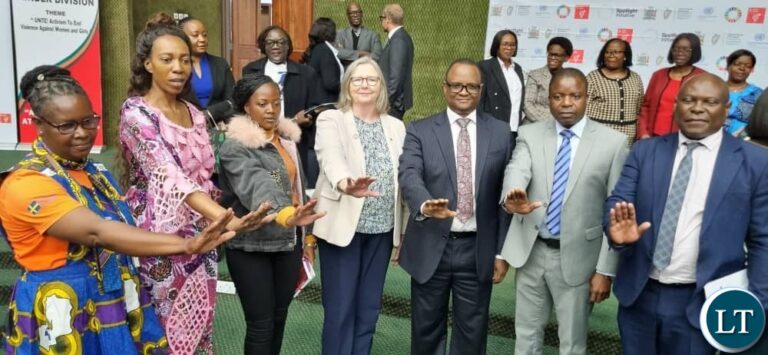
Government committed to eliminate GBV

Acting Isoka District Administrative Officer, Sara Sooli, says government remains committed to eliminating Gender-Based Violence (GBV) through strengthened community interventions and stakeholder collaborations.

‎Ms Sooli said this during a meeting to formulate the Isoka District Gender Division Sub-Committee Constitution held at the Fisheries and Livestock Boardroom in Isoka District.

‎She said government has continued to put in place social support systems aimed at assisting survivors of GBV with counseling services and legal support.

‎The acting DAO emphasised the need for increased awareness and education in communities, stating that collective efforts are key in curbing GBV.

‎And Isoka District Gender Division Sub-Committee Chairperson, Muchana Muchana, said the committee has intensified efforts to fight GBV in the district through improved coordination among stakeholders.

‎Mr Muchana said the newly constituted sub-committee will strengthen response mechanisms and ensure GBV cases are effectively handled within communities.

‎He further urged stakeholders to take an active role in reporting cases of abuse and supporting victims, adding that ending GBV requires collective responsibility.

‎Mr Muchana also called on traditional leaders, civic leaders and community members to continue working together in promoting a safe and violence-free society.

Two minors allegedly Defiled in Lunte and Mporokoso

Two minors have been defiled in separate incidences in Northern Province.

In a press release made available to the media in Kasama, Northern Province Police Deputy Commanding Officer Charles Mbita, said the first incidence involves a 15-year-old girl in Lunte District while the other involves a 12-year-old mentally challenged girl in Mporokoso District.

Dr Mbita, says the first case was reported on May 12, 2026, around 15:50 hours, and is believed to have occurred between January and March this year.

Dr Mbita explained that the victim was allegedly defiled by two individuals, a juvenile aged 15 and a male adult aged 20, both from the same village.

He said the matter came to light when the girl’s parents noticed signs of pregnancy in March.

The Northern Province Police Deputy Commanding Officer revealed that medical tests conducted on girl in April confirmed she was three months pregnant.

He said upon questioning, the victim disclosed that she had been sexually abused on separate occasions by the two suspects.

Dr Mbita said both suspects admitted to the offence when confronted by the family and were later handed over to police.

The two were currently in custody awaiting formal charges.

He added that medical examinations have been conducted and statements recorded from the victim, guardians, and witnesses.

In the second case, Dr, Mbita said police in Mporokoso district received a report on May 12, 2026, around 16:30 hours, concerning the defilement of a 12-year-old girl described as mentally challenged.

He explained that the offence was believed to have occurred between May 3 and May 6, 2026, when the victim and her sibling were left in the care of a male neighbour, who was a close family friend, while their parents visited relatives.

Dr Mbita said the victim later disclosed that she had been sexually abused by the caretaker.

He said the suspect fled after the matter was reported, and police have since launched a manhunt.

He added that the victim has undergone medical examination and statements have been collected from witnesses.

Dr Mbita has sternly warned perpetrators of sexual offences against children and vulnerable persons that such conduct will not be tolerated.

“Defilement is a serious criminal offence punishable by law, and offenders will be pursued, arrested, and prosecuted without compromise,” he said.

He reaffirmed the Zambia Police Service’s commitment to protecting children and vulnerable groups, stressing that such acts will be dealt with in accordance with the law.

Mineworkers Union of Zambia calls for peaceful campaigns

6

The Mineworkers Union of Zambia (MUZ) has called on political parties and their supporters to conduct peaceful campaigns ahead of the August General Elections.

Speaking in an interview, MUZ president Joseph Chewe described the 2026 General Election as a crucial moment for the country as citizens prepare to elect councillors, Members of Parliament, and the Republican President.

Mr Chewe urged political parties participating in the elections to spread messages of peace, love, and unity among their supporters throughout the campaign period.

The Union leader said Zambia’s peace and stability should remain a priority before, during, and after the elections, adding that citizens must exercise their democratic right to vote responsibly.

He further warned against electoral violence, noting that conflicts during elections often negatively affect innocent citizens, especially children and vulnerable communities.

The Union president also appealed to all stakeholders to safeguard the country’s democratic values by ensuring that campaigns and voting processes are conducted in a peaceful environment.

And the Union leader has since encouraged citizens to remain united, emphasising the importance of upholding the spirit of “One Zambia, One Nation.”

Zambia’s digital ID ecosystem takes centre stage at id4Africa 2026 conference

0

Zambia’s digital transformation towards a secure, inclusive, and government wide digital identity system has become a standout story at the ID4Africa 2026 conference with Smart Zambia National Coordinator, Percy Chinyama, detailing the country’s progress before an international audience of policymakers, technologists, and development partners.

Speaking during a high level panel discussion on Digital IDs, Mr Chinyama explained that while Zambia has experimented with various identity interventions over the years, none achieved lasting success until the government adopted a coordinated ecosystem approach backed by the World Bank.

“The identity story in Zambia started a long time ago. It is clear that those interventions have never come to full fruition until recently, thanks to the World Bank, which has supported us with the needed resources,” he said.

Mr Chinyama stressed that a useful identity system cannot be built in silos as it requires an inclusive ecosystem that brings together all key stakeholders.

He revealed that the Zambian government has now unified its critical institutions under a common governance framework, including the Department of National Registration under the Ministry of Home Affairs and Internal Security, the Ministry of Technology and Science, and the SMART Zambia Institute, to ensure a single, coherent digital direction.

“It is clear that for an identity system to be useful, we have to create an ecosystem. Those past interventions were progressive and valid in their time, but now we have to bring everybody together,” he added.

Mr Chinyama noted that the new governance structure eliminates duplication, enhances data sharing within legal boundaries, and builds public trust through transparency and privacy protection.

He further highlighted that Zambia’s digital identity infrastructure is designed not only for civil registration but also to enable seamless access to financial services, healthcare, social protection, and e government platforms.

The four day ID4Africa 2026 conference, running from 12th to 15th May 2026 in Abidjan, is being held under the theme: “Digital Identity: From DPI (Digital Public Infrastructure) to Digital Public Ecosystems.”

The event gathers movement members, government leaders, technical experts, and development partners from across the continent to share best practices and accelerate responsible digital identity implementation in Africa.

Zambia’s participation at ID4Africa 2026 shows its commitment to the digital public infrastructure agenda and positions the country as a model for integrated, inclusive, and sustainable digital identity systems in the region.

Veteran MPs, avoid the Waterloo; give chance to others!

9

By Prince Bill M. Kaping’a

One of our attributes or weaknesses in our political engagements is obviously the ability to call a spade a spade, and not otherwise! This has of course won us a few enemies in political circles as politicians would rather hearken to praises about them as opposed to the naked truth.

A while back, we produced an article titled, “Heed the President’s counsel; read the signs and retreat…”

In the same offering, we besseched long serving UPND MPs to heed the President’s counsel and give chance to fresh blood. During the funeral service for the late Local Government Service Commission Chairman, Ackson Sejani, who also happened to be former Local Government Minister in the MMD regime, at the Anglican Cathedral of the Holy Cross August 5, 2025, President Hichilema advised his long serving MPs to emulate Sejani by reading the signs and passing on the baton.

To the uninitiated, when Sejane realised that the conditions did not favour him to retain his seat in Mapatizya constituency, he willingly stepped aside to allow for the injection of new blood.

So far, Mwinilunga MP Newton Samakai and his Ikeleng’i counterpart, Elijah Julaki Muchima have heed the call and informed the nation they won’t be recontesting their seats, respectively, opting instead to campaign for the President. The grapevine equally has it the Mazabuka Central MP, Gary Nkombo won’t be running again……kudos to him if this indeed happens to be true!

To cut the long story short, this article has been motivated by the primary election results trickling in from Monze East constituency where Jack Mwiimbu, the Minister of Internal Affairs & Security is the incumbent. Hon. Mwiimbu has literally been rejected in his constituency…..at times accumulating zeros in certain wards! Consider the results hereunder:

Monze East Constituency MP Ward results

1. Chisekese Ward :

– Victor Cheelo 44
– Jack Mwiimbu 0

2. Singonya Ward:

– Victor Cheelo 35
– Jack Mwiimbu 5

3. Chipembele ward :

– Victor Cheelo 36
– Jack Mwiimbu 8

4. ⁠Ufwenuka ward :

– Victor Cheelo 23
– Jack Mwiimbu 18

5. ⁠Mayaba ward:

– Victor Cheelo 0
– Jack Mwiimbu 30

6. ⁠Manungu ward:

– Victor Cheelo 10
– Jack Mwiimbu 19 Chibbabbuka 11

Total:
Victor Cheelo 149
Jack Mwiimbu: 80
Chibbabbuka : 11

If you’re a Jack Mwiimbu supporter, would you still encourage him to go for it? Aikona man! If you really love the man interpret the situation to him as it obtaining ‘pa ground.’ Let the man concentrate on campaigning for the President; he can still be nominated as MP considering his vast experience and knowledge.

Divisions Reported in FDD Over Adoption Process

Divisions have reportedly emerged within the Forum for Democracy and Development, with provincial leaders from six provinces expressing concern over the party’s adoption process within the Tonse Alliance.

Copperbelt Provincial Chairperson Smart Lungu said provincial leaders are concerned that the team led by Tonse Alliance leader Brian Mundubile is sidelining them during the adoption process.

Addressing a press briefing in Lusaka, Mr. Lungu stated that provincial leadership structures were not being adequately consulted while the party was allegedly being used as a special purpose vehicle.

He added that provincial leaders would not allow new alliance affiliates to take over the affairs of the party without consultation.

However, FDD Secretary General Nathan Mulonga dismissed the allegations, saying the party’s adoption meetings are only expected to begin tomorrow and that no members have been excluded from the process.

Mr. Mulonga further assured party members that the FDD is being treated fairly within the alliance and stated that members are expected to compete through the lower party organs during the adoption process.

Zambia US strengthen trade investment cooperation

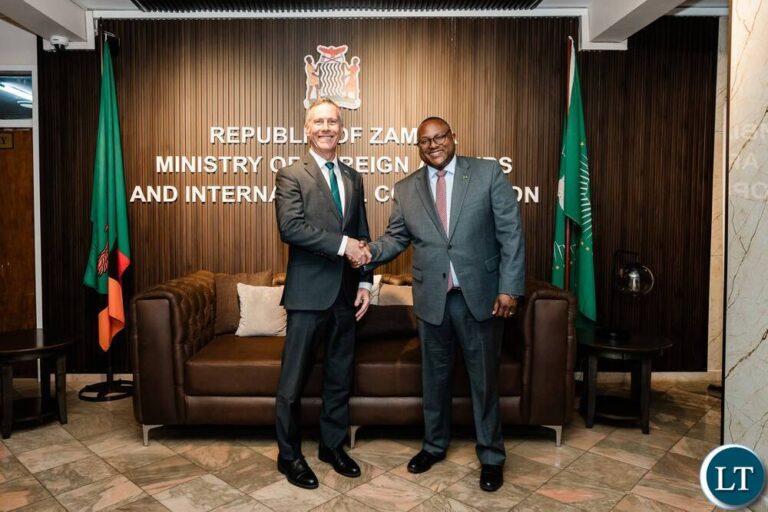
Zambia and the United States have reaffirmed their commitment to deepen cooperation in trade, investment and private sector led projects.

Minister of Foreign Affairs and International Cooperation, Mulambo Haimbe said the country wanted to anchor all the relations with international partners on key principles as the country shifts from debt restructuring to a growth phase.

Mr Haimbe was speaking during a courtesy call by Mr Mich Coker Charge d’Affairs   at The United States of America Embassy in Lusaka.

He added that the focus is growth and the country will grow with partners in various sectors such as trade, investment and people to people perspectives.

The minister highlighted the Mingomba mining project as an important indication of the direction in which the relationship is going citing that Zambia wants more tangible investments and more tangible evidence of strong ties.

“Mingomba will be probably the biggest mining asset in the country and will contribute significantly to our target of 3 million metric tonnes by 2031,” Mr Haimbe said.

He added that the project shows the role of private sector participation in driving bilateral economic cooperation.

He also noted that several agreements between the two countries are pending conclusion and expressed confidence that both sides will work together.

Mr Haimbe traced Zambia-U.S. relations to 1964, when the U.S. became the second country after the U.K. to establish diplomatic ties with Zambia.

He said the partnership has endured on the basis of shared values and mutual respect.

“The headline message today is that we continue to be strong partners and we have always been strong partners, and the relations can only grow from strength to strength,” he said.

He said the ministry would continue working closely with the U.S. embassy until a new portfolio holder is appointed.

“We do anticipate that as you take up this new role, we also improve the communication between us so that we are more effective in our engagements,” he said.

Mr Coker, said he was honoured by the welcome he has received in the country.

Mr Coker referenced President Hichilema’s remarks at the April 29th Chililabombwe Mingomba groundbreaking, citing that leadership may change and U.S – Zambia will remain strong.

Government Amends Public Gathering Bill Following Public Concerns

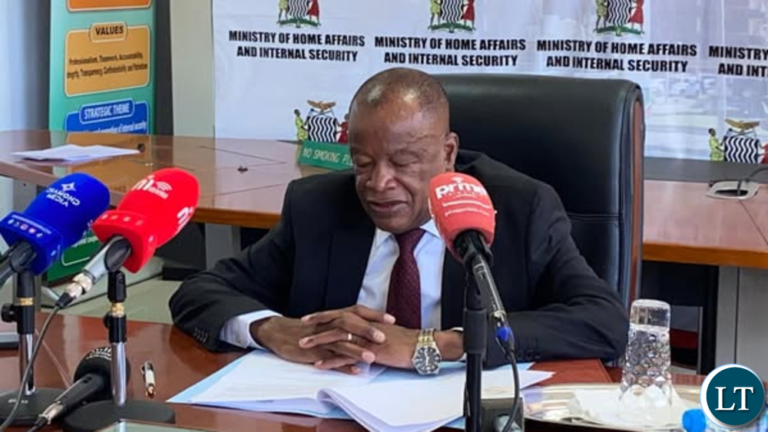
Home Affairs and Internal Security Minister Jack Mwiimbu has announced amendments to the Public Gatherings Bill after concerns were raised by members of the public over the proposed definition of a public gathering.

Speaking before Parliament adjourned sine die, Mr. Mwiimbu said the government had listened to public submissions and revised the number of people required to constitute a public gathering from three to seven under the newly passed Public Gatherings Bill of 2026.

The National Assembly has approved the Bill, which seeks to repeal and replace the Public Order Act of 1955.

Mr. Mwiimbu dismissed claims that the government was introducing a new requirement by classifying meetings of three people as public gatherings, stating that the provision already existed under the current Public Order Act.

He said the amendment followed concerns expressed by citizens and stakeholders.

“Our definition of public gathering means an assembly, meeting, procession, demonstration or event of seven or more persons convened for a political, social, religious, civic or other public purpose,” he explained.

According to Mr. Mwiimbu, the Bill was developed with input from more than 100 stakeholder organisations and aims to align public order laws with constitutional rights by replacing the permission-based system with a notification system.

He added that once assented to by President Hakainde Hichilema, the Public Gatherings Act will regulate public meetings, protests, political rallies and demonstrations.

The Public Order Act of 1955 has for many years faced criticism from opposition political parties, civil society organisations and human rights groups, who argued that it restricted freedom of assembly.

Mr. Mwiimbu said the new law would promote constitutional freedoms while also strengthening public order and accountability among law enforcement officers.

The legislation also introduces accountability measures for police officers accused of abusing their authority.

Under the proposed law, all citizens, including government officials, will be required to notify police before holding public gatherings during election periods.

However, the restrictions will not apply to meetings involving the President, Vice President, Speaker and Deputy Speakers of the National Assembly, ministers, Members of Parliament, mayors and councillors carrying out official duties within their constituencies or wards.

Exemptions will also apply to public officers performing government functions, religious services held at registered places of worship, funerals, traditional ceremonies and weddings.

Indoor meetings organised by registered companies, NGOs, trade unions and political parties to discuss internal affairs are also excluded from the provisions of the law.

The legislation further excludes meetings convened for lawful State institution purposes.

However, immunity granted to presiding officers, ministers and local representatives will not apply during election campaigns, the voting period or after the dissolution of Parliament.

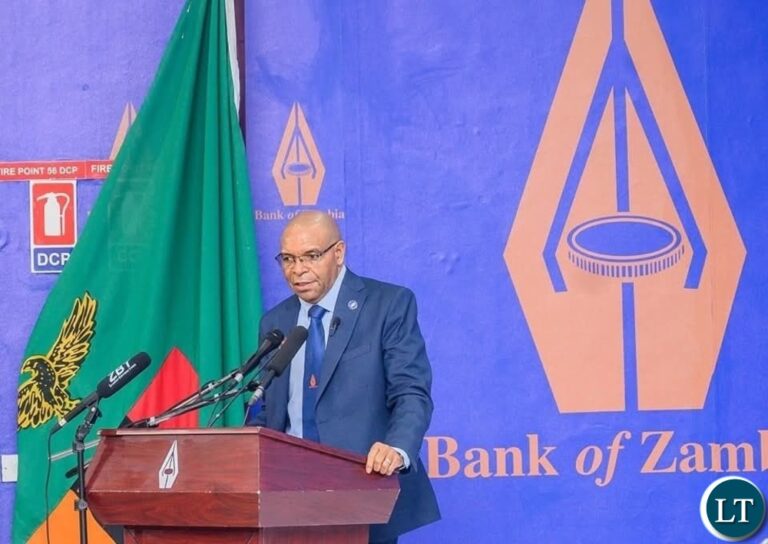
BOZ cuts monetary policy rate to 13.25

The Bank of Zambia (BOZ)’s Monetary Policy Committee (MPC), has reduced the monetary policy rate by 25 basis points, from 13.5 percent to 13.25 percent following a meeting held from 11 to 12 May 2026.

Bank of Zambia Governor Denny Kalyalya explained that the committee considered several factors in making this decision, including the stability of the kwacha against the U.S. dollar, the expected maize harvest for the current crop marketing season, and the uncertainties stemming from the ongoing Middle East conflict.

Dr Kalyalya made these remarks today during a press briefing, citing that these considerations led to a careful approach in adjusting the policy rate.

He highlighted the favourable prospects for the current crop season, citing expectations of a bumper maize harvest that is likely to foster food security and curb inflation pressures in the country.

Dr Kalyalya also expressed that the committee also noted the relative stability of the Kwacha against the US dollar, which he said had contributed to a more predictable inflation outlook.

He highlighted that the country’s Inflation has shown remarkable improvement, from 11.2 percent in December 2025 to 7.1 percent by March 2026, which reduced furthermore to 6.8 percent in April within the central bank’s targeted range of 6-8 percent.

ZANIS reports that the MPC projects inflation to remain within the target band, with an average of 6.8 percent for 2026 slightly below the previous forecast of 6.9 percent.

“For 2027, inflation is expected to further decline to around 6.1 percent before edging up to approximately 6.6 percent in early 2028. These projections are supported by anticipated continued exchange rate stability and lower maize prices due to the favourable harvest,”

“While the positive outlook for maize and exchange rates supports a lower inflation trajectory, the geopolitical uncertainties and climate risks necessitate a cautious approach,” he emphasised.

The Committee further reaffirmed that future monetary policy decisions will continue to be data-driven, closely monitored against inflation outcomes, forecasts, and risks.

The next MPC meeting is scheduled to take place on September 28 and 29, 2026.

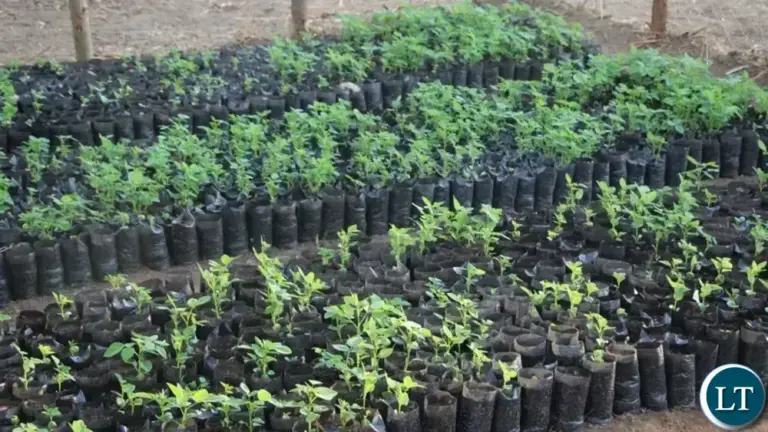
Agroforestry knowledge key to climate resilience-RCJ

Restoration for Community Justice (RCJ) has identified the advancement of agroforestry “know-how” as a critical strategy for enhancing climate adaptation and ensuring long-term food security in Kanchibiya District.

RCJ Chief Executive Officer, Mathews Mulenga, says while traditional agroforestry remains a staple of current farming systems, there is an urgent need to transition toward modern practices to maintain productivity amidst a rapidly changing climate.

Mr Mulenga explained that modern agroforestry goes beyond simple tree planting, as it actively sequesters carbon, protects fragile soils, and maintains the biodiversity necessary for a healthy ecosystem.

“Modern agroforestry is the anchor for food security in our changing communities. It allows for productive agricultural systems that can withstand the global landscape of climate change through better crop protection and more resilient food systems,” Mr Mulenga said.

He emphasized that for agroforestry to be successful in Kanchibiya, it must be “farmer-friendly,” necessitating policies that address land ownership, intergenerational equity, and access to digital technology.

 He noted that translating scientific research into practical, on-farm know-how is the only way to reconcile agriculture with nature.

“We need to focus on ecosystem services such as water harvesting and soil restoration. Whether it is lowland or mountain agroforestry, the goal is to create business models that improve the quality of life for our local farmers while mitigating climate impacts,” he added.

Meanwhile, Kanchibiya District Forestry Officer, Samson Zimba, noted that the district’s diverse landscape, spanning from floodplains to mountainous regions, is ideal for intensive ecosystem management through agroforestry.

Mr Zimba observed that there was a significant opportunity to manage traditional systems more effectively, particularly in the mountainous areas of Kanchibiya, to ensure they remained productive for future generations.

“Agroforestry is a natural solution to many of the environmental challenges we face. By integrating trees into our farmlands, we are effectively cooling the landscape and creating a more stable environment for our crops and livestock to thrive,” Mr Zimba stated.

He further noted that the Forestry Department was eager to work with stakeholders to boost the technical capacity of farmers, ensuring they understood how to design agroforestry systems such as fodder hedges and soil-amending tree rows that provide immediate benefits to their yields.

RCJ and the Forestry Department are advocating for a landscape-wide adoption of these practices to safeguard Kanchibiya’s agricultural future and contribute to the national green economy agenda.

Mining sector shows continued growth-Kabuswe

1

Minister of Mines and Minerals Development Paul Kabuswe says Zambia’s mining sector has continued recording positive growth, with copper production from large scale mines increasing from 195,418.89 metric tonnes in the first quarter of 2025 to 198,930 metric tonnes during the corresponding period in 2026.

Speaking during a media briefing on the performance of the mining sector for the first quarter of 2026 in Lusaka today, Mr Kabuswe says the sector’s performance reflects an increased investor confidence, with ongoing mine recapitalisation programmes, expansion projects and the positive impact of government policy reforms implemented under President Hakainde Hichilema.

Mr Kabuswe disclosed that while overall copper production declined by 4.27 percent from 218,308 metric tonnes recorded during the first quarter of 2025 to 208,992 metric tonnes in the same period this year, large-scale mining operations registered positive growth.

He explained that the growth is attributed to the ongoing investments, mine expansion projects, improved operational efficiencies and government’s efforts to provide a stable and conducive environment for mining operations.

Mr Kabuswe highlighted that Lumwana Mining Company recorded a 19.2 percent increase in copper production due to improved mining fleet capacity, enhanced operational efficiencies and increased budgetary support.

He further cited that Konkola Copper Mines posted a 22.02 percent increase in output, while Mopani Copper Mines registered a 4.39 percent rise in production during the period under review.

Furthermore, Mr Kabuswe stressed that Kansanshi Mining Plc recorded a 4.25 percent decline in production due to lower ore grades processed during the quarter.

He added that Non-Ferrous China Africa also experienced a 10.51 percent reduction in production following the temporary placement of the South East Ore body under care and maintenance between July and December 2025.

Mr Kabuswe expressed that cobalt production increased by 9.15 percent, while nickel production rose significantly by 142.75 percent during the first quarter of 2026.

He also revealed that emerald production increased by 241.41 percent, while coal production rose by 36.32 percent and cement production increased by 8.31 percent.

Solwezi General Hospital renovations advances

0

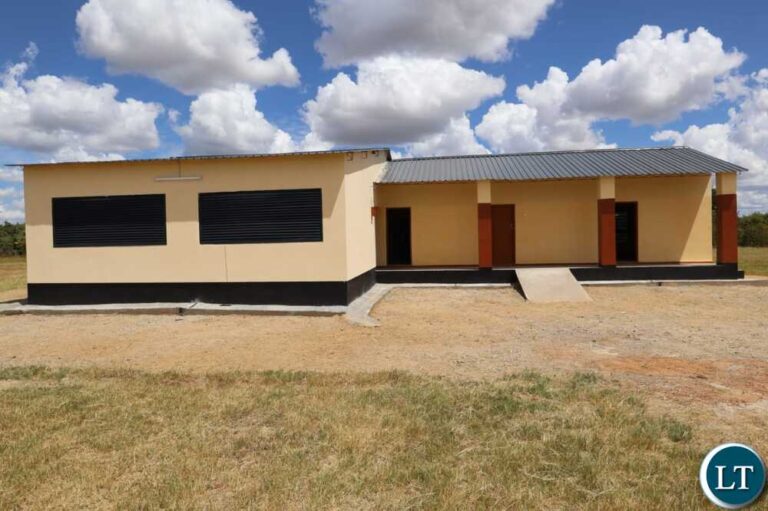
Phase One renovation works at Solwezi General Hospital have gained momentum, with three inpatient wards now complete and handed over.

In an exclusive interview with the media in Solwezi today, Senior Medical Superintendent, Kitanda Sondashi, says three out of the six wards earmarked for renovation have been fully completed and are already in use.

Dr Kitanda Sondashi notes that the development has greatly improved the hospital environment and enhanced service delivery.

He has since thanked the government for the ongoing renovation works at the health facility.

“These renovation works commenced in January 2024, and these are massive works. We are talking about the renovation of our six wards and the support departments that include the Intensive Care Unit, Emergency and Theater,” he said.

He said three wards including the children’s ward, Zambezi and Kabompo which he said was currently being used as a high cost ward after the actual one developed cracks.

Dr Sondashi has also provided updates on the remaining works.

“What remains to be done is the laundry department and mortuary. Progress has been made in terms of renovation works and we just want to implore the two contractors Midil Construction Limited Builders Village to speed up the works so that the entire project is completed,” he said.

Meanwhile, he said the highest referral public hospital in North-Western Province has also received state-of-the-art digital medical equipment aimed at improving diagnosis and treatment of patients.

“The Radiology department has received a state-of-the-art digital X-ray machine which is already mounted. We have also received a CT Scan machine, one of its kind for the first time that we are seeing such a piece of equipment in our province. The Ministry of Health has scored,” he added.

He said the Hospital is yet to receive the Magnetic Resonance Imaging (MRI) Machine.

And Solwezi General Hospital Senior Radiographer, Carol Nonde, added that the equipment has played a critical role in improving service delivery and reducing referral cases to the University Teaching.

“People used to suffer and cover long distances to Lusaka in search of health services that we could not offer previously due to lack of modern medical equipment’s but we are now privileged to have all this equipment able to help us diagnose and treat patients within our Province and we commend government for that, “she said.

Dr Sondashi has also appealed to the government to consider expanding the hospital infrastructure in order to match the demands of the growing population in the Province.

“Our patient load has increased tremendously and so we are appealing to the government to consider expanding this hospital to enable us to contain the number of patients that are coming to our facility. We are really facing serious challenges of space at this hospital, “he said.