Tuesday, June 16, 2026
17.7 C
Lusaka
Home Blog Page 32

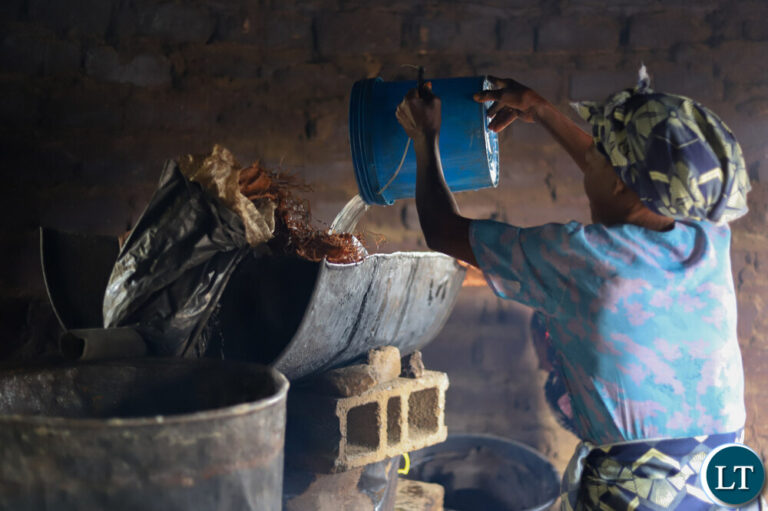
Choma Illicit Alcohol Death Toll Rises to 29

The death toll from suspected alcohol poisoning linked to illicit brews in Choma District has risen to 29, according to district authorities.

Funds Mubele confirmed that the district has recorded 56 cases since the outbreak began last week, with eight patients currently admitted to Choma General Hospital for treatment.

Mubele said investigations have established that the illicit alcoholic beverages, commonly known as Gwala, Kachasu and Chijabbo, contain methanol, a highly toxic chemical that poses a serious threat to human life.

He disclosed that the District Administration, law enforcement agencies and other stakeholders have intensified surveillance, investigations and community sensitisation programmes aimed at identifying and shutting down illegal brewing and distribution points.

The District Commissioner has also urged members of the public to avoid consuming illicit alcohol and to report suspected illegal brewing activities to the relevant authorities in order to prevent further loss of life.

20 Suspects in Custody Over Alleged Attack on Gary Nkombo

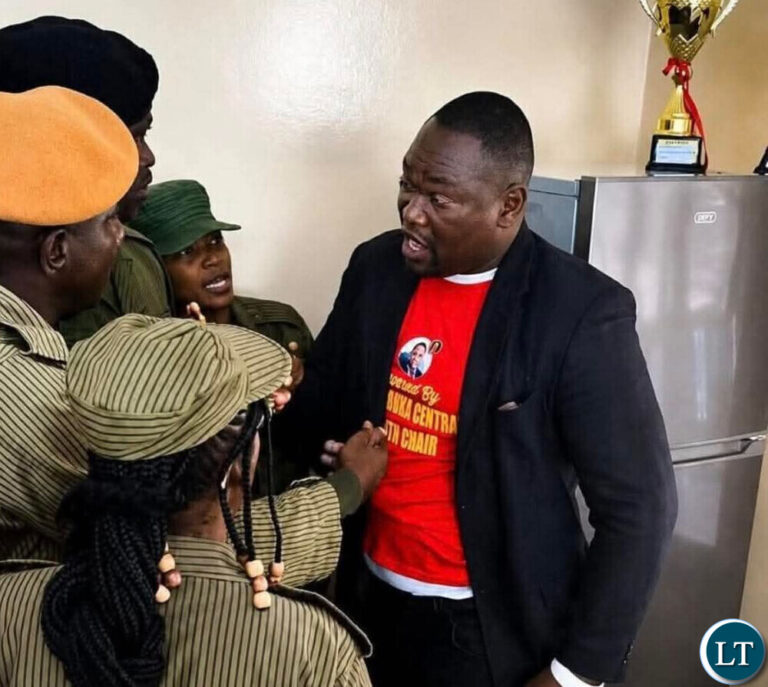
Police in Mazabuka have apprehended 20 people in connection with the alleged assault of former Mazabuka Member of Parliament Gary Nkombo.

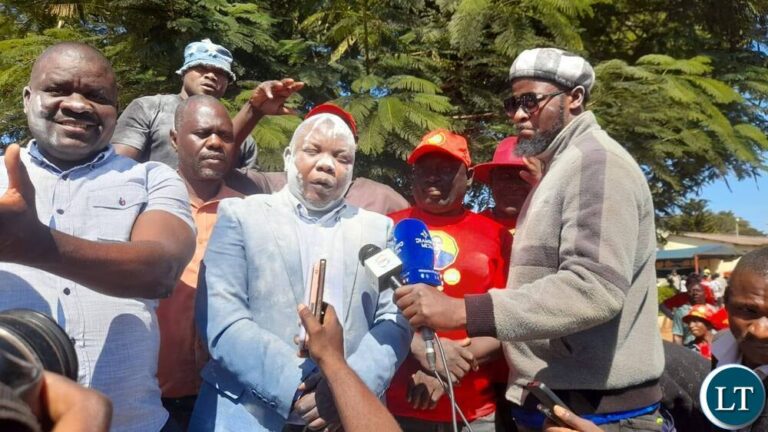
The suspects, believed to be political cadres, allegedly attacked Nkombo when he went to file his nomination papers as an independent parliamentary candidate ahead of the August 13 general elections.

Speaking during a media briefing in Mazabuka, Moono Namalongo confirmed that the 20 suspects had been taken into custody and were assisting police with investigations.

Namalongo said police were treating the matter seriously and would continue to enforce law and order during the electoral period.

The commissioner further warned that law enforcement officers would remain vigilant throughout the election process to ensure peace and security are maintained before, during and after the polls.

The arrests come after Nkombo successfully filed his nomination as an independent candidate despite reports of disturbances at the nomination venue. Following the filing process, he was later admitted to Mazabuka District Hospital after reportedly developing high blood pressure and sustaining injuries during the incident.

Four candidates file in nominations for Mpika North

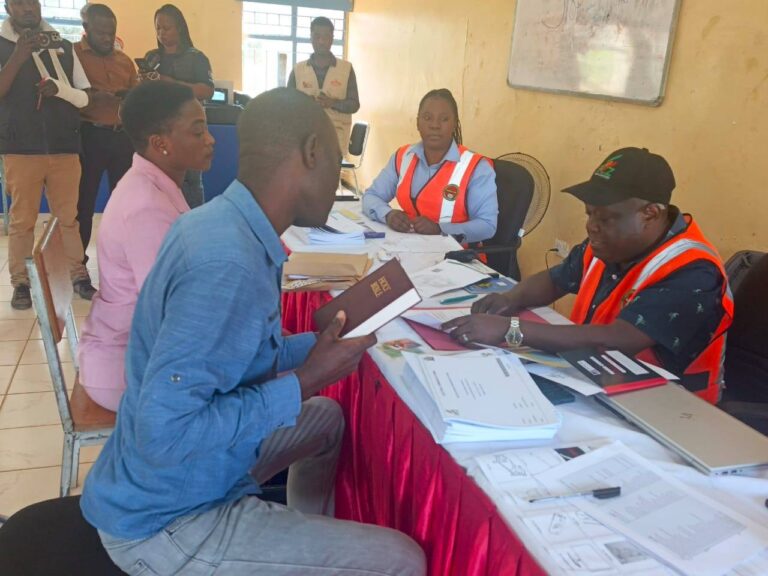
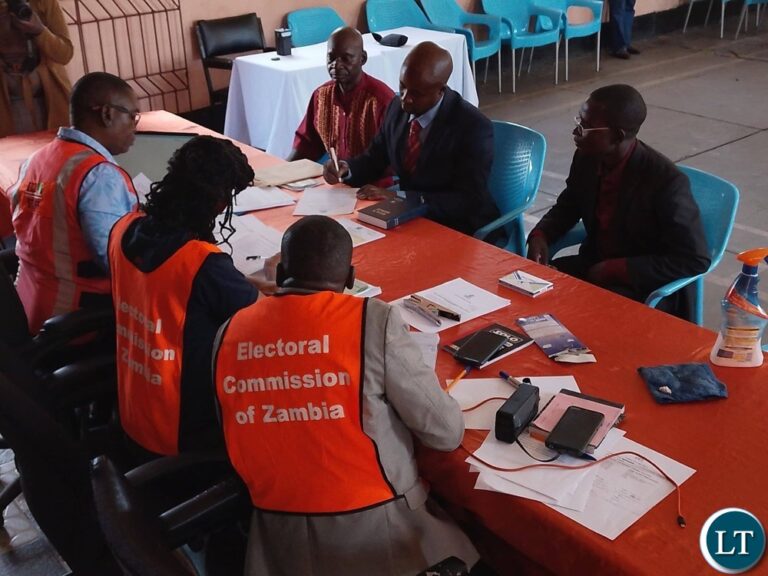
Four candidates successfully filed in their nomination papers to contest for the Mpika North Parliamentary seat in Muchinga Province ahead of the forthcoming general elections.

And Mpika District Electoral Officer, Samuel Musenga has warned that any political party or candidate found violating Electoral Commission of Zambia (ECZ) guidelines risks being penalised or disqualified from participating in the election.

Mr Musenga issued the warning shortly after the close of nominations for aspiring parliamentary candidates in Mpika North.

He said all candidates are expected to strictly adhere to ECZ regulations before, during, and after the elections.

Mr Musenga cautioned that any candidate who breaches the electoral guidelines risks facing sanctions and should not blame anyone when such action is taken.

“We want all candidates to campaign freely while adhering to the Electoral Code of Conduct,” he said.

The aspiring Members of Parliament who successfully filed in their nominations are Bernard Chibale of the Citizens First Party (CFP), Modicai Sichalwe of the United Party for National Development (UPND), Francis Kapyanga of the National Reconciliation Party for Unity and Prosperity (NRPUP), and Michael Chilufya Sata an independent candidate.

 Meanwhile, UPND candidate Modicai Sichalwe has called for peaceful campaigns ahead of the elections.

Mr Sichalwe said aspiring candidates should focus on explaining their development agenda to the people of Mpika North instead of engaging in violence.

“I am sure all aspiring candidates know what is expected of them during the election period,” he said.

And Citizens First Party candidate Bernard Chibale has urged political players in the constituency to conduct issue-based campaigns.

Mr Chibale said despite belonging to different political parties, all candidates are Zambians who must coexist peacefully.

“Zambia is known for peace, and this should continue even during elections,” he said.

Meanwhile, Francis Kapyanga has commended the Electoral Commission of Zambia for the manner in which it has managed the electoral process so far.

Mr Kapyanga said despite the challenges being faced, the ECZ has successfully put in place the necessary measures to allow political parties and other stakeholders to participate freely in the forthcoming general elections.

“It is encouraging to see that the ECZ has, from the beginning, allowed all stakeholders to actively participate in the electoral process,” he said.

Efforts to get a comment from the independent candidate failed.

Socialist Party reaffirms commitment to women empowerment

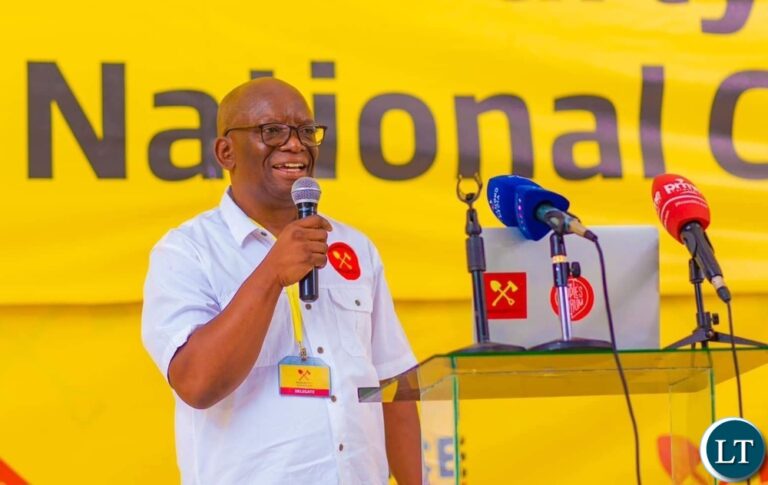
Socialist Party General Secretary, Cosmas Musumali, has reaffirmed the party’s commitment to empowering women.

Dr Musumali says the party has deliberately placed women’s political participation at the centre of its reform agenda, with its manifesto fielding and targeting 50 percent females in parliamentary and local government elections.

He states that women remain the backbone of the party’s movement and that meaningful national transformation cannot be achieved without their full participation in leadership and decision-making.

Speaking in an interview with the media, Dr Musumali noted that women play a key role in expanding the party’s influence.

“We have adopted a woman, Ms Dolika Banda, as our presidential running mate for the August polls. We believe empowering women is the best thing to do and lifting them into positions of influence within the political space,” he said.

Dr Musumali explained that the party leadership has consistently advocated for political education aimed at empowering women beyond traditional affirmative action measures.

He disclosed that his party will push for legislative and policy reforms intended to dismantle long-standing barriers that have historically limited women’s participation in politics and continue to disadvantage women candidates.

Dr Musumali also observed that while Zambia has undertaken various reforms to improve women’s participation in politics, more work remains to ensure equal access to leadership opportunities.

He further noted that despite women forming the majority of the population in the country this numerical advantage has not translated into stronger political solidarity or representation.

Meanwhile, the opposition leader described the 2026 general elections as a critical test of Zambia’s commitment to gender equality especially among the political parties.

“As the elections approach, there is a need not only to increase women’s representation but also to transform the way political spaces treat women candidates,” he said.

He emphasised that achieving greater inclusion of women in governance remains essential to building a more representative and democratic society.

Dr Musumali is confident that his party will emerge victorious in this year’s general polls slated for August 13.

Yesterday, Socialist Party President, Fred M’membe and his running mate, Dolika Banda, successfully filed their nomination papers with the Electoral Commission of Zambia ahead of the August 2026 general elections.

Gary attack exposes deep UPND nomination tensions

Violence in Mazabuka, disputed adoptions and independent filings shake Zambia’s political landscape

Violence surrounding former minister Gary Nkombo’s nomination filing in Mazabuka has thrown Zambia’s election season into immediate tension, exposing growing fractures inside the ruling UPND as campaigns officially open ahead of the August 13 general election.

The dramatic confrontation outside the Mazabuka Civic Centre quickly became the dominant political story across the country after privately-owned newspapers accused UPND cadres of attacking Nkombo while he attempted to file nomination papers as an independent parliamentary candidate for Mazabuka Central. State-owned newspapers acknowledged the disturbances but concentrated heavily on President Hakainde Hichilema’s condemnation of political violence and his directive for police to arrest perpetrators.

The sharply different newspaper framing immediately reflected the increasingly polarised atmosphere now surrounding Zambia’s election season.

According to reports carried across multiple publications, Nkombo, accompanied by supporters and family members, arrived at the nomination centre shortly after 08:00 hours before confusion and violence erupted. The Mast reported that cadres blocked his entry and tore his shirt during the confrontation, while News Diggers and Daily Nation portrayed the incident as evidence of growing intolerance within the ruling party following controversial adoption decisions.

The violence followed weeks of growing dissatisfaction surrounding UPND parliamentary adoptions in several constituencies. Reports from Choma, Chavuma, Mumbwa, Bwana Mkubwa and Monze pointed to disputes involving rejected aspirants, imposed candidates and defections from opposition parties being prioritised ahead of long-serving party loyalists.

Former UPND vice-president Bob Sichinga, quoted in The Mast, accused the ruling party of abandoning democratic values and tolerating violence against perceived opponents. Green Party president Peter Sinkamba argued that the ruling party was internally weakening after dropping veteran ministers and MPs in favour of defectors.

The emergence of independent candidatures from former ruling party figures has now become one of the most politically sensitive developments ahead of campaigns. Nkombo’s independent filing immediately transformed him into a symbolic figure within the wider debate over UPND adoptions and internal democracy.

President Hichilema, responding to the disturbances, said Zambia would not tolerate intimidation, mob conduct or electoral violence and directed police to act professionally against perpetrators regardless of political affiliation.

“We expect law enforcement agencies to move swiftly and professionally to arrest all those responsible,” the President said according to reports carried in State-owned newspapers.

Information and Media Permanent Secretary Thabo Kawana also warned that those engaging in violence would be “on their own” and would face legal consequences.

Privately-owned newspapers, however, questioned whether police acted decisively during the Mazabuka disturbances. The Mast editorial accused officers present at the scene of failing to adequately protect Nkombo and his supporters, warning that continued violence without arrests could weaken public confidence in law enforcement neutrality during elections.

The nomination process simultaneously exposed a fragmented opposition field attempting to reorganise ahead of the official campaign season.

Socialist Party leader Fred M’membe and running mate Dolika Banda successfully filed presidential nominations at Mulungushi International Conference Centre alongside Leadership Movement candidate Richard Silumbe and ZAWAPA candidate Howard Kunda.

Meanwhile, Tonse Alliance presidential candidate Brian Mundubile and running mate Makebi Zulu attracted heavy police deployment during their nomination filing exercise. Riot police officers armed with batons and rifles surrounded the venue amid expectations of large crowds supporting the alliance.

The growing prominence of the Mundubile-Zulu alliance has become another developing political storyline after several opposition figures openly called for broader opposition unity ahead of the elections.

At the same time, Patriotic Front structures remain unsettled by continuing legal and organisational disputes. Reports that former Health Minister Chitalu Chilufya had stepped away from presidential ambitions highlighted continuing instability surrounding PF succession battles and competing leadership claims.

Questions surrounding the Electoral Commission of Zambia also featured prominently across several newspapers after opposition figures criticised last-minute changes to nomination schedules and electoral procedures. Organised Peoples Party president Brian Mushimba and former PF acting president Given Lubinda accused ECZ of creating uncertainty by repeatedly altering nomination timelines close to elections.

The concerns deepened after ECZ extended the nomination period for parliamentary and mayoral candidates, officially citing replacement arrangements for lost voter cards among aspiring candidates.

Legal scholar Prof Cephas Lumina, writing in The Mast, warned that democracy depends not only on voting day itself but also on equal political participation, institutional neutrality and fair administration throughout the electoral process.

The developments now place increasing pressure on police, ECZ and political parties to maintain public confidence as campaigns intensify nationwide.

Wednesday’s nomination process may ultimately be remembered as the moment Zambia’s election season fully shifted into open political confrontation, with violence, internal rebellions and institutional mistrust now emerging as central features of the campaign environment.

Editors Note:

“Police neutrality, ruling party discipline and ECZ credibility are rapidly becoming central tests of Zambia’s election stability before campaigns fully intensify nationwide.”

Seven candidates file their nominations for Kabwe Central

Seven parliamentary candidates from various political parties in Kabwe District in Central Province have successfully filed their nominations and have pledged to transform their respective constituencies if elected in the August 13 general elections.

United Party for National Development (UPND) Bwacha North candidate, Percy Chato says he is determined to improve the road network, work on water and sanitation problem as well as help the local people access various empowerment programmes.

 Mr Chato thanked the party leadership for adopting him to contest the Bwacha North parliamentary seat on the ruling party’s ticket and called for unity from all party members in the constituency.

“I will ensure that another clinic is built in Makululu compound so that we can have two to enhance provision of health services to the people in that area,” Mr Chato said.

UPND Kabwe Central candidate Chrizoster Phiri, who is seeking re-election, pledged to continue with various developmental projects to uplift the lives of the electorates.

Ms Phiri, who was the last to file her nomination at the Civic Centre, arrived at 14:10 hours with her supporters, also promised accelerated development in her constituency if re-elected.

Former Kabwe Mayor, Prince Chileshe, who has also filed his nomination as an independent for Bwacha North constituency, assured the electorates of accelerated development if elected.

“As a former Mayor, I am aware of the challenges the people of Bwacha constituency have been facing and I am geared to address them,” he said.

Immediate past Kabwe Mayor, Patrick Chishala, who is vying for Kabwe Central parliamentary seat under Resolute Party, pledged to work on township roads and change the face of Kabwe if elected.

“Kabwe Central Constituency has been lagging behind in terms of development for so many years. That is why l have decided to go for the parliamentary seat under the Tonse Pamodzi Alliance to change things,” Mr Chishala said.

National Reconciliation for Unity and Prosperity (NRUP) candidate for Bwacha South, Victor Kolala said his priority will be to work on the roads and address the problem of poor sanitation in the constituency if given the nod.

Mr Kolala said Bwacha South Constituency will never be the same under his leadership.

UPND Bwacha South candidate, Sydney Mushanga had his papers validated at 16:00 hours and warned that politics is not for under-fives.

Meanwhile, Dorothy Yaluma of Citizens First (CT) was the first to file his nomination papers for Kabwe Central parliamentary seat at 10:30 hours at the Civic Centre followed by Resolute Party’s Patrick Chishala at 13:08 hours.

Five candidates file their nomination in Zambezi

Three United Party for National Development (UPND) aspiring parliamentary candidates in Zambezi District of North-Western Province have successfully filed their nomination ahead of the August 13 general elections.

The three candidates are Dennis Mano for Zambezi Central, Brian Kambita for Zambezi East, and Vumango Musumali for Zambezi West constituency.

Aspiring candidates successfully submitted their credentials to the Electoral Commission of Zambia (ECZ) officials at their respective nomination centers.

Speaking shortly after filing his nominations at Zambezi Civic Centre, Zambezi Central UPND aspiring candidate, Dennis Mano, expressed confidence in winning the seat.

He promised to prioritise local development and improve the livelihoods of the people in the constituency once elected.

“I am delighted to have successfully filed my nomination today. My focus remains on bringing tangible development, improving infrastructure, and uplifting the lives of the people of Zambezi Central,” Mr Mano said.

Mr Mano also said he will work to bring peace and unity among the people of Zambezi Central.

Meanwhile, two independent aspiring candidates have also successfully filed for their nomination in the district.

The two are Raphael Ngimbu, who is contesting the Zambezi Central seat, and Jonathan Mwendelema for the Zambezi East constituency.

And Zambezi District Electoral Officer, Biggie Chanda commended all candidates for adhering to the electoral code of conduct, noting that the atmosphere at the various nomination centers remained peaceful with no incidents of conflict recorded.

M’membe successfully files his nominations

Socialist Party (SP) leader, Fred M’membe has successfully filed his nominations ahead of the August 13 general elections.

Presidential Returning Officer and Electoral Commission of Zambia (ECZ) Chairperson Mwangala Zaloumis has declared the candidature of Dr M’membe valid to contest in the upcoming general elections.

Dr M’membe will contest the presidential election alongside his running mate, Dolika Banda, who becomes one of the female candidates in this year’s presidential race.

Announcing the validation of the nomination papers in Lusaka today, Ms Zaloumis congratulated the Socialist Party for its continued participation in Zambia’s electoral processes.

Ms Zaloumis described the participation of political parties as important partners in strengthening democracy in the country.

She noted that the Socialist Party has actively participated in elections during the current five-year electoral cycle and contributed to improving the electoral process.

“Because you have been with us, you have participated and enriched the electoral process. Without stakeholders taking part in the election process, we could not have reached this path.

We have improved the process as we go along,” Ms Zaloumis said.

She further thanked the party for its continued partnership with the ECZ and involvement in democratic governance.

Meanwhile, Dr M’membe expressed gratitude following the successful validation of his nomination papers, saying the development paves way for his party to appear on the ballot paper in the forthcoming elections.

Kampamba returns as Zesco wins

0

Experienced Zesco United forward Kelvin Kampamba is thrilled to return to the fold after a nearly four-month absence.

Injury and administrative issues have kept Kampamba out of action for Zesco.

He last featured for the Ndola club last February in the CAF Confederation Cup match against South African giants Kaiser Chiefs in Ndola.

Kampamba on Wednesday played 15 minutes when Zesco beat Mines United 2-1 in a delayed Super League match in Kabwe.

Zesco coach Winstone Kalengo introduced Kampamba for Luka Mutoshi.

“It is a nice feeling to be back. I didn’t even expect it,” he told Lusaka Times Sports.

Emmanuel Mwanza and Elvis Addae scored for Zesco, who posted their twelfth victory of the season with Nicholas Chisempele scoring for Mines.

Zesco are number ten on the table with 44 points in 33 matches.

In the other midweek delayed match, Nkwazi edged out FC Muza 1-0 away in Mazabuka.

Billy Ntumba scored the goal via a 17th minute penalty as Nkwazi recorded their victory number eight in the season.

Muza are number eight on the table with 48 points in 33 matches.

Meanwhile, Kabwe Warriors and Zanaco drew goalless in another delayed midweek match in Kabwe.

The draw pushed Warriors into third place with 51 points from 33 matches played.

Sixth placed Zanaco sits on 50 points after playing 33 matches.

Garbage In Garbage Out

7

By Dr.Field C. Ruwe

Hichilema, Intellectuals and Grade 12s

For the past sixty years, the concept of garbage-in, garbage-out (GIGO) has been clearly observable. Zambia has been ruled by autocrats and some individuals devoid of qualifications, ethics, or integrity (the “garbage-in”), which has resulted in coup attempts, scandals, corruption, and subpar governance (the “garbage-out”). These conditions have led to ineffective policies, ideological bias, lackluster governance, and poor economic outcomes that have hindered Zambia’s progress.

From Kaunda to Hichilema, all presidents, with the exception of Mwanawasa, have failed to foster a robust intellectual community capable of effectively bridging the gap between ignorance and knowledge. Mwanawasa is distinguished as the only leader who shifted from a predominantly populist leadership style to a technocratic one that prioritizes intellectualism. Kaunda, known for launching free education and founding the University of Zambia, ultimately fell prey to autocratic rule.

The lack of an intellectual community is the primary reason why Zambia, despite its rich natural and mineral resources, remains trapped in a vicious cycle marked by disease, poverty, debt distress, and external exploitation. This predicament stems from a flawed “honorary degree” presidential model that emphasizes personal pride, wealth accumulation, common sense, ideological dominance, tribalism, and cultural attractiveness rather than fostering intellectual curiosity and adaptability.

PhD Intellectual Capital is the Bedrock of a Nation

The observation made by the philosopher Ayn Rand that “a country without intellectuals is like a body without a head,” holds significant relevance for Zambia. In the absence of the head (intellectuals), the body (society) finds it challenging to assess elaborate global issues and formulate sophisticated strategic responses.
In order for developed countries to achieve their current status, they have had to depend significantly on local PhD intellectual capital, such as scientists, engineers, and various academics, to sustain economic development, foster innovation, and oversee intricate social systems. This dependence has rendered education an essential catalyst for national wealth. Consequently, education remains the vital component that converts a labor force into a global powerhouse.

In Zambia, as in developed nations, the dissemination of knowledge should rest with PhD intellectuals, who are meant to serve as intermediaries among government entities, investors, and the public. They should act as moral guides, challenging authority, exposing hypocrisy, and expressing the views of the populace. Most importantly, they ought to prevent the uncritical acceptance of government policies and empower citizens to recognize cases of power, inconsistencies, or violations of trust. Without their presence, Zambia remains a cult of ignorance.

Grade 12s and the Cult of Ignorance

The current UNESCO data reveal that Zambia does not have the capacity to create a robust PhD intellectual community to act as the spine of the nation. The early 2026 UNESCO report on Zambia’s completed education shows that approximately 88.8% young Zambians completed primary education. Of these, 75.9% did not advance to tertiary education; 10.1% earned a two-year college diploma; 2.8% a Bachelor’s degree; and 0.4% a Master’s degree.

UNESCO was unable to confirm the total number of individuals holding PhDs. The most recent recorded statistic, from 2022, indicated there were 321 professors, a stark contrast to the 10,000 PhD holders in Kenya.

It is important to note that until 2016, the UNZA PhD program was structured as a research-based, non-formal curriculum. The absence of conventional epistemic rigor resulted in its discontinuation and the introduction of a competency-based doctoral program. During the 54th graduation ceremony for the 2024/2025 academic year, the university announced the graduation of 117 PhD candidates.

The overwhelming 75.9% of Grade 12s who lack tertiary qualifications indicate that the average Zambian educational knowledge is rudimentary (basic literacy, numeracy, and civic understanding) reminiscent of medieval times. This situation exemplifies the “garbage-in is equal to garbage-out” principle, as inadequate input directly leads to subpar outcomes.

Zambian presidents have neglected the 75.9% failures, most of whom live in extreme poverty, surviving on less than $2.15 per day. Without an intellectual community, presidents have overlooked the considerable loss of productive human capital and, consequently, failed to implement a strategic intellectual framework for the reintegration of Grade 12s through tailored alternative educational pathways, designed to lower the current rate of 75.9% to more acceptable levels.

Wisdom vs. Knowledge in a Cult of Ignorance

Left to their own devices, Grade 12 failures have conformed to traditional beliefs and adopted widely accepted notions of “common sense” that obscure empirical understanding. They have shown a societal tendency toward their lifestyle, often asking “What” questions about circumstances that wisemen contemplate, such as “What is the nature of my existence?” This stands in contrast to the “How” questions that scholars raise to bridge the gap between the known and the unknown, such as “How can approaches be employed to assess a hypothesis?”

The responses Grade 12s receive lead them to assume that their viewpoints are as valid as those of the educated. Philosopher Isaac Asimov refers to this as a “cult of ignorance.” He notes that individuals like those who have failed Grade 12 often possess a skewed understanding of equality, erroneously claiming that “my ignorance is just as valuable as your knowledge.” This trend is particularly evident on social media platforms, where many influencers and bloggers with a Grade 12 education believe that their opinions are on par with those of scholars.

The preceding paragraph presents an opportunity for autocratic figures such as Hichilema, who exhibit anti-intellectual tendencies, to manipulate impressionable young Zambians for their own personal political advantage.
Hichilema: The Arrogance of Ignorance, and the Status of UNZA

The “arrogance of ignorance” also referred to as “confident incorrectness” is the dangerous paradox in which individuals with low expertise overestimate their competence, leading to the dismissal of expert advice. This phenomenon is often linked to the Dunning-Kruger effect, which causes people to be “too ignorant to know they are ignorant.”

Hichilema, who governs from his private residence, has failed to cultivate a robust intellectual community. A typical autocratic narcissist, he relies on his inner circle for decision-making processes. His style of governance has failed to deliver on its 2021 campaign promises, and his slogan “Bally Will FIX It” has come to symbolize a garbage-in, garbage-out outcome.

Academics acquainted with Hichilema argue that he largely lacks awareness of his own knowledge shortcomings, seemingly believing that possessing an MBA and multiple honorary degrees exempts him from the obligation to interact with the academic community. He seems to view himself as the sole genius capable of guiding the nation toward significant advancement.

Narcissistic leaders, like Hichilema, frequently exhibit hostility toward intellectuals. Yale professor John Haltiwanger notes that this hostility is evident in actions such as cutting funding for universities, seizing control of administrative roles, and exerting ideological pressure, as these leaders view higher education institutions as strongholds of dissent, critical thinking, and liberal ideology. Such strategies are employed to reinforce their grip on power.

This may explain why UNZA’s dependence on government funding is acknowledged as the central problem contributing to the insufficient number of PhD graduates and the absence of a strong intellectual community in Zambia. The university has encountered difficulties arising from irregular funding and reduced educational resources.
Rather than dedicating substantial resources to improve the university’s academic performance, Hichilema is focused on an “appeasement versus achievement”strategy, which is realized through the pacification of students by means of non-academic incentives, including complimentary meals and facility renovations.

The Silent Capitulation of Zambian Intellectuals

The quiet capitulation of intellectuals in Zambia signifies a dangerous withdrawal of the country’s intellectual community. Instead of serving as a robust counterweight to the state government, a troubling portion of the intelligentsia has shifted into a mode of acquiescence, self-preservation, or utter silence.

Usimov states that an intellectual guides the direction of the nation by communicating from his elevated position to the president, the university professor, the writer, the artist, the journalist, and the average citizen. This occurs in all developed nations and should apply to Zambia.

The silence of PhD scholars indicates a lack of a structural framework necessary to bridge the significant critical voids in governance, economic innovation, and institutional stability. Most importantly, it signifies that there is an insufficient number of intellectuals to serve as the “conscience” of society: to analyze intricate issues, ensure accountability, and provide evidence-based recommendations for national development.

I assert that Zambians possess remarkable knowledge in their own capacity. They emerge from a profound resolve to survive and achieve success despite external challenges. With a president who champions intellectual pursuits and allocates resources to nurture a vibrant intellectual community capable of supporting and elevating Grade 12 students, Zambia can join the ranks of successful nations, fostering sustained innovation and economic stability. Find Him.

Author is a Doctor of Education and a scholar-practitioner, affiliated with Northeastern University, Boston, Massachusetts, USA.

Chipolopolo equal to Algeria challenge – Lwandamina ‎

1

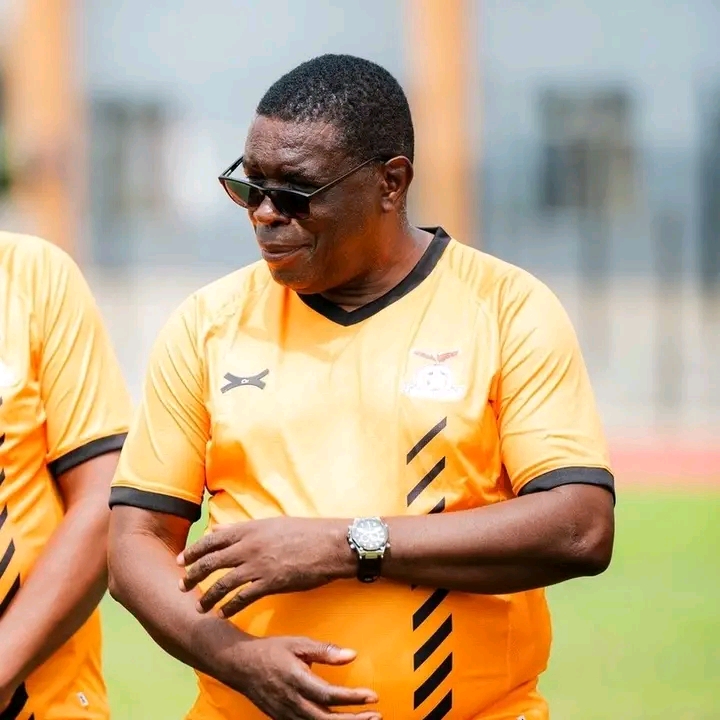
Chipolopolo interim coach George Lwandamina says all the four teams in Group I of the 2027 Africa Cup of Nations qualifiers have a chance of reaching the finals.

‎Zambia, Algeria, Togo and Burundi were on Tuesday drawn in Group I of the 2027 Africa Cup of Nations qualifying campaign.

‎During the draws conducted in Cairo, Egypt, the Chipolopolo were in the second pot and had booked a date with Algeria with whom they faced in the race for the 2019 Africa Cup of Nations.

‎Commenting on the draws, Lwandamina said Zambia had players who can compete with the best teams on the continent.

‎Lwandamina told FAZ Media:“Draws are drawn and not pointed. So, it means that we all have chance. It all goes about preparation.”

‎The Nchanga Rangers coach said adequate preparation would be key as Zambia seek to make a second consecutive AFCON appearance after a lengthy absence.

‎“The team that will prepare adequately, I am sure that’s the team that will pose threat to us, if that is, we don’t prepare well,” Lwandamina said.

‎He challenged Chipolopolo stars to be focused when the qualifiers kick off in September.

‎“They have to remove pride and embrace one Zambia. We only have Zambia as our country. So, we have to fight for our mother Zambia,” Lwandamina said.

‎“We have players who can compete. What is just important is how much preparation will be given to the team,” he said.

‎He rallied support for Chipolopolo.

‎“We are all Zambians and we only have one Zambia. So, everyone should rally behind the team. I am sure selections cannot please everybody. But we have to push in one direction. Whether happy, unhappy, we are all Zambians,” Lwandamina said.

‎Kenya-Tanzania-Uganda will jointly host the 2027 Africa Cup of Nations in East Africa.

‎Top two teams in nine of the 12 groups will qualify for the Total Energies AFCON Pamoja 2027.

‎Groups D, H, L in which joint hosting nations appear will have to battle for one slot.

‎Togo and Zambia last faced-off in the race for the 2006 FIFA World Cup.

‎Zambia is among 48 Teams, including the three co-hosts, that will participate in the qualifiers.

‎According to the roadmap the first two qualifying games will be played between 21 September and 6 October 2026.

‎Matchdays 3 and 4 are scheduled for 9-17 November 2026 and the final matchdays 5 and 6 will be from 22-30 March 2027.

‎The final tournament will be played from 19 June to 17 July 2027.

‎The AFCON is returning to the East African region for the first time since Ethiopia hosted the AFCON in 1976.

TAZARA to suspend Mukuba train operations

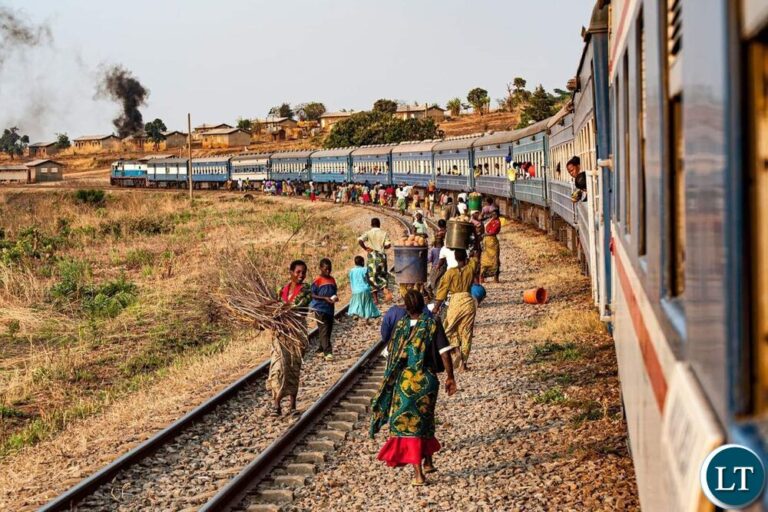
The Tanzania Zambia Railway Authority (TAZARA) says it will suspend the Mukuba Cross-Border passenger Train Services for one week.

In a statement made available to the media in Mungwi, Tanzania, Zambia Railway Authority Head of Public Relations Conrad Simuchile says the suspension is aimed at paving way for annual maintenance works.

Mr Simuchile explained that the temporal suspension will run from May 26 to June 1, 2026, to allow for annual mechanical maintenance and internal inspections.

He disclosed that TAZARA will also conduct essential servicing works on rolling stock and related operational systems.

The Tanzania Zambia Railway Head of Public Relations noted that the planned maintenance programme is aimed at enhancing operational safety and reliability.

“The maintenance is key as it is aimed at improving service efficiency in line with TAZARA’s commitment to providing safe, reliable and cost-effective railway transport services,” Mr Simuchile said.

He revealed that normal train operations will resume on Tuesday, June 2, 2026, with the Dar-es-Salaam bound train.

He has since called on the general public to take note of the dates to avoid being inconvenienced.

Meanwhile, a cross border trader Joseph Mutale, of Mungwi district has hailed TAZARA for the timely information on the anticipated temporal suspension.

Mr Mutale commended TAZARA for the timely information adding that it will help cross border traders to either reschedule or opt for other means of transport for their businesses.

The Tanzania Zambia Railway train has been key in ensuring reliable and affordable transport for people travelling from Kapiri Mposhi in Zambia to Dar-es-Salaam in Tanzania.

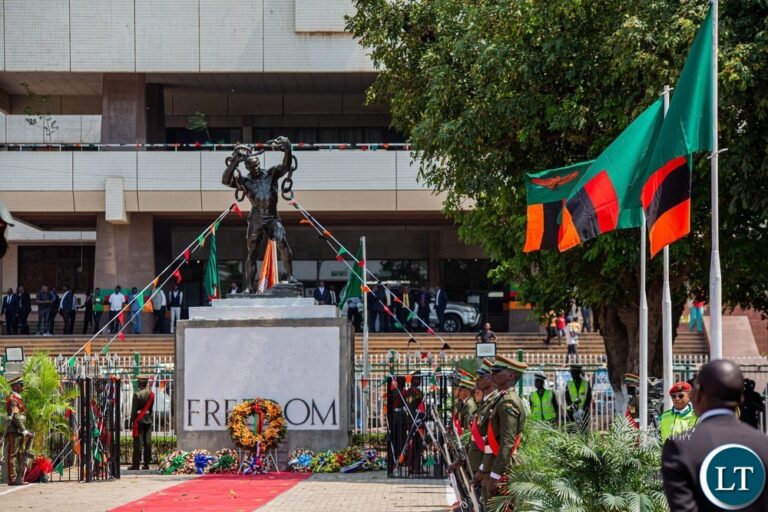
Freedom fighter calls on Zambians to uphold peace

A renowned freedom fighter in North-Western Province has called on Zambians to uphold peace and unity and preserve it to honour the country’s forefathers.

Eunice Sebele popularly known as Mama Sebele has expressed concern over the lack of harmony among Zambians stating that if not addressed it will negatively affect the country.

Speaking when she featured on the Eye program in Solwezi district, Mama Sebele explained that as the country heads to the general election in August, there is need for aspiring leaders to introspect and engage in constructive criticism.

“As leaders you can have different opinions but that does not mean you should fight each other or not share ideas that will help to develop the country,” she said.

Mama Sebele has called on leaders in the country to draw lessons from the leadership of first republican President Dr Kenneth Kaunda and the freedom fighters who jealously protected the peace and unity of the nation.

She has stressed the need for Zambians to uphold the “One Zambia One Nation” motto and ensure that it is understood and upheld by all.

“We coined this motto because we loved and embraced each other and this is what to pass on to generations to come,” emphasised Mama Sebele.

She said as Zambia commemorates African Freedom Day, it is a time for Zambians and Africa at large to uphold harmony.

This year’s African Freedom Day will be held under the theme “Assuring sustainable water availability and safe sanitation systems to achieve goals for agenda 2063”

Mpongwe aspiring candidates file nominations

Candidates vying for the Mpongwe East and Mpongwe West parliamentary seats have so far successfully filed their nominations today as part of the electoral process.

In Mpongwe East, Tabiso Shiri of the Socialist Party filed her nomination at 14:00 hours, while Keith Maila, an independent candidate, filed his nomination earlier at around 09:00 hours.

In Mpongwe West, independent candidate Preston Mpondamali filed his nomination at 14:00 hours.

All candidates have expressed confidence in winning their respective seats.

The nomination process was peaceful at both centers and is expected to continue tomorrow.

The filing of nominations marks a key step ahead of the upcoming elections, with candidates now set to proceed to the campaign phase pending confirmation by electoral authorities.

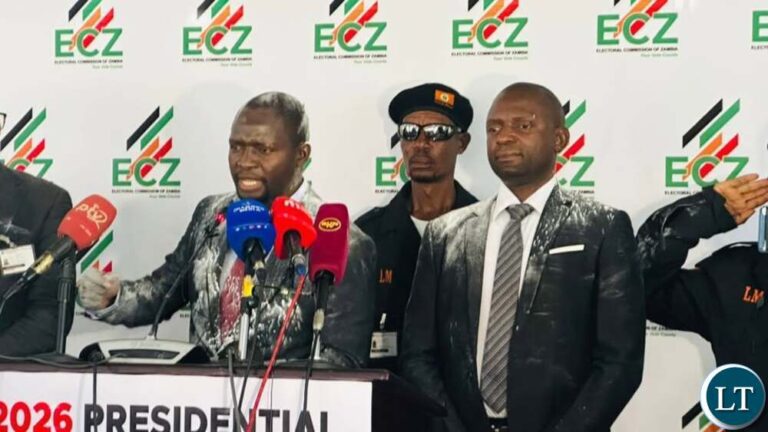
ECZ validates Dr Silumbe’s nomination

The Liberation Movement Party leader Richard Silumbe and his running mate Kaela Kamwenshe have successfully filed their presidential nomination papers ahead of 2026 general elections.

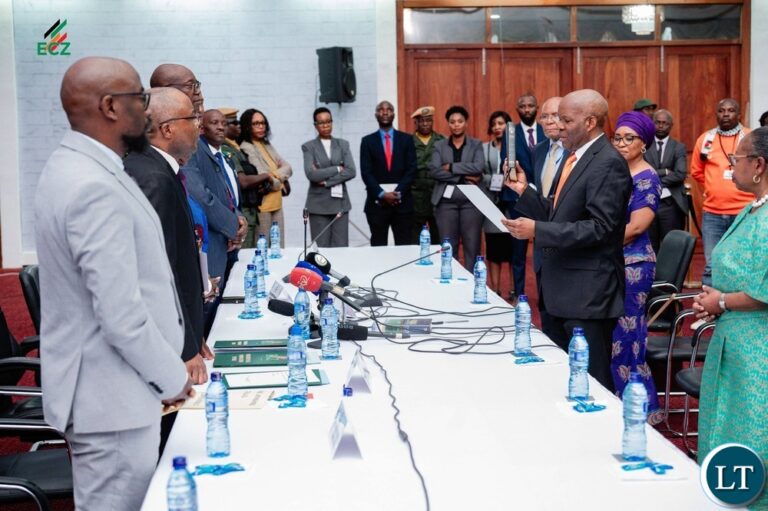
Presidential Returning Officer, Mwangala Zaloumis declared Dr Silumbe’s nomination papers valid after verification.

Announcing the verdict at Mulungushi International Conference Centre today, Ms Zaloumis said the nomination had met the constitutional requirements.

“By the powers vested in me under Article 99 of the Constitution, I, being the Returning Officer, declare that your nomination is valid,” she stated.

Speaking shortly after the declaration, Dr Silumbe thanked the Electoral Commission of Zambia for what he described as the professional handling of the nomination process.

ZANIS reports that Dr Silumbe becomes the fourth opposition leader to successfully file nominations since the exercise commenced on May 18, 2026 at the Electoral Commission of Zambia nomination Centre held at the Mulungushi International Conference Centre in Lusaka.