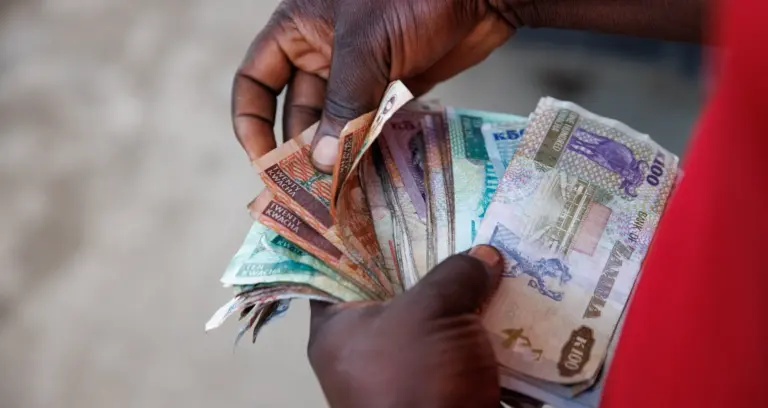
If you don’t understand the underlying financial mechanisms, it is easy to ignore the systemic risks hidden within the global credit complex. I call it an “extractive industry” for a reason—it exists primarily to exploit the vulnerable. Credit, no matter how elegantly it is packaged, is not a public utility; it is a commercial system designed to monetize the financial liabilities of the uninitiated. In Zambia, widespread unfamiliarity with global credit dynamics leaves the public highly vulnerable to political lies surrounding national debt. Because most of us only interact with credit through commercial bank loans or kaloba, the broader sovereign credit system remains a black box. In order to protect our economic future, it is critical that we demystify the mechanics of this sovereign debt trap.
In the retail banking sector, generally, a refusal to leverage debt is often penalized. In the West, financial institutions encourage consumers to borrow under the guise of “building a credit history.” However, the systemic objective of the lender is rarely the borrower’s ultimate financial freedom; it is the optimization of predictable cash flows for the lender. In this case, commercial credit operates by enticing individuals with capital allocations based on projected—not realized—future income. But when macroeconomic shocks hit, or personal income streams dry up, the structural rigidity of the debt remains absolute. This is how private entities generate billions–by locking borrowers into cycles of permanent refinancing. You remain a slave to the lender!
When scaled to the sovereign level, this dynamic becomes infinitely more dangerous. In simple words, this is the structural trap into which President Hakainde Hichilema’s administration is steering Zambia.
The recently restructured Eurobonds maturing in 2053 are an excellent example. While the New Dawn administration actively engages in liability management—such as the recent operation to buy back portions of the 2053 bond using cheaper African Development Bank (AfDB) credit—the underlying calculus remains unchanged. Exchanging expensive commercial debt for cheaper concessionary loans may offer temporary fiscal breathing room, but it does not erase the underlying principal liability. Furthermore, at a time when the administration is rapidly expanding the civil service, government expenditure is set to balloon. No one can accurately predict the global or domestic economic landscape 25 years from now, yet the nation will be required to pay regardless.
In short, borrowing remains borrowing, regardless of how neatly the financial semantics are packaged. While the current political leadership will be long out of office by 2053, future generations of Zambians will be left to service these legacy obligations. Our history demonstrates that when the bill for sovereign over-leverage finally comes due, the remedies imposed by external creditors are brutally uniform–civil service contractions, aggressive currency devaluations, domestic economic stagnation, collapse of the Kwacha and increased poverty.
If Zambia continues to mistake liability restructuring for genuine economic sovereignty, we risk replicating past political cycles where short-term fiscal illusions are paid for with long-term national independence. The financial mess created today will ultimately have to be mopped up by the Zambian taxpayer in years to come–of course, not by President HH. We have been here before. If the administration wants to develop Zambia, it cannot continue kicking the can down the road. Funding today’s political victories by mortgaging our grandchildren’s future isn’t statecraft—it is fiscal irresponsibility. It is time to learn from the President of Namibia–pay off the debt during your reign!!
Katoka Mweenda