Tributes cross party lines as leaders urge calm and respect for traditional succession following the death of Paramount Chief Mpezeni IV
The death of Paramount Chief Mpezeni IV has produced something rarely seen in Zambia’s heated election season: agreement.
Three months before a fiercely contested general election, political rivals who have spent much of the year attacking one another have found common ground in mourning one of the country’s most influential traditional leaders.
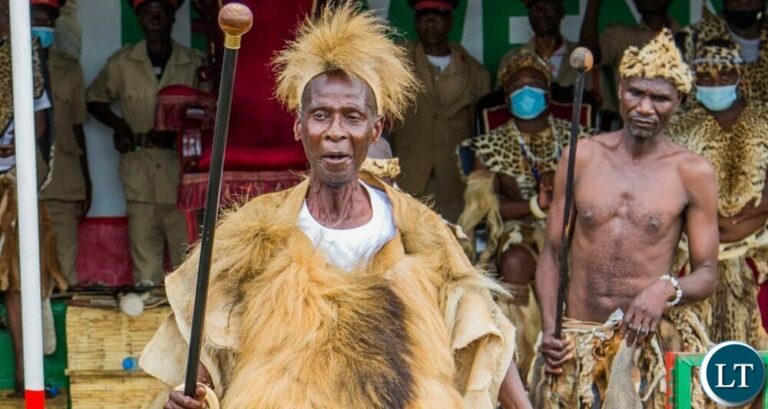
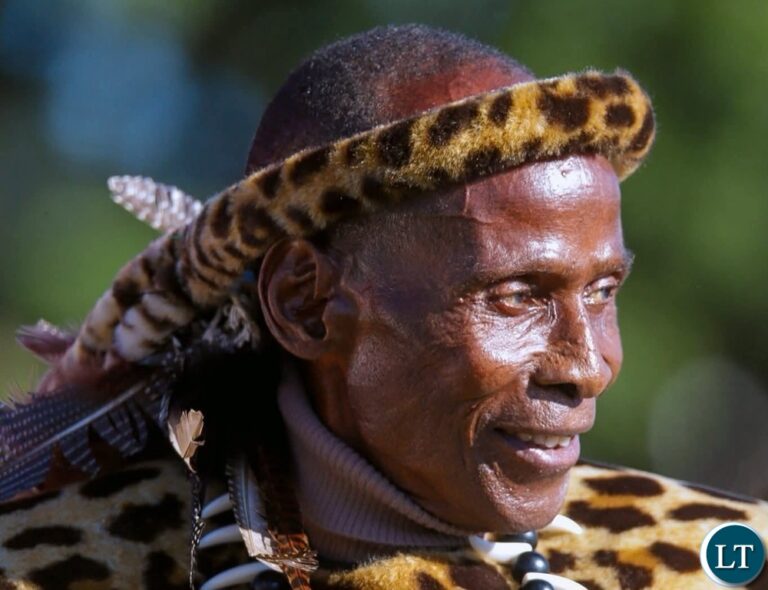
Born David Njengembaso Jere, Paramount Chief Mpezeni IV died in Lusaka at the age of 75 after serving as paramount ruler of the Ngoni people for 44 years. His passing has shifted national attention away from campaign battles and toward the future of one of Zambia’s most significant traditional institutions.
Tributes flowed quickly from government officials, opposition politicians, traditional leaders and civic figures, creating an unusual moment of unity across a political environment that has become increasingly polarised.
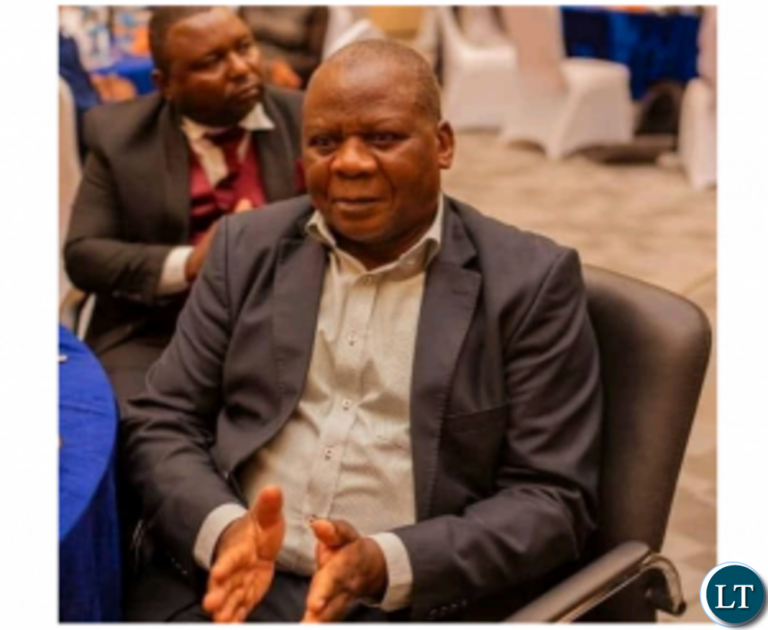
Tonse Alliance presidential candidate Brian Mundubile described the death as a monumental loss to the nation. Information and Media Permanent Secretary Thabo Kawana called it devastating. Former House of Chiefs chairperson Chief Choongo urged political leaders to keep campaign activities away from funeral proceedings and allow the country to mourn with dignity.
The convergence of those voices is notable given the atmosphere surrounding Zambia’s 2026 election cycle. Campaigns have been marked by disputes over nominations, candidate withdrawals, court challenges and growing political tensions. Yet the death of Mpezeni IV has temporarily softened those divisions.
The reaction reflects the standing the late chief built during four decades on the throne.
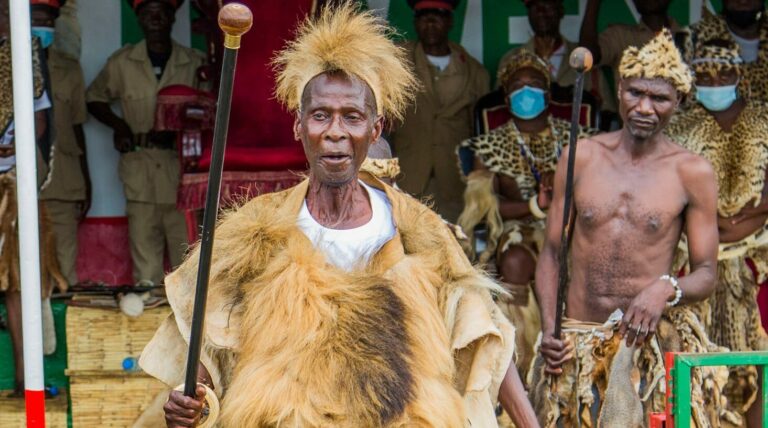
Installed at Ephendukeni Palace in 1982 in the presence of founding President Kenneth Kaunda, Mpezeni inherited a traditional institution deeply rooted in Zambia’s history. Over the next 44 years he became one of the country’s most recognised custodians of culture and customary leadership.
His influence extended beyond Eastern Province and beyond the boundaries of traditional governance. Successive governments engaged him on matters affecting development, culture and community welfare. Political leaders frequently sought his counsel, while ordinary citizens viewed him as a symbol of continuity during periods of national change.
What distinguished Mpezeni was his ability to maintain relevance without becoming attached to any particular administration. Governments came and went. Political alliances rose and collapsed. Constitutional debates emerged and faded. Through it all, the Ngoni throne remained largely above partisan conflict.
That reputation is now shaping the national response to his death.
Government has moved quickly to emphasise stability and respect for customary procedures.
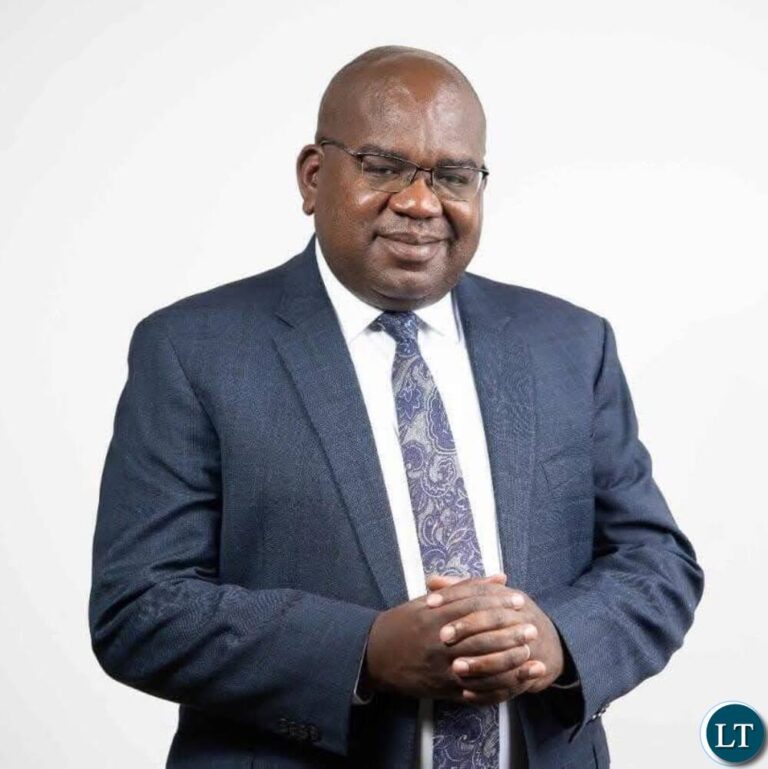
Ministry of Local Government and Rural Development Permanent Secretary Nicholas Phiri issued a public appeal for calm, urging all interested parties to allow established succession procedures to guide the transition process. He warned against actions that could destabilise the institution and pointed to succession disputes elsewhere in the country as examples of what should be avoided.
His message carried a clear signal: the succession process belongs to the traditional institution, not political actors.
The government’s early intervention reflects recognition of the importance of the Mpezeni chieftainship. The institution occupies a central place in Eastern Province, a region that remains politically significant in national elections. Any succession process involving such an influential traditional office is likely to attract intense public interest.
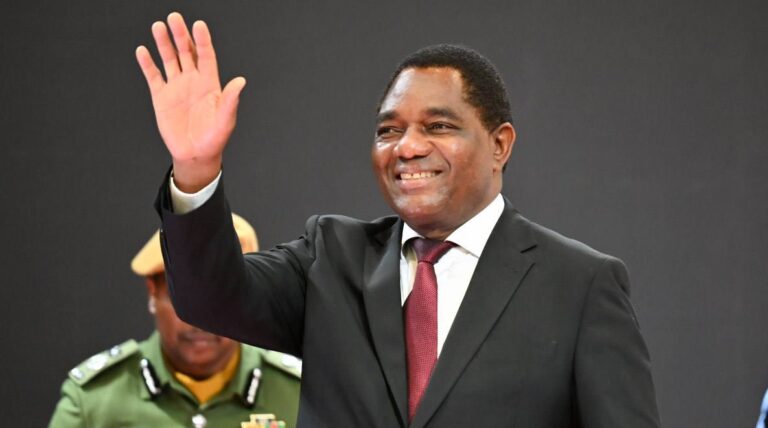
President Hakainde Hichilema struck a careful tone in his tribute, describing the late chief as a unifying figure whose contribution to Zambia’s cultural heritage would endure beyond his lifetime. The statement avoided political language and instead focused on national identity and respect for traditional leadership.
For now, that approach appears to be working.
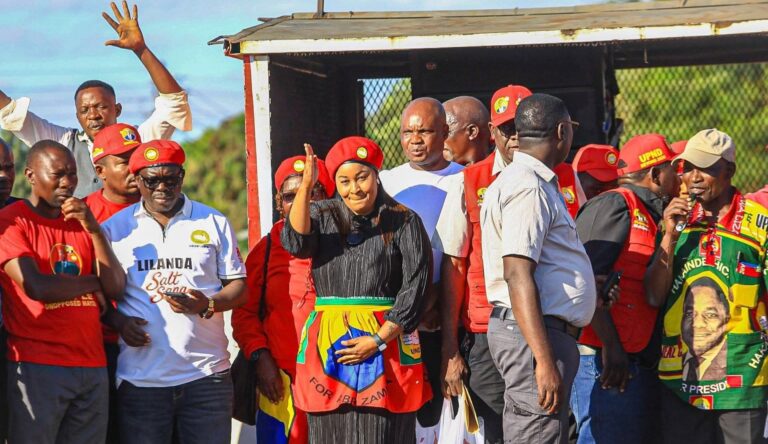
Political parties have largely refrained from turning the mourning period into a campaign issue. Public attention remains focused on funeral arrangements and tributes rather than electoral calculations. The atmosphere stands in contrast to the confrontational rhetoric that has characterised much of the campaign season.
Still, the institutional questions remain.
The Mpezeni Royal Establishment will eventually begin the process of identifying a successor. Whoever emerges will inherit not only a title but also a position that carries significant cultural and social influence. The transition will be closely watched both within Eastern Province and across the country.
Traditional succession processes often attract public interest because they involve questions of heritage, legitimacy and community identity. In the case of Mpezeni IV, those questions are amplified by the stature of the institution and the length of his reign.
For many Zambians, the late chief’s legacy extends beyond traditional leadership. He became part of the national story, a figure whose authority rested not on political office but on the respect accumulated over decades of service.
That legacy is evident in the reaction his death has generated.
At a moment when Zambia’s political environment remains deeply divided, the passing of Paramount Chief Mpezeni IV has created a rare pause in the conflict. Whether that spirit survives the succession process remains uncertain.
For now, the country continues to mourn a traditional leader whose influence outlasted governments, campaigns and political cycles, leaving behind a legacy recognised across party lines.
Editors Note: “The succession process now begins under the shadow of a 44-year reign that shaped one of Zambia’s most influential traditional institutions and earned respect from political rivals who rarely agree on anything else.”