Tuesday, June 9, 2026
13.4 C
Lusaka
Home Blog Page 87

President Hichilema calls for increased investment in affordable Housing

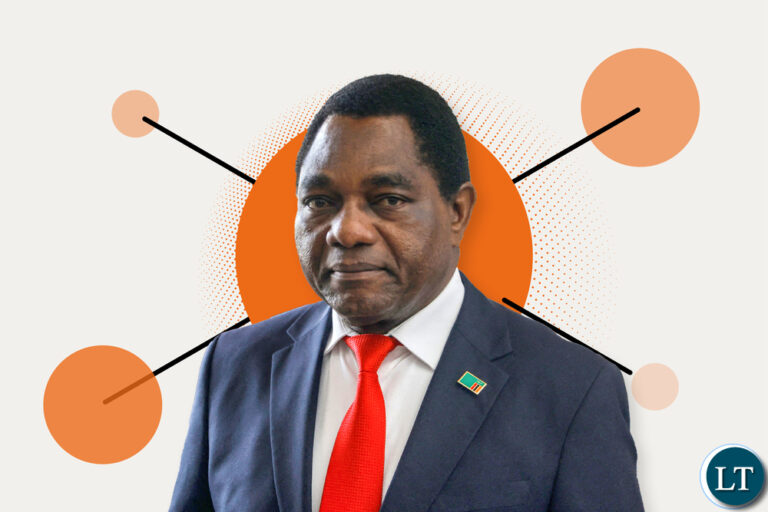
President Hakainde Hichilema has called for increased investment in quality and affordable housing across the country, stating that access to decent accommodation is key to decentralised economic growth and national development.

Speaking when he officiated at the opening of the new Zambia National Building Society (ZNBS) Head Office in Lusaka, President Hichilema said housing plays a critical role in attracting skilled professionals to emerging economic centres outside the capital.

“When we speak about economic growth and decentralisation, we must also speak about where people live. Housing is not a luxury; it is a basic requirement for dignity, stability and productivity,” President Hichilema said.

The President noted that many young professionals hesitate to relocate to growing provincial towns due to inadequate housing and social infrastructure, a situation he said contributes to over-concentration of development in Lusaka.

He urged ZNBS to position itself as a key player in delivering modern and affordable housing solutions nationwide, adding that technological advancements now make it possible for citizens to live and work productively anywhere in the country.

“Citizens should be able to live productively anywhere in Zambia without feeling disadvantaged,” he said.

President Hichilema also commended ZNBS management for transforming the institution through prudent financial management, noting that the Society had moved from depending on government support to generating returns for its shareholders.

“Instead of placing demand on the Treasury, Zambia National Building Society is now paying dividends, which is the kind of business we want to see,” he said.

The Head of State further encouraged businesses and local authorities to adopt fair pricing models and prioritise quality service delivery, timely project completion and professional standards in infrastructure development.

“Do not focus on excessive profit margins; build your reputation through fairness, quality and timely delivery,” President Hichilema advised.

He reaffirmed the government’s support to institutions driving economic transformation and pledged continued efforts to remove operational bottlenecks through policy reforms and coordinated implementation mechanisms.

President Hichilema said government reforms in debt restructuring, energy, mining and infrastructure development were creating a conducive environment for investment, including in the housing sector.

And ZNBS Board Chairperson, Geoffrey Samukonga, explained that relocation from the congested Central Business District addresses operational challenges while providing a modern workspace that meets international standards.

Mr Samukonga said the refurbishment was carried out entirely by Zambian contractors, supporting local industries and creating jobs in the construction sector.

Minister of Infrastructure, Housing and Urban Development, Charles Milupi commended the ZNBS for playing a critical role in mobilising savings, facilitating investment, and expanding access to housing finance, directly contributing to job creation, economic growth, and improved livelihoods for Zambians.

Mr Milupi reaffirmed the government’s commitment to restoring macroeconomic stability, implementing disciplined reforms, and creating a predictable environment for public and private sector growth.

He said initiatives such as Cabinet’s approval of Class A shares for ZNBS aim to strengthen the institution’s capital base and position it for long-term growth, enabling it to support housing and infrastructure development across the country.

Meanwhile, ZNBS Managing Director, Mildred Mutesa said the relocation reflects the institution’s resilience and commitment to providing affordable housing finance for Zambians.

Ms Mutesa noted that over the past five years, ZNBS has supported more than 10,000 households, growing its mortgage portfolio from 183 million kwacha to over one billion kwacha.

She highlighted key projects, including the Port view Housing Project in Chilanga and Maronera Estates in Muchinga Province. Similar initiatives are planned in Chikankata, Chisamba, Lumezi, and Mumbwa.

She disclosed that partnerships with organisations like Habitat for Humanity are also helping extend housing finance to the informal sector through innovative programs such as the Chimanga Housing Loan.

Ministry of Tourism PS backs 24-hour economy

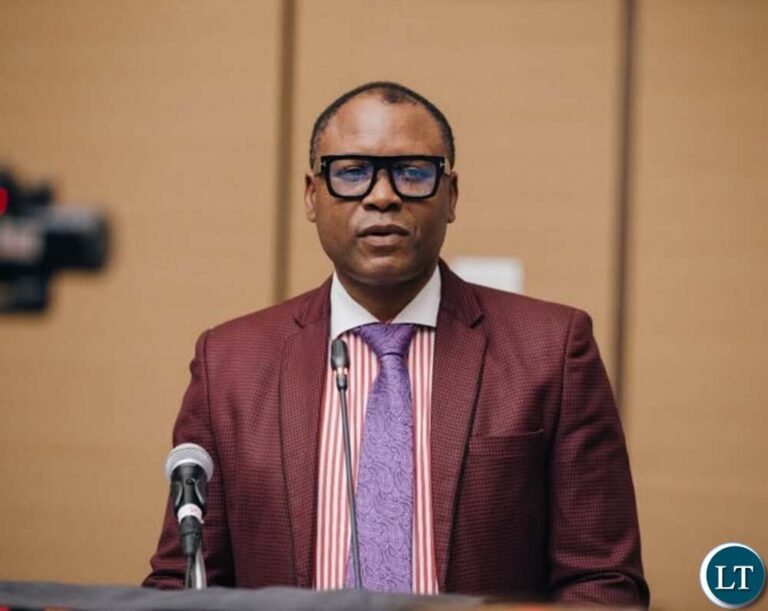
Ministry of Tourism Permanent Secretary (PS), Evans Muhanga, has assured stakeholders in the Tourism sector that his Ministry will engage the Ministry of Commerce, Trade and Industry on how to actualise and implement the 24 hour economy.

He has noted various factors to consider, such as labour matters, as employers increase operation hours.

Mr Muhanga has stressed that it is important for the Policy to be actualised in order to enhance economic activities and create more job opportunities, among other benefits.

The Permanent Secretary said this during the Public Private Dialogue Forum (PPDF) Tourism Technical Working Group Meeting, in Lusaka.

Speaking on behalf of the private sector, Tourism Council of Zambia Chairperson, Glyden Mungaila hailed Cabinet’s approval of the 24-hour business operating hours.

Ms Mungaila noted that while many Tourism facilities have long operated without closing hours, the new national measures to protect businesses will broaden the range of activities available to both citizens and visitors.

She, however, appealed for a consultative process to guide interventions based on the unique needs of the travel and tourism industry.

Chipolopolo-Argentina battle looms

4

The global football lenses will be focused on Zambia as they battle FIFA World Cup champions Argentina in the early hours of Wednesday morning in a friendly match at the iconic La Bombonera in Buenos Aires.

The match is set to kick off at 01:15 (Zambian time).

This is the first meeting between Argentina and the 2012 Africa Cup of Nations champion.

Zambia is not new to playing global football giants.

In 1988 Zambia thrashed Italy 4-0 at the Olympic Games in Seoul and in 2013 conceded a 2-1 loss to Brazil in Beijing, just months after winning the AFCON.
While predicting a tough match against Argentina, Zambian players and coaches have remained positive.

“Everyone who plays football wishes to compete in such games. The training has been going on well and I think it will be a great game,” forward Kelvin Mwanza said.

Argentina have not hidden their respect for Zambia in the build-up to this match against a less fancied opponent.

“The Argentine National Team completed its last practice today before the second friendly of this double FIFA date. The day began in the gym for fifteen minutes. After this part, the team moved to the field where they did physical coordination exercises before the eyes of the press who could observe the first 15 minutes,” the Argentine FA posted on the official website.

Referees from Venezuela led by centre-man Alexis Herrera will handle the match alongside Lubim Torralba and Alberto Ponte.

Since the opening of La Bombonera in 1940, Argentina have played 36 games – posting 25 wins, 8 draws and 3 defeats.

The last loss for Argentina came in 2023 against Uruguay via a 2-0 score-line.

Argentina coach Lionel Scaloni has hinted that superstar Lionel Messi will start against Zambia after being benched against Mauritania at the weekend.

“Already focused on the soccer part, Lionel Scaloni commanded the tactical work by trying various variants. Afterwards, they practiced set pieces for and against to end the day’s rehearsal,” the local media reported.

Documents challenge defence in Mundubile case

By The Zambian Angle

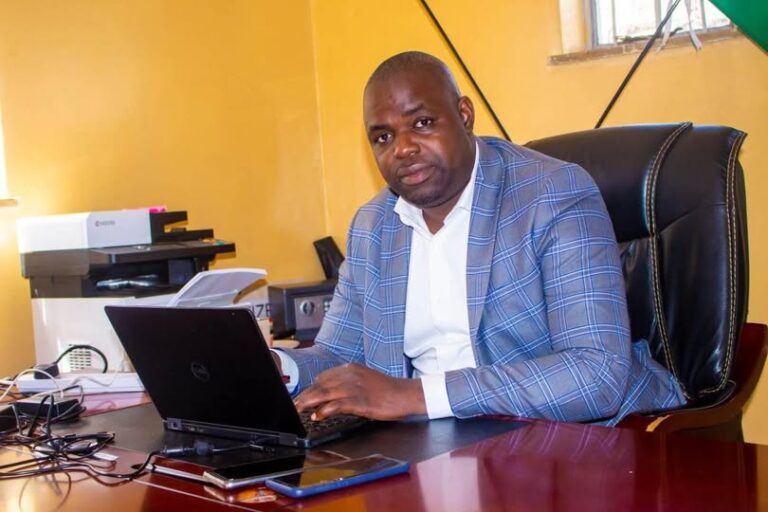
Recent documents circulating in the public domain, reportedly released by Brian Mundubile himself, raise more questions than they answer. Instead of clearing his name, they seem to confirm key concerns that have been quietly building.
At the centre of the matter are two issues: conflict of interest and delivery on public contracts.
1. A Paper Trail That Confirms Payment
One of the documents, issued by Kasama Municipal Council, clearly states that there was no objection to the contractor’s claim for payment of ZMW 9.59 million for road works in Northern Province. The language is formal, but the meaning is simple: the contractor was paid.
Another document from the Ministry of Local Government and Rural Development supports a similar pattern. It confirms the submission of a final payment certificate worth over ZMW 4.87 million for feeder road maintenance in Eastern Province.
Taken together, these are not minor figures. They point to millions of kwacha paid out under government contracts.
And this is where the contradiction begins.
2. The Conflict at the Heart of It
The central allegation has never been complicated. It is that Brian Mundubile, while serving as a government minister, was still linked to companies that were awarded public contracts.
In most governance systems, including Zambia’s, this is not a grey area. It is a clear breach.
A sitting minister is expected to separate public duty from private gain. When those lines blur, it raises the risk of influence, unfair advantage, and abuse of office. In legal terms, it falls under conflict of interest, which is not just unethical but can amount to a criminal offence.
By releasing documents that confirm payments under these contracts, the defence shifts from denial to acknowledgment. The question is no longer whether money was paid. It is now under what circumstances those contracts were awarded and executed.
3. The Bigger Question: Were the Roads Done?
Payment alone is not the full story.
There are growing claims that, despite these large sums being disbursed, the roads in question were not rehabilitated to expected standards, or in some cases, not done at all.
If true, this introduces a second and more serious dimension. It is not only about who got the contracts. It becomes a matter of value for money and possible misapplication of public funds.
Zambians understand this issue better than any report can explain. A road is visible. It is driven on. It either exists in good condition or it does not.
No document can substitute that reality.
4. A Defence That Raises More Than It Settles
What makes this situation unusual is that the documents now circulating do not dispute the core concerns. Instead, they appear to reinforce them.
They show:
i. Contracts existed
ii. Payments were made
iii. Government institutions processed and certified those payments
What remains unclear is whether:
a. Proper procurement procedures were followed
b. There was full disclosure of interests
c. The works matched the payments
Source : Zambian Angle

Hichilema orders police to investigate before arrests AGAIN.

President Hakainde Hichilema has again directed police to investigate cases thoroughly before making arrests, reinforcing a long-standing position on evidence-led enforcement as pressure builds on the justice system to tighten standards.

The instruction restates a sequence that places investigation ahead of detention, signalling concern that arrests made without sufficient groundwork continue to weaken cases and erode confidence in legal processes. It also aligns with wider efforts within the justice system to ensure that prosecutions are built on solid evidence rather than assumption.

The position is not new. Hakainde Hichilema has raised similar concerns since his time in opposition, consistently questioning arrest practices built on weak or incomplete investigations. The continuation of that message into his presidency underscores a long-standing stance on evidence-led policing. Its repeated reappearance, however, points to a gap between instruction and practice, where directives are issued but not fully absorbed within enforcement structures.

The directive comes at a time when enforcement practices are under closer scrutiny. Questions have been raised about cases that reach court without adequate preparation, prolonged detentions that struggle to meet evidentiary thresholds, and prosecutions that fail to hold under judicial examination. In that context, the renewed emphasis signals an attempt to recalibrate how cases are built from the outset.

Arrest remains one of the most consequential powers exercised by the state. It affects individual liberty, reputation and the direction of legal proceedings. When used prematurely, it transfers pressure onto investigations that should have been completed beforehand, often resulting in cases that lack the strength required to succeed in court.

The President’s position is reinforced by guidance from Director of Public Prosecutions Gilbert Phiri, who has warned that only cases supported by strong evidence should proceed. Together, these signals suggest a tightening of standards across the justice chain, from investigation through to prosecution, with each stage expected to reinforce the next.

At operational level, the directive introduces practical challenges. Investigations require time, coordination and resources, while enforcement agencies often face pressure to act quickly, particularly in high-profile or politically sensitive matters. The instruction effectively sets a boundary, requiring that action be justified by evidence rather than urgency.

Recent disciplinary developments have added weight to the issue. Cases involving allegations of police misconduct and excessive force have brought attention to how authority is exercised on the ground. Findings against individual officers in some instances have reinforced concerns about procedural lapses and the need for stronger oversight.

Public perception plays a decisive role in shaping the impact of such directives. Arrests carry immediate consequences beyond the courtroom. Individuals who are detained face reputational damage that may persist even when charges are later withdrawn or dismissed. When cases collapse due to weak evidence, the effect extends beyond the individual to the credibility of the entire justice system.

The directive therefore operates at two levels. At one level, it is procedural, setting out how cases should be built. At another, it is institutional, addressing the relationship between state power and individual rights. Evidence becomes the threshold that distinguishes lawful enforcement from arbitrary action.

Consistency will determine whether the directive produces measurable change. A standard applied unevenly risks becoming symbolic. A standard embedded in daily practice reshapes how cases are handled across different regions and levels of the policing system.

There is also a broader implication for efficiency. Stronger investigations reduce the number of cases that fail in court, easing pressure on judicial resources and improving overall case outcomes. The focus shifts from the volume of arrests to the quality of cases presented.

The directive does not diminish the role of enforcement. It refines its application. Crime response remains necessary, but the method of response is being recalibrated to prioritise legality, preparation and evidentiary strength.

What remains uncertain is how consistently the message will be implemented. The repetition of the directive suggests that earlier instructions have not fully translated into practice, leaving a gap between policy and execution.

For now, the position from State House remains clear and unchanged: arrests must follow evidence, not precede it.

Defectors to UPND ‘Have No Value,’ Says Mumbi Phiri

Former Patriotic Front (PF) deputy secretary general Mumbi Phiri has dismissed the significance of recent defections to the ruling United Party for National Development (UPND), saying those joining the party “do not have any value.”

Her remarks follow a wave of defections that include Kitwe Mayor Mwaya Mpasa, Chipata Independent Mayor George Mwanza, and Roan Independent Member of Parliament Joel Chibuye, among others.

In an interview, Phiri argued that political defections are not unusual, noting that even during the PF’s time in government, individuals frequently crossed over from other parties.

She maintained that such movements do not necessarily translate into meaningful political support, suggesting that the individuals defecting may not significantly influence the electoral outcome.

Phiri further implied that the ruling party’s acceptance of defectors should not be interpreted as a sign of growing strength, but rather as routine political activity ahead of elections.

Government to Launch 24-Hour Economy with Lifting of Night Travel Ban

Government has announced that it will kick-start the implementation of a 24-hour economy on April 1, 2026, beginning with the lifting of the night travel ban on commercial trucks and buses.

Commerce, Trade and Industry Minister Chipoka Mulenga said the move marks the first phase of the initiative aimed at enhancing productivity and promoting round-the-clock economic activity.

Speaking in an interview, Mr Mulenga explained that removing restrictions on night travel will improve the movement of goods and services, particularly for the transport and logistics sectors.

The 24-hour economy policy is expected to stimulate business operations, increase employment opportunities, and boost overall economic growth by allowing businesses to operate beyond traditional working hours.

Meanwhile, Mr Mulenga cautioned that the ongoing tensions in the Middle East could negatively impact Zambia’s economy, particularly through rising fuel prices.

He noted that increased global fuel costs may lead to higher transportation and production expenses, which could in turn affect the cost of living.

Government is expected to roll out additional measures in phases as part of the broader strategy to fully implement the 24-hour economy.

Kabimba Questions UPND Over Acceptance of Defectors Facing Corruption Cases

Economic Front leader Wynter Kabimba has expressed concern over the United Party for National Development (UPND)’s decision to welcome individuals facing corruption-related court cases, saying the move raises questions about the party’s stance on fighting corruption.

Speaking in an interview, Kabimba said he was surprised by the development, arguing that accepting such individuals could undermine public confidence in the government’s anti-corruption agenda.

Meanwhile, Kabimba also weighed in on the role of law enforcement agencies, stating that their actions have contributed to public perceptions surrounding figures such as Brian Mundubile, the Tonse Alliance president.

He suggested that the manner in which investigations and arrests are conducted has led some members of the public to question the consistency and impartiality of the country’s justice system.

Kabimba has since called for greater transparency and fairness in the handling of corruption cases, emphasising the need for institutions to uphold professionalism and public trust.

Mother and daughter drown while fetching water in Luwingu.

0

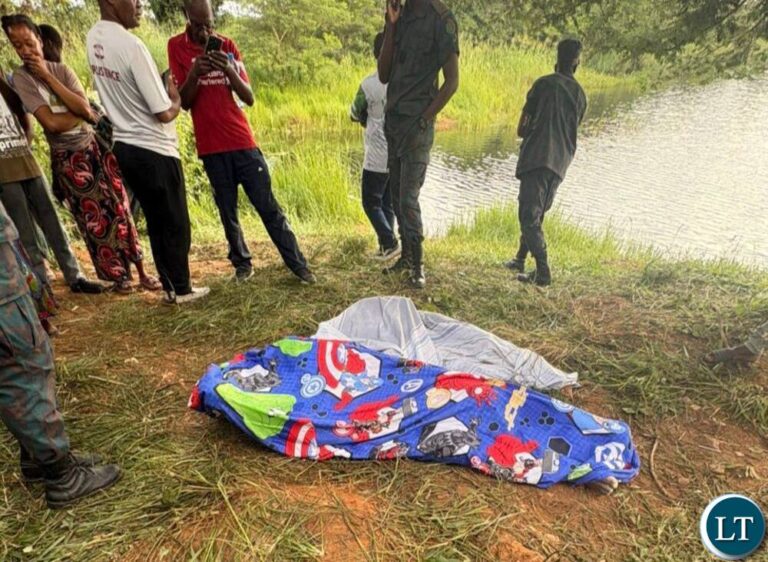
A 40-year-old woman and her 7-year-old daughter have drowned in a water filled ditch while fetching water in Chanda Mwamba Village in Luwingu District in northern province.

Confirming the incident in a statement made to the media in Kasama, Northern Province Police Commanding Officer Simunji Mulonda said the two died around 12:30 hours on Saturday after the daughter slipped into the ditch.

 Mr Mulonda has identified the victims, as Annie Chibusha and her daughter Esther Chibusha.

The Northern Province Commanding Officer disclosed that the mother in an attempt to rescue her child also fell in the ditch and both drowned.

The Police Commanding Officer said the ditch was located in an area where gravel was being mined.

He revealed that a witness who was also fetching water nearby raised the alarm, but villagers who rushed to the scene found the two already dead.

Mr Mulonda said the bodies of the deceased were later retrieved and kept at the family home for burial.

He described the incident as a preventable tragedy.

“This heartbreaking loss highlights the dangers of drawing water from unsafe places. We advise members of the public to use designated wells to avoid such fatalities,” he said.

Mr Mulonda said police visited the scene and confirmed no foul play was suspected adding that an inquiry file had been opened.

In a related development, two people have died after a house collapsed following heavy rains in Kaliminwa village, in Mporokoso District.

Northern Province Police Commanding Officer Simunji Mulonda  confirmed this in a statement and identified the victims, as Saviour Bwalya, 21, and Lillian Kabwe, 14.

Mr Mulonda said the incident occurred between the evening of March 28 and the morning of March 29, 2026, when the house they were sleeping in gave in after being weakened by a heavy downpour.

“The tragedy was discovered early on March 29 when a passerby noticed the collapsed structure and raised alarm. Officers led by Officer-in-Charge Stephen Mulenga rushed to the scene and retrieved the two bodies. Preliminary findings indicated that the victims suffocated after the house caved in on them,” the Commanding Officer disclosed.

He expressed sorrow over the incident and urged communities to build stronger homes.

“This painful loss of young lives is a reminder of the dangers posed by weak housing structures. We urge members of the public to construct houses that can withstand harsh weather conditions to avoid such calamities,” Mr Mulonda said.

He disclosed that the bodies have since been deposited at Mporokoso District Hospital mortuary, awaiting burial arrangements.

Police have opened an inquiry file into the matter.

PF Loses More Members to UPND Ahead of 2026 Polls

The Patriotic Front (PF) has continued to lose members to the ruling United Party for National Development (UPND), just months before the August 13 general elections.

The latest to defect is Masaiti Member of Parliament Michael Katambo, a former Minister of Agriculture under the late President Edgar Lungu.

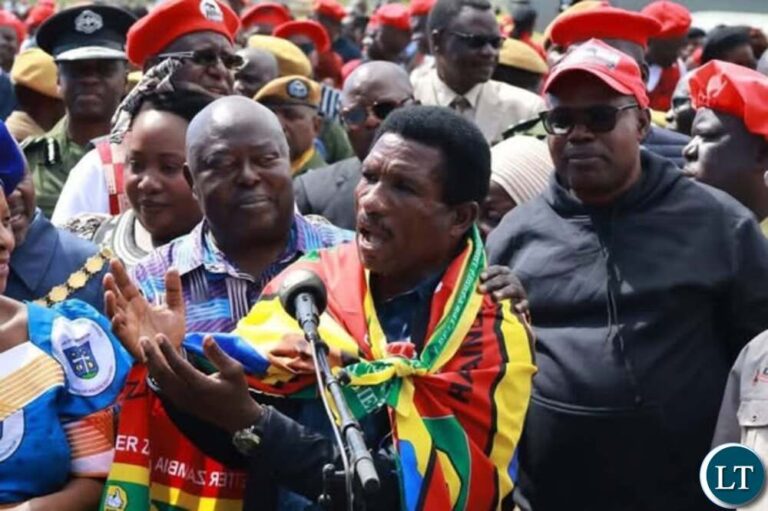
Mr Katambo announced his decision in Western Province during the Kuomboka Ceremony, which was attended by President Hakainde Hichilema.

He attributed his defection to what he described as President Hichilema’s visionary leadership and delivery on key promises, including the enhanced Constituency Development Fund (CDF).

Mr Katambo said his decision was backed by the people of Masaiti, whom he claimed had urged him to support President Hichilema ahead of the 2026 elections.

“I have come to testify to the good works of President Hakainde Hichilema… From now on, Mr President, I am one of you,” he said.

The development comes barely a week after Kanchibiya MP Sunday Chanda and Isoka MP Majory Nakaponda declared their support for President Hichilema’s development agenda.

The two lawmakers were accompanied by Leader of the Opposition and PF acting president Robert Chabinga, along with several other defectors.

Also joining the ruling party were council chairpersons from Nakonde, Chinsali, Shiwang’andu, Isoka, Mafinga and Kanchibiya districts.

Hichilema Targets Doubling of Zambia’s Economy Post-2026 Elections

President Hakainde Hichilema says his administration is working towards doubling Zambia’s economy following the August 13, 2026 general elections.

Speaking during the Presidential Delivery Unit (PDU) National Delivery Day at the Mulungushi International Conference Centre, President Hichilema said the ambitious target would be achieved “God willing, courtesy of the people of Zambia.”

“We want to grow the economy and double it… we are in sight to more than double this economy,” he said.

The Head of State explained that the Presidential Delivery Unit (PDU), established in March 2023, was created to accelerate the implementation of key government priorities and improve service delivery.

He said the initiative aligns with government’s broader objective of enhancing economic growth and improving living standards.

President Hichilema further emphasised the need for provinces to leverage their natural resources and comparative advantages to drive local and national economic growth.

“We need the mindset to change, then drive the regional economy… the endowments are there,” he said, adding that regions with untapped potential would be targeted to boost productivity.

Zambia’s economy grew by 4.5 percent in the first quarter of 2025, recovering from a slower pace in 2024 despite challenges such as drought and low electricity supply.

The International Monetary Fund (IMF) has projected that Zambia’s economy will grow by 6.2 percent this year, a figure the President said he aims to surpass.

He noted that provinces such as Luapula Province have the potential to contribute significantly more to the national economy if their resources are fully utilised.

Diesel shortage lifts, scrutiny intensifies

Diesel has returned to filling stations across Zambia, but attention has moved from availability to whether the earlier shortage was driven by deliberate withholding within the supply chain.

The shift in focus follows a warning from President Hakainde Hichilema that licences could be revoked if suppliers failed to meet demand. Shortly after that intervention, fuel began to reappear, creating a sequence that has raised questions about how the shortage developed and why supply improved so quickly.

The timing has drawn calls for accountability. c has urged authorities to identify companies suspected of hoarding diesel, arguing that the pattern of scarcity followed by sudden release cannot be treated as a routine supply fluctuation. He says the public deserves clarity on whether the shortage was the result of genuine logistical challenges or market behaviour designed to restrict availability.

Fuel shortages carry immediate consequences across the economy. Transport operators are forced to scale down activity, costs rise across supply chains, and small businesses dependent on steady fuel access struggle to operate. The disruption extends beyond mobility, feeding into food prices, service delivery and the daily cost of living. When supply returns abruptly, it changes how those earlier impacts are interpreted.

This is where the story shifts. A shortage linked to import delays or distribution constraints would follow a predictable pattern tied to logistics and timing. A shortage that disappears rapidly after regulatory pressure suggests a different dynamic. That distinction is critical, because it determines whether the issue is structural or behavioural.

Government intervention appears to have played a decisive role. The threat to revoke licences is one of the strongest regulatory tools available in the energy sector, and its immediate effect suggests that suppliers responded to pressure. What remains unclear is whether that response reflects compliance with existing obligations or an adjustment to avoid sanctions after withholding supply.

No company has been publicly named in connection with hoarding. Authorities have not announced any formal investigations or enforcement actions. That gap leaves the situation unresolved, even as the market stabilises. Without disclosure, suspicion continues to circulate without confirmation or dismissal.

The petroleum sector operates within a tightly regulated framework, where licences are tied to compliance with supply obligations. Enforcement mechanisms exist to prevent market distortion, but their effectiveness depends on consistent application. A shortage that raises questions about hoarding places those mechanisms under scrutiny.

There is also a broader issue of trust. Consumers and businesses rely on predictable fuel availability. When supply becomes uncertain, it affects planning, pricing and confidence in the system. A return to normal supply is only part of the solution. Understanding the cause of the disruption is equally important in restoring confidence.

The current situation leaves two possible interpretations. One is that supply constraints were resolved through intervention and coordination. The other is that market actors responded to regulatory pressure after withholding fuel. The difference between those explanations will shape how future shortages are handled.

If hoarding occurred, identifying and penalising responsible parties would establish a deterrent against similar behaviour. If it did not, authorities will need to explain what structural weaknesses allowed the shortage to develop and how they will be addressed going forward.

The diesel crisis has therefore moved beyond availability. It now sits at the intersection of regulation, market conduct and public accountability. Supply has returned, but the underlying questions remain unanswered.

Lightning Strike Kills 11 Animals in Nyimba

1

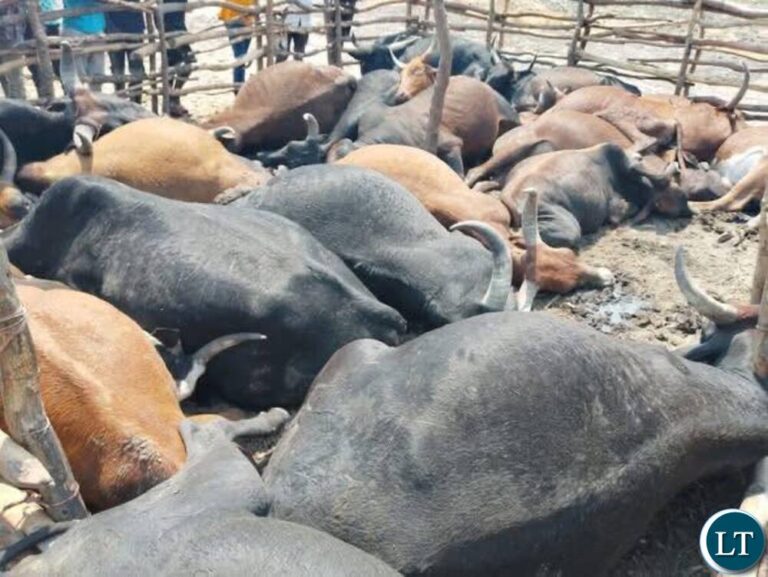
Eleven animals valued at K71,500 have been killed by lightning in Nyimba District in Eastern Province.

The incident occurred in Kamponi Village under Chief Ndake at around 15:40 hours, according to Eastern Province Police Commanding Officer Robertson Mweemba.

Mr Mweemba said the animals belonged to Fackson Daka, who had reportedly secured them in a kraal before leaving for his home.

However, shortly after, the area experienced heavy rainfall accompanied by a powerful storm and intense lightning, which struck and killed the animals instantly.

The development comes barely a day after a 15-year-old girl tragically lost her life due to a lightning strike in the same district.

Following the incident, relatives of the livestock owner moved in to dispose of the carcasses.

UPND Preparing for Convention, Says Mwiimb

United Party for National Development (UPND) Legal and Constitutional Affairs Chairperson Jack Mwiimbu says the party has not refused to hold a convention and is currently making arrangements for one.

Speaking at a press briefing in Livingstone, Mr Mwiimbu said the UPND remains committed to upholding democratic principles.

He, however, noted that the party would not discuss the matter on social media or other public platforms, as it is currently before the courts.

Mr Mwiimbu was referring to a case filed by Charles Longwe, who has alleged that the UPND has failed to hold a convention.

He said the party has since engaged its legal team to handle the matter through the courts in line with established procedures.

Mr Mwiimbu further questioned Mr Longwe’s standing in the party, stating that if he were a genuine member, he would have raised the issue through internal party structures rather than seeking legal action.

Zambia, Sweden Sign Political Consultations Agreement

0

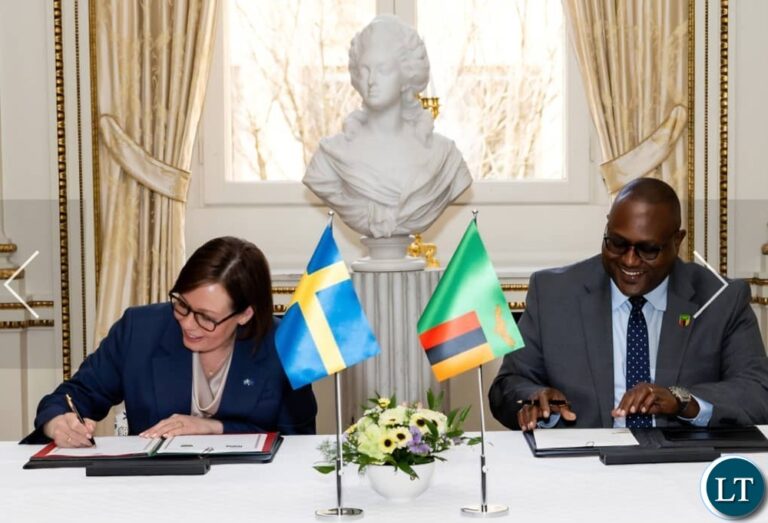
Zambia and Sweden have signed a Memorandum of Understanding on Political Consultations, establishing a framework for regular dialogue and engagement between the two nations.

The agreement signals a strengthened commitment to deepening bilateral relations into a more strategic and results-oriented partnership.

Foreign Affairs and International Cooperation Minister Mulambo Haimbe signed on behalf of the Zambian Government, while Maria Malmer Stenergard signed on behalf of the Swedish Government.

Mr Haimbe is currently in Sweden at the invitation of Ms Stenergard.

The visit also saw the inaugural session of the Political Consultations held at Sweden’s Ministry of Foreign Affairs.

The platform is expected to enable both countries to review existing cooperation, explore new areas of collaboration, and exchange views on regional and global issues of mutual interest.