Monday, June 8, 2026
15.8 C
Lusaka
Home Blog Page 99

Sunday Chanda, Chabinga Defect to UPND

6

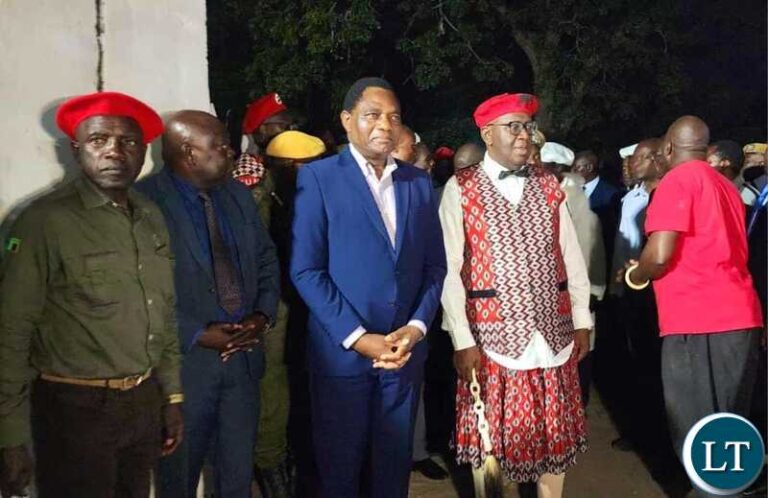
Patriotic Front (PF) Kanchibiya Member of Parliament Sunday Chanda and Mafinga lawmaker Robert Chabinga have defected to the United Party for National Development (UPND).

Chanda, a former PF media director, was previously known for his strong criticism of the ruling party prior to President Hakainde Hichilema’s election victory. However, in 2022, he shifted from being a critic to supporting government policies.

Chabinga has been aligned with the ruling party since 2023, when he was appointed Leader of the Opposition in Parliament.

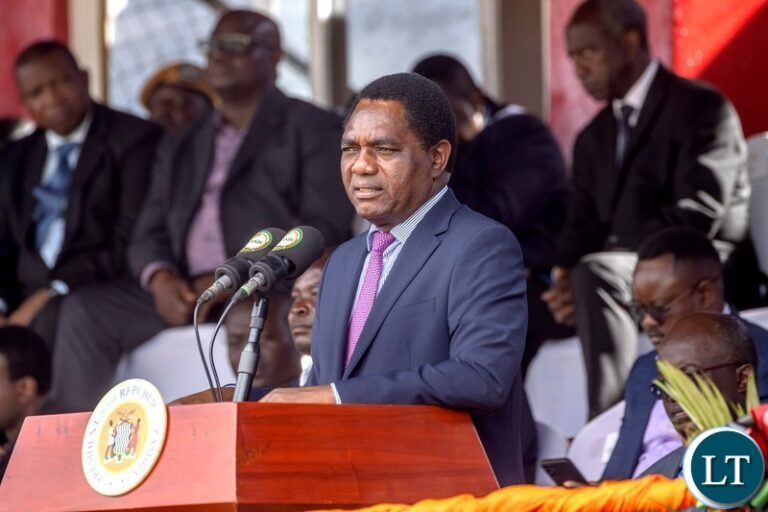
Speaking during a public engagement in Nakonde where President Hichilema met UPND members, Chanda announced his decision to join the ruling party, citing the President’s leadership style.

“If there was a person President Hichilema was supposed to beat when he became president, it’s me because I used to criticise him harshly. But he told me that I didn’t know what I was doing and told me to work with him,” Chanda said.

He added that his decision to work with the President had contributed to development in his constituency.

Chanda also announced that eight councillors from Kanchibiya Constituency had defected with him to the UPND.

“I have eight councillors as MP here, these eight councillors are all coming with me to UPND. No one is remaining behind. What Kanchibiya is today is not what it was five years ago,” he said.

He attributed development in the area to his collaboration with the Head of State.

Meanwhile, Isoka Member of Parliament Majorie Nakaponda also defected to the ruling party along with 57 councillors, mayors, and council chairpersons.

President Hichilema welcomed the defectors, stating that he held no resentment despite past criticism.

“Sunday Chanda, my young brother used to talk a lot back then but I told him let’s work together. I like your talent and we are working well,” he said.

The President added that he remains committed to serving all citizens and delivering development across the country.

Zambia Opens Upgraded Nakonde Border Post With 30-Second Truck Processing

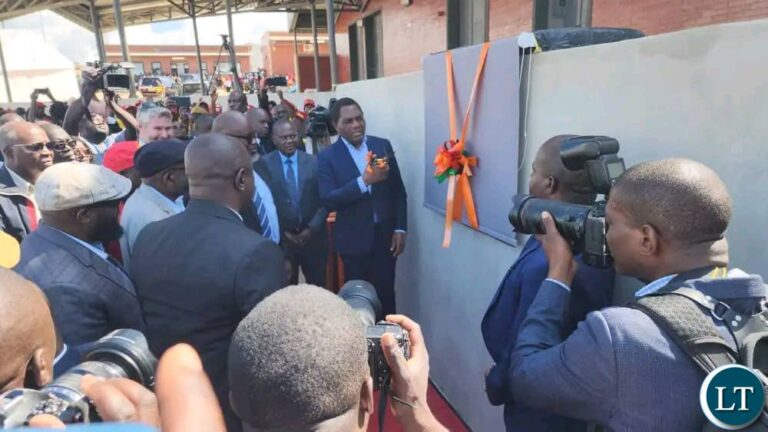
President Hakainde Hichilema commissioned the upgraded Nakonde One-Stop Border Post on Thursday, reducing truck clearance times from 30 minutes to 30 seconds as part of a broader infrastructure push to position Zambia within the African Continental Free Trade Area.
The facility, which connects Zambia and Tanzania, now processes vehicles through modern scanning technology that eliminates the need for multiple inspections on both sides of the border. Government secured US$19.6 million from the World Bank for phase two of the project, building on US$10 million in British government support for the initial upgrade.
The commissioning marks a significant shift in how Zambia handles cross-border trade at one of its busiest entry points. President Hichilema said the upgrade transforms Nakonde from a bottleneck into a gateway, with implications for regional commerce and government revenue collection.
“We were not realising its true potential, slowing down everything here,” the president said during the ceremony. “One truck taking 25 to 30 minutes to scan. Now it takes 30 seconds.”
The infrastructure overhaul includes installation of modern scanning equipment, expanded parking bays, and improved facilities for clearing agents. President Hichilema emphasized that faster processing times would increase the volume of trucks handled daily, directly boosting income for clearing agencies whose earnings depend on traffic volume.
Revenue generated from the increased throughput will support social sectors including free education, teacher employment, and water and sanitation programs, according to the president. He noted that the facility now occupies its proper position within the African Continental Free Trade Area framework.
Minister of Infrastructure, Housing and Urban Development Charles Milupi confirmed that phase two will commence immediately, with additional infrastructure including an incinerator house, guard towers, security dog kennels, storm water drainage systems, water storage tanks, pump houses, staff parking areas, bus shelters, isolation centers and traffic roundabouts.
The border upgrade forms part of a larger connectivity strategy. President Hichilema announced that Zambia and Tanzania are accelerating procurement for expansion of the TAZAMA pipeline, with new pumping stations to extract fuel along the route rather than transporting all petroleum products to Ndola before redistribution by road.
“We don’t want the fuel to pass through and go to Ndola only to come back by road,” the president explained. “This time around, we are putting pump stations to extract fuel along the way so that we don’t double transport it and damage our roads.”
Three new petroleum storage depots in Mongu, Mansa and Chipata began operations with a combined capacity of 20 million litres, supplementing existing facilities in Ndola and Mpika. The depots strengthen national fuel reserves and ensure steady supply across all regions.
Minister of Energy Permanent Secretary Ephraim Munshifwa reported that diesel stocks stood at 285 million litres as of the commissioning, representing approximately 56 days of coverage based on average national daily consumption of five million litres. Petrol reserves total 40 million litres, providing 23 days of coverage, while kerosene stocks reach 65.9 million litres for 9.3 days of supply.
The infrastructure investments address longstanding concerns about border efficiency. Minister of Commerce, Trade and Industry Chipoka Mulenga said Zambia and Tanzania resolved persistent challenges including repeated inspections and operational delays that previously frustrated traders, truck drivers and clearing agents.
“The complaints from truck drivers and clearing agents have been consistent, but we have listened and acted,” Mulenga said. “Once scanning is done on one side, there will be no need for further checks on the other side.”
The number of border agencies operating at the facility decreased from 13 to six, streamlining operations and reducing bureaucratic obstacles. Mulenga described the transformation from a one-stop border post to a non-stop border system as gaining momentum through government commitment to trade infrastructure improvement.
Modern scanning technology reduced processing time from approximately 30 minutes to 30 seconds per truck, significantly enhancing revenue collection and operational efficiency. The president noted that increased traffic volumes would generate higher government revenues, which would flow back into social service provision.
President Hichilema emphasized the strategic importance of the Zambia-Tanzania partnership, noting that instability in either nation would immediately affect the other. “If Zambia blows up, Tanzania will feel the pinch. If Tanzania blows up, Zambia will be in intensive care instantly,” he said.
The commissioning coincides with broader economic reforms, including the government’s transition to a 24-hour economy model announced earlier in the week. Chief Government Spokesperson Cornelius Mweetwa said Cabinet approved round-the-clock operations for supermarkets, markets, bus stations and other key facilities to boost productivity and economic activity.
However, the Road Transport and Safety Agency clarified that night travel restrictions on public service vehicles remain in effect despite the 24-hour economy policy. RTSA head of public relations Chilufya Mwelwa said the ban continues as part of ongoing road safety efforts to reduce accidents during high-risk nighttime hours.

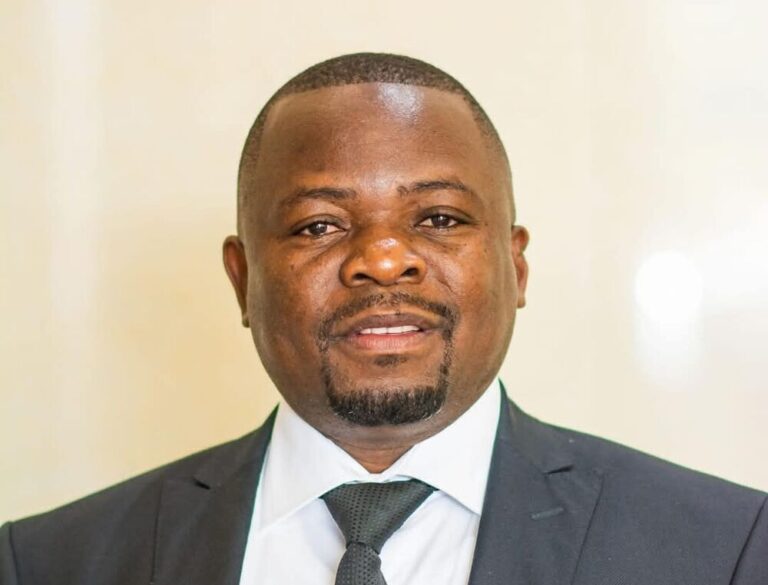
Court Freezes PF Records in Ng’ona–Sampa Dispute

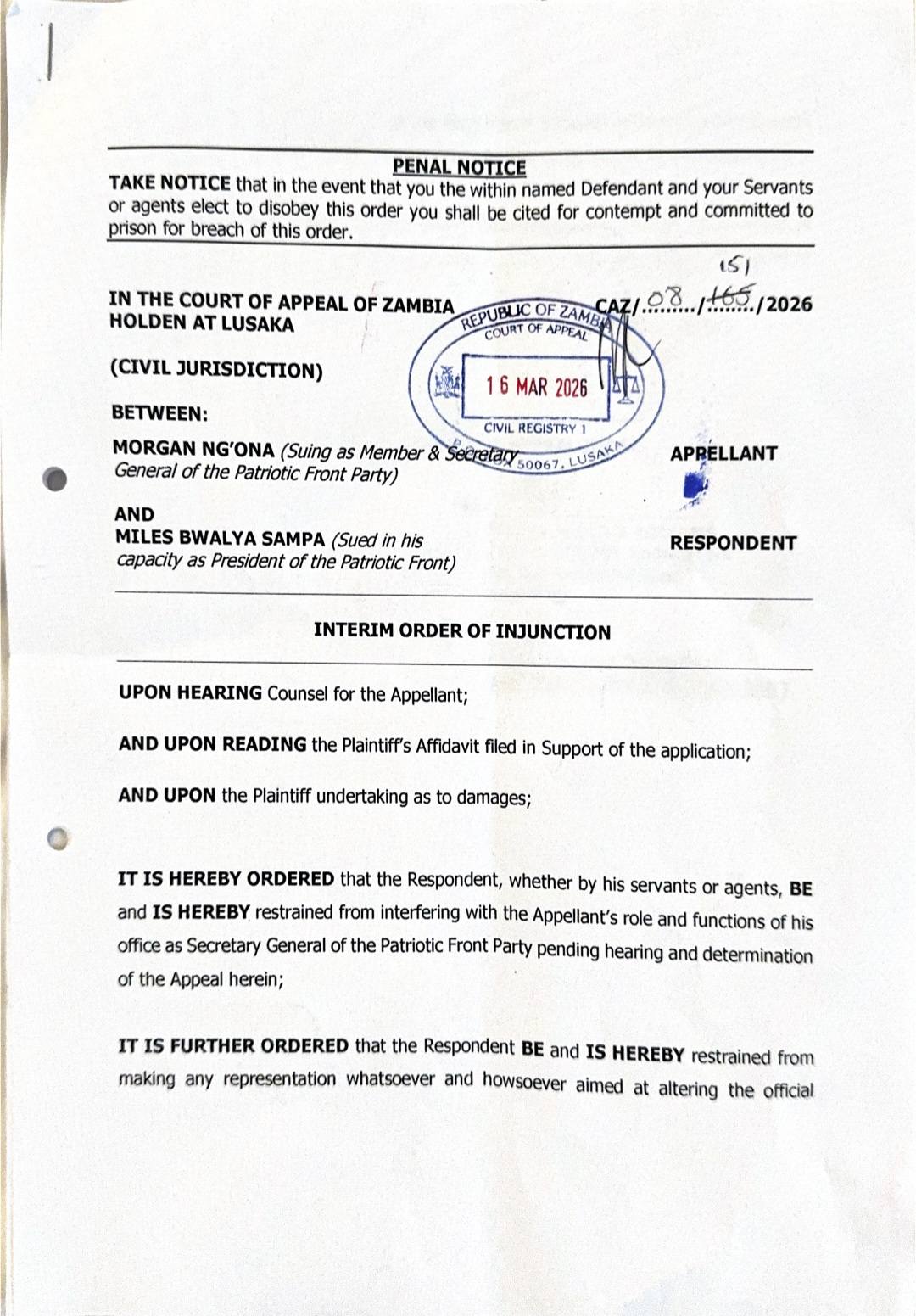
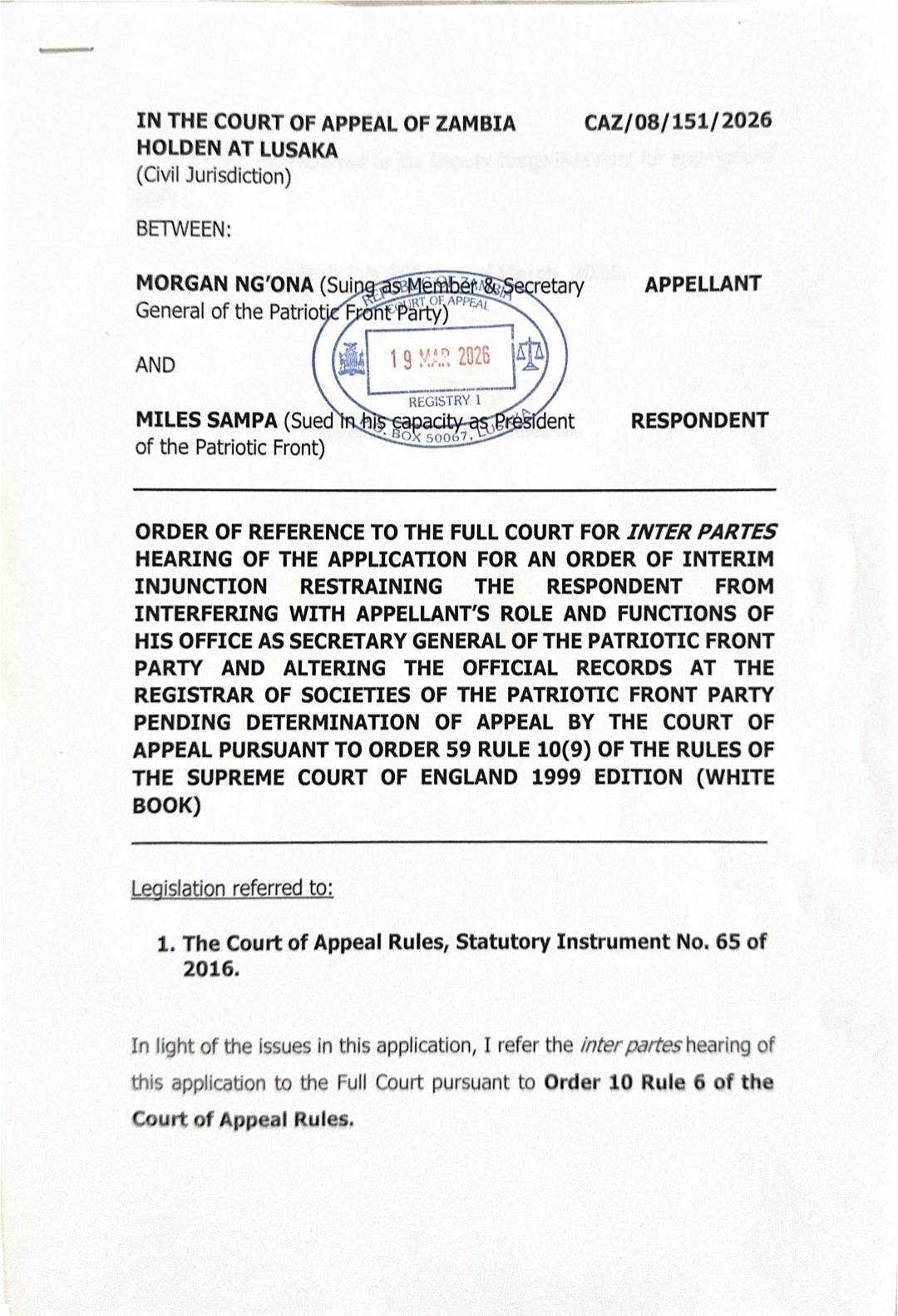
The Court of Appeal has restrained Miles Bwalya Sampa from interfering with the office of Morgan Ng’ona and from altering Patriotic Front records at the Registrar of Societies, placing the party’s internal dispute under judicial control pending a full hearing.

The interim order, issued in Lusaka under case CAZ/08/151/2026, arises from an appeal filed by Ng’ona, who is listed in court documents as suing in his capacity as member and Secretary General of the Patriotic Front. Sampa is cited as respondent in his role as party president. The order sets immediate limits on actions affecting the party’s administrative structure while the court considers the underlying dispute.

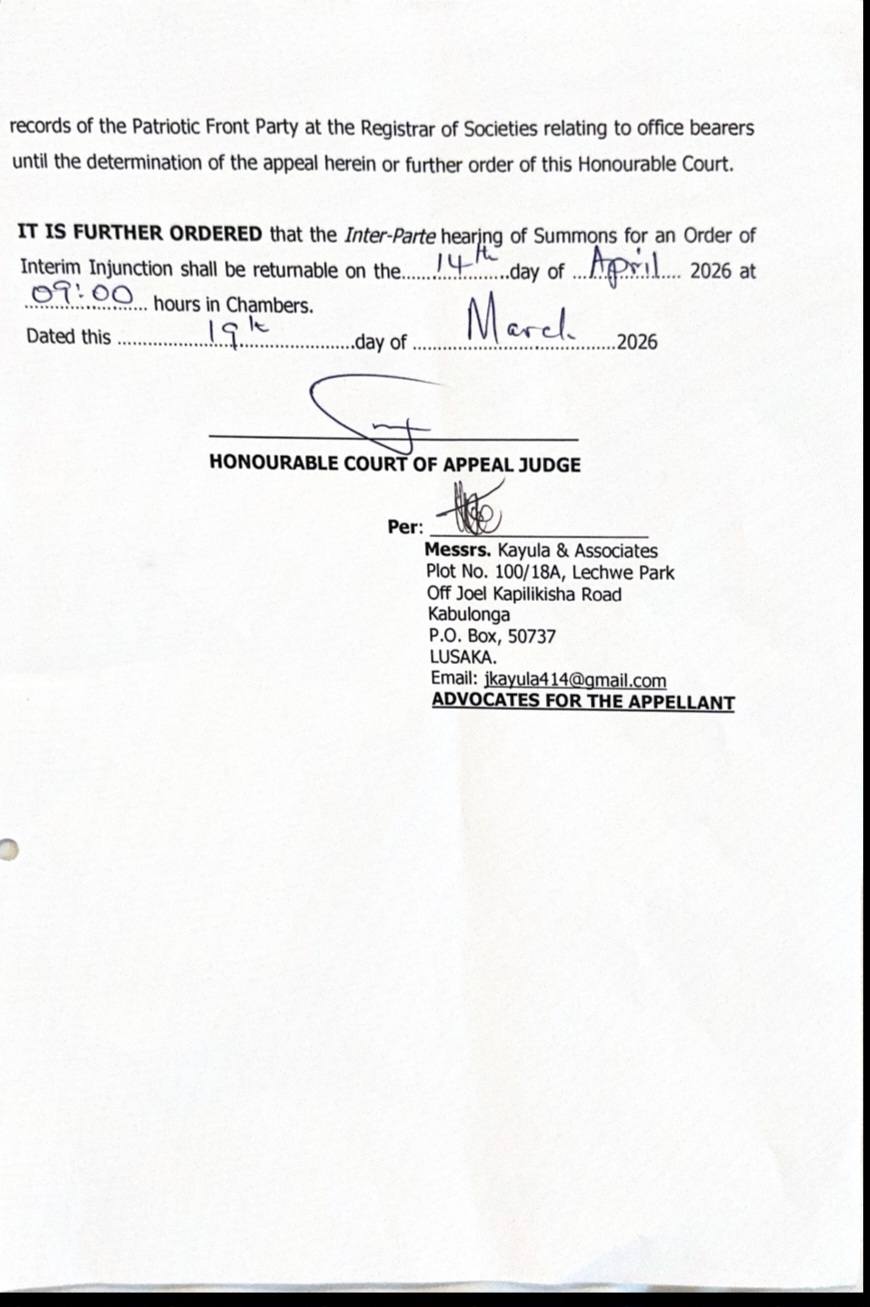
Court records show that the application was supported by an affidavit and argued by counsel for the appellant before the Court of Appeal granted interim relief. The court directed that Sampa, whether acting personally or through agents, must not interfere with Ng’ona’s role and functions as Secretary General. The restriction extends to any attempt to alter official party records maintained at the Registrar of Societies.

The order also carries a penal notice warning that disobedience may result in contempt proceedings, including committal to prison for breach. The notice underscores the binding nature of the directive and signals that the court expects strict compliance while the matter proceeds.

The dispute centres on control and recognition of office bearers within the Patriotic Front, an issue that has been the subject of competing claims within the party. By issuing the interim injunction, the court has preserved the existing administrative position pending determination of the appeal.

An inter partes hearing has been scheduled for 14 April 2026 at 09:00 hours, where the court will consider arguments from both parties on whether the injunction should remain in force, be varied, or discharged. The scheduling of a full hearing places the matter on a defined legal timetable, with both sides expected to present their positions in detail.

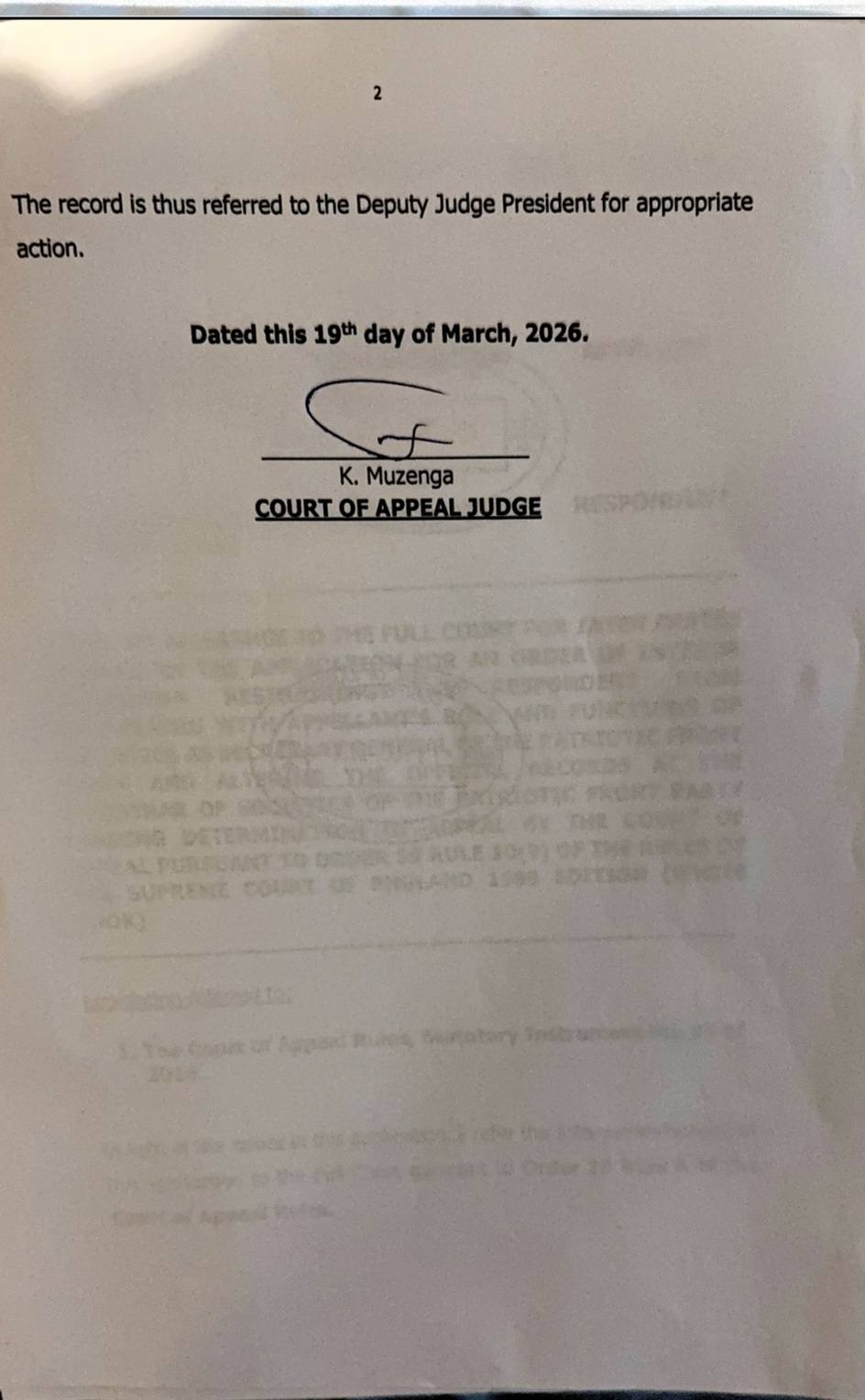
In addition to the interim order, the matter has been referred to the Deputy Judge President for appropriate action, and further directed to the full court for consideration. The referral reflects the weight of the issues raised in the application and the potential implications for party governance.

The court documents cite reliance on the Court of Appeal Rules, Statutory Instrument No. 65 of 2016, alongside procedural provisions drawn from Order 59 Rule 10(9) of the Rules of the Supreme Court of England, 1999 edition. The reference situates the application within established procedural frameworks governing injunctions and appellate proceedings.

The order itself was dated 19 March 2026 and signed by K. Muzenga, identified in the document as a Court of Appeal Judge. The record indicates that the court considered the submissions before granting the interim measures now in force.

Legal representation for the appellant is listed as Messrs. Kayula & Associates, with an address in Kabulonga, Lusaka. The filing places the case within the formal appellate process, where the court will determine the legality and scope of actions taken in relation to party leadership positions.

The ruling establishes a temporary legal position that prevents changes to the Patriotic Front’s official records and leadership functions until the appeal is resolved. The outcome of the April hearing will determine whether the restrictions remain or are adjusted as the case progresses.

Mourners Gather for Funeral of Church Members Killed in Choma Road Accident

0

 Mourners have gathered at the Assemblies of God Church Chawama for the funeral service of two National Women Ministry members who died in a road accident in the Tara area Choma District.

The two were among nine people who lost their lives in the crash.

The victims were travelling from Livingstone on the day of the  when their Toyota Hiace minibus, carrying church members, was involved in a head-on collision with an oncoming vehicle along the Choma–Livingstone road.

Witnesses said the impact was severe, leaving 9 passengers with fatal injuries at the scene, while others sustained injuries and were rushed to nearby health facilities.

The accident occurred in the Tara area of Choma District. Authorities later confirmed that nine people died as a result of the collision.

Mundubile Blocked From Travelling Abroad

The Tonse Alliance has condemned the blocking of its president Brian Mundubile from boarding an international flight, describing the incident as an abuse of state authority and a violation of constitutional rights.

In a press statement issued by George Chisanga MP, the alliance states that the action raises serious concerns about freedom of movement and the state of democratic governance in Zambia ahead of the 2026 elections. The development places the incident at the centre of growing political tension, with the alliance framing it as a direct restriction on a senior opposition figure.

The statement says the decision to prevent Mundubile from travelling was unjustified and demands an immediate explanation from authorities responsible for the action. It also calls for the unconditional restoration of his right to travel and accountability for officials involved.

Freedom of movement is recognised under Zambia’s legal framework, and the alliance argues that any limitation must be grounded in law. It maintains that the blocking of Mundubile does not meet that threshold and instead reflects misuse of state systems.

The incident is presented as part of a wider political environment in which opposition figures are facing increased pressure ahead of national elections. The alliance links the development to what it describes as a pattern affecting political actors outside government.

“The arbitrary restriction of this right particularly against a leading opposition figure—is not only unlawful, but also a direct attack on democracy itself,” the statement reads.

Tonse Alliance further states that the development undermines confidence in democratic processes and may have implications for political stability. It warns that actions targeting opposition leadership risk heightening tensions in an already charged electoral environment.

The statement references international attention on Zambia’s governance climate, citing concerns raised in external reports regarding democratic space. It argues that incidents such as this reinforce those concerns and warrant scrutiny.

Mundubile’s reaction, as conveyed in the statement, reflects strong dissatisfaction, with the alliance describing him as shocked by the situation and its broader implications for governance.

The alliance is calling on citizens, civil society organisations, religious institutions, and international stakeholders to take note of the development and support efforts aimed at protecting constitutional freedoms.

It maintains that Zambia’s democratic framework must be upheld through adherence to the rule of law and equal application of rights, regardless of political affiliation.

Full Statement Below.

PRESS STATEMENT
For Immediate Release

Condemnation of the Blocking of Brian Mundubile from International Travel

The Tonse Alliance expresses its strongest condemnation of the deeply troubling and unjustified action taken today to block its President, Brian Mundubile, from boarding a scheduled international flight.

This incident represents a dangerous escalation in the abuse of state institutions and raises serious concerns about the erosion of constitutional freedoms in Zambia.

The freedom of movement is a fundamental right guaranteed to every citizen under the laws of our Republic. The arbitrary restriction of this right—particularly against a leading opposition figure—is not only unlawful, but also a direct attack on democracy itself.

We therefore demand:

An immediate and full explanation from relevant authorities regarding the legal basis of this action. The unconditional restoration of Hon. Mundubile’s right to travel freely.

Accountability for all officials involved in this abuse of power.

This incident cannot be viewed in isolation. It forms part of a broader and worrying pattern of intimidation and suppression directed at opposition leaders ahead of the upcoming elections.

Such actions undermine the credibility of our democratic processes and elections and threaten national stability.

Let us be clear: Zambia does not belong to any political party or administration—it belongs to its people.

The Tonse Alliance will not be intimidated. We will continue to stand firm in defending democracy, the rule of law, and the rights of all citizens.

President Mundubile is totally flabbergasted at what the country has become under the UPND where the have taken Zambia back to the stone age!

Recently, the US State Department, UN Human Rights Watch charged that Zambia’s democratic space had drastically.

We call upon the people of Zambia, civil society, the church, and the international community to take note of this development and to stand in defense of constitutional order.

Issued by:

GEORGE CHISANGA MP
PRESIDENTIAL SPOKESPERSON

Rains washes away ZPL matches

1

Two (2) Super League matches were on Thursday afternoon halted in the first half due to bad weather on the Copperbelt Province.

‎At the Arthur Davies Stadium in Kitwe, referee Emmanuel Njelenzi was forced to stop the match between league leaders Power Dynamos and FC Leopards after heavy rains.

‎The score-line was goalless when the match was stopped seven minutes into the first half.

‎According to the Power media, the match will continue on Friday at 10h00.

‎”Today’s match couldn’t proceed due to a heavy downpour.Preliminary agreements are suggesting we continue the game tomorrow at 10:00 hours,” the statement from Power read.

‎Power top the league with 51 points in 23 matches, while Leopards are second from the bottom of the table with 20 points in 25 matches.

‎At Nchanga Stadium in Chingola, the match between Nchanga Rangers and Zesco United was stopped due to rains five minutes into the second half.

‎This match will also continue on Friday morning at 10:00 hours.

Kasune Urges Women to Target Male-Dominated Constituencies

 Justice Minister Princess Kasune has urged women aspiring to join Parliament to contest in male-dominated constituencies rather than areas already represented by female lawmakers.

Ms Kasune, who is the incumbent Member of Parliament for Keembe Constituency, said women must be strategic in their political ambitions if the country is to achieve balanced representation.

Speaking during the launch of the Voice of the People (VoP) initiative under the theme “Strengthening local voices in Constitutionalism, Governance and Democracy in Zambia,” she encouraged women to expand their participation beyond constituencies currently held by female leaders.

“Women, go where there are more men, don’t come to Keembe, I’m already there. Go where there are more men so that we can have balanced representation,” Ms Kasune said.

She added that women should not be satisfied with the limited number of seats allocated through constitutional provisions, but instead push for greater inclusion in Parliament.

“Can you imagine a Parliament where 50 percent are men and 50 percent are women? Wouldn’t that be beautiful?” she said.

Ms Kasune further encouraged women to remain active in politics and continue seeking more opportunities beyond the gains already made.

She also called on youths to take advantage of opportunities created through constitutional reforms, noting that provisions now exist to enhance representation for youths, women and persons with disabilities.

On December 18 last year, President Hakainde Hichilema assented to the Constitution of Zambia (Amendment) Bill No. 7 of 2025, turning it into law.

The amendment seeks to revise the composition of the National Assembly and increase the number of constituency-based seats, in line with the Electoral Commission of Zambia delimitation report.

It also introduces a mixed-member proportional representation system aimed at guaranteeing representation for women, youths and persons with disabilities in Parliament.

President Hichilema to Attend Kuomboka Ceremony

3

 President Hakainde Hichilema is expected to attend this year’s Kuomboka Ceremony scheduled for next Saturday, Western Province Permanent Secretary Simomo Akapelwa has announced.

Mr Akapelwa emphasised the importance of unity, cooperation and adherence to guidance from authorities before, during and after the ceremony. He described the Kuomboka Ceremony as a significant cultural event that brings people together.

He said government, in collaboration with various stakeholders, had put in place all necessary measures to ensure the event is held in a safe, orderly and successful manner.

“Government, working in collaboration with various stakeholders, is fully prepared to support the successful hosting of this important traditional event,” Mr Akapelwa said during a joint press briefing.

Meanwhile, Western Province Police Commanding Officer Rae Hamoonga confirmed that adequate security arrangements have been made to guarantee the safety of participants and visitors. He urged members of the public to remain law-abiding and cooperate with security personnel throughout the ceremony period.

Mongu Town Clerk Oliver Muuka said the local authority is prepared to ensure proper sanitation, waste management and public order in Mongu and surrounding areas. He called on residents and business operators to maintain cleanliness and comply with local regulations.

Earlier, Mongu District Health Director Silwendo Lioma assured the public of the health sector’s readiness to respond to any emergencies.

“We encourage adherence to public health guidelines, including maintaining hygiene standards, to safeguard the wellbeing of attendees,” Dr Lioma said.

President Hichilema Commissions Upgraded Nakonde One Stop Border Post

0

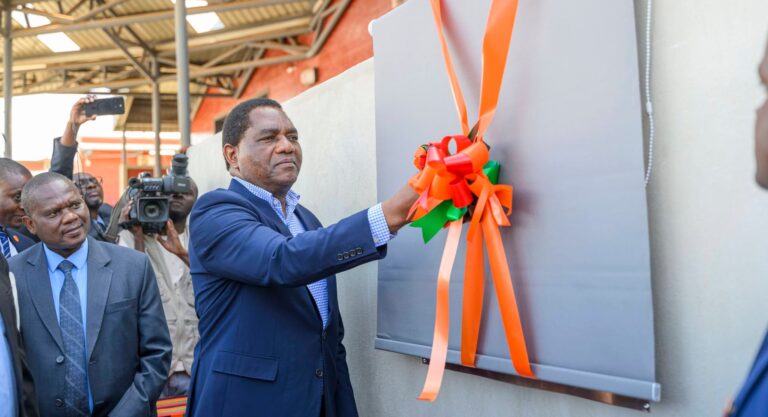
President Hakainde Hichilema has commissioned Phase One of the upgraded Nakonde One Stop Border Post (OSBP) in Nakonde District of Muchinga Province.

Speaking during the commissioning ceremony today Thursday, President Hichilema described the facility as a major milestone for trade, revenue generation and regional integration. He said the modernised border post would improve the movement of goods and people between Zambia and Tanzania.

“The modernised border post will enhance efficiency in the movement of goods and people between Zambia and Tanzania. There is a need to move towards a single digital identity system to further ease cross-border movement,” President Hichilema said.

He noted that Zambia had not fully utilised the potential of the Nakonde Border Post in the past, resulting in slow clearance processes and limited earnings for clearing agents.

President Hichilema said the upgraded infrastructure would increase government revenue, which would support social programmes such as free education, teacher recruitment, provision of desks, improved water and sanitation, and the school feeding programme.

He also commended traditional leaders in the area for providing land for the project and acknowledged the support of cooperating partners, including the British High Commission, contractors and the local community.

The President said the Nakonde One Stop Border Post aligns with the goals of the African Continental Free Trade Area by facilitating trade and improving regional connectivity. He added that Phase Two of the project is expected to commence soon.

President Hichilema further announced that government was accelerating other strategic projects, including the Zambia-Tanzania power interconnector, the revitalisation of the Tanzania-Zambia Railway Authority and the expansion of the pipeline to improve transportation of petroleum products.

He also revealed that construction of an international airport in Nakonde’s Mwenzo area had begun, saying the facility would transform the district into a key economic hub.

“We do not want Nakonde to be just a transit point, but an interconnector to different markets. Zambia is not landlocked but land-linked,” he said.

Infrastructure, Housing and Urban Development Minister Charles Milupi said Phase One of the project, funded by the British Government, included the procurement and installation of a modern drive-through cargo scanner capable of scanning more than 100 trucks per hour.

He said the phase also covered the construction of a truck parking yard, warehouses, offices, a verification shed, customs enforcement buildings, and other supporting infrastructure, including electrical installations and drainage systems.

Mr Milupi added that the World Bank had provided a grant of US$19.6 million to support Phase Two of the project.

He noted that Nakonde Border, together with its twin border of Tunduma in Tanzania, is one of the busiest entry and exit points for cargo in the region.

The Nakonde OSBP is strategically located along the North-South and Dar es Salaam Corridors, serving as a key gateway to the port of Dar es Salaam and facilitating imports and exports.

The project has been implemented by the Government of Zambia with support from TradeMark Africa.

The One Stop Border Post concept allows for joint processing by Zambia and Tanzania, reducing crossing times, improving efficiency and strengthening regional trade integration.

President Hichilema Warns Public Against Fraudsters Using His Name

4

 President Hakainde Hichilema has cautioned the public against falling victim to fraudsters who are exploiting his name to promote fake Ponzi schemes.

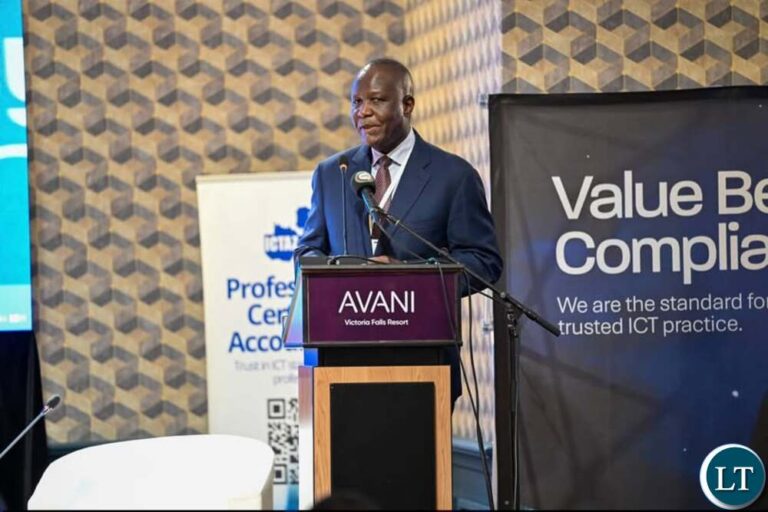
Speaking at the Information and Communication Technology Association of Zambia (ICTAZ) annual conference in Livingstone , President Hichilema said he has personally been targeted by cybercriminals using his identity to lure unsuspecting citizens into fraudulent online deals.

The President described the growing misuse of technology as a serious concern, noting that while technological advancements are crucial for development, they are increasingly being abused to steal money, harass citizens, and spread scams.

“I am even a subject of this. People are using my name to promote Ponzi schemes. HH is not sponsoring those things,” President Hichilema said.

He warned that such scams mislead citizens into believing they can earn substantial returns through false digital platforms. “Can you contribute so much so that you can be paid so much? Let’s fight this together,” he added.

President Hichilema also urged ICT professionals to take responsibility in curbing cybercrime, emphasizing that their skills should be used to protect people rather than exploit them.

“The same skill that you hold can be used dangerously. Let us be proper professionals by using our skills to solve problems, not to steal money or entice people into Ponzi schemes,” he said.

The Head of State called on ICT experts to act responsibly and uphold professionalism, stressing that technology should be applied to address real problems and improve lives rather than defraud citizens.

“Help us to fight cybercrimes; we love technology, but it is also becoming a menace, used to harass women, steal money, spread Ponzi schemes and even pull down systems,” President Hichilema added.

Mutati Calls for Increased Digital Consumption to Achieve $60 Billion Economy

0

Minister of Technology and Science Felix Mutati says Zambia must significantly increase digital consumption to achieve its target of growing the economy to $60 billion.

According to the International Monetary Fund (IMF), Zambia’s nominal Gross Domestic Product (GDP) for 2025 is estimated at $29.37 billion.

Speaking at the Information and Communication Technology Association of Zambia (ICTAZ) conference in Livingstone, Mutati said while government has made progress in expanding digital infrastructure, more effort is needed to ensure citizens actively use available technology.

He noted that connectivity alone is not sufficient without increased usage, describing digital consumption as the missing link in unlocking the full potential of the ICT sector.

“We are at 40 percent in terms of consumption of internet. We need to move beyond that. If we need to get to US$60 billion economy, we must lift that to 80 percent,” Mutati said.

He explained that government has laid a strong foundation through reforms and infrastructure investments, including the expansion of fibre connectivity across the country.

Mutati said fibre network coverage has grown from 15,000 kilometres to over 45,000 kilometres, attributing the increase to policy measures such as the removal of import duty on digital infrastructure.

“That doesn’t happen by accident, it is because of the reforms that were undertaken,” he said.

He added that while the ICT sector has become more resilient and accessible, the focus must now shift toward increasing usage.

The minister also highlighted initiatives aimed at boosting digital participation, including the rollout of free public internet under the HH ZAM free WiFi programme.

He said the initiative, being implemented in collaboration with ICTAZ, is expected to expand access and encourage more citizens to engage in digital activities.

“Free Wi-Fi will increase digital consumption by making technology accessible to ordinary people,” he said.

Meanwhile, Mutati revealed that the technology sector recorded a milestone in 2025 by raising capital on the Lusaka Stock Exchange’s alternative market, which had remained inactive for years.

“In 2025, the tech sector became the first to raise capital on the alternative market, and it was oversubscribed by 114 percent,” he said.

Catholic Priest Criticises Opposition Alliances as Lacking Vision

 A Copperbelt-based Catholic priest has criticised the growing formation of political alliances in Zambia, describing them as largely ineffective and lacking clear purpose.

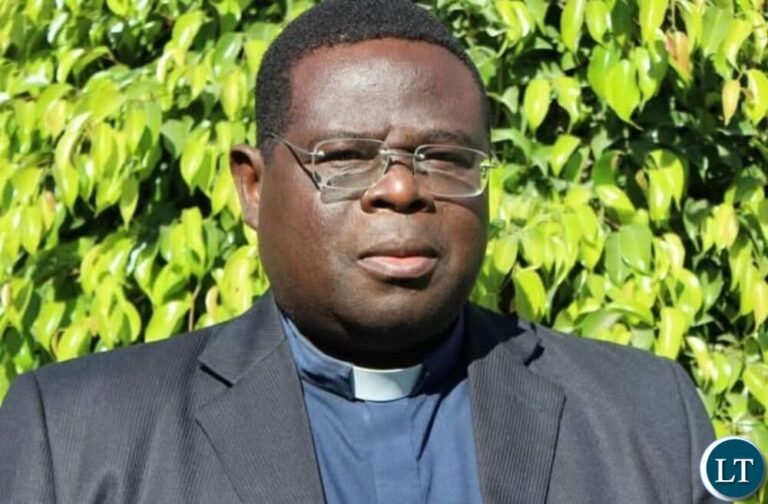
Speaking in an interview, Fr. Elias Muma, Parish Priest at Sacred Heart Parish in Luanshya, said the rise in alliances reflects a culture of individualistic interests, where political actors are more focused on personal gain than serving the broader socio-economic needs of citizens.

Fr. Muma said many of the alliances appear to be driven by ambition rather than a genuine commitment to national development and leadership.

He used a Bemba proverb, “Umwana eko atola fulwe, talabako,” to illustrate his point, suggesting that some political players remain focused on reclaiming power instead of prioritising public service.

He further noted that alliances formed on such a basis often struggle to last, as they are rooted in self-interest and competing presidential ambitions rather than collective leadership.

“The challenge with these alliances is that their focus appears to be on dethroning President Hakainde Hichilema rather than presenting an alternative leadership model grounded in stewardship and the genuine aspirations of the Zambian people,” Fr. Muma said.

He added that political alliances, which should ideally unite leaders around shared principles and national interests, have increasingly become tools of political convenience.

Fr. Muma emphasised the need for political actors to prioritise service, integrity, and the socio-economic well-being of citizens over short-term political interests.

Lusaka Fire ​Brigade Contain Bus Blaze in Swift Response

6

The Lusaka Fire Brigade successfully responded to a fire incident involving a bus, preventing it from being completely destroyed.

Firefighters arrived promptly at the scene and acted quickly to contain and extinguish the flames before the situation could escalate.

Through coordinated efforts and rapid intervention, the crew managed to save the bus from total destruction.

Eyewitnesses and members of the public commended the firefighters for their quick response and professionalism during the operation.

The incident highlighted the importance of preparedness and timely emergency response in safeguarding life and property.

Kasama council halts Safwa pontoon over rising Chambeshi river levels

2

The Kasama Municipal Council has announced the suspension of operations of the Safwa Pontoon due to rising water levels on the Chambeshi River.

Kasama Town Clerk, Innocent Mutambo, announced that the suspension will take effect on Saturday, March 21, 2026.

Mr Mutambo explained that the increased water levels have affected the pontoon’s ability to operate efficiently.

He noted that the docking bays on both sides of the river have been submerged, making it difficult for motorists to board and disembark from the ferry.

The town clerk warned that continued operations under the current conditions could endanger the lives of people.

He further stated that the council was incurring high operational costs due to increased fuel consumption and wear on the equipment caused by the strong river currents.

Mr Mutambo who was speaking shortly after inspecting the pontoon said the decision to suspend operations was made to safeguard the lives of people crossing the river to travel between Northern and Muchinga Provinces.

He added that the council plans to procure boats which would be assisting residents to cross during the period the pontoon will remain closed.

Meanwhile, Kasama Municipal Council Acting Director of Engineering, Mwila Chitundu, said the high-water levels have made it difficult for the pontoon to operate effectively.

Mr Chitundu explained that the guiding rope had been submerged, making maintenance difficult when faults occurred.

He added that the pontoon was currently unable to reach the opposite side of the river as the embankment had been flooded.

And a Safwa resident, Nkole Kalala, commended the council for suspending operations before any lives were lost.

Mr Kalala said the move demonstrates government’s concern for the safety of the people.

He appealed to the council to provide an engine-powered boat to help the community cross the river more effectively.

Kasama council halts Safwa pontoon over rising Chambeshi river levels


Lawyers Challenge DEC over Lungu Family Property.

Lawyers representing members of former president Edgar Lungu’s family have challenged the Drug Enforcement Commission’s account of its operation at a Lusaka property, disputing claims that the residence was abandoned and raising questions over the legality of the entry.

The dispute centres on a property in Libala, where the Commission conducted an operation that has since drawn legal scrutiny. The Commission had indicated that the property was abandoned, a position used to justify its actions at the premises. However, the legal team representing the family has rejected that claim, maintaining that the property remains under active ownership.

According to the lawyers, the residence was not abandoned and continued to meet municipal obligations, including the payment of rates. They argue that the description of the property as abandoned does not reflect its actual status and should not have been used as a basis for enforcement action.

The legal challenge goes beyond the condition of the property. Lawyers have also questioned the process followed by the Commission in accessing the premises, stating that entry into private property must comply with established legal requirements. They argue that such actions require proper authorisation and adherence to procedures governing searches and entry.

The Commission’s operation forms part of its broader mandate to investigate matters related to financial crimes and property. Such operations often involve the identification and verification of assets, as well as enforcement actions where necessary. However, the current dispute highlights the need for strict compliance with legal standards when exercising those powers.

At the centre of the case is a question of procedure. The lawyers contend that even where an enforcement agency has grounds to act, it must do so within the confines of the law. This includes obtaining the appropriate legal instruments before accessing private property and ensuring that actions taken are proportionate and justified.

The disagreement over the property’s status has therefore become closely linked to the issue of due process. If the property was not abandoned, as claimed by the lawyers, the basis for the Commission’s action may be subject to further scrutiny within the legal system.

The matter also carries wider attention due to the individuals involved. The property is linked to members of the family of a former head of state, placing the dispute within a broader public and political context. However, the legal arguments presented focus on general principles that apply to all property rights, regardless of ownership.

The case highlights the balance between enforcement authority and legal safeguards. While institutions such as the Drug Enforcement Commission are mandated to act on suspected wrongdoing, their actions are subject to oversight through legal processes designed to protect rights and ensure accountability.

The lawyers’ challenge places the matter firmly within that legal framework. Their arguments call for a detailed examination of both the facts surrounding the property and the procedures followed during the operation. This includes verification of ownership, assessment of the property’s status and evaluation of whether the Commission complied with required legal standards.

The outcome of the case will depend on how these elements are assessed within the judicial system. The process is expected to address both the factual dispute over whether the property was abandoned and the procedural questions raised regarding entry and authorisation.

The case also underscores the importance of clarity in enforcement operations. Descriptions used to justify actions, such as whether a property is considered abandoned, carry legal implications and must be supported by verifiable evidence.

As proceedings continue, attention is likely to remain on the interaction between enforcement powers and legal procedure. The resolution will provide guidance on how similar cases are approached and the standards that must be met when agencies exercise their authority.

For now, the dispute remains active, with both sides maintaining their positions. The Commission stands by its account of the operation, while the legal team continues to challenge both the factual basis and the process followed.