
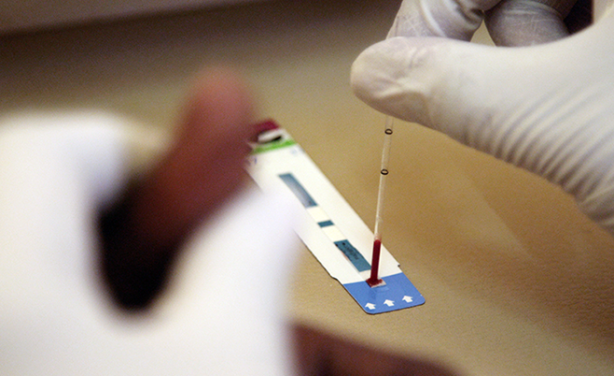
Milenge District has recorded a decline in syphilis cases during the first and second quarters of 2025, with notable reductions among teenagers and pregnant women.
District Health Director Mwila Katongo, reported that only four cases were recorded among teenagers, while 100 cases were detected among 1,789 pregnant women screened during antenatal visits.
Dr. Katongo attributed the improvement to strengthened antenatal screening and treatment programs, which now include mandatory dual testing for syphilis and HIV.
“Immediately mothers register for antenatal care, we conduct dual testing and if results are positive, treatment with benzathine penicillin is administered on the spot,” he explained.
He noted that syphilis has historically been a leading cause of perinatal deaths in the district, but no congenital abnormalities or maternal deaths related to the disease have been reported in recent years, indicating the effectiveness of early detection and prompt treatment.
Despite the positive trend, Dr. Katongo raised concerns over challenges in partner notification and treatment, particularly among cross-border patients from the Democratic Republic of Congo who often fail to return for follow-up doses.
He emphasized that Milenge maintains a lower syphilis burden compared to other districts and called for continued community engagement, along with consistent availability of testing kits and treatment, to sustain the downward trend.
Meanwhile, The Zambia Flying Doctor Service (ZFDS), in collaboration with the Zambia Air Force (ZAF), attended to 634 patients out of a target of 1,050 during a seven-day medical outreach programme in Mwandi District of Western Province.
Mwandi ZFDS-ZAF Team Leader, John Mbewe, said the figure represents about 60 percent coverage, with 48 medical cases referred to larger facilities for further attention.
Capt. Dr. Mbewe explained that the team visited seven high-volume facilities and provided general screening, dental, eye and laboratory services.
The team also included an obstetrics and gynaecology specialist stationed at Mwandi Mission Hospital, supported by an anaesthesiology specialist.
Capt. Dr. Mbewe noted that common conditions diagnosed in the district included anaemia, musculoskeletal disorders, hypertension, diabetes, convulsive disorders, asthma, tonsillitis, uterine prolapse and hernia.
He attributed the high prevalence of anaemia to poor diets, with many households going up to five months without consuming meat, milk or eggs.
He further observed that musculoskeletal disorders were mostly seen in elderly patients, often linked to long-distance travel.
The outreach covered Masese, Mushukula, Situlu, Kalundu, Lwazamba, Magumwi and Sankolonga rural health facilities.
However, Dr. Mbewe observed that the team faced challenges such as low turnout due to poor sensitisation, limited land communication and shortages of essential medicines like antihypertensives.
Dr. Mbewe recommended improved community mobilisation, carrying portable medical equipment and ensuring bulk supplies of essential drugs during such programmes.
Mwandi outreach formed part of the SADC Air Forces Blue Lugwasho Exercise, which included humanitarian activities such as food distribution and medical service delivery.




What about gonorrhea? The point is why focus on syphilis as if it’s the only std? Reporters should be critical