

They Insulted Us For Warning About the Public Gatherings Bill in Zambia. Today the President Has Proved We Were Right
So when people ask whether I feel vindicated, my answer is simple. This was never about Emmanuel Mwamba. It was never about who was popular. It was about ensuring that Zambia does not replace one problematic law with another.
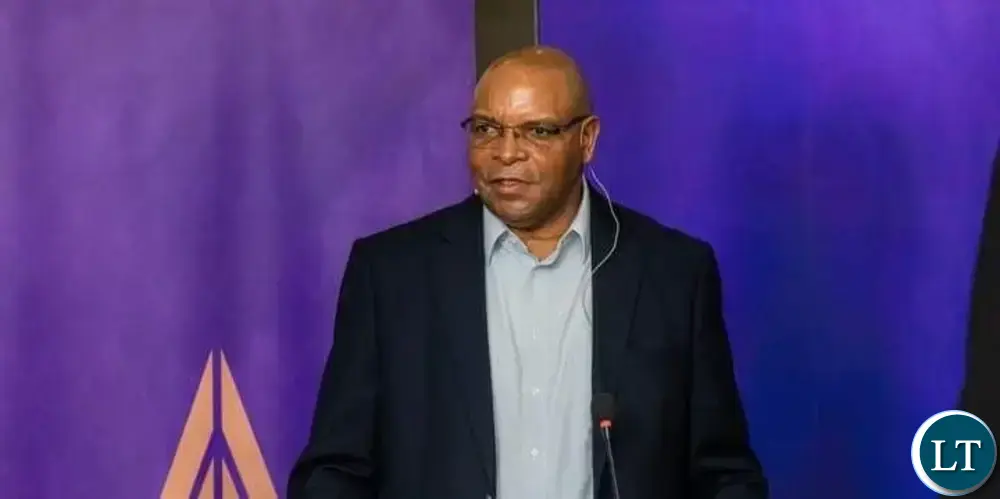
By Emmanuel Mwamba
For months, some people mocked us. They called us alarmists. They called us enemies of progress. They accused us of opposing legislation simply because we sit on the other side of the political divide. When we raised concerns about the Public Gatherings Bill in Zambia, we were told we did not understand the law. We were told we were defending disorder. We were told we wanted confusion and lawlessness to continue.
Today, I ask those same people a simple question: what do you have to say now?
President Hakainde Hichilema has declined to assent to the Public Gatherings Bill and has returned it to Parliament for reconsideration.
State House confirmed on Wednesday, in a press release issued by Chief Communications Specialist Clayson Hamasaka, that the President invoked Article 66(1)(b) of the Constitution and cited inconsistencies between the current draft and well-established judicial precedents. The President, while acknowledging positive elements within the bill, was not satisfied that the legislation was fully aligned with the fundamental rights and freedoms guaranteed under Part III of the Republican Constitution.
That is precisely the issue many of us raised. The reaction from some quarters has been interesting to watch. The same voices that spent months attacking those who questioned the bill are now celebrating the President’s decision. The same people who dismissed every criticism are suddenly discovering the very concerns they previously refused to acknowledge.
That is why this moment matters. The Public Gatherings Bill did not begin as a bad idea. For decades, many Zambians have supported efforts to replace the colonial-era Public Order Act of 1955, a law long condemned as an instrument of political suppression that infringed on the rights of citizens to gather, demonstrate, picket and freely register their grievances. The desire to strengthen freedoms of assembly and public participation is not a partisan position. It is a democratic position.
Many stakeholders invested time and resources into reform efforts aimed at producing legislation that would protect rights while maintaining public order. That was the objective. That was the promise. That was the expectation.
Somewhere along the way, however, the bill changed. What was presented to Parliament was no longer the progressive reform many people had worked towards. Instead, it contained provisions that generated serious concern among legal practitioners, civil society actors, cooperating partners and ordinary citizens.
Those concerns were not invented. They were not imagined. They were not malicious. They were genuine.
Many people spoke out. Some wrote detailed analyses. Others engaged Members of Parliament and officials within the Ministry of Justice. Questions were raised about whether certain provisions were consistent with constitutional protections and established legal principles.
Rather than engage those concerns on their merits, many chose to attack the messengers. That has become a familiar pattern. We saw similar concerns emerge around the Cyber Crimes and Security legislation. We saw similar questions raised regarding surveillance-related proposals. Every time legitimate criticism is offered, there is an attempt to portray critics as enemies rather than citizens participating in democratic discourse.
Yet what has happened with the Public Gatherings Bill should serve as a lesson. The President himself has now acknowledged that the legislation requires further scrutiny. His decision does not automatically mean every criticism was correct. Neither does it mean every provision in the bill is flawed. What it does mean is that concerns existed and those concerns deserved to be taken seriously.
Those who warned about constitutional issues were not spreading misinformation. Those who questioned the bill were not enemies of reform. Those who opposed certain provisions were not opposed to democracy. Many of us spoke because we believed Zambia deserved better legislation.
I also find it noteworthy that cooperating partners who supported aspects of the reform process reportedly raised concerns before the bill was passed. Those warnings were available. They were known. Yet Parliament proceeded.
Now the bill is back where it started.That reality should encourage humility from all sides.
Public policy is not improved by blind loyalty. Good legislation is not produced through political slogans. Strong laws emerge through scrutiny, consultation, criticism and correction. That is exactly why democratic systems provide checks and balances.
As the bill returns to Parliament, my hope is that legislators approach the matter with open minds. The objective should not be to defend past positions. The objective should be to produce legislation that protects freedoms, respects the Constitution and serves the interests of all Zambians. That is what many of us were asking for from the beginning.
So when people ask whether I feel vindicated, my answer is simple. This was never about Emmanuel Mwamba. It was never about who was popular. It was about ensuring that Zambia does not replace one problematic law with another.
If today’s events encourage more people to listen before they insult, to analyse before they dismiss and to engage before they condemn, then perhaps some good will come from this episode.
The President has spoken. The bill has been returned. The concerns that many people raised can no longer be brushed aside.
That is simply a fact.
Emmanuel Mwamba is a former Ambassador to South Africa, former Ambassador to Ethiopia, former Permanent Representative to the African Union in Addis Ababa, and former Permanent Secretary for Information.




We all know MPs are vuvuzelas. Try arguing against your president and you will end up an independent candidate that gets harrangued by the President’s henchrogues all the way from state house