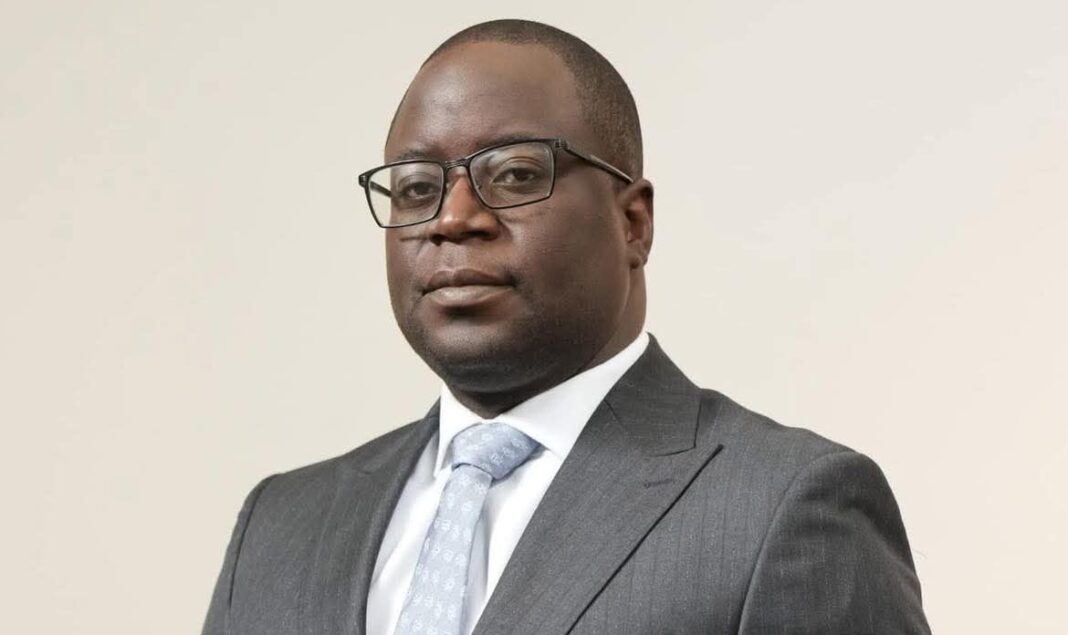
Makebi Zulu calls for a moral awakening and unity of purpose
It was not the voice of a politician chasing headlines. It was the trembling voice of a citizen, humbled by grief and awakened by duty. When Hon. Makebi Zulu spoke during the Independence-Day broadcast of Hosting Makebi Zulu, hosted by Ambassador Emmanuel Mwamba, the country listened in silence. His words were not rehearsed or defensive. They were the cry of a conscience.
“Thank you very much, Ambassador. I am very emotional, I must say. It has been a very humbling program,” he began quietly. “I am at a loss for words. Every Zambian should know that the law is intended to protect them from any form of tyranny, whether in leadership or in life. The law is not meant to make leaders untouchable. It exists so that leaders may serve the people.”
The former Minister for Eastern Province and Malambo Member of Parliament was visibly moved as he turned his remarks into a public reflection on leadership, accountability, and faith. “If President Hakainde Hichilema is listening,” he said, “I hope he has heard what the people have said. It is not the absence of leadership that we suffer from, but the failure of leadership. It is upon all of us to step up and be the leaders we promised the people to be.”
He paused, his voice soft but resolute. “Because the call to leadership is a godly call, a divine call. To abuse that call is to dishonour the one who placed you in that position. I pray that you may introspect your leadership and honour the person who gave you that call to serve.”
Throughout the interview, Zulu returned again and again to the theme of conscience. “We need to stand up for ourselves,” he declared. “It is not right that we should consider a person who speaks the truth as being brave. Telling the truth is not an act of bravery. That is how we are supposed to be. That is what we are called to be.”
His voice grew firmer. “This call to duty is a call for everyone. I will say it again, it is a call for everyone. No one is going to come from outside Zambia to save us. We must save ourselves.”
The studio fell silent as he spoke of national renewal and divine responsibility. “We have processes we have put in place to save ourselves,” he said. “Let us honour those processes. Even if we are to choose Kwinpumi as a Kwinpumi stand, let us all rally behind Kwinpumi because that leadership is from God.”
When Mwamba asked whether Zulu would consider standing for the presidency, his reply was both spiritual and civic. “You have called on me to stand,” he said. “I am saying it is not about me. It is about all of us.”
Then, almost as a plea to history, he added: “What I hear Zambians saying is that everyone in the opposition must come together. Let us save our country because no one else will. My call is to Dr. Sangwa, to KBF, to Brian Mundubile, to our acting president Lubinda, to Kasonde Mwenda, to Chishimba Kambwili, and to every leader inside and outside the party. Can we not do this one thing for Zambia? Can we not come together and unite for Zambia?”
His appeal was not political theatre; it was a lament for a divided nation. “That is what Edgar Lungu died for,” he said. “When he came back to politics, it was to unite. When he joined UKA and Tonse, the song he sang through and through was unity. There will be a failure of leadership on the part of the opposition if we do not come together. We need to come together for the sole purpose of saving our country. Duty calls now.”
Zulu’s words carried both urgency and sorrow. “This call is not to any one individual,” he insisted. “This call is for all of us. Only we, as Zambians, can save our country. As I said earlier, this is not about one faction. We must continue to consult, to include the clergy, to involve all who care about this nation, even those in the diaspora. Let us make a firm decision and save our country as one.”
He spoke like a man with nothing to prove, only something to preserve. “Your call must be heeded and it will be heeded,” he said. “In the meantime, let us concentrate on coming together. Then we shall emerge as one, and that leadership will be a leadership of oneness. That is who we are, and that is what Zambia is.”
For a moment, Zulu’s voice broke as he expressed gratitude. “Thank you for hosting me, Ambassador Mwamba. Thank you for this opportunity. This has been a very humbling experience and I am grateful. The Lungu family is grateful for this opportunity to speak to the people and to let them know what is happening. Zambians, you have not been neglected. You have not been denied the opportunity to bury President Edgar Chagwa Lungu. That will be done, and you will bury him with the dignity and honour that he deserves.”
It was a rare display of emotion from a man known for his calm composure. The studio remained still as Mwamba, momentarily muted, apologised and asked one final question: “Before I let you go, Honourable Zulu, there is a question of faith. Would you like to answer that?”
“Yes,” Zulu replied simply. “I am a Christian. I am born again. I fear the Lord and I serve the Lord.”
Those words seemed to complete a portrait of the man that had unfolded throughout the night not a candidate angling for attention, but a believer seeking redemption for a wounded nation.
The host closed with a blessing. “Thank you to our dear viewers for your patience and for staying with us late into the night. We are humbled by the huge numbers that tuned in. God bless you. Let us remain calm and hopeful for our country.”
Outside the studio, social media lit up with praise and reflection. To many, Zulu’s message cut through the political noise and spoke to the soul of the nation.
He had begun the evening with humility and ended with conviction. “Today we stand at a crossroads not just of politics but of conscience,” he said. “The passing of our humble president, Edgar Chagwa Lungu, is not only a moment of mourning but a moment of reckoning. Let this be a message to every future politician in Zambia. Power is not a crown; it is a responsibility. You are not above the people. You are born of them, raised by their trust, and judged by how you honour it.”
He paused again, looking into the camera. “What we witnessed during President Lungu’s health challenges must never happen again. No family should be dragged through courtrooms while grieving. No widow should plead for dignity. No orphan should wait for justice to bury their father. This is not the Zambia we were meant to be.”
Then came the words that would echo across the nation: “Let us start over. Let us rebuild not just our institutions but our hearts. Let the death of President Lungu remind us that we are each other’s keeper, that love is not weakness but our greatest strength. The Bible commands us to care for the widow, the orphan and the stranger, and true leadership begins with compassion. We only have one Zambia. Let us raise her high, not with slogans but with service.”
He ended quietly, yet the weight of his words lingered: “Let us show love not just in words but in action. Let us unite not just in grief but in purpose. To the Lungu family, we are with you. To every citizen, your pain matters. To every leader, your legacy begins now. One Zambia, one nation, one people.”
Source: Based on the televised/Facebook interview “Hosting Makebi Zulu,” hosted by Ambassador Emmanuel Mwamba, October 24, 2025.